
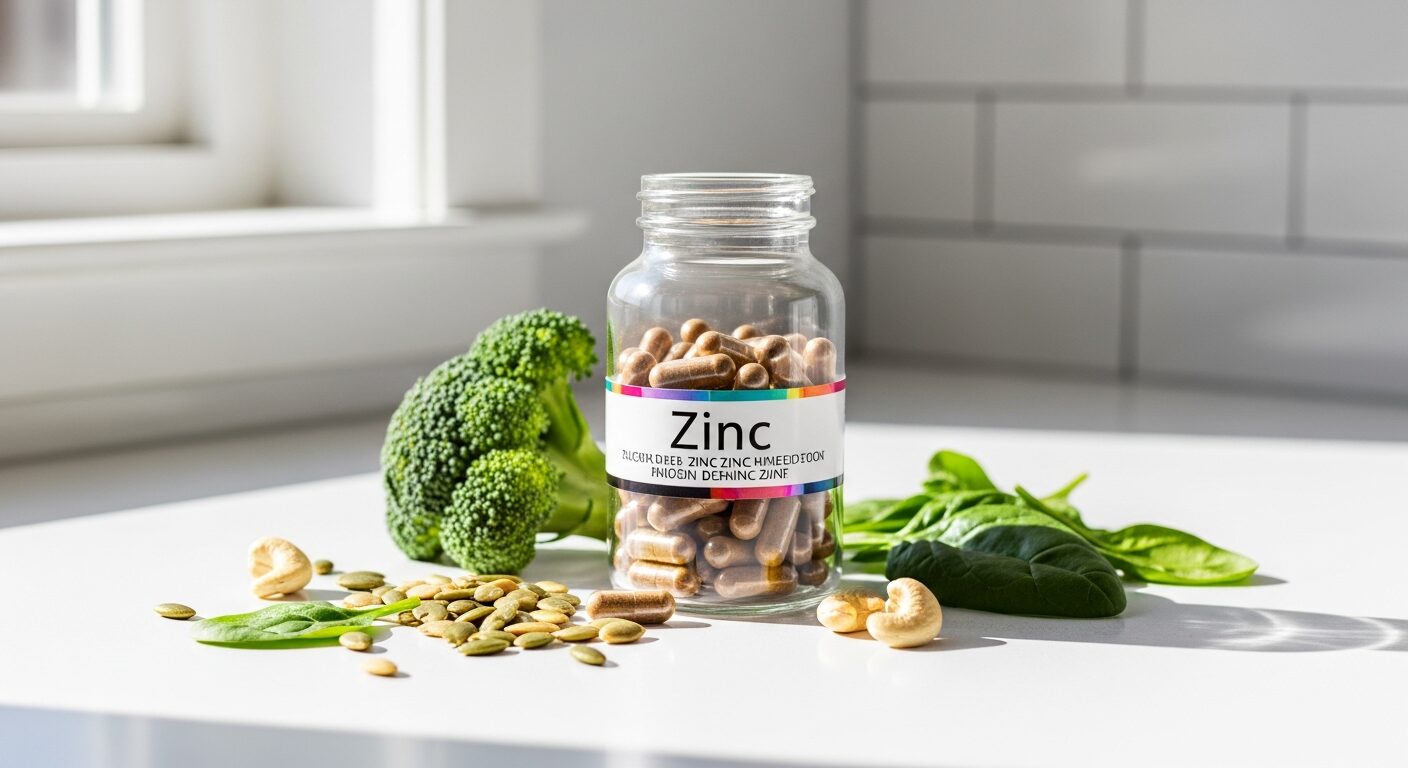
Zinc is an essential trace mineral that plays a crucial role in numerous bodily functions, from immune system support to wound healing and protein synthesis. Despite its importance, zinc deficiency remains surprisingly common worldwide, affecting an estimated 2 billion people globally. This micronutrient deficiency can have far-reaching consequences on your health, manifesting through various signs and symptoms that are often overlooked or misattributed to other conditions.
Understanding the warning signs of zinc deficiency is vital for maintaining optimal health. Unlike some nutrients that your body can store for extended periods, zinc requires regular replenishment through diet or supplementation. When levels drop below optimal ranges, your body begins to show telltale signs that shouldn’t be ignored.
Contents
Understanding Zinc’s Role in the Body
Zinc serves as a cofactor for over 300 enzymes in the human body, making it indispensable for proper cellular function. This mineral is particularly concentrated in the brain, muscles, bones, kidneys, and liver, where it supports critical processes including DNA synthesis, immune function, and metabolic activities.
The body maintains zinc homeostasis through careful regulation of absorption, distribution, and excretion. However, various factors can disrupt this delicate balance, leading to deficiency states that compromise health and well-being.
Primary Signs and Symptoms of Zinc Deficiency
Immune System Dysfunction
One of the most prominent indicators of zinc deficiency is compromised immune function. Zinc is essential for the development and function of immune cells, including neutrophils, natural killer cells, and T-lymphocytes. When zinc levels are inadequate, you may experience frequent infections, prolonged illness duration, and slower recovery times from common ailments like colds and flu.
Prasad, 2007 demonstrated that zinc deficiency significantly impairs both innate and adaptive immune responses, making individuals more susceptible to bacterial, viral, and fungal infections.
Skin and Wound Healing Issues
Zinc plays a fundamental role in collagen synthesis and tissue repair, making it crucial for healthy skin and efficient wound healing. Deficiency often manifests as slow-healing cuts and scrapes, persistent skin problems, and various dermatological conditions.
Common skin-related symptoms include:
- Delayed wound healing
- Dry, rough, or scaling skin
- Persistent acne or skin lesions
- Hair loss or thinning
- Brittle or white-spotted fingernails
Sensory Impairments
Zinc deficiency can significantly impact your senses, particularly taste and smell. Many individuals with low zinc levels report a decreased ability to taste food properly (hypogeusia) or complete loss of taste (ageusia). Similarly, smell perception may become dulled or distorted.
These sensory changes often lead to decreased appetite and reduced food enjoyment, potentially creating a cycle where poor nutrition further exacerbates zinc deficiency.
Cognitive and Neurological Symptoms
The brain contains high concentrations of zinc, particularly in areas responsible for learning, memory, and emotional regulation. Deficiency can manifest as:
- Difficulty concentrating
- Memory problems
- Mood changes or irritability
- Depression or anxiety
- Brain fog
Growth and Development Issues
In children and adolescents, zinc deficiency can severely impact growth and development. Roohani et al., 2013 highlighted that zinc deficiency is associated with stunted growth, delayed sexual maturation, and impaired cognitive development in young individuals.
Secondary Symptoms and Complications
Digestive System Effects
Zinc deficiency can compromise digestive health, leading to symptoms such as diarrhea, loss of appetite, and impaired nutrient absorption. The intestinal lining requires adequate zinc for proper maintenance and function, and deficiency can create a leaky gut syndrome, further compromising overall health.
Reproductive Health Concerns
Both male and female reproductive systems rely heavily on adequate zinc levels. In men, deficiency can lead to decreased testosterone production, reduced sperm quality, and fertility issues. Women may experience irregular menstrual cycles, pregnancy complications, or difficulties conceiving.
Eye Health Problems
The retina contains high concentrations of zinc, and deficiency can contribute to vision problems, including night blindness and increased risk of age-related macular degeneration. Age-Related Eye Disease Study Research Group, 2001 found that zinc supplementation could help slow the progression of advanced macular degeneration.
Risk Factors for Zinc Deficiency
Dietary Factors
Vegetarian and vegan diets may increase the risk of zinc deficiency due to lower bioavailability of plant-based zinc sources. Additionally, diets high in phytates (found in grains and legumes) can inhibit zinc absorption.
Medical Conditions
Certain health conditions can increase the risk of zinc deficiency, including:
- Gastrointestinal disorders (Crohn’s disease, celiac disease)
- Chronic kidney disease
- Liver disease
- Alcoholism
- Diabetes
Age and Life Stages
Older adults, pregnant and breastfeeding women, and infants are at higher risk for zinc deficiency due to increased needs or decreased absorption efficiency.
Diagnosis and Testing
Diagnosing zinc deficiency can be challenging because there’s no single reliable test for zinc status. Serum zinc levels may not accurately reflect total body zinc stores, as the body maintains blood zinc levels at the expense of tissue stores.
Healthcare providers typically consider multiple factors including dietary assessment, clinical symptoms, and response to zinc supplementation when evaluating potential deficiency.
Treatment and Prevention
The most effective approach to addressing zinc deficiency involves both dietary modifications and targeted supplementation when necessary. Good dietary sources of zinc include oysters, red meat, poultry, beans, nuts, and whole grains.
For supplementation, elemental zinc doses typically range from 8-40mg daily, depending on age, sex, and severity of deficiency. It’s important to work with a healthcare provider to determine appropriate dosing, as excessive zinc intake can interfere with copper absorption and cause other adverse effects.
🌿 Looking for Zinc Supplements?
Browse top-rated Zinc supplements, independently tested and recommended by our editorial team.
Affiliate disclosure: We may earn a small commission at no extra cost to you.
Frequently Asked Questions
How long does it take to correct zinc deficiency?
With proper supplementation, mild zinc deficiency symptoms may improve within 2-4 weeks, while more severe deficiencies may require several months of consistent treatment to fully resolve.
Can you take too much zinc?
Yes, excessive zinc intake can cause nausea, vomiting, copper deficiency, and immune system suppression. The upper tolerable limit for adults is 40mg daily from all sources.
What foods are highest in zinc?
Oysters contain the highest concentration of zinc, followed by red meat, poultry, crab, lobster, beans, nuts, dairy products, and fortified cereals.
Do certain medications affect zinc absorption?
Yes, medications including diuretics, antibiotics, and proton pump inhibitors can interfere with zinc absorption or increase zinc losses from the body.
Is zinc deficiency more common in certain populations?
Yes, vegetarians, older adults, people with digestive disorders, pregnant women, and individuals in developing countries are at higher risk for zinc deficiency.
Medical Disclaimer
This article is for informational purposes only and should not be considered medical advice. The information provided is not intended to diagnose, treat, cure, or prevent any disease. Always consult with a qualified healthcare professional before starting any supplementation regimen or making significant changes to your diet, especially if you have existing health conditions or are taking medications. Individual nutritional needs vary, and what works for one person may not be appropriate for another.