
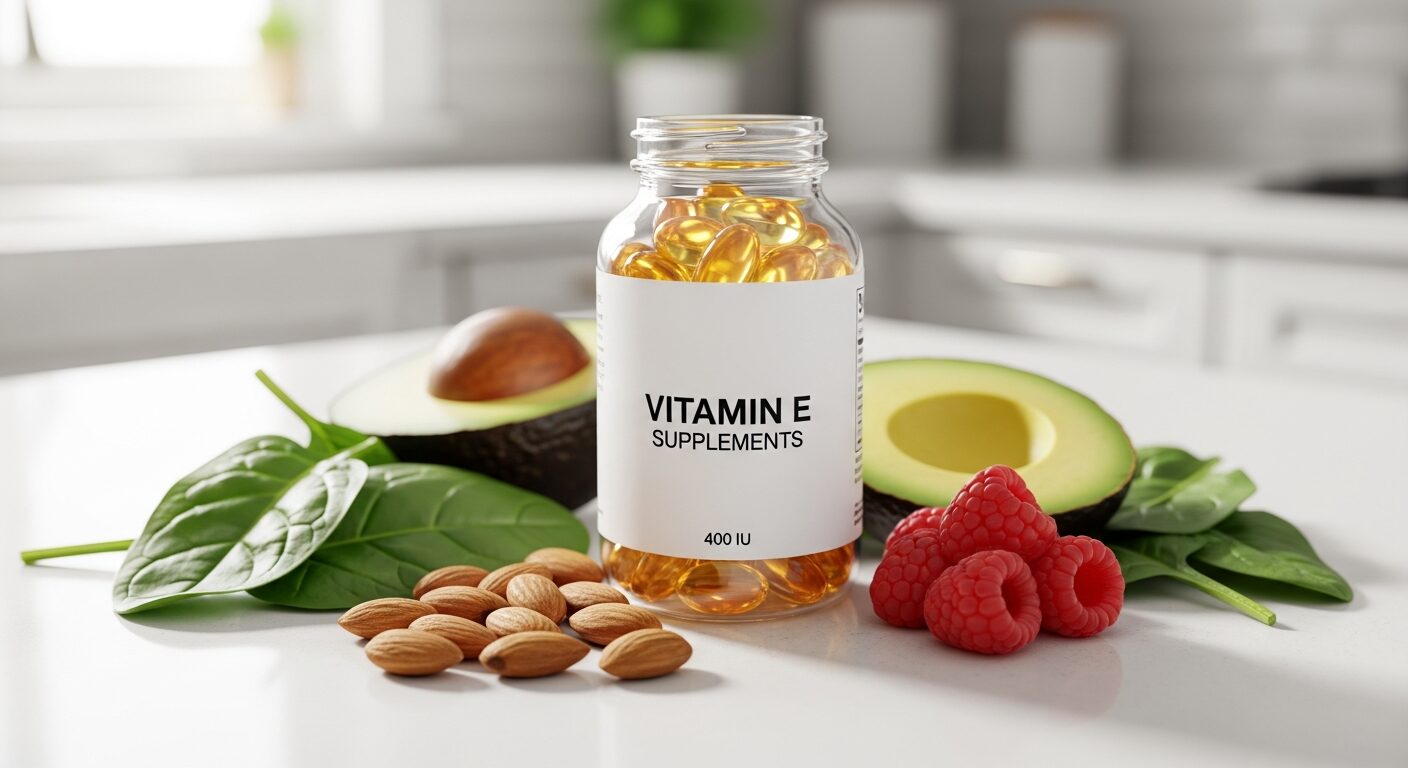
Vitamin E stands as one of the most important fat-soluble vitamins in human nutrition, serving as a powerful antioxidant that protects our cells from oxidative damage. Despite its critical role in maintaining optimal health, many people remain uncertain about the appropriate dosage for supplementation. Understanding the right amount of vitamin E to take can make the difference between experiencing its protective benefits and potentially encountering unwanted side effects.
This comprehensive guide will explore the science-backed recommendations for vitamin E dosage, helping you make informed decisions about your supplementation strategy. Whether you’re considering vitamin E for general health maintenance, specific health concerns, or athletic performance, understanding proper dosing is essential for maximizing benefits while maintaining safety.
Contents
- 1 Understanding Vitamin E and Its Forms
- 2 Official Recommended Daily Allowances
- 3 Therapeutic Dosage Ranges
- 4 Factors Affecting Optimal Dosage
- 5 Safety Considerations and Upper Limits
- 6 Dosage Recommendations by Category
- 7 Timing and Administration
- 8 Signs of Deficiency and Excess
- 9 Frequently Asked Questions
- 10 Medical Disclaimer
Understanding Vitamin E and Its Forms
Vitamin E exists in eight different chemical forms, but alpha-tocopherol is the most biologically active and widely studied form. Natural vitamin E (d-alpha-tocopherol) demonstrates superior bioavailability compared to synthetic forms (dl-alpha-tocopherol), making it the preferred choice for supplementation.
The vitamin’s primary function involves protecting cell membranes from oxidative stress caused by free radicals. This protective mechanism extends throughout the body, supporting cardiovascular health, immune function, skin integrity, and neurological processes. Vitamin E also plays crucial roles in gene expression, immune cell signaling, and the regulation of platelet aggregation.
When evaluating vitamin E supplements, you’ll encounter measurements in both International Units (IU) and milligrams (mg). The conversion between these units depends on whether you’re using natural or synthetic forms. Natural vitamin E provides 0.67 mg of alpha-tocopherol per IU, while synthetic forms provide 0.45 mg per IU.
Official Recommended Daily Allowances
The Recommended Dietary Allowance (RDA) for vitamin E varies based on age, gender, and life stage. For adults aged 14 and older, the RDA is set at 15 mg (22.4 IU) of alpha-tocopherol daily. This recommendation applies to both men and women under normal circumstances.
Pregnant women maintain the same 15 mg daily requirement, but lactating mothers need slightly more at 19 mg (28.4 IU) daily to support milk production and infant nutritional needs. Children’s requirements are proportionally lower, ranging from 4-6 mg for toddlers to 11-15 mg for adolescents.
These RDA values represent the minimum amounts needed to prevent deficiency symptoms in healthy individuals. However, many nutrition experts suggest that optimal health benefits may require higher intakes, particularly in our modern environment with increased exposure to oxidative stressors.
Therapeutic Dosage Ranges
For therapeutic purposes, vitamin E dosages often exceed the basic RDA recommendations. Clinical studies have explored various dosage ranges for specific health applications, providing valuable insights into effective therapeutic levels.
Cardiovascular Health
Research investigating vitamin E’s cardiovascular benefits has typically employed doses ranging from 100-800 IU daily. Alpha-Tocopherol, Beta Carotene Cancer Prevention Study Group, 1994 demonstrated that 50 mg (approximately 75 IU) of alpha-tocopherol daily showed modest cardiovascular benefits in male smokers. However, many cardiologists recommend higher doses of 200-400 IU daily for individuals with elevated cardiovascular risk factors.
Immune System Support
Studies examining vitamin E’s immune-enhancing effects have shown positive results with doses ranging from 60-800 IU daily. Elderly individuals, who often experience age-related immune decline, may benefit from supplementation in the 100-200 IU range to help maintain optimal immune function.
Skin Health and Anti-Aging
For skin health applications, both topical and oral vitamin E supplementation show benefits. Oral doses of 400-800 IU daily have been studied for their ability to protect skin from UV damage and support wound healing processes. The antioxidant properties of vitamin E help maintain skin elasticity and reduce signs of premature aging.
Factors Affecting Optimal Dosage
Several individual factors influence the optimal vitamin E dosage for each person. Understanding these variables helps create a more personalized supplementation approach.
Dietary Intake
Your current dietary intake of vitamin E significantly impacts supplementation needs. Individuals consuming diets rich in nuts, seeds, vegetable oils, and leafy green vegetables may require lower supplemental doses. Conversely, those following low-fat diets or having poor vegetable intake may need higher supplementation levels.
Health Status and Medical Conditions
Certain health conditions increase vitamin E requirements. Individuals with fat malabsorption disorders, liver disease, or genetic conditions affecting vitamin E metabolism may need higher doses under medical supervision. People with diabetes, cardiovascular disease, or inflammatory conditions might also benefit from increased vitamin E intake.
Age and Gender Considerations
Older adults often require higher vitamin E intakes due to increased oxidative stress and reduced dietary absorption efficiency. Women using hormone replacement therapy or oral contraceptives may have altered vitamin E metabolism, potentially requiring dosage adjustments.
Lifestyle Factors
Environmental and lifestyle factors significantly impact vitamin E needs. Smokers, individuals exposed to high pollution levels, and those under chronic stress experience increased oxidative damage, potentially warranting higher supplementation levels. Athletes and physically active individuals may also benefit from increased vitamin E intake to support recovery and reduce exercise-induced oxidative stress.
Safety Considerations and Upper Limits
While vitamin E is generally well-tolerated, understanding safety limits prevents potential adverse effects. The Tolerable Upper Intake Level (UL) for adults is set at 1,000 mg (1,500 IU) of alpha-tocopherol daily from supplemental sources.
Miller et al., 2005 conducted a meta-analysis suggesting that very high doses of vitamin E (400 IU or more daily) might increase mortality risk in certain populations. This study sparked considerable debate, but it highlights the importance of not exceeding reasonable dosage ranges without medical supervision.
The primary concern with excessive vitamin E intake involves its anticoagulant effects. High doses can enhance the effects of blood-thinning medications and increase bleeding risk. Individuals taking warfarin, aspirin, or other anticoagulants should consult healthcare providers before starting vitamin E supplementation.
Dosage Recommendations by Category
Based on current research and expert recommendations, here are practical dosage guidelines for different purposes:
General Health Maintenance: 100-200 IU daily provides antioxidant protection beyond basic nutritional needs while maintaining a significant safety margin.
Cardiovascular Support: 200-400 IU daily has shown benefits in multiple studies, particularly for individuals with risk factors or existing cardiovascular concerns.
Immune System Enhancement: 100-400 IU daily supports optimal immune function, with higher doses potentially beneficial for elderly individuals or those with compromised immunity.
Athletic Performance and Recovery: 200-600 IU daily may help reduce exercise-induced oxidative damage and support recovery processes in active individuals.
Specific Health Conditions: Therapeutic doses ranging from 400-800 IU daily should only be used under healthcare provider guidance for specific medical conditions.
Timing and Administration
Vitamin E absorption improves significantly when taken with dietary fat, as it’s a fat-soluble vitamin. Taking supplements with meals containing some fat content enhances bioavailability and reduces potential gastrointestinal irritation.
Dividing higher doses throughout the day may improve absorption and reduce the risk of side effects. For doses exceeding 400 IU daily, consider splitting into two doses taken with meals.
Traber and Stevens, 2011 research indicates that vitamin E competes with other fat-soluble vitamins for absorption. If taking multiple fat-soluble vitamins, spacing their administration by several hours may optimize absorption of each nutrient.
Signs of Deficiency and Excess
Vitamin E deficiency is relatively rare in healthy individuals but can occur in certain circumstances. Deficiency symptoms include muscle weakness, vision problems, immune system impairment, and neurological complications. Individuals with fat malabsorption disorders face the highest risk of deficiency.
Excessive vitamin E intake symptoms are also uncommon but may include fatigue, weakness, nausea, and increased bleeding tendency. These symptoms typically resolve when supplementation levels are reduced to appropriate ranges.
🌿 Looking for Vitamin E Supplements?
Browse top-rated Vitamin E supplements, independently tested and recommended by our editorial team.
Affiliate disclosure: We may earn a small commission at no extra cost to you.
Frequently Asked Questions
Is it better to take natural or synthetic vitamin E?
Natural vitamin E (d-alpha-tocopherol) is preferred due to superior bioavailability and retention in body tissues compared to synthetic forms (dl-alpha-tocopherol). Natural forms also show better biological activity in research studies.
Can I take vitamin E with other supplements?
Vitamin E can be safely combined with most other supplements. However, it may enhance the effects of blood-thinning supplements like fish oil or garlic. High doses of vitamin C may regenerate vitamin E, potentially enhancing its antioxidant effects.
How long does it take to see benefits from vitamin E supplementation?
Antioxidant effects begin within hours of supplementation, but measurable health benefits typically require several weeks to months of consistent use. Skin health improvements may be noticeable within 4-6 weeks, while cardiovascular benefits may take 2-3 months to manifest.
Should I take vitamin E if I eat a healthy diet?
Even healthy diets may not provide optimal vitamin E levels for maximum antioxidant protection. A modest supplement of 100-200 IU daily can provide additional insurance against oxidative stress, particularly for active individuals or those in polluted environments.
Are there any medications that interact with vitamin E?
Vitamin E can enhance the effects of anticoagulant medications like warfarin, potentially increasing bleeding risk. It may also interact with chemotherapy drugs and certain cholesterol medications. Always consult your healthcare provider before starting supplementation if you take prescription medications.
Medical Disclaimer
This article is for informational purposes only and does not constitute medical advice. The information provided should not be used to diagnose, treat, cure, or prevent any disease or health condition. Individual nutritional needs vary based on age, gender, health status, and other factors. Before starting any vitamin E supplementation regimen, especially at therapeutic doses, consult with a qualified healthcare provider or registered dietitian. This is particularly important if you have existing health conditions, take medications, are pregnant or nursing, or are considering giving supplements to children. The authors and NaturStack assume no responsibility for any adverse effects that may result from the use of information presented in this article.