
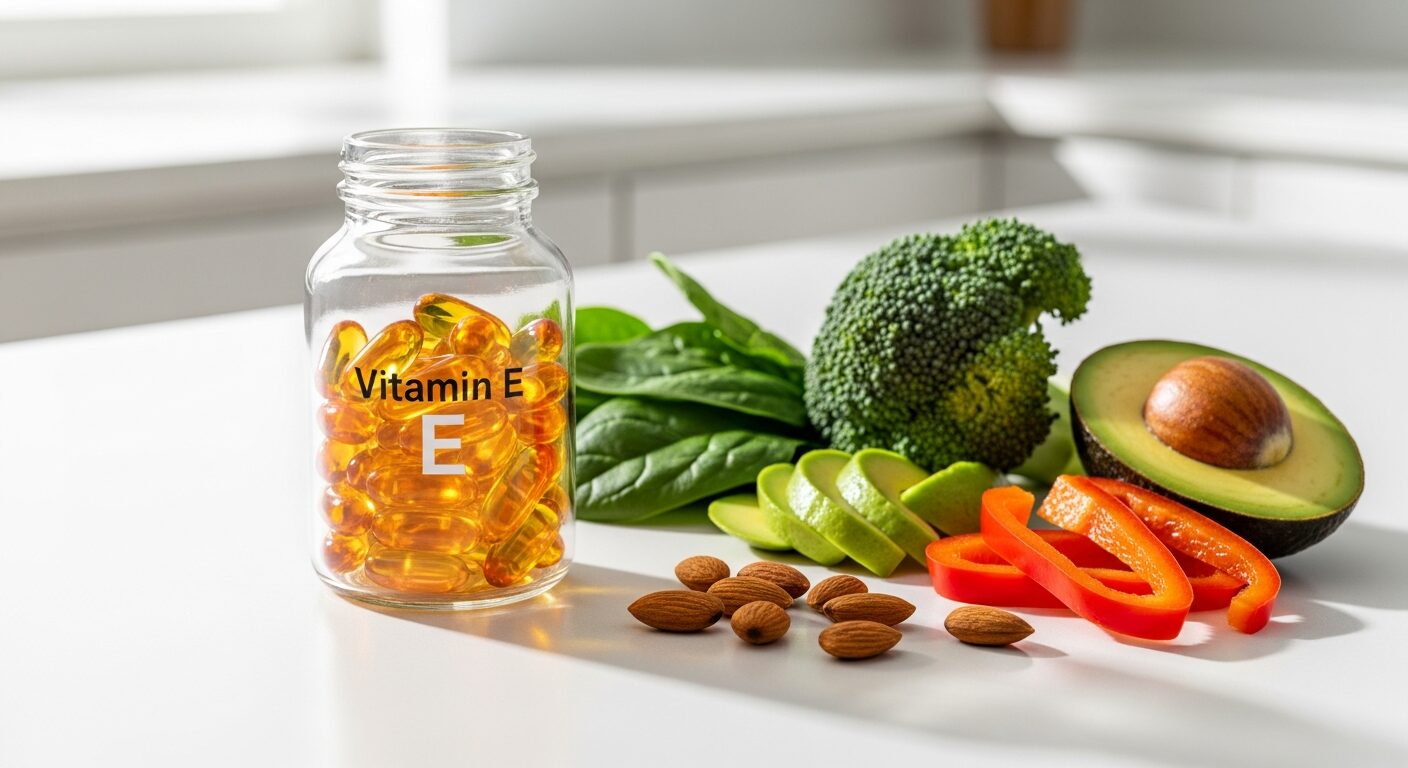
Vitamin E is one of the most important fat-soluble antioxidants in the human body, playing crucial roles in protecting cell membranes from oxidative damage, supporting immune function, and maintaining healthy skin. As consumers become increasingly health-conscious, many find themselves faced with a fundamental question when choosing vitamin E supplements: should they opt for natural or synthetic forms?
This decision isn’t just about personal preference or marketing claims. The structural differences between natural and synthetic vitamin E can significantly impact how your body absorbs, utilizes, and benefits from this essential nutrient. Understanding these differences is crucial for making an informed choice that aligns with your health goals and nutritional needs.
Contents
- 1 Understanding Vitamin E Structure and Types
- 2 Bioavailability and Absorption Differences
- 3 Potency and Effectiveness Comparison
- 4 Health Benefits and Research Findings
- 5 Cost and Accessibility Considerations
- 6 How to Choose the Right Form for You
- 7 Reading Labels and Avoiding Common Mistakes
- 8 Frequently Asked Questions
- 8.1 Is natural vitamin E always better than synthetic?
- 8.2 How can I tell if my vitamin E supplement is natural or synthetic?
- 8.3 Do I need to take more synthetic vitamin E to get the same benefits as natural?
- 8.4 Are there any safety differences between natural and synthetic vitamin E?
- 8.5 Can I get enough vitamin E from food sources alone?
- 9 Medical Disclaimer
Understanding Vitamin E Structure and Types
Vitamin E isn’t a single compound but rather a family of eight related molecules called tocopherols and tocotrienols. Each group contains four variants: alpha, beta, gamma, and delta. Among these, alpha-tocopherol is the most biologically active form and the primary focus of most vitamin E research and supplementation.
The molecular structure of vitamin E determines its biological activity. Natural vitamin E, designated as d-alpha-tocopherol, has a specific three-dimensional configuration that allows it to fit perfectly into biological systems. Synthetic vitamin E, labeled as dl-alpha-tocopherol, contains a mixture of eight different stereoisomers—essentially different spatial arrangements of the same atoms.
Natural Vitamin E Sources
Natural vitamin E is derived from vegetable oils, particularly wheat germ oil, sunflower oil, and safflower oil. Other excellent sources include nuts, seeds, and green leafy vegetables. The extraction and concentration process preserves the natural d-alpha-tocopherol structure along with other naturally occurring tocopherols and tocotrienols.
Synthetic Vitamin E Production
Synthetic vitamin E is manufactured through chemical processes using petroleum-derived starting materials. This process creates a racemic mixture containing equal amounts of natural d-alpha-tocopherol and seven synthetic forms that don’t occur in nature. While chemically similar, these synthetic forms have different biological activities.
Bioavailability and Absorption Differences
One of the most significant differences between natural and synthetic vitamin E lies in their bioavailability—how well your body can absorb and utilize them. Research has consistently shown that natural vitamin E demonstrates superior bioavailability compared to its synthetic counterpart.
The human body preferentially recognizes and retains natural d-alpha-tocopherol. Studies have demonstrated that natural vitamin E is retained in tissues approximately twice as long as synthetic forms, suggesting that the body actively discriminates between these different molecular structures.
This preference occurs through several mechanisms. The alpha-tocopherol transfer protein, which is responsible for incorporating vitamin E into lipoproteins for transport throughout the body, shows a marked preference for the natural d-alpha-tocopherol form. Additionally, the liver appears to more readily metabolize and excrete the synthetic forms that don’t match the natural configuration.
Tissue Distribution Patterns
Natural vitamin E not only achieves higher blood levels but also distributes more effectively to various tissues throughout the body. Brain tissue, in particular, shows a strong preference for natural vitamin E, which may have implications for neurological health and cognitive function.
Potency and Effectiveness Comparison
The International Unit (IU) system was originally designed to account for the potency differences between natural and synthetic vitamin E. By definition, 1 IU of natural vitamin E equals 0.67 mg of d-alpha-tocopherol, while 1 IU of synthetic vitamin E equals 0.9 mg of dl-alpha-tocopherol.
However, this conversion may not fully capture the real-world differences in effectiveness. When researchers measure actual biological activity rather than just chemical potency, natural vitamin E often demonstrates advantages beyond what the IU system suggests.
Clinical studies comparing antioxidant activity have shown that natural vitamin E provides superior protection against lipid peroxidation, a key marker of oxidative stress that contributes to aging and chronic disease development.
Duration of Action
Natural vitamin E not only works more effectively but also maintains its activity longer in the body. This extended duration means that natural vitamin E may provide more consistent antioxidant protection throughout the day, potentially reducing the need for multiple doses.
Health Benefits and Research Findings
Both natural and synthetic vitamin E provide antioxidant benefits, but research suggests that natural forms may offer superior health outcomes in several key areas.
Cardiovascular Health
Vitamin E’s role in cardiovascular health has been extensively studied, with mixed results that may partly depend on the form used. Natural vitamin E appears to provide more consistent benefits for heart health, potentially due to its superior bioavailability and the presence of other naturally occurring tocopherols and tocotrienols.
Immune Function
The immune system relies heavily on antioxidants to function optimally. Research has shown that vitamin E supplementation can enhance immune response, particularly in older adults, with natural forms showing more pronounced effects in some studies.
Skin Health and Anti-Aging
Vitamin E’s reputation as a skin-protective nutrient is well-established. Natural vitamin E appears to be more effective at protecting skin from UV damage and supporting wound healing, possibly due to its better integration into cell membrane structures.
Cost and Accessibility Considerations
One of the primary advantages of synthetic vitamin E is its lower cost. The chemical synthesis process is generally less expensive than extracting and purifying natural vitamin E from plant sources. This cost difference can be significant, making synthetic forms more accessible to budget-conscious consumers.
However, when considering cost-effectiveness, it’s important to factor in the superior bioavailability of natural vitamin E. If natural forms are twice as bioavailable, a lower-priced natural supplement might actually provide better value despite its higher upfront cost.
Market Availability
Both natural and synthetic vitamin E are widely available in various forms, including capsules, tablets, and liquid preparations. Natural vitamin E is increasingly common in health food stores and online retailers, though synthetic forms still dominate many mainstream supplement markets.
How to Choose the Right Form for You
Selecting between natural and synthetic vitamin E should be based on your individual needs, budget, and health goals. Here are key factors to consider:
For optimal bioavailability and effectiveness, natural d-alpha-tocopherol is generally the superior choice. This is particularly important if you’re taking vitamin E for specific health conditions or if you have absorption issues that might further reduce the bioavailability of synthetic forms.
Consider your overall supplement regimen as well. If you’re taking other antioxidants or have a diet rich in vitamin E sources, the differences between natural and synthetic forms may be less critical. However, if vitamin E is your primary antioxidant supplement, investing in the natural form may provide better results.
Budget constraints are legitimate concerns. If cost is a primary factor, synthetic vitamin E still provides antioxidant benefits, though at potentially reduced effectiveness. You might consider taking a smaller dose of natural vitamin E rather than a larger dose of the synthetic form.
Reading Labels and Avoiding Common Mistakes
Understanding supplement labels is crucial for making informed choices. Natural vitamin E will be labeled as “d-alpha-tocopherol” or “d-alpha-tocopheryl,” while synthetic forms appear as “dl-alpha-tocopherol” or “dl-alpha-tocopheryl.” The presence of the “l” in “dl” indicates the synthetic mixture.
Be wary of marketing terms like “natural source” or “naturally derived,” which may still refer to synthetic vitamin E that uses natural starting materials but undergoes chemical processing that creates the racemic mixture.
Mixed tocopherol supplements, which contain alpha, beta, gamma, and delta forms, more closely mirror the vitamin E complex found in food sources and may provide additional benefits beyond alpha-tocopherol alone.
🌿 Looking for Vitamin E Supplements?
Browse top-rated Vitamin E supplements, independently tested and recommended by our editorial team.
Affiliate disclosure: We may earn a small commission at no extra cost to you.
Frequently Asked Questions
Is natural vitamin E always better than synthetic?
While natural vitamin E generally offers superior bioavailability and effectiveness, synthetic vitamin E still provides antioxidant benefits. The choice depends on your individual needs, budget, and health goals. Natural is typically preferred when maximum effectiveness is desired.
How can I tell if my vitamin E supplement is natural or synthetic?
Check the ingredient label carefully. Natural vitamin E is listed as “d-alpha-tocopherol” while synthetic appears as “dl-alpha-tocopherol.” The “dl” prefix indicates a mixture of natural and synthetic forms.
Do I need to take more synthetic vitamin E to get the same benefits as natural?
Due to lower bioavailability, you would theoretically need about twice as much synthetic vitamin E to achieve similar blood levels as natural vitamin E. However, dosing should always follow manufacturer recommendations and healthcare provider guidance.
Are there any safety differences between natural and synthetic vitamin E?
Both forms are generally safe when taken at appropriate doses. The main safety consideration is avoiding excessive doses of either form, as vitamin E is fat-soluble and can accumulate in tissues.
Can I get enough vitamin E from food sources alone?
While it’s possible to meet basic vitamin E requirements through diet, achieving therapeutic levels often requires supplementation. Foods like nuts, seeds, and vegetable oils provide natural vitamin E, but supplementation may be beneficial for specific health goals.
Medical Disclaimer
This article is for informational purposes only and should not be considered medical advice. The information provided is not intended to diagnose, treat, cure, or prevent any disease. Always consult with a qualified healthcare provider before starting any new supplement regimen, especially if you have existing health conditions, take medications, or are pregnant or nursing. Individual responses to supplements may vary, and what works for one person may not be appropriate for another.