
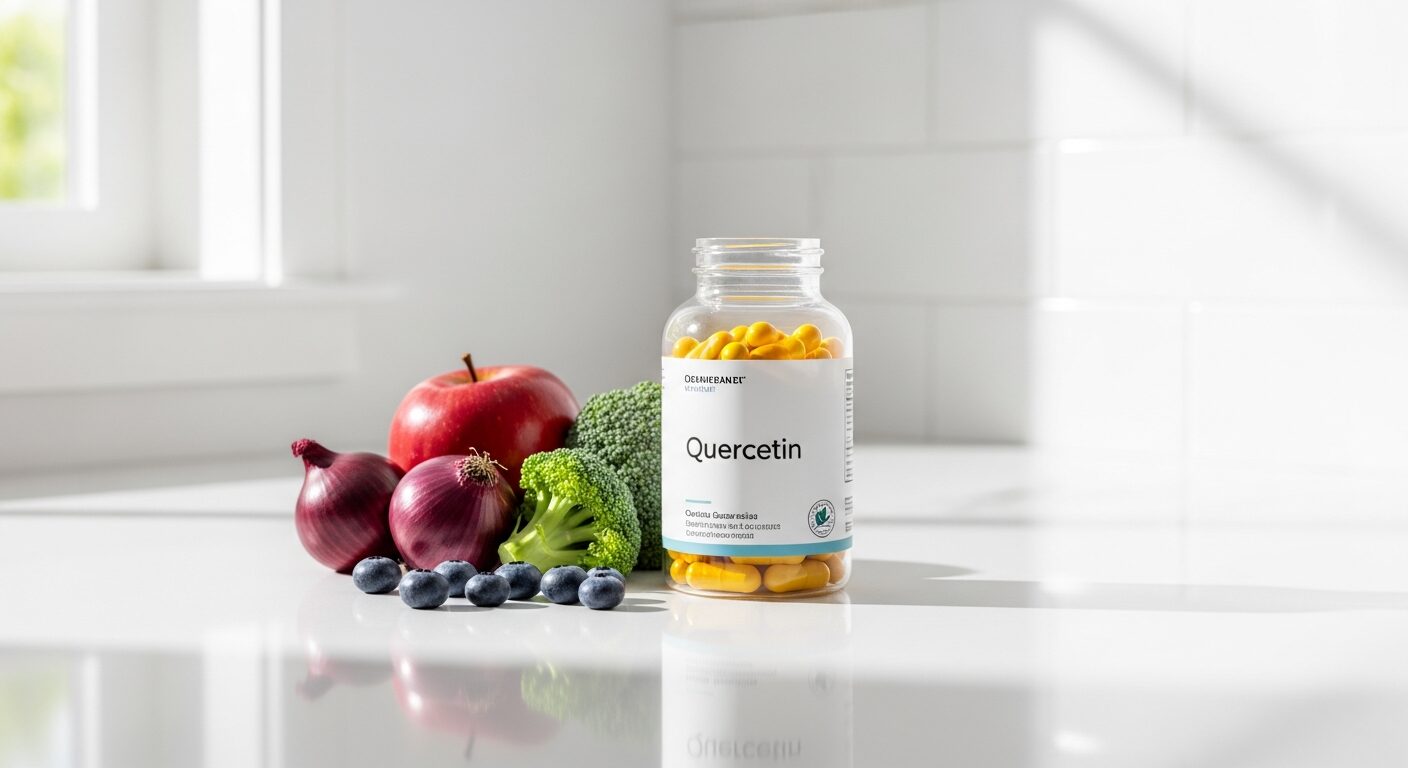
When it comes to powerful antioxidants, two compounds consistently rise to the top of scientific discussions: quercetin and vitamin C. While vitamin C has enjoyed decades of mainstream recognition as the go-to immune booster, quercetin has quietly emerged as a formidable contender with unique properties that may actually surpass vitamin C in certain areas. This naturally occurring flavonoid, found in foods like onions, apples, and berries, has captured the attention of researchers worldwide for its remarkable anti-inflammatory and cellular protective effects.
The question isn’t necessarily which one is “better” – both compounds offer distinct advantages and work through different mechanisms in your body. However, understanding their unique strengths, optimal usage, and potential synergistic effects can help you make informed decisions about which antioxidant strategy aligns best with your health goals. In this comprehensive analysis, we’ll explore the science behind quercetin, debunk common misconceptions, and provide you with evidence-based guidance on incorporating this powerful compound into your wellness routine.
🌿 Looking for Quercetin supplements? Shop Amazon →
Contents
What is Quercetin
Quercetin is a plant pigment belonging to a group of compounds called flavonoids, which are responsible for the vibrant colors in many fruits and vegetables. As one of the most abundant flavonoids in the human diet, quercetin serves as a powerful antioxidant and anti-inflammatory agent that plants naturally produce to protect themselves from environmental stressors like UV radiation and pathogens.
Unlike vitamin C, which is water-soluble and quickly eliminated from the body, quercetin is fat-soluble and tends to accumulate in tissues, potentially providing longer-lasting protective effects. This compound is found in highest concentrations in onions (particularly red onions), capers, berries, grapes, tea, and certain medicinal herbs. The molecular structure of quercetin allows it to neutralize free radicals while also modulating various cellular pathways involved in inflammation and immune function.
What makes quercetin particularly interesting from a biochemical standpoint is its ability to influence gene expression and enzyme activity. While vitamin C primarily functions as a direct antioxidant and cofactor for collagen synthesis, quercetin acts more like a cellular conductor, orchestrating multiple biological processes simultaneously. This multi-target approach has made it a subject of intense research in areas ranging from cardiovascular health to cognitive function.
Key Benefits of Quercetin
Scientific research has identified several compelling benefits of quercetin supplementation, many of which complement or exceed those traditionally associated with vitamin C. One of quercetin’s most well-documented effects is its potent anti-inflammatory activity, achieved through the inhibition of inflammatory enzymes and the reduction of pro-inflammatory cytokines. This mechanism may be particularly beneficial for individuals dealing with chronic inflammatory conditions.
Cardiovascular health represents another area where quercetin demonstrates significant promise. Studies suggest that regular quercetin intake may help improve blood vessel function, reduce blood pressure, and support healthy cholesterol levels. The compound appears to protect the delicate endothelial lining of blood vessels from oxidative damage while promoting better circulation – effects that vitamin C, while beneficial, doesn’t achieve through the same pathways.
The immune-supporting properties of quercetin have gained considerable attention, particularly regarding its potential antiviral effects. Derosa et al., 2021 demonstrated that quercetin supplementation could reduce the incidence and severity of upper respiratory tract infections, suggesting mechanisms beyond simple antioxidant activity. Unlike vitamin C’s role in immune cell function and collagen synthesis, quercetin appears to interfere with viral replication processes and modulate immune responses at the cellular level.
Cognitive health and neuroprotection represent emerging areas of quercetin research. The compound’s ability to cross the blood-brain barrier and accumulate in neural tissues makes it particularly interesting for brain health applications. Studies indicate that quercetin may help protect neurons from oxidative stress, reduce neuroinflammation, and potentially support memory and learning processes through mechanisms not typically associated with vitamin C.
What Most People Get Wrong About Quercetin
Despite growing interest in quercetin, several persistent misconceptions continue to circulate, often leading to suboptimal supplementation strategies or unrealistic expectations. Understanding these myths is crucial for anyone considering adding quercetin to their health regimen.
Myth #1: Quercetin and vitamin C work identically as antioxidants. This oversimplification ignores the fundamental differences in how these compounds function. While both can neutralize free radicals, quercetin operates through multiple mechanisms including enzyme modulation, gene expression regulation, and cellular signaling pathway modification. Vitamin C primarily functions as an electron donor and cofactor for specific enzymatic reactions. Quercetin’s effects are more systemic and sustained, while vitamin C’s actions are more immediate but shorter-lived due to rapid excretion.
Myth #2: You can get enough quercetin from diet alone. While quercetin is present in many foods, achieving therapeutic levels through diet alone is extremely challenging. The average Western diet provides only 10-25mg of quercetin daily, while research suggesting significant health benefits typically involves doses of 500-1000mg daily. Additionally, quercetin’s bioavailability from food sources is relatively poor, with only a small percentage actually absorbed and utilized by the body. This bioavailability limitation necessitates either very large quantities of quercetin-rich foods or properly formulated supplements.
Myth #3: All quercetin supplements are equally effective. The form of quercetin significantly impacts its absorption and biological activity. Basic quercetin has notoriously poor bioavailability, leading many people to conclude the supplement “doesn’t work” when they’re simply not absorbing it effectively. Advanced forms like quercetin phytosome, quercetin with bromelain, or liposomal quercetin can increase absorption by 10-20 times compared to standard quercetin. This explains why some people experience dramatic benefits while others notice little effect from quercetin supplementation.
Myth #4: More quercetin is always better. Unlike water-soluble vitamin C, which is readily excreted when consumed in excess, quercetin accumulates in tissues and can potentially reach levels that trigger unwanted effects. Harwood et al., 2007 noted that extremely high doses of quercetin might actually promote oxidative stress rather than prevent it, demonstrating a classic hormetic response curve. The optimal dose appears to be in the moderate range, with diminishing returns and potential negative effects at very high intakes.
What Happens to Your Body After 30 Days of Taking Quercetin
Understanding the timeline of quercetin’s effects can help set realistic expectations and optimize supplementation strategies. Unlike vitamin C, which produces relatively immediate but short-lived effects, quercetin’s benefits tend to build gradually as the compound accumulates in tissues and begins modulating cellular processes.
Week 1: Initial Adaptation During the first week of quercetin supplementation, most people won’t notice dramatic changes, as the compound is still building up to effective tissue concentrations. However, some individuals with high levels of systemic inflammation may begin experiencing subtle improvements in energy levels and reduced feelings of general malaise. The body begins adapting to quercetin’s presence, and cellular antioxidant systems start responding to the compound’s signaling effects.
Week 2: Emerging Benefits By the second week, quercetin concentrations in tissues reach more significant levels, and anti-inflammatory effects become more apparent. Many people report improvements in exercise recovery, reduced joint stiffness, and better overall energy stability throughout the day. Sleep quality often begins improving during this period, likely due to quercetin’s anti-inflammatory effects and its ability to modulate stress response pathways. Some individuals also notice reduced seasonal allergy symptoms, as quercetin’s mast cell stabilizing effects begin to manifest.
Weeks 3-4: Full Therapeutic Effects The third and fourth weeks typically represent when quercetin’s full benefits become apparent. Heinz et al., 2010 demonstrated that sustained quercetin supplementation over this timeframe led to significant improvements in endothelial function and reduced markers of oxidative stress. Users often report enhanced mental clarity, improved cardiovascular markers during exercise, and a general sense of improved resilience to daily stressors. The compound’s effects on immune function also become more pronounced, with many people experiencing fewer minor infections or faster recovery from illness.
It’s important to note that individual responses vary significantly based on factors including baseline inflammation levels, diet quality, genetic variations in flavonoid metabolism, and the specific form of quercetin used. Some people may notice benefits earlier, while others require longer supplementation periods to achieve optimal effects.
Who Should NOT Take Quercetin
While quercetin is generally well-tolerated, certain individuals should exercise caution or avoid supplementation entirely. Understanding these contraindications is essential for safe and effective use.
Pregnancy and Breastfeeding: Pregnant and breastfeeding women should avoid quercetin supplements due to insufficient safety data. While dietary sources of quercetin are considered safe, the concentrated amounts found in supplements haven’t been adequately studied in these populations. The compound’s ability to influence hormone levels and cellular signaling pathways could potentially affect fetal development or infant health through breast milk.
Blood Clotting Disorders: Individuals with bleeding disorders or those taking anticoagulant medications should consult healthcare providers before using quercetin. The compound may enhance the effects of blood-thinning medications, potentially increasing bleeding risk. This interaction is particularly concerning for people taking warfarin, heparin, or newer anticoagulants like apixaban or rivaroxaban.
Kidney Disease: People with kidney disease should approach quercetin supplementation cautiously, as the kidneys play a crucial role in quercetin metabolism and elimination. Impaired kidney function could lead to accumulation of the compound, potentially causing adverse effects. Additionally, some forms of quercetin supplements contain additives that may be problematic for individuals with compromised kidney function.
Drug Interactions: Quercetin can affect the metabolism of various medications through its influence on cytochrome P450 enzymes. This is particularly relevant for people taking medications with narrow therapeutic windows, such as certain heart medications, psychiatric drugs, or immunosuppressants. The compound may either increase or decrease the effectiveness of these medications, potentially leading to therapeutic failure or toxicity.
Autoimmune Conditions: While quercetin’s immune-modulating effects can be beneficial for most people, individuals with autoimmune conditions should proceed carefully. The compound’s ability to influence immune system activity could potentially exacerbate autoimmune responses in susceptible individuals, though this effect varies depending on the specific condition and individual factors.
Dosage and Best Forms
Optimal quercetin dosing depends on individual goals, health status, and the specific form being used. Research suggests that effective doses typically range from 500-1000mg daily, divided into two doses to maintain more consistent blood levels. This range is significantly higher than what’s achievable through diet alone, highlighting the importance of supplementation for therapeutic effects.
The form of quercetin dramatically impacts its effectiveness. Standard quercetin has poor bioavailability, with only 2-3% actually absorbed. Quercetin phytosome, which combines quercetin with phospholipids, can increase absorption by up to 20-fold. Quercetin with bromelain is another popular option, as bromelain may enhance quercetin’s absorption and provide complementary anti-inflammatory effects. Liposomal quercetin represents another advanced delivery method that significantly improves bioavailability.
Timing of supplementation can also influence effectiveness. Taking quercetin with meals, particularly those containing some fat, can improve absorption. However, avoiding high-fiber meals may be beneficial, as fiber can bind to flavonoids and reduce their absorption. Some practitioners recommend cycling quercetin supplementation – taking it for several weeks followed by a break – to prevent potential tolerance development, though this approach isn’t universally supported by research.
🌿 Looking for Quercetin Supplements?
Browse top-rated Quercetin supplements, independently tested and recommended by our editorial team.
Affiliate disclosure: We may earn a small commission at no extra cost to you.
Frequently Asked Questions
Can I take quercetin and vitamin C together?
Yes, quercetin and vitamin C can be taken together and may actually work synergistically. Some research suggests that vitamin C can help regenerate quercetin after it neutralizes free radicals, potentially extending its antioxidant activity. Many supplement formulations combine these compounds specifically for this reason. However, space the doses throughout the day to optimize absorption of both compounds.
How long does it take for quercetin to start working?
Unlike vitamin C, which works immediately, quercetin’s effects build over time. Some people notice initial benefits within a few days, but most significant effects typically appear after 2-4 weeks of consistent supplementation. This delayed onset occurs because quercetin needs to accumulate in tissues and begin modulating cellular processes rather than providing immediate antioxidant effects.
Is quercetin safe for daily long-term use?
Current research suggests that quercetin is safe for long-term daily use at recommended doses (500-1000mg daily). However, long-term safety data beyond two years is limited. Most studies showing safety have lasted several months to two years. It’s advisable to take periodic breaks or consult with a healthcare provider for guidance on extended use, particularly if you’re taking other medications.
Does quercetin interact with coffee or tea?
Quercetin doesn’t have significant negative interactions with coffee or tea. In fact, tea contains natural quercetin, and some compounds in tea and coffee may enhance quercetin’s absorption. However, taking quercetin supplements with large amounts of caffeine might intensify quercetin’s effects, as both compounds can influence similar cellular pathways. Monitor your response and adjust timing if necessary.
Should I take quercetin on an empty stomach?
No, quercetin should be taken with food for optimal absorption. As a fat-soluble compound, quercetin is better absorbed when taken with meals containing some dietary fat. Taking it on an empty stomach may reduce absorption and could potentially cause mild gastrointestinal discomfort in sensitive individuals. A meal with moderate fat content provides the best absorption conditions.
Medical Disclaimer
The information provided in this article is for educational purposes only and should not be considered medical advice. Quercetin supplementation may not be appropriate for everyone, and individual responses can vary significantly. Before starting any new supplement regimen, especially if you have existing health conditions, take medications, or are pregnant or breastfeeding, consult with a qualified healthcare professional.
This article does not constitute a doctor-patient relationship, and the information should not replace professional medical consultation, diagnosis, or treatment. Always seek the advice of your physician or other qualified health provider with any questions you may have regarding a medical condition or supplementation strategy. Never disregard professional medical advice or delay seeking it because of information you have read in this article.