
If you’ve ever found yourself staring at the ceiling at 2 AM, desperately seeking a natural solution to your sleep troubles, you’ve probably encountered countless recommendations for the “queen of mushrooms” – reishi. This ancient fungus has been revered in traditional Chinese medicine for over 2,000 years, earning the nickname “lingzhi” or “spiritual potency.” But in our modern world of endless supplements and wellness trends, it’s fair to ask: does reishi actually deliver on its sleep-promoting promises, or is it just another overhyped superfood?
The answer is more nuanced than most wellness blogs would have you believe. While reishi does show genuine scientific promise for improving sleep quality and reducing stress-related insomnia, the reality of how it works – and more importantly, how long it takes to work – might surprise you. Recent research has revealed that reishi’s effects on sleep aren’t immediate like those of melatonin or prescription sleep aids, but rather build gradually over weeks through complex interactions with your nervous system and stress response.
In this comprehensive analysis, we’ll cut through the marketing hype and examine the actual science behind reishi’s sleep benefits, explore what most people get wrong about this fascinating fungus, and help you determine whether it’s the right choice for your sleep struggles.
🌿 Looking for Reishi supplements? Shop Amazon →
Contents
What is Reishi
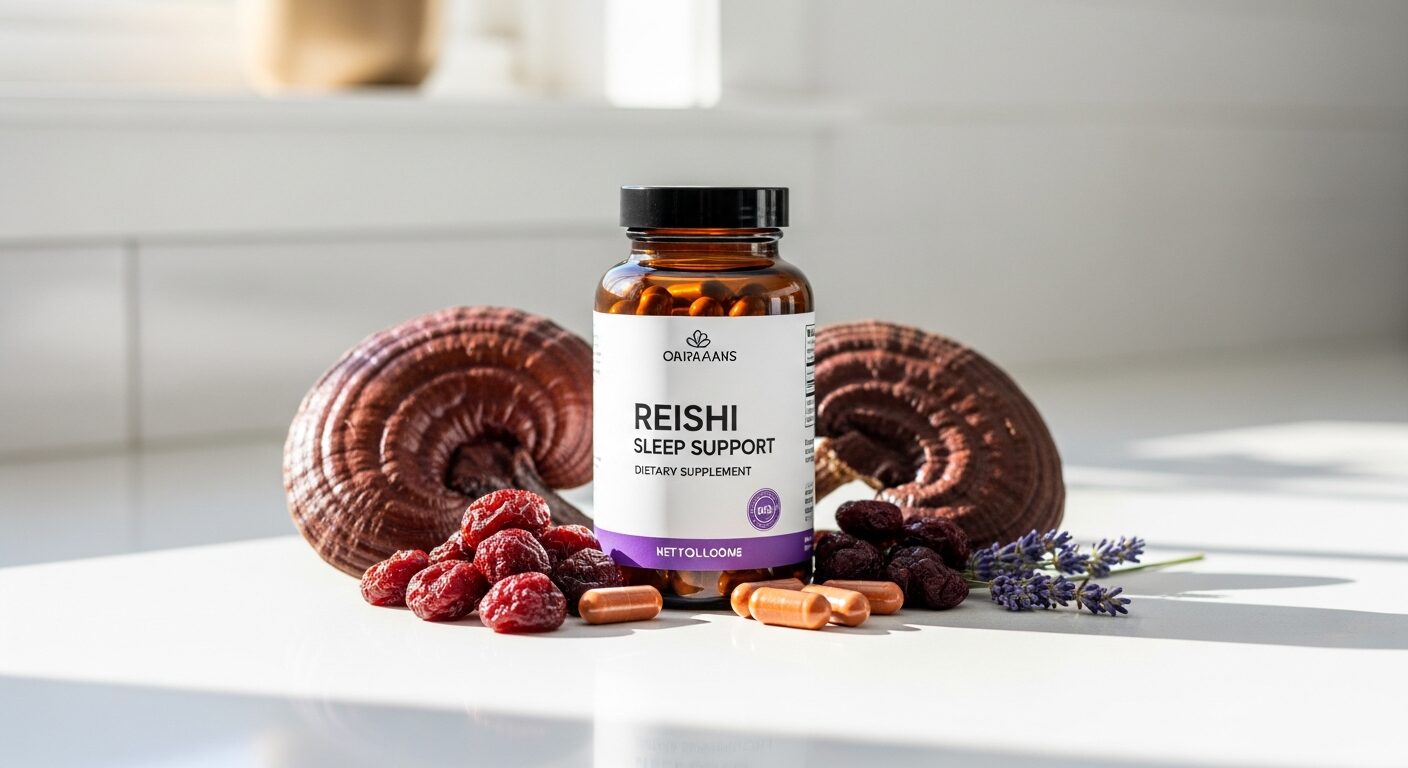
Reishi (Ganoderma lucidum) is a woody, kidney-shaped mushroom with a glossy, varnish-like appearance that ranges from reddish-brown to mahogany in color. Unlike culinary mushrooms you might toss in a stir-fry, reishi is incredibly bitter and tough, making it unsuitable for direct consumption. Instead, it’s typically processed into powders, extracts, or capsules to concentrate its bioactive compounds.
The mushroom grows naturally on decaying hardwood trees in Asia, Europe, and North America, though it’s quite rare in the wild. Most commercial reishi today is cultivated using controlled growing methods that can take several months to produce mature mushrooms. This slow growth contributes to reishi’s higher price point compared to other medicinal mushrooms.
What makes reishi particularly interesting from a scientific standpoint are its unique bioactive compounds, including triterpenes (which give it its bitter taste), beta-glucans, peptidoglycans, and ganoderic acids. These compounds work synergistically to influence various physiological processes, including immune function, stress response, and sleep regulation. The concentration and ratio of these compounds can vary significantly depending on the growing conditions, extraction methods, and processing techniques used.
Key Benefits of Reishi
Research has identified several evidence-based benefits of reishi supplementation, with sleep and stress management being among the most well-documented. A placebo-controlled study published in 2012 found that participants taking reishi extract experienced significant improvements in sleep quality and reduced fatigue compared to the placebo group after eight weeks of supplementation.
Beyond sleep, reishi demonstrates impressive adaptogenic properties, helping the body better manage various forms of stress. The triterpenes in reishi appear to modulate the hypothalamic-pituitary-adrenal (HPA) axis, which governs our stress response. This modulation can lead to more balanced cortisol levels throughout the day, potentially improving both daytime energy and nighttime sleep quality.
Immune system support is another well-researched benefit of reishi. The beta-glucans in the mushroom can enhance immune cell activity while also helping to regulate immune responses, preventing the overactivity that can contribute to inflammation and sleep disruption. Additionally, some studies suggest reishi may support cardiovascular health by helping to maintain healthy blood pressure and cholesterol levels, though more research is needed to confirm these effects.
Emerging research also points to potential cognitive benefits, including improved focus and mental clarity. While not as pronounced as dedicated nootropic compounds, reishi’s ability to reduce mental fatigue and support overall brain health may contribute to better cognitive performance, particularly in individuals dealing with chronic stress or poor sleep quality.
What Most People Get Wrong About Reishi
One of the biggest misconceptions about reishi is that it works like a conventional sleep aid, providing immediate sedating effects within hours of consumption. This expectation leads many people to take reishi right before bed and then conclude it “doesn’t work” when they don’t fall asleep faster that first night. In reality, reishi is not a sedative but rather a regulator that gradually helps restore healthy sleep patterns over weeks or months of consistent use.
Another common myth is that all reishi supplements are essentially the same, leading consumers to simply choose the cheapest option available. The truth is that the quality and potency of reishi products vary dramatically based on cultivation methods, extraction techniques, and standardization processes. Some products contain mostly inactive mushroom mycelium grown on grain, while others feature concentrated extracts of the actual fruiting body with standardized levels of bioactive compounds. The difference in effectiveness can be substantial.
Many people also believe that taking massive doses of reishi will produce faster or better results. This “more is better” mentality ignores the fact that reishi works through subtle regulatory mechanisms rather than pharmacological pathways. Research suggests that moderate, consistent dosing is more effective than sporadic high doses, and taking excessive amounts may actually reduce effectiveness or cause digestive upset in sensitive individuals.
Perhaps the most surprising misconception is that reishi only benefits people with severe sleep disorders. In fact, some of the most compelling research shows benefits for individuals with mild sleep complaints or subclinical stress-related sleep issues. People who consider themselves “normal sleepers” but struggle with sleep quality during stressful periods may actually be ideal candidates for reishi supplementation, as it appears to be particularly effective at preventing stress-induced sleep disruption rather than just treating existing sleep disorders.
What Happens to Your Body After 30 Days of Taking Reishi
During the first week of reishi supplementation, most people notice very subtle changes, if any at all. Some individuals report feeling slightly more relaxed in the evening or experiencing less mental chatter before bed, but these effects are often so mild they might be attributed to placebo. What’s actually happening during this initial period is that reishi’s bioactive compounds are beginning to accumulate in your system and start their gradual influence on stress hormone regulation.
Week two typically brings more noticeable but still subtle improvements. Many users report falling asleep slightly easier and experiencing fewer middle-of-the-night awakenings. Daytime stress levels may begin to feel more manageable, and some people notice they’re less reactive to typical daily stressors. The triterpenes in reishi are beginning to exert their regulatory effects on the nervous system, though full benefits are still developing.
By weeks three and four, the cumulative effects of consistent reishi use become more apparent. Clinical studies indicate that this timeframe is when most people experience meaningful improvements in sleep quality, including deeper sleep phases and more refreshing rest. Users often report waking up feeling more restored and maintaining better energy levels throughout the day. The adaptogenic effects are typically well-established by this point, with improved stress resilience and more balanced mood.
It’s important to note that individual responses vary significantly based on factors like baseline stress levels, sleep quality, overall health status, and the specific reishi product being used. Some people may notice benefits earlier, while others might require 6-8 weeks of consistent use to experience the full effects. The key is maintaining regular dosing rather than expecting immediate results.
Who Should NOT Take Reishi
Individuals taking blood-thinning medications such as warfarin, aspirin, or clopidogrel should exercise caution with reishi supplementation, as it may enhance anticoagulant effects and increase bleeding risk. The triterpenes in reishi can affect platelet aggregation, potentially amplifying the effects of these medications. Anyone on anticoagulant therapy should consult their healthcare provider before starting reishi and may require more frequent blood monitoring if supplementation is approved.
People with autoimmune conditions such as multiple sclerosis, lupus, or rheumatoid arthritis should approach reishi cautiously. While reishi is often marketed as immune-supporting, its immune-modulating effects could potentially interfere with medications used to suppress overactive immune responses. The complex interactions between reishi’s beta-glucans and immune system function make professional medical guidance essential for this population.
Pregnant and breastfeeding women should avoid reishi supplementation due to insufficient safety data. While reishi has a long history of traditional use, there haven’t been adequate studies examining its effects during pregnancy or lactation. The hormonal changes during these periods could interact unpredictably with reishi’s bioactive compounds, making avoidance the most prudent approach.
Individuals scheduled for surgery should discontinue reishi at least two weeks beforehand due to its potential effects on blood clotting and blood pressure. The mushroom’s influence on these parameters could complicate surgical procedures or interact with anesthesia. Additionally, people with very low blood pressure should use reishi cautiously, as it may cause further reductions that could lead to dizziness or fainting.
Anyone taking medications for diabetes, high blood pressure, or other chronic conditions should consult with their healthcare provider before starting reishi, as it may influence blood sugar levels and cardiovascular parameters. Regular monitoring may be necessary to ensure medication dosages remain appropriate.
Dosage and Best Forms
The optimal reishi dosage varies depending on the form and concentration of the product, but research suggests that 1-3 grams daily of standardized extract is effective for most people seeking sleep and stress benefits. Look for products standardized to contain at least 10% beta-glucans and 4% triterpenes, as these compounds are considered primary markers of quality and potency.
Reishi extract capsules are generally preferred over powdered mushroom products because they provide concentrated, standardized amounts of bioactive compounds. Alcohol-water dual extracts are considered the gold standard, as this extraction method captures both water-soluble beta-glucans and alcohol-soluble triterpenes. Avoid products that primarily contain mycelium biomass, as these typically have lower concentrations of the beneficial compounds found in the actual mushroom fruiting body.
Timing can influence effectiveness, with many people finding evening consumption most beneficial for sleep support. However, some individuals prefer morning dosing to support all-day stress resilience. The key is consistency rather than specific timing, so choose a schedule you can maintain long-term.
Quality matters significantly with reishi supplements. Look for products that provide third-party testing results for purity and potency, use organic growing methods, and clearly specify the extraction ratios and standardization levels. Reputable manufacturers will provide detailed information about their sourcing, processing methods, and quality control procedures.
🌿 Looking for Reishi Supplements?
Browse top-rated Reishi supplements, independently tested and recommended by our editorial team.
Affiliate disclosure: We may earn a small commission at no extra cost to you.
Frequently Asked Questions
How long does it take for reishi to improve sleep?
Most people begin noticing subtle improvements in sleep quality within 2-3 weeks of consistent use, with more significant benefits typically emerging after 4-6 weeks. Unlike pharmaceutical sleep aids that work immediately, reishi’s effects build gradually as it helps regulate stress hormones and nervous system function. Patience and consistency are key to experiencing the full benefits.
Can I take reishi with other sleep supplements?
Reishi generally combines well with other natural sleep supports like magnesium, L-theanine, or chamomile, as they work through different mechanisms. However, combining multiple sedating supplements may cause excessive drowsiness in some people. Start with one supplement at a time to assess individual effects before combining, and consult a healthcare provider if you’re taking prescription medications.
Will reishi make me drowsy during the day?
Reishi typically doesn’t cause daytime drowsiness when taken at appropriate doses. In fact, many users report improved daytime energy and mental clarity due to better sleep quality and stress management. If you experience daytime fatigue, you may be taking too high a dose or have underlying health issues that should be evaluated by a healthcare provider.
Is it safe to take reishi every day long-term?
Research and traditional use patterns suggest that daily reishi consumption is generally safe for healthy adults when taken at recommended doses. Some studies have used daily dosing for months without significant adverse effects. However, it’s wise to take periodic breaks every few months and consult with a healthcare provider for personalized guidance, especially if you have underlying health conditions.
What’s the difference between reishi powder and extract?
Reishi powder is typically made from ground dried mushrooms and contains lower concentrations of bioactive compounds, while extracts are concentrated forms that provide standardized amounts of beneficial substances like triterpenes and beta-glucans. Extracts are generally more potent and effective, requiring smaller doses to achieve therapeutic benefits. Quality extracts undergo specialized processing to concentrate and standardize the active compounds.
Medical Disclaimer
The information provided in this article is for educational purposes only and is not intended to diagnose, treat, cure, or prevent any disease. Reishi supplements have not been evaluated by the Food and Drug Administration for medical use. Individual results may vary, and the effectiveness of reishi for sleep support may differ based on personal health status, lifestyle factors, and product quality.
Before starting any new supplement regimen, including reishi, consult with a qualified healthcare provider, especially if you have existing medical conditions, take prescription medications, are pregnant or nursing, or have concerns about potential interactions. If you experience any adverse reactions while taking reishi, discontinue use immediately and seek medical attention.
This article does not constitute medical advice, and readers should not rely solely on this information for making health-related decisions. Always work with your healthcare team to develop a comprehensive approach to sleep health and overall wellness.