
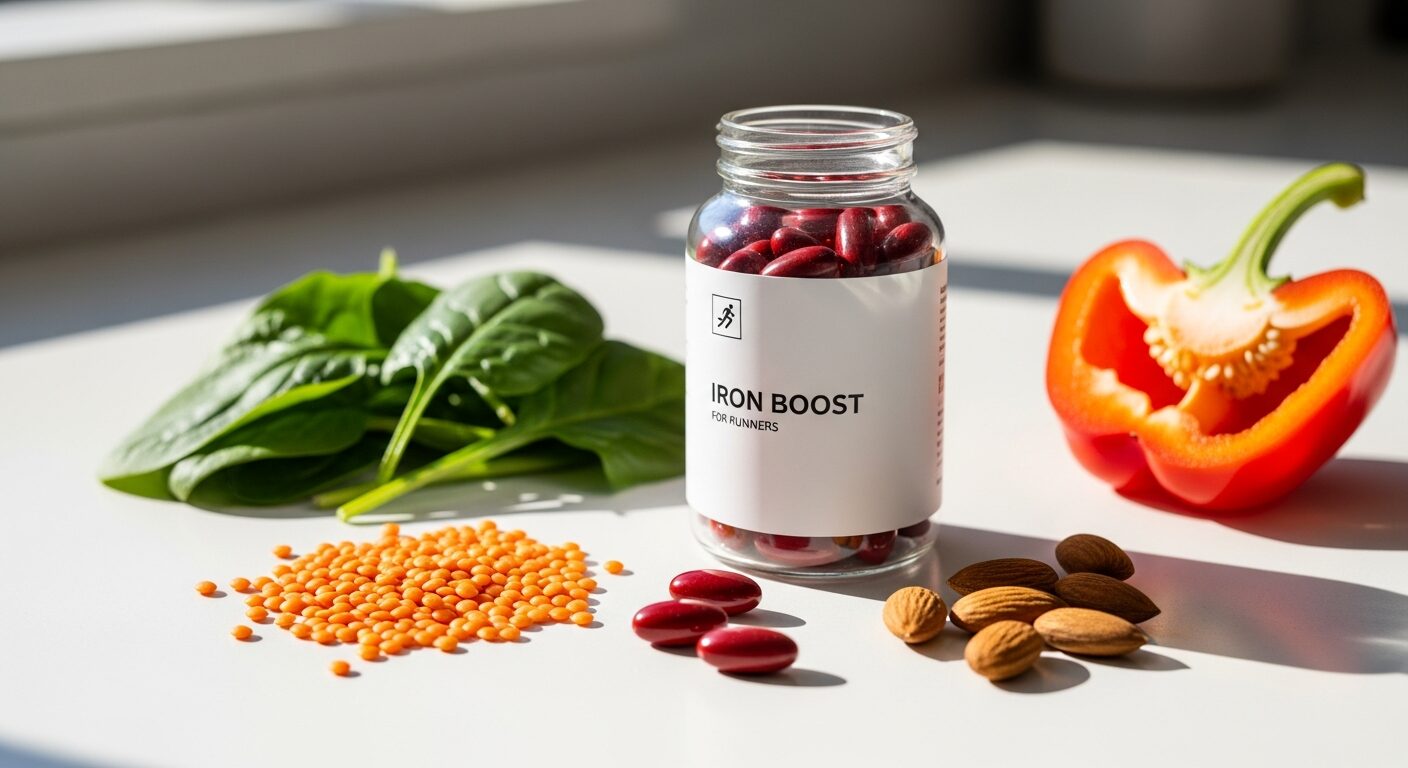
Running places unique demands on your body, and perhaps no nutrient is more critical to your performance than iron. This essential mineral powers oxygen transport, energy production, and muscle function – all crucial elements for runners seeking to optimize their training and racing capabilities. Yet iron deficiency remains surprisingly common among endurance athletes, with studies showing that up to 25% of female runners and 11% of male runners experience some form of iron depletion.
The relationship between iron status and running performance is profound. When your iron levels are optimal, your muscles receive adequate oxygen, your energy systems function efficiently, and your recovery improves dramatically. However, when iron stores become depleted, even elite runners can experience dramatic performance drops, increased fatigue, and prolonged recovery times. Understanding how to properly supplement with iron can mean the difference between breakthrough performances and frustrating plateaus.
This comprehensive guide examines the science behind iron supplementation for runners, addressing common misconceptions, optimal dosing strategies, and the realistic timeline for seeing results. Whether you’re dealing with diagnosed iron deficiency or looking to optimize your iron status for peak performance, the evidence-based insights ahead will help you make informed decisions about this critical nutrient.
🌿 Looking for Iron supplements? Shop Amazon →
Contents
What is Iron
Iron is an essential trace mineral that serves as the cornerstone of oxygen transport and energy production in the human body. Unlike many other nutrients, iron cannot be synthesized by your body and must be obtained through diet or supplementation. This mineral exists in two primary dietary forms: heme iron, found in animal products, and non-heme iron, present in plant-based foods and most supplements.
Within your body, iron performs several critical functions. Approximately 70% of your body’s iron is incorporated into hemoglobin, the protein in red blood cells responsible for carrying oxygen from your lungs to working muscles. Another significant portion resides in myoglobin, a protein that stores oxygen within muscle tissue itself. The remaining iron supports various enzymatic processes involved in energy metabolism, DNA synthesis, and immune function.
For runners, iron’s role in the electron transport chain is particularly significant. This biochemical process occurs within cellular mitochondria and is responsible for producing ATP, the primary energy currency your muscles use during exercise. When iron levels are inadequate, this energy production system becomes compromised, leading to decreased endurance capacity and increased perceived exertion during training.
Key Benefits of Iron
Iron supplementation offers several scientifically-validated benefits for runners, particularly those with suboptimal iron status. The most immediate and noticeable benefit is improved oxygen delivery to working muscles. When iron stores are replenished, hemoglobin production increases, allowing each red blood cell to carry more oxygen. This enhanced oxygen-carrying capacity directly translates to improved aerobic performance and reduced fatigue during endurance activities.
Enhanced energy production represents another crucial benefit of adequate iron status. Iron-dependent enzymes in the mitochondrial electron transport chain become more active when iron availability increases. This improved enzymatic function leads to more efficient ATP production, providing runners with sustained energy during long training sessions and competitions. Many athletes report feeling less fatigued during daily activities and experiencing improved training motivation when their iron status normalizes.
Iron supplementation also supports improved recovery between training sessions. Adequate iron levels facilitate better oxygen delivery to recovering muscles and support the synthesis of new proteins required for muscle repair and adaptation. Additionally, iron plays a role in immune system function, helping runners maintain consistent training by reducing the frequency and severity of upper respiratory infections that commonly affect endurance athletes.
Temperature regulation during exercise also improves with optimal iron status. Iron deficiency can impair the body’s ability to regulate core temperature during prolonged exercise, leading to earlier onset of heat-related fatigue. Runners who correct iron deficiency often notice improved heat tolerance and better performance in warm weather conditions.
What Most People Get Wrong About Iron
One of the most pervasive misconceptions about iron is that higher doses always lead to better results. Many runners believe that if some iron is good, more must be better, leading them to take excessive amounts. However, iron absorption actually decreases as dosage increases due to a regulatory mechanism called the mucosal block. Taking large doses can saturate absorption pathways, leading to gastrointestinal side effects without providing additional benefits. Furthermore, excess iron can generate harmful free radicals and interfere with the absorption of other essential minerals like zinc and copper.
Another common myth is that iron deficiency only affects women. While women face higher iron needs due to menstrual losses, male runners are also susceptible to iron depletion through several mechanisms. Foot-strike hemolysis, where red blood cells are damaged during ground impact, affects all runners regardless of gender. Additionally, increased iron losses through sweat and gastrointestinal bleeding during intense exercise can deplete iron stores in male athletes. Studies show that up to 11% of male endurance athletes experience iron deficiency, making regular monitoring important for all runners.
Many people incorrectly assume that eating iron-rich foods alone is sufficient to prevent deficiency in runners. While dietary iron is important, runners have significantly higher iron requirements than sedentary individuals due to increased losses and demands. The bioavailability of iron from plant sources is also much lower than from animal sources, making it particularly challenging for vegetarian and vegan runners to meet their needs through food alone. Even runners who consume adequate dietary iron may require supplementation during periods of intense training or if they have genetic variations affecting iron absorption.
Perhaps the most dangerous misconception is that iron supplementation is always safe and doesn’t require medical oversight. Some individuals have genetic conditions like hereditary hemochromatosis, which causes excessive iron accumulation in organs. For these individuals, iron supplementation can lead to serious complications including liver damage, heart problems, and diabetes. Additionally, certain medications and medical conditions can be affected by iron supplementation, making professional guidance essential for safe and effective use.
What Happens to Your Body After 30 Days of Taking Iron
During the first week of iron supplementation, your body begins absorbing and storing the additional iron, though noticeable changes in how you feel may be minimal. At the cellular level, iron absorption increases in the small intestine, and the mineral begins accumulating in storage sites like the liver, spleen, and bone marrow. Some individuals with severe iron deficiency may notice slight improvements in energy levels during this initial phase, though most physiological changes are not yet apparent. Gastrointestinal side effects, if they occur, typically manifest during this first week as your digestive system adjusts to the supplement.
Week two marks the beginning of more noticeable physiological changes. Your bone marrow begins utilizing the newly available iron to produce healthier red blood cells with improved hemoglobin content. While your overall red blood cell count hasn’t dramatically increased yet, the quality of newly formed cells begins to improve. Many runners report subtle improvements in their perceived exertion during easy runs and may notice they’re not getting winded as quickly during daily activities. Sleep quality often begins to improve during this period, as iron deficiency is associated with restless leg syndrome and other sleep disturbances.
Weeks three and four represent the period when the most significant benefits become apparent. Research published in the Journal of Nutrition shows that iron supplementation for 4 weeks significantly improved exercise performance in iron-deficient women, 2015. During this timeframe, your hemoglobin levels begin to normalize, leading to improved oxygen-carrying capacity throughout your body. Runners typically notice enhanced endurance during longer training sessions, improved recovery between workouts, and better maintenance of pace during tempo runs and intervals. The improved oxygen delivery also supports better cognitive function, with many athletes reporting enhanced focus and mental clarity during both training and daily activities.
By the end of 30 days, laboratory markers typically show meaningful improvements. Serum ferritin levels, which reflect iron stores, usually increase substantially from baseline values. Hemoglobin concentrations also begin rising toward normal ranges, though complete normalization may take several additional weeks depending on the severity of initial deficiency. The combination of improved iron stores and better oxygen-carrying capacity creates a foundation for sustained performance improvements that continue to develop beyond the initial month of supplementation.
Who Should NOT Take Iron
Individuals with hereditary hemochromatosis should absolutely avoid iron supplementation without specific medical supervision. This genetic condition affects iron metabolism, causing excessive iron absorption and accumulation in vital organs including the liver, heart, and pancreas. Iron supplementation in these individuals can accelerate organ damage and lead to serious complications including cirrhosis, heart failure, and diabetes. Anyone with a family history of hemochromatosis or unexplained organ dysfunction should undergo genetic testing before beginning iron supplementation.
People with certain chronic inflammatory conditions should exercise caution with iron supplementation. Conditions such as rheumatoid arthritis, inflammatory bowel disease, and chronic kidney disease can alter iron metabolism and increase the risk of iron accumulation. Additionally, some bacterial infections can be exacerbated by iron supplementation, as many pathogenic bacteria require iron for growth and reproduction. Individuals with active infections should resolve these conditions before starting iron supplements.
Iron supplementation can interact significantly with several common medications. Proton pump inhibitors and H2 blockers, used for acid reflux, reduce stomach acid production and significantly impair iron absorption. Antibiotics, particularly tetracyclines and quinolones, can bind with iron and reduce the effectiveness of both the antibiotic and the iron supplement. Thyroid medications like levothyroxine should be separated from iron supplements by at least four hours, as iron can reduce thyroid hormone absorption. Additionally, iron can reduce the effectiveness of certain Parkinson’s disease medications and some blood pressure medications.
Pregnant women require special consideration regarding iron supplementation. While pregnancy increases iron requirements significantly, the dosage and timing of supplementation should be determined by healthcare providers based on individual iron status and other factors. Excessive iron during pregnancy can potentially cause complications, while insufficient iron can lead to preterm delivery and low birth weight. Similarly, elderly individuals may have altered iron metabolism and increased risk of medication interactions, making medical supervision particularly important for this population.
Dosage and Best Forms
The optimal iron dosage for runners varies significantly based on individual iron status, body weight, and training demands. For preventing deficiency in runners with normal iron stores, doses of 18-25mg daily are typically sufficient. However, individuals with diagnosed iron deficiency may require higher therapeutic doses of 50-100mg daily under medical supervision. Studies indicate that moderate doses of iron (around 80mg daily) are often as effective as higher doses while causing fewer gastrointestinal side effects, 2017.
Iron bisglycinate chelate represents one of the most bioavailable and well-tolerated forms of iron supplementation. This form binds iron to amino acids, protecting it from interactions with other nutrients and reducing gastrointestinal irritation. Ferrous sulfate, while less expensive and widely available, tends to cause more digestive side effects but remains highly effective when taken properly. Ferrous fumarate and ferrous gluconate offer middle-ground options with reasonable bioavailability and moderate tolerability.
Timing and co-factors significantly influence iron absorption efficiency. Taking iron supplements on an empty stomach maximizes absorption, though this approach may increase gastrointestinal side effects. Vitamin C enhances iron absorption significantly, so taking iron with citrus fruits, bell peppers, or a vitamin C supplement can improve utilization. Conversely, calcium, coffee, tea, and fiber can inhibit iron absorption and should be avoided within two hours of iron supplementation. For runners who experience stomach upset, taking iron with a small amount of food can improve tolerance while still maintaining reasonable absorption.
Runners should consider cycling their iron supplementation rather than taking it continuously long-term. Many experts recommend supplementing for 8-12 weeks, then reassessing iron status through laboratory testing. This approach prevents excessive iron accumulation while ensuring adequate repletion of iron stores. During periods of intense training or at high altitude, iron requirements may increase temporarily, necessitating adjusted dosing strategies.
🌿 Looking for Iron Supplements?
Browse top-rated Iron supplements, independently tested and recommended by our editorial team.
Affiliate disclosure: We may earn a small commission at no extra cost to you.
Frequently Asked Questions
Can I take iron with my morning coffee?
No, coffee significantly reduces iron absorption due to compounds called tannins that bind to iron and prevent its uptake. You should wait at least two hours after taking iron before consuming coffee, tea, or other caffeinated beverages. If you’re a regular coffee drinker, consider taking your iron supplement in the evening or with lunch instead of breakfast to avoid this interaction.
How long does it take to see improvements in running performance?
Most runners with iron deficiency notice initial improvements in energy levels within 2-3 weeks of starting supplementation. Measurable improvements in running performance typically occur after 4-6 weeks when hemoglobin levels begin to normalize. However, complete repletion of iron stores can take 3-6 months depending on the severity of initial deficiency and individual absorption rates.
Should vegetarian runners take higher doses of iron?
Vegetarian and vegan runners may need higher iron intake due to the lower bioavailability of plant-based iron sources, but higher supplement doses aren’t necessarily the answer. Instead, focus on optimizing absorption by combining iron supplements with vitamin C, avoiding inhibitors like calcium and coffee, and considering more bioavailable forms like iron bisglycinate. Regular monitoring of iron status is particularly important for plant-based athletes.
Is it normal to experience constipation when taking iron?
Constipation is a common side effect of iron supplementation, affecting up to 20% of users. This occurs because iron can slow intestinal motility and alter gut bacteria. To minimize this effect, start with lower doses and gradually increase, ensure adequate fluid intake, consume fiber-rich foods away from iron dosing times, and consider switching to a more gentle form like iron bisglycinate if problems persist.
Can iron supplements cause weight gain?
Iron supplements themselves don’t directly cause weight gain. However, correcting iron deficiency can lead to improved energy levels and appetite, which might result in increased food intake. Additionally, some people retain slightly more water when iron status improves due to better cellular function. Any weight changes are typically modest and reflect improved health rather than fat accumulation.
Medical Disclaimer
The information provided in this article is for educational purposes only and should not be considered medical advice. Iron supplementation can have significant effects on health and may interact with medications or underlying medical conditions. Before starting any iron supplement regimen, consult with a healthcare provider who can assess your individual iron status through appropriate laboratory testing and medical evaluation.
This article does not constitute a doctor-patient relationship, and the authors and NaturStack are not responsible for any adverse effects that may result from the use of the information provided. Individual responses to iron supplementation vary significantly, and professional monitoring is essential for safe and effective use, particularly in athletes with high training volumes, 2019. Always seek professional medical guidance before making significant changes to your supplement routine, especially if you have existing health conditions or take medications.