
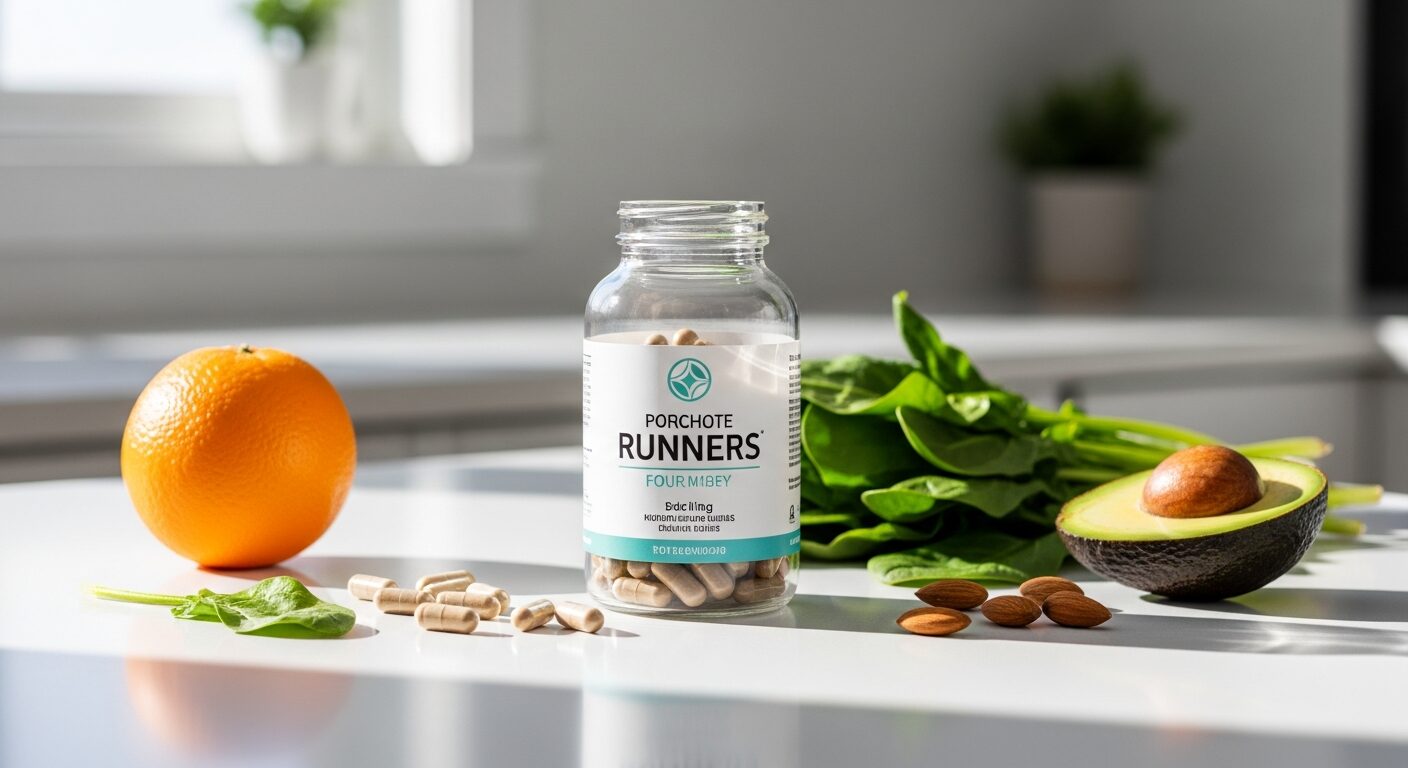
Running is more than just putting one foot in front of the other – it’s a demanding athletic pursuit that places significant stress on your body’s systems. Whether you’re training for your first 5K or preparing for an ultramarathon, your nutritional needs extend far beyond what food alone can provide. The repetitive impact, increased oxygen demands, and elevated metabolic requirements of running create unique physiological challenges that targeted supplementation can help address.
While a well-balanced diet forms the foundation of any runner’s nutrition plan, strategic supplementation can bridge nutritional gaps, enhance performance, and accelerate recovery. The key lies in understanding which supplements offer genuine benefits backed by scientific research, rather than falling for marketing hype. From supporting energy production at the cellular level to reducing exercise-induced inflammation, the right supplements can make the difference between struggling through your training and thriving as a runner.
This comprehensive guide examines the most effective supplements for runners, backed by peer-reviewed research and real-world application. We’ll explore not just what works, but why it works, helping you make informed decisions about your supplementation strategy.
🌿 Looking for supplements supplements? Shop Amazon →
Contents
- 1 What Are Supplements for Runners
- 2 Key Benefits of Supplements for Runners
- 3 What Most People Get Wrong About Supplements for Runners
- 4 What Happens to Your Body After 30 Days of Taking Supplements
- 5 Who Should NOT Take Supplements for Runners
- 6 Dosage and Best Forms
- 7 Frequently Asked Questions
- 8 Medical Disclaimer
What Are Supplements for Runners
Supplements for runners are concentrated forms of nutrients, compounds, or botanicals designed to support the unique physiological demands of running and endurance training. Unlike general health supplements, runner-specific supplements target the metabolic pathways most stressed during aerobic exercise: energy production, oxygen utilization, muscle protein synthesis, and inflammatory response.
These supplements fall into several categories. Performance enhancers work to improve running capacity, speed, and endurance through mechanisms like increased oxygen delivery or enhanced energy metabolism. Recovery supplements focus on reducing muscle damage, accelerating tissue repair, and replenishing depleted nutrients. Foundational supplements address the increased nutritional needs that come with regular training, ensuring optimal levels of vitamins and minerals essential for athletic performance.
The most effective supplements for runners include creatine monohydrate for explosive power and recovery, beta-alanine for muscular endurance, iron for oxygen transport, magnesium for muscle function, omega-3 fatty acids for inflammation control, and vitamin D for bone health and immune function. Each serves a specific purpose in the complex machinery of human performance.
Key Benefits of Supplements for Runners
The primary benefit of strategic supplementation lies in optimizing energy systems that fuel running performance. Creatine supplementation increases phosphocreatine stores in muscles, providing rapid energy for high-intensity efforts and improving recovery between training sessions. Research demonstrates that creatine can enhance repeated sprint performance and reduce exercise-induced muscle damage, particularly beneficial for runners incorporating speed work and hill training.
Endurance capacity receives significant support from supplements like beta-alanine, which increases muscle carnosine levels. This buffering system helps neutralize the acid buildup that causes that burning sensation during intense efforts. Studies show beta-alanine supplementation can improve time to exhaustion in efforts lasting 1-4 minutes, directly translating to better performance in middle-distance events and finishing kicks.
Recovery acceleration represents another crucial benefit. Omega-3 fatty acids, particularly EPA and DHA, reduce exercise-induced inflammation and muscle soreness. The anti-inflammatory effects of omega-3 supplementation in athletes, 2014 demonstrates how these essential fats can decrease markers of muscle damage and improve recovery times between training sessions.
Iron supplementation addresses one of the most common deficiencies in runners, particularly females. Iron deficiency, even without anemia, can significantly impair oxygen delivery and endurance performance. Correcting iron status through supplementation can lead to dramatic improvements in running performance and reduced fatigue levels.
What Most People Get Wrong About Supplements for Runners
The most pervasive myth surrounding runner supplements is that more is always better. Many athletes assume that if a recommended dose provides benefits, doubling or tripling that dose will yield proportionally better results. This approach not only wastes money but can actually harm performance and health. Iron supplementation exemplifies this perfectly – while correcting a deficiency dramatically improves performance, excess iron becomes pro-oxidant, potentially increasing exercise-induced oxidative stress and impairing recovery.
Another widespread misconception is that supplements work immediately upon consumption. Athletes often expect to feel energized or perform better within hours of taking a new supplement. The reality is that most performance-enhancing supplements require weeks of consistent use to build tissue levels and create physiological adaptations. Beta-alanine, for instance, requires 4-6 weeks of daily supplementation to meaningfully increase muscle carnosine levels.
Perhaps the most dangerous myth is that supplements can compensate for poor training or inadequate sleep. Some runners view supplements as a shortcut to better performance, neglecting fundamental aspects of training adaptation. While supplements can enhance the results of proper training, they cannot create fitness or replace the physiological adaptations that come from consistent, progressive training loads.
Many runners also believe that expensive, proprietary blends are superior to single-ingredient supplements with established dosing protocols. Marketing often trumpets “advanced formulas” and “synergistic blends,” but research consistently shows that simple, properly dosed single ingredients outperform complex mixtures where individual components are under-dosed. The supplement industry thrives on complexity, but physiology favors simplicity and adequate dosing.
What Happens to Your Body After 30 Days of Taking Supplements
During the first week of strategic supplementation, your body begins the process of tissue loading and metabolic adaptation. With creatine supplementation, muscle phosphocreatine stores start increasing within 3-5 days, though peak levels won’t be reached for another week. You might notice slightly improved recovery between high-intensity intervals, though dramatic performance changes are unlikely at this stage. Iron supplementation begins affecting red blood cell production, but new cells won’t reach circulation for several days.
Week two brings more noticeable physiological changes. Beta-alanine supplementation and exercise performance, 2011 shows that muscle carnosine levels begin rising significantly after 10-14 days of consistent supplementation. Runners often report being able to maintain harder efforts for longer periods, particularly during tempo runs and track workouts. Omega-3 supplementation starts exerting anti-inflammatory effects, potentially reducing post-run soreness and stiffness.
By weeks three and four, the full benefits of supplementation become apparent. Creatine stores have reached saturation, providing maximum support for power output and recovery. Beta-alanine has significantly increased buffering capacity, allowing you to handle lactate accumulation more effectively. Iron-deficient runners who have corrected their status often experience dramatic improvements in perceived effort at given paces – runs that previously felt challenging now feel comfortable.
The cumulative effect after 30 days represents optimized physiological function rather than artificial enhancement. Your energy systems work more efficiently, recovery occurs more rapidly, and your capacity to handle training stress increases. These adaptations compound over time, making the 30-day mark just the beginning of long-term performance improvements.
Who Should NOT Take Supplements for Runners
Individuals with certain medical conditions should avoid specific supplements or use them only under medical supervision. Those with hemochromatosis or other iron storage disorders must avoid iron supplementation, as excess iron accumulation can damage organs. Similarly, individuals with kidney disease should be cautious with creatine supplementation and require medical oversight to monitor kidney function.
Pregnant and breastfeeding women need special consideration regarding supplement use. While some supplements like iron and omega-3s may be beneficial during pregnancy, others like beta-alanine lack sufficient safety data in this population. High-dose vitamin supplementation can also pose risks to developing fetuses, making medical consultation essential.
Drug interactions present another crucial consideration. Omega-3 supplements can increase bleeding risk in individuals taking anticoagulant medications. Iron supplements interfere with the absorption of certain antibiotics and thyroid medications, requiring careful timing of administration. Athletes taking any prescription medications should consult healthcare providers before beginning supplementation.
Individuals with certain genetic variations may not respond to specific supplements or may require modified dosing. Some people are non-responders to creatine supplementation due to genetic factors affecting muscle creatine transport. Others may have increased sensitivity to certain compounds, requiring lower starting doses and gradual increases.
Dosage and Best Forms
Creatine monohydrate remains the gold standard, with an optimal dosing protocol of 3-5 grams daily after an optional loading phase. Loading involves taking 20 grams daily for 5-7 days, divided into 4 doses, followed by the maintenance dose. While loading accelerates results, consistent daily dosing achieves the same tissue saturation over 3-4 weeks.
Beta-alanine requires 3-5 grams daily, preferably divided into smaller doses to minimize the harmless but uncomfortable tingling sensation. Time-release formulations or dividing doses throughout the day improves tolerance while maintaining effectiveness. Optimal dosing for beta-alanine supplementation, 2012 confirms that divided dosing maximizes muscle carnosine accumulation while minimizing side effects.
Iron supplementation should be based on laboratory testing rather than assumptions. For runners with confirmed deficiency, 18-30 mg of elemental iron daily, taken on an empty stomach with vitamin C, optimizes absorption. Ferrous sulfate, ferrous fumarate, and ferrous gluconate are equally effective forms, though some individuals tolerate one form better than others.
Omega-3 supplementation requires 1-3 grams daily of combined EPA and DHA, with higher EPA ratios potentially providing superior anti-inflammatory effects. Triglyceride forms offer better absorption than ethyl ester forms, particularly when taken with meals containing fat.
Magnesium needs vary based on training volume and individual factors, but 200-400 mg daily covers most runners’ needs. Magnesium glycinate and magnesium malate offer superior absorption compared to magnesium oxide, which can cause digestive upset.
🌿 Looking for supplements Supplements?
Browse top-rated supplements supplements, independently tested and recommended by our editorial team.
Affiliate disclosure: We may earn a small commission at no extra cost to you.
Frequently Asked Questions
Can I take all these supplements together safely?
Most supplements for runners can be taken together safely, but timing matters for optimal absorption. Take iron on an empty stomach away from other minerals, omega-3s with meals containing fat, and creatine post-workout with carbohydrates. Spreading supplements throughout the day prevents competition for absorption pathways and reduces the likelihood of digestive upset.
How long should I cycle on and off supplements?
Foundational supplements like omega-3s, magnesium, and iron (if deficient) can be taken year-round. Performance supplements like creatine and beta-alanine don’t require cycling but may be prioritized during specific training phases. Many runners use higher doses during intense training periods and maintenance doses during base building or recovery phases.
Will supplements show up on drug tests for competitions?
The supplements discussed in this article are not banned by major athletic organizations. However, supplement manufacturing can sometimes lead to contamination with prohibited substances. Choose products that are third-party tested for banned substances, particularly if you compete in tested events. NSF Certified for Sport and Informed Sport are reliable certification programs.
Do I need different supplements for different types of running?
Training focus can influence supplement priorities. Sprinters and middle-distance runners may emphasize creatine and beta-alanine for power and lactate buffering. Ultra-endurance runners might prioritize omega-3s for inflammation control and electrolyte replacement. However, foundational supplements benefit all running disciplines.
Are natural whole food supplements better than synthetic ones?
The source matters less than the final molecular structure and bioavailability. Synthetic vitamin D3 is identical to naturally derived vitamin D3 at the molecular level. However, some compounds like omega-3s may have better absorption profiles from certain sources. Focus on quality, purity, and proper dosing rather than natural versus synthetic distinctions.
Medical Disclaimer
This information is for educational purposes only and is not intended as medical advice. The content should not replace professional medical consultation, diagnosis, or treatment. Individual responses to supplements vary significantly based on genetics, health status, training load, and other factors. Before beginning any supplementation program, consult with qualified healthcare providers, particularly if you have existing medical conditions, take prescription medications, or are pregnant or nursing.
Supplement regulations vary by country, and product quality can vary significantly between manufacturers. Always choose reputable brands that undergo third-party testing for purity and potency. Monitor your body’s response to supplementation and discontinue use if adverse effects occur. Regular monitoring through laboratory testing may be appropriate for certain supplements, particularly iron and vitamin D.