
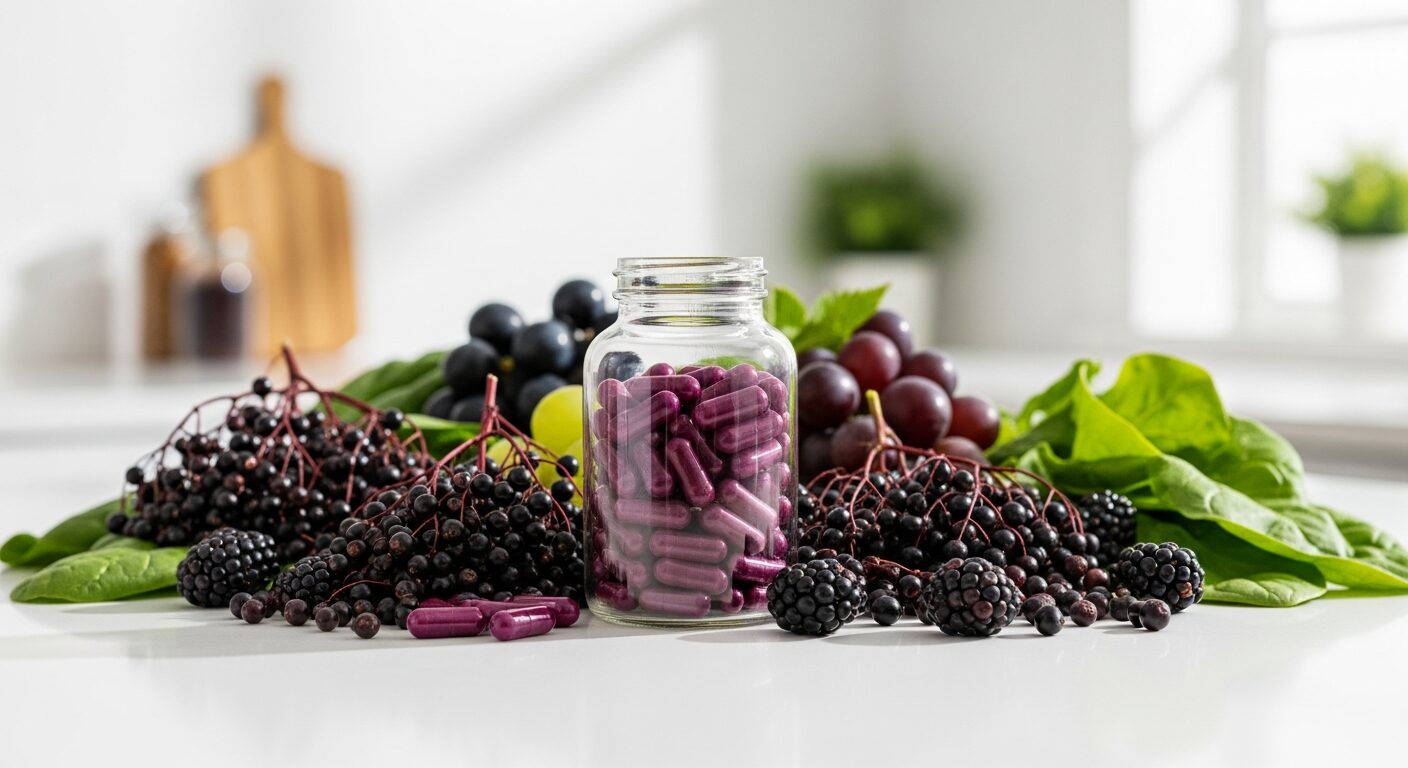
Elderberry supplements have surged in popularity as people seek natural ways to support their immune system and overall health. This dark purple berry, scientifically known as Sambucus nigra, has been used medicinally for centuries across various cultures. Today, modern research is validating many of the traditional uses of this powerful fruit, making elderberry one of the most studied and trusted natural supplements available.
With countless elderberry products flooding the market, choosing the right supplement can feel overwhelming. From gummies to syrups to standardized extracts, each form offers different benefits and potency levels. Understanding the science behind elderberry, its mechanisms of action, and what to look for in a quality supplement will help you make an informed decision that aligns with your health goals.
This comprehensive guide examines the latest research on elderberry supplementation, debunks common misconceptions, and provides practical guidance on dosage, timing, and potential interactions. Whether you’re new to elderberry or looking to optimize your current supplementation routine, this evidence-based analysis will help you navigate the complex world of elderberry supplements with confidence.
🌿 Looking for Elderberry supplements? Shop Amazon →
Contents
- 1 What is Elderberry
- 2 Key Benefits of Elderberry
- 3 What Most People Get Wrong About Elderberry
- 4 What Happens to Your Body After 30 Days of Taking Elderberry
- 5 Who Should NOT Take Elderberry
- 6 Dosage and Best Forms
- 7 Frequently Asked Questions
- 7.1 Can elderberry supplements interact with prescription medications?
- 7.2 How long does it take to see results from elderberry supplementation?
- 7.3 Is it safe to take elderberry year-round?
- 7.4 What’s the difference between European elderberry and American elderberry?
- 7.5 Can children take elderberry supplements safely?
- 8 Medical Disclaimer
What is Elderberry
Elderberry refers to the fruit of the elder tree (Sambucus nigra), a flowering plant native to Europe and North America. These small, dark purple berries grow in clusters and have been harvested for both culinary and medicinal purposes for over 2,500 years. Ancient Egyptians, Greeks, and Native Americans all recognized the therapeutic potential of elderberries, using them to treat various ailments from infections to inflammation.
The therapeutic power of elderberry lies in its exceptional concentration of bioactive compounds. These berries are particularly rich in anthocyanins, the same antioxidant compounds that give blueberries and blackberries their deep color. Elderberries contain significantly higher levels of anthocyanins than most other berries, with cyanidin-3-glucoside and cyanidin-3-sambubioside being the predominant forms.
Beyond anthocyanins, elderberries provide substantial amounts of vitamin C, dietary fiber, and phenolic acids. They also contain flavonoids like quercetin and kaempferol, which contribute to their anti-inflammatory and immune-supporting properties. Modern elderberry supplements typically use standardized extracts that concentrate these active compounds, providing consistent potency that raw berries cannot match.
It’s important to note that only the ripe, dark purple elderberries from Sambucus nigra are considered safe for consumption. Other parts of the elder plant, including the bark, seeds, and leaves, contain compounds that can be toxic. Raw elderberries also contain small amounts of cyanogenic glycosides, which is why commercial elderberry supplements use processed extracts that eliminate these potentially harmful compounds while preserving the beneficial ones.
Key Benefits of Elderberry
Scientific research has identified several key health benefits associated with elderberry supplementation, with immune system support being the most well-documented effect. A randomized, double-blind, placebo-controlled study, 2016 demonstrated that elderberry extract significantly reduced the duration and severity of upper respiratory symptoms in air travelers, with participants experiencing symptoms for an average of 4.75 days compared to 6.88 days in the placebo group.
The immune-supporting effects of elderberry appear to work through multiple mechanisms. The anthocyanins in elderberry have been shown to enhance the production of cytokines, which are signaling proteins that help coordinate the immune response. Additionally, elderberry compounds may help prevent viral particles from entering cells and replicating, though more research is needed to fully understand these antiviral mechanisms.
Elderberry’s high antioxidant content provides significant protection against oxidative stress, which is linked to numerous chronic diseases and aging processes. The ORAC (Oxygen Radical Absorbance Capacity) value of elderberries is among the highest of all fruits, indicating exceptional free radical scavenging ability. This antioxidant activity may help protect cardiovascular health, support cognitive function, and reduce inflammation throughout the body.
Emerging research suggests elderberry may also support metabolic health. Some studies indicate that elderberry anthocyanins can help regulate blood sugar levels and improve insulin sensitivity, though these effects have primarily been observed in animal studies. The anti-inflammatory properties of elderberry may also contribute to better joint health and reduced markers of systemic inflammation.
What Most People Get Wrong About Elderberry
Despite elderberry’s growing popularity, several persistent misconceptions continue to circulate, leading to unrealistic expectations and suboptimal supplementation practices. Understanding these myths is crucial for making informed decisions about elderberry supplementation.
Myth 1: All Elderberry Products Are the Same
Many consumers assume that elderberry gummies, syrups, and standardized extracts provide equivalent benefits, but this couldn’t be further from the truth. The concentration of active compounds varies dramatically between different forms. Most elderberry gummies contain only small amounts of actual elderberry extract, often diluted with sugars and artificial flavors. Standardized extracts, particularly those concentrated to specific anthocyanin levels, provide far more potent and consistent effects. When comparing products, look for supplements that specify their anthocyanin content rather than just listing “elderberry fruit” in the ingredients.
Myth 2: More Elderberry Always Means Better Results
The “more is better” mentality has led many people to consume excessive amounts of elderberry supplements, assuming higher doses will provide superior benefits. However, research suggests that elderberry follows a dose-response curve with an optimal range. Clinical studies, 2004 have shown that moderate, consistent dosing (typically 300-600mg of standardized extract daily) provides optimal immune support, while excessive doses may actually overstimulate the immune system in some individuals.
Myth 3: Elderberry Can Prevent All Types of Illness
While elderberry has demonstrated impressive immune-supporting properties, it’s not a magic bullet that prevents all infections or health issues. The research primarily focuses on upper respiratory tract symptoms and certain viral infections. Elderberry should be viewed as one component of a comprehensive approach to immune health that includes proper nutrition, adequate sleep, regular exercise, and stress management. Setting realistic expectations helps ensure satisfaction with supplementation results.
Myth 4: Raw Elderberries Are Superior to Supplements
Some health enthusiasts believe that consuming raw elderberries provides superior benefits compared to processed supplements. This assumption ignores both safety concerns and bioavailability factors. Raw elderberries contain compounds that can cause digestive upset and may even be mildly toxic in large quantities. Professional extraction processes not only remove these problematic compounds but also concentrate the beneficial anthocyanins to therapeutic levels that would be impossible to achieve through raw berry consumption alone.
What Happens to Your Body After 30 Days of Taking Elderberry
Understanding the timeline of elderberry’s effects can help set appropriate expectations and optimize supplementation strategies. The body’s response to elderberry supplementation typically follows a predictable pattern, with different benefits becoming apparent at various stages.
Week 1: Initial Immune System Activation
During the first week of elderberry supplementation, your immune system begins responding to the influx of anthocyanins and other bioactive compounds. Many users report feeling more energetic, though this effect is often subtle. At the cellular level, elderberry compounds are beginning to enhance cytokine production and improve the communication between immune cells. Some individuals may experience mild digestive adjustment as their system adapts to the new supplement, particularly if starting with higher doses.
Week 2: Enhanced Antioxidant Protection
By the second week, elderberry’s antioxidant effects become more pronounced. The body’s antioxidant enzyme systems begin to upregulate in response to the consistent supply of anthocyanins. Users often report improved recovery from physical exercise and better overall stamina. This is when many people first notice that they feel more resilient to environmental stressors and daily fatigue. Blood markers of oxidative stress typically begin showing improvement during this timeframe in clinical studies.
Week 3-4: Full Immune Optimization
The most significant benefits of elderberry supplementation typically become apparent in weeks three and four. Research indicates, 2019 that consistent elderberry supplementation for at least 15 days is necessary to achieve optimal immune system modulation. During this period, users often report feeling more robust overall, with improved resistance to seasonal challenges. The anti-inflammatory effects of elderberry may also become noticeable, with some individuals experiencing reduced joint stiffness or improved recovery from minor injuries.
It’s important to note that individual responses can vary significantly based on factors such as baseline health status, diet quality, stress levels, and sleep patterns. Those with compromised immune systems or higher oxidative stress levels may notice benefits sooner, while healthy individuals might experience more subtle improvements. Consistency is key to achieving and maintaining elderberry’s full therapeutic potential.
Who Should NOT Take Elderberry
While elderberry is generally well-tolerated by most people, certain individuals should exercise caution or avoid elderberry supplementation entirely. Understanding these contraindications is essential for safe and effective use.
Individuals with autoimmune conditions such as rheumatoid arthritis, multiple sclerosis, or systemic lupus erythematosus should consult their healthcare provider before using elderberry supplements. Since elderberry can stimulate immune system activity, it may theoretically exacerbate autoimmune responses in susceptible individuals. While clinical evidence of this interaction is limited, the theoretical risk warrants professional medical guidance.
Pregnant and breastfeeding women should avoid elderberry supplements due to insufficient safety data. Although elderberry has a long history of traditional use, rigorous clinical studies in pregnant populations have not been conducted. The concentrated nature of modern elderberry extracts also means that supplement dosages far exceed what would typically be consumed through traditional food sources.
People taking immunosuppressive medications, such as those used after organ transplants or for cancer treatment, should not use elderberry without medical supervision. The immune-stimulating effects of elderberry could potentially interfere with the intended action of these medications, leading to complications or reduced therapeutic efficacy.
Individuals with diabetes should monitor their blood glucose levels more closely when starting elderberry supplementation, as some research suggests elderberry may affect blood sugar regulation. While this effect appears to be generally beneficial, it could potentially interact with diabetes medications and require dosage adjustments.
Children under 12 months should not receive elderberry supplements, as their immune systems are still developing and may respond unpredictably to immune-stimulating compounds. For older children, pediatric-specific dosing guidelines should be followed, and parental consultation with a healthcare provider is recommended.
Dosage and Best Forms
Selecting the appropriate elderberry supplement form and dosage depends on your health goals, preferences, and tolerance for different delivery methods. Standardized elderberry extracts typically provide the most consistent and potent effects, with most clinical studies using doses ranging from 300-1200mg daily of extract standardized to contain 3.2% anthocyanins.
Elderberry syrup remains popular due to its palatability and traditional appeal, but dosages can vary widely between brands. Quality syrups should contain at least 3.8 grams of elderberry extract per tablespoon, with minimal added sugars. However, syrups generally require larger serving sizes to achieve therapeutic doses compared to concentrated capsules or tablets.
Gummy supplements offer convenience and taste appeal but often contain the lowest concentration of active compounds. If choosing gummies, look for products that specify their anthocyanin content rather than just listing elderberry as an ingredient. Most therapeutic gummy formulations require 2-4 pieces daily to achieve effective dosing.
For general immune support, a daily dose of 300-600mg of standardized elderberry extract (3.2% anthocyanins) is typically sufficient. During times of increased immune challenge, this dose may be increased to 600-1200mg daily for short periods. Taking elderberry with food can improve absorption and reduce the likelihood of mild digestive upset in sensitive individuals.
Timing of supplementation can influence effectiveness. Many people prefer taking elderberry in the morning to support energy levels throughout the day, while others find evening supplementation helps with recovery and preparation for the next day’s challenges. Consistency is more important than specific timing, so choose a schedule that promotes long-term adherence.
🌿 Looking for Elderberry Supplements?
Browse top-rated Elderberry supplements, independently tested and recommended by our editorial team.
Affiliate disclosure: We may earn a small commission at no extra cost to you.
Frequently Asked Questions
Can elderberry supplements interact with prescription medications?
Elderberry may interact with certain medications, particularly immunosuppressants and diabetes medications. The immune-stimulating effects of elderberry could theoretically reduce the effectiveness of immunosuppressive drugs, while its potential blood sugar effects may enhance diabetes medications. Always consult your healthcare provider before combining elderberry with prescription medications, especially if you take drugs for autoimmune conditions, diabetes, or immune suppression.
How long does it take to see results from elderberry supplementation?
Most people begin experiencing subtle benefits within the first week of consistent elderberry supplementation, with more noticeable effects typically appearing after 2-3 weeks. Full immune system optimization generally occurs after 3-4 weeks of regular use. However, individual responses vary based on baseline health, dosage, and product quality. Consistency is key to achieving optimal results.
Is it safe to take elderberry year-round?
Yes, elderberry supplementation appears safe for long-term use in healthy individuals when taken at recommended dosages. Clinical studies have shown no significant adverse effects with continuous use for several months. However, some practitioners recommend taking periodic breaks (such as one week off every 8-12 weeks) to prevent potential immune system overstimulation, though this is based on theoretical concerns rather than documented problems.
What’s the difference between European elderberry and American elderberry?
European elderberry (Sambucus nigra) is the species most extensively studied and used in commercial supplements. It contains higher concentrations of beneficial anthocyanins compared to American elderberry (Sambucus canadensis). Most high-quality elderberry supplements specifically use Sambucus nigra extracts because of their superior research backing and potency. When choosing supplements, verify that they contain European elderberry for optimal benefits.
Can children take elderberry supplements safely?
Elderberry supplements can be safe for children over 12 months when used appropriately, but dosages must be adjusted for body weight and age. Children typically require 25-50% of adult dosages, depending on their size. Elderberry syrups and gummies designed specifically for children often provide age-appropriate dosing. However, parents should consult with a pediatrician before giving elderberry supplements to children, especially those with underlying health conditions or taking other medications.
Medical Disclaimer
The information provided in this article is for educational purposes only and is not intended as medical advice. Elderberry supplements are not intended to diagnose, treat, cure, or prevent any disease. Individual responses to supplements can vary significantly, and what works for one person may not work for another.
Before starting any new supplement regimen, including elderberry, consult with a qualified healthcare professional, especially if you are pregnant, nursing, have existing medical conditions, or are taking prescription medications. This is particularly important for individuals with autoimmune conditions, diabetes, or those taking immunosuppressive drugs.
The statements in this article have not been evaluated by the Food and Drug Administration. If you experience any adverse reactions while taking elderberry supplements, discontinue use immediately and consult your healthcare provider. Always purchase supplements from reputable manufacturers that follow good manufacturing practices and provide third-party testing for purity and potency.