
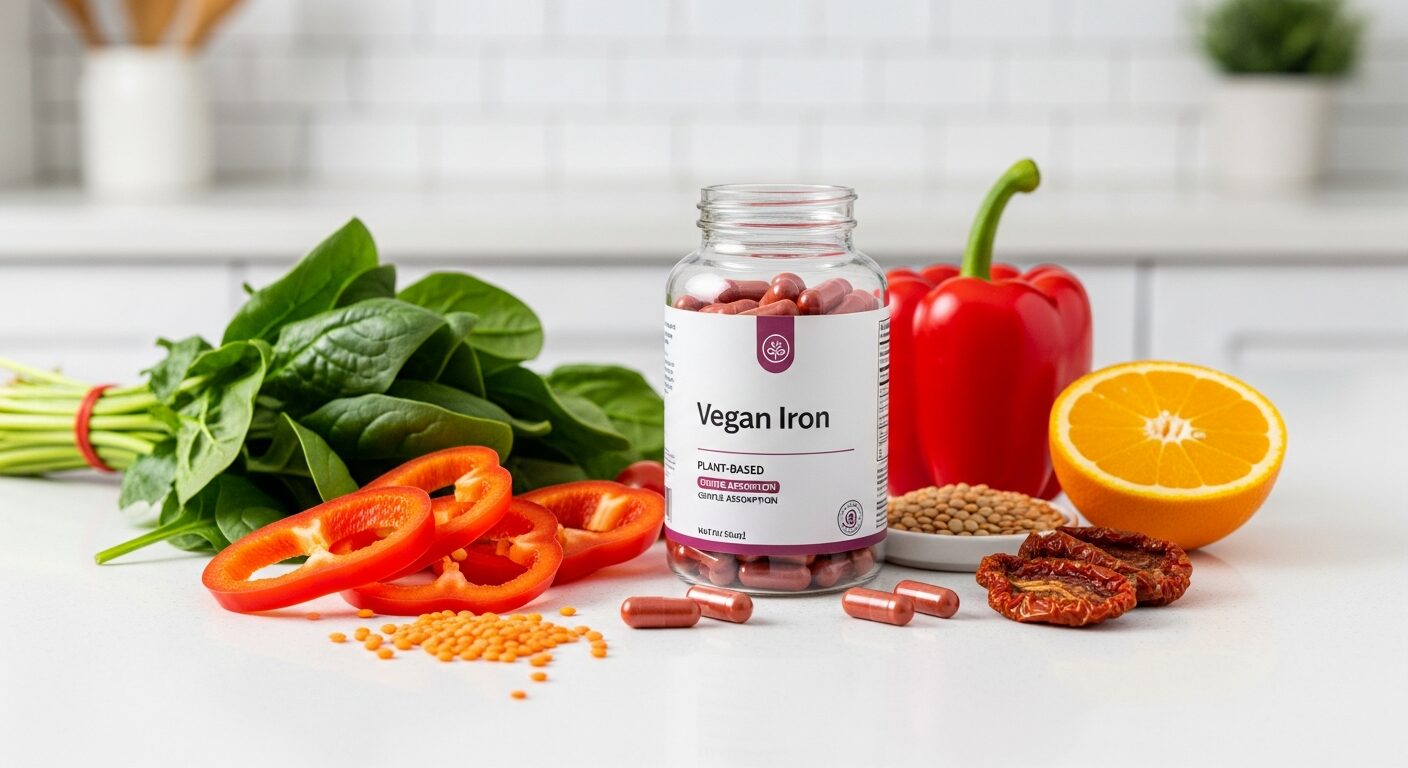
Iron deficiency affects nearly 25% of the global population, making it one of the most common nutritional deficiencies worldwide. For vegans, this statistic becomes even more concerning, as plant-based diets can make it challenging to maintain optimal iron levels. The absence of heme iron from animal products, combined with compounds in plant foods that can inhibit iron absorption, creates a perfect storm for potential deficiency.
However, with the right knowledge and supplementation strategy, vegans can not only meet their iron needs but thrive with optimal levels. Understanding the science behind iron absorption, choosing the right supplements, and timing your intake properly can make all the difference between struggling with fatigue and maintaining vibrant energy levels.
This comprehensive guide will explore the best iron supplements specifically suited for vegan lifestyles, debunk common myths that might be sabotaging your efforts, and provide a clear roadmap for optimizing your iron status safely and effectively.
🌿 Looking for Iron supplements? Shop Amazon →
Contents
- 1 What is Iron
- 2 Key Benefits of Iron
- 3 What Most People Get Wrong About Iron
- 4 What Happens to Your Body After 30 Days of Taking Iron
- 5 Who Should NOT Take Iron
- 6 Dosage and Best Forms
- 7 Frequently Asked Questions
- 7.1 How long does it take to correct iron deficiency with supplements?
- 7.2 Can I take iron supplements with my multivitamin?
- 7.3 Why do iron supplements cause constipation and how can I prevent it?
- 7.4 Is it possible to take too much iron?
- 7.5 Should I get my iron levels tested before starting supplements?
- 8 Medical Disclaimer
What is Iron
Iron is an essential trace mineral that serves as a fundamental building block for numerous physiological processes in the human body. As one of the most abundant metals on Earth, iron plays a crucial role in oxygen transport, energy production, and cellular function. The human body contains approximately 3-4 grams of iron, with about 70% found in hemoglobin and myoglobin.
There are two primary forms of dietary iron: heme iron, found in animal products, and non-heme iron, present in plant foods and supplements. Heme iron is generally absorbed more efficiently by the body, typically at rates of 15-35%, while non-heme iron absorption ranges from 2-20% depending on various factors including the presence of enhancers or inhibitors in the diet.
For vegans, understanding non-heme iron becomes particularly important since this is the only form available in plant-based diets. Non-heme iron exists in two oxidation states: ferrous (Fe2+) and ferric (Fe3+). The body can only absorb iron in the ferrous form, so ferric iron must first be reduced before absorption can occur in the small intestine.
Key Benefits of Iron
Iron’s primary function revolves around oxygen transport throughout the body. As a core component of hemoglobin, iron enables red blood cells to carry oxygen from the lungs to tissues and organs. This fundamental process supports cellular respiration and energy production at the mitochondrial level, directly impacting your daily energy levels and physical performance.
Beyond oxygen transport, iron serves as a cofactor for numerous enzymes involved in energy metabolism. These iron-dependent enzymes facilitate the conversion of nutrients into usable energy (ATP), making iron essential for optimal physical and mental performance. Research has shown that even mild iron deficiency can significantly impact cognitive function, concentration, and work productivity.
Iron also plays a vital role in immune system function. It supports the proliferation and maturation of immune cells, particularly lymphocytes, which are crucial for fighting infections. Additionally, iron is necessary for collagen synthesis, supporting healthy skin, hair, and connective tissues. The mineral also contributes to neurotransmitter synthesis, including dopamine and serotonin, which influence mood and cognitive function.
What Most People Get Wrong About Iron
One of the most persistent myths about iron is that “more is always better.” Many people assume that taking high doses of iron supplements will quickly resolve deficiency and boost energy levels. However, this approach can be counterproductive and even dangerous. Iron absorption actually decreases as dosage increases due to a regulatory mechanism called the “mucosal block.” When you take large amounts of iron, your intestinal cells become saturated and actively prevent further absorption for several days, making frequent high-dose supplementation less effective than moderate, consistent intake.
Another widespread misconception is that iron supplements should be taken with meals to prevent stomach upset. While this may reduce gastrointestinal side effects, it significantly impairs iron absorption. Calcium, found in dairy products and many plant foods, can reduce iron absorption by up to 60%. Similarly, tannins in tea and coffee, phytates in whole grains, and polyphenols in many healthy foods can dramatically decrease iron bioavailability. The optimal approach is taking iron on an empty stomach with vitamin C, despite the potential for mild stomach discomfort.
Many vegans believe that eating iron-rich plants like spinach will easily meet their iron needs. While spinach does contain iron, it also contains oxalates that bind to iron and prevent absorption. In fact, studies show that only about 2% of iron from spinach is actually absorbed by the body. This explains why someone can eat large amounts of supposedly iron-rich foods yet still develop deficiency.
Perhaps the most dangerous myth is that iron deficiency only causes fatigue and weakness. In reality, iron deficiency can lead to restless leg syndrome, unusual cravings for non-food items (ice, starch, dirt), hair loss, brittle nails, and even heart problems in severe cases. Many people dismiss these symptoms or attribute them to other causes, leading to delayed diagnosis and treatment.
What Happens to Your Body After 30 Days of Taking Iron
During the first week of iron supplementation, most people won’t notice dramatic changes in how they feel, but important physiological processes are already beginning. Your body starts to replenish iron stores in the liver, spleen, and bone marrow. Iron absorption and bioavailability studies, 2014 show that serum iron levels can begin to normalize within 3-7 days of consistent supplementation, though ferritin levels (indicating iron stores) take longer to respond. Some individuals may experience mild digestive adjustments as their system adapts to the supplement.
By week two, many people begin to notice subtle improvements in energy levels and mental clarity. This occurs as hemoglobin production increases and oxygen delivery to tissues improves. Research indicates that hemoglobin levels typically start to rise within 10-14 days of iron supplementation in deficient individuals. You might find it easier to concentrate, experience less afternoon fatigue, and feel more motivated for physical activity.
Weeks three and four mark the period when the most significant benefits become apparent. Iron deficiency and cognitive performance research, 2013 demonstrates that cognitive function improvements typically become noticeable after 2-4 weeks of adequate iron supplementation. Energy levels often stabilize at a higher baseline, exercise tolerance improves, and many people report better sleep quality. Hair and nail health may also begin to improve, though these changes are more gradual.
After a full month of consistent supplementation, most previously deficient individuals will have significantly improved iron status, though complete normalization of iron stores can take 2-6 months depending on the severity of initial deficiency and individual absorption rates.
Who Should NOT Take Iron
Individuals with hemochromatosis, a genetic condition causing excessive iron absorption, should never take iron supplements without medical supervision. This condition affects approximately 1 in 300 people of Northern European descent and can lead to dangerous iron accumulation in organs, causing liver damage, heart problems, and diabetes. Anyone with a family history of hemochromatosis should undergo genetic testing before beginning iron supplementation.
People taking certain medications need to exercise caution with iron supplements. Antibiotics, particularly tetracyclines and quinolones, can have their effectiveness reduced by iron. Similarly, iron can decrease the absorption of thyroid medications like levothyroxine, requiring careful timing of doses. Individuals taking proton pump inhibitors (PPIs) for acid reflux may have impaired iron absorption and should work with their healthcare provider to optimize supplementation.
Those with certain medical conditions require special consideration. People with inflammatory bowel disease, peptic ulcers, or other gastrointestinal disorders may experience worsened symptoms with oral iron supplements. Individuals with frequent blood transfusions should avoid iron supplements due to the risk of iron overload. Additionally, people with certain types of anemia, such as thalassemia or sideroblastic anemia, may require specialized treatment rather than standard iron supplementation.
Pregnant women, while often needing additional iron, should only take iron supplements under medical guidance due to specific dosage requirements and potential interactions with prenatal vitamins. Children should never be given adult iron supplements, as iron poisoning is a leading cause of accidental poisoning deaths in young children. Even a single adult iron tablet can be dangerous for a small child.
Dosage and Best Forms
The optimal dosage of iron for vegans depends on individual needs, current iron status, and absorption capacity. For mild deficiency, 15-30mg of elemental iron taken every other day is often more effective than daily dosing due to the hepcidin response that blocks absorption after iron intake. For more significant deficiency, 60-120mg of elemental iron may be necessary, but this should always be under medical supervision.
Ferrous sulfate remains the gold standard for iron supplementation due to its high bioavailability and extensive research backing. However, it can cause significant digestive upset. Ferrous fumarate and ferrous gluconate offer good alternatives with potentially fewer side effects. For those with sensitive stomachs, chelated forms like iron bisglycinate provide excellent absorption with minimal gastrointestinal irritation, though they’re typically more expensive.
Timing is crucial for optimal absorption. Take iron supplements on an empty stomach, ideally first thing in the morning, with vitamin C (at least 100mg) to enhance absorption. Avoid taking iron within 2 hours of consuming calcium, coffee, tea, or high-fiber foods. If stomach upset occurs, try taking iron with a small amount of food, accepting that absorption will be somewhat reduced.
Vitamin C enhancement of iron absorption studies, 2016 confirms that ascorbic acid can increase iron absorption by up to 300% when taken together. Consider pairing your iron supplement with citrus fruits, bell peppers, or a vitamin C supplement for maximum benefit.
🌿 Looking for Iron Supplements?
Browse top-rated Iron supplements, independently tested and recommended by our editorial team.
Affiliate disclosure: We may earn a small commission at no extra cost to you.
Frequently Asked Questions
How long does it take to correct iron deficiency with supplements?
Most people see improvements in energy and symptoms within 2-4 weeks, but complete correction of iron stores typically takes 3-6 months of consistent supplementation. The timeline depends on the severity of deficiency, absorption capacity, and adherence to proper supplementation protocols. Blood tests every 6-8 weeks can help monitor progress and adjust dosing as needed.
Can I take iron supplements with my multivitamin?
It’s generally not recommended to take iron with multivitamins, as calcium, magnesium, and zinc can compete for absorption. Additionally, many multivitamins contain only small amounts of iron that may be insufficient for addressing deficiency. Take iron supplements separately from other minerals, preferably 2-4 hours apart for optimal absorption.
Why do iron supplements cause constipation and how can I prevent it?
Iron supplements commonly cause constipation because unabsorbed iron can slow intestinal motility and alter gut bacteria. To minimize this, ensure adequate hydration, increase fiber intake gradually, and consider taking iron every other day rather than daily. Chelated forms of iron typically cause fewer digestive issues than ferrous sulfate.
Is it possible to take too much iron?
Yes, iron toxicity is a serious concern. The upper tolerable limit for adults is 45mg of elemental iron per day from supplements. Acute iron poisoning can occur with very high doses, causing nausea, vomiting, and potentially organ damage. Always follow dosing recommendations and avoid taking multiple iron-containing supplements simultaneously.
Should I get my iron levels tested before starting supplements?
Ideally, yes. A complete iron panel including serum iron, ferritin, total iron-binding capacity (TIBC), and transferrin saturation provides the clearest picture of iron status. This testing helps determine if supplementation is necessary and guides appropriate dosing. However, if testing isn’t immediately available and you have symptoms of deficiency, short-term supplementation with appropriate doses is generally safe for most people.
Medical Disclaimer
This article is for informational purposes only and does not constitute medical advice. Iron supplementation can interact with medications and medical conditions, and excessive iron intake can be harmful. Always consult with a qualified healthcare provider before starting any new supplement regimen, especially if you have existing medical conditions, take medications, or are pregnant or breastfeeding. Individual iron needs vary significantly, and what works for one person may not be appropriate for another. If you suspect iron deficiency, seek proper medical evaluation and testing to determine the most appropriate treatment approach for your specific situation.