
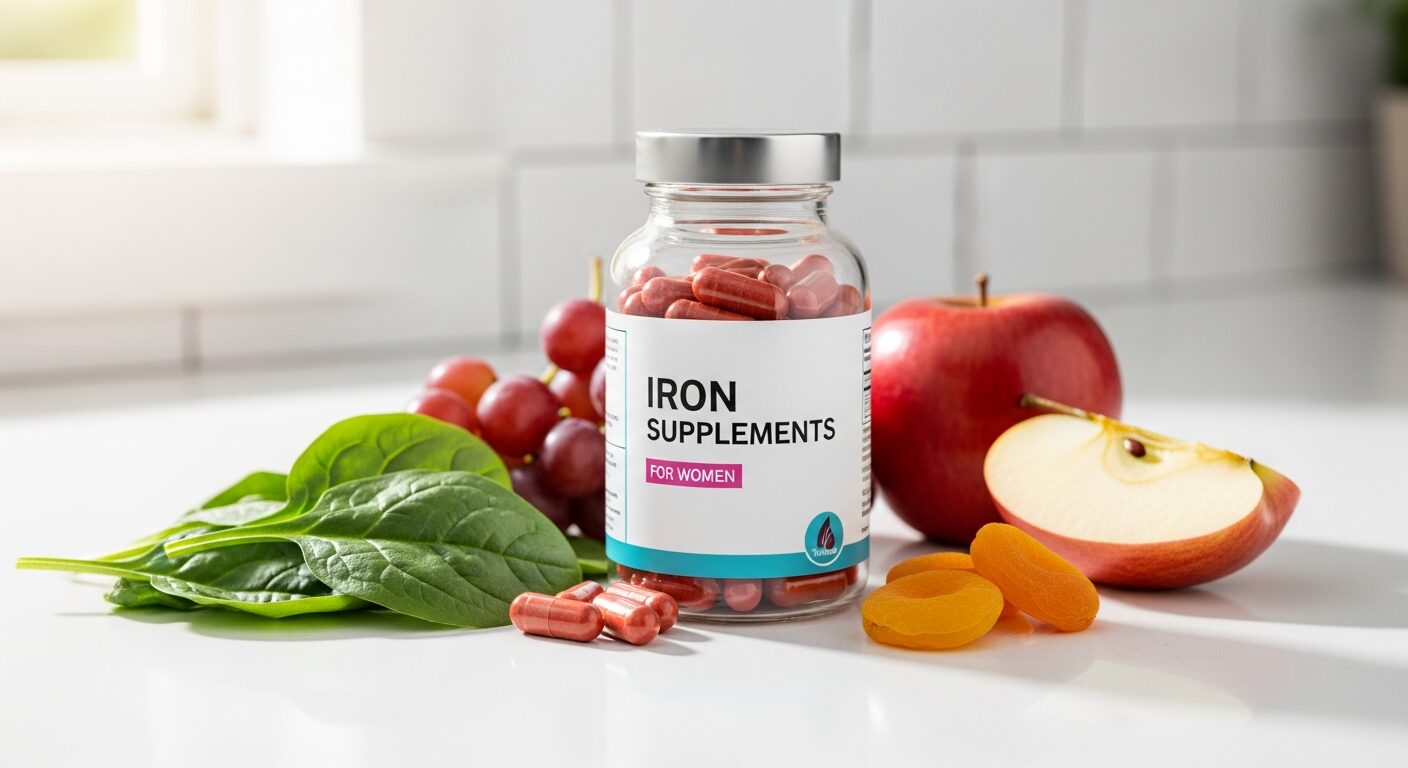
Iron deficiency affects approximately 25% of women worldwide, making it one of the most common nutritional deficiencies in the female population. Despite iron being readily available in many foods and supplements, millions of women continue to struggle with fatigue, weakness, and other symptoms that could be alleviated with proper iron supplementation. The challenge lies not just in getting enough iron, but in choosing the right type, timing, and dosage for optimal absorption and minimal side effects.
For women, iron needs are particularly complex due to menstrual cycles, pregnancy, and hormonal fluctuations that can dramatically impact iron requirements. Unlike men, who typically need only 8mg of iron daily, women of reproductive age require 18mg per day, with pregnant women needing up to 27mg. This significant difference means that generic iron supplements often fall short of meeting women’s specific physiological needs.
Understanding which iron supplements work best for women requires diving deep into the science of iron absorption, bioavailability, and the unique factors that affect how women’s bodies process this essential mineral. This comprehensive guide will help you navigate the complex world of iron supplementation with evidence-based recommendations tailored specifically for women’s health needs.
🌿 Looking for Iron supplements? Shop Amazon →
Contents
What is Iron
Iron is an essential trace mineral that serves as a fundamental building block for numerous biological processes in the human body. As the most abundant transition metal in living organisms, iron plays a critical role in oxygen transport, energy production, and cellular metabolism. The human body contains approximately 3-5 grams of iron, with about 70% found in hemoglobin within red blood cells and myoglobin in muscle tissue.
There are two primary forms of dietary iron: heme iron and non-heme iron. Heme iron, found in animal products like red meat, poultry, and fish, is more readily absorbed by the body with absorption rates ranging from 15-35%. Non-heme iron, present in plant sources and iron supplements, has lower absorption rates of 2-20%, but can be enhanced through various dietary strategies and supplement formulations.
Iron exists in two oxidation states in biological systems: ferrous (Fe2+) and ferric (Fe3+). The body can only absorb iron in its ferrous form, which is why many high-quality supplements contain ferrous compounds like ferrous sulfate, ferrous gluconate, or ferrous bisglycinate. The conversion between these forms and the complex regulatory mechanisms that control iron absorption make supplementation both an art and a science.
Key Benefits of Iron
Iron supplementation provides numerous scientifically-validated benefits, particularly for women who are at higher risk of deficiency. The most well-documented benefit is the prevention and treatment of iron deficiency anemia, a condition that affects energy levels, cognitive function, and overall quality of life. Iron supplementation in iron-deficient women significantly improves fatigue, cognitive performance, and exercise capacity within 4-6 weeks of treatment.
Beyond treating anemia, adequate iron levels support optimal immune system function. Iron is essential for the proliferation and maturation of immune cells, particularly lymphocytes and neutrophils. Women with sufficient iron stores demonstrate better resistance to infections and faster recovery times from illness compared to those with iron deficiency.
Iron also plays a crucial role in maintaining healthy hair, skin, and nails. The mineral is essential for collagen synthesis and cellular repair processes. Many women notice improvements in hair thickness, reduced hair loss, and stronger nails after correcting iron deficiency through supplementation.
Temperature regulation is another important benefit of adequate iron levels. Women with iron deficiency often experience cold intolerance and difficulty maintaining body temperature. Iron is essential for thyroid hormone metabolism and proper circulation, both of which contribute to maintaining optimal body temperature.
What Most People Get Wrong About Iron
One of the most persistent myths about iron supplementation is that taking iron with vitamin C always dramatically improves absorption. While vitamin C can enhance non-heme iron absorption, this effect is most pronounced when iron stores are low and diminishes significantly once iron levels normalize. Many women unnecessarily consume large amounts of vitamin C with their iron supplements, potentially causing digestive upset without meaningful absorption benefits.
Another common misconception is that all iron supplements cause constipation and digestive issues. This belief stems from experiences with older, poorly formulated iron supplements, particularly ferrous sulfate in high doses. Modern iron formulations, especially chelated forms like ferrous bisglycinate, have significantly lower rates of gastrointestinal side effects while maintaining excellent bioavailability. The key is choosing the right form and dosage rather than avoiding iron supplementation altogether.
Many people wrongly believe that plant-based iron sources are inferior to animal-based sources for supplementation purposes. While it’s true that heme iron has higher absorption rates, well-formulated plant-based iron supplements can be equally effective when properly designed. Iron from plant sources can be enhanced through chelation, microencapsulation, and strategic combination with absorption enhancers, making them viable options for vegetarian and vegan women.
Perhaps the most dangerous misconception is that iron supplementation is safe for everyone and that “more is always better.” Iron is unique among minerals because the body has limited ability to excrete excess amounts. Taking unnecessary iron supplements can lead to iron overload, oxidative stress, and increased risk of cardiovascular disease. This is why proper testing and individualized dosing are essential components of safe iron supplementation.
What Happens to Your Body After 30 Days of Taking Iron
During the first week of iron supplementation, most women experience subtle changes that may not be immediately noticeable. The body begins increasing iron absorption and storage, with serum iron levels starting to rise within 2-3 days. Some women may notice slight improvements in energy levels, particularly if they were severely deficient, but dramatic changes are uncommon during this initial period. Digestive adaptation also occurs, with any initial stomach upset typically subsiding as the body adjusts to the supplement.
Week two brings more noticeable improvements for women with iron deficiency. Research shows that iron-deficient women typically experience significant improvements in fatigue and exercise tolerance within 10-14 days of starting appropriate supplementation. Sleep quality often improves during this period, as iron plays a role in dopamine synthesis and circadian rhythm regulation. Many women report feeling more mentally alert and experiencing less afternoon fatigue.
By weeks three and four, the full benefits of iron supplementation become apparent. Hemoglobin levels show measurable increases, typically rising by 1-2 grams per deciliter in women who were anemic. Physical performance improves significantly, with better endurance during exercise and daily activities. Cognitive improvements become more pronounced, including better concentration, memory, and mental clarity. Hair and nail health may also begin showing improvement, though these cosmetic benefits often take 6-8 weeks to become fully apparent.
Laboratory markers provide objective evidence of iron repletion during this timeframe. Serum ferritin, the most reliable indicator of iron stores, typically increases within 2-4 weeks of consistent supplementation. However, complete restoration of iron stores can take 3-6 months, depending on the severity of initial deficiency and individual absorption rates.
Who Should NOT Take Iron
Individuals with hereditary hemochromatosis, a genetic condition causing excessive iron absorption, should never take iron supplements unless specifically directed by a physician. This condition affects approximately 1 in 300 people of Northern European descent and can lead to serious organ damage if iron accumulates in the liver, heart, and pancreas. Regular monitoring and therapeutic phlebotomy are typically required instead of supplementation.
People with certain chronic infections should avoid iron supplementation, as many pathogenic bacteria require iron for growth and multiplication. Conditions such as active tuberculosis, certain fungal infections, and some parasitic diseases can be exacerbated by iron supplementation. The body’s natural response to infection includes reducing iron availability to limit pathogen growth, a mechanism that iron supplements can override.
Iron supplements can interact significantly with several medications, requiring careful timing or avoidance altogether. Antibiotics in the tetracycline and quinolone families can have their effectiveness reduced by up to 90% when taken with iron. Thyroid medications, particularly levothyroxine, require at least 4 hours separation from iron supplements to maintain proper absorption. Proton pump inhibitors and antacids can dramatically reduce iron absorption and may necessitate alternative supplementation strategies.
Pregnant women require special consideration when it comes to iron supplementation. While pregnancy increases iron needs significantly, self-supplementation without medical supervision can be dangerous. Excessive iron during pregnancy has been associated with increased risk of gestational diabetes and low birth weight. Pregnant women should only take iron supplements under medical supervision with appropriate testing to determine actual needs.
Individuals with inflammatory bowel diseases such as Crohn’s disease or ulcerative colitis may experience symptom exacerbation with certain forms of iron supplements. These conditions often require specialized iron formulations or intravenous iron therapy rather than oral supplements. Similarly, people with peptic ulcers or a history of gastrointestinal bleeding should consult healthcare providers before beginning iron supplementation.
Dosage and Best Forms
For women with confirmed iron deficiency, therapeutic doses typically range from 60-120mg of elemental iron daily, divided into 2-3 doses to optimize absorption and minimize side effects. It’s crucial to understand that supplement labels often list the total compound weight rather than elemental iron content. For example, 325mg of ferrous sulfate contains only 65mg of elemental iron, while 350mg of ferrous gluconate provides just 35mg of elemental iron.
Ferrous bisglycinate (iron chelate) represents the gold standard for oral iron supplementation in women. This form demonstrates superior absorption rates of 15-25% compared to 3-5% for ferrous sulfate, with significantly fewer gastrointestinal side effects. The amino acid chelation protects the iron from interference by other dietary components and maintains stability throughout the digestive process.
For women who cannot tolerate traditional iron supplements, newer formulations offer promising alternatives. Polysaccharide iron complex provides good bioavailability with minimal digestive upset, while carbonyl iron offers a safer profile for those concerned about iron toxicity. Heme iron supplements, derived from animal sources, provide the highest absorption rates but are more expensive and unsuitable for vegetarians.
Timing of iron supplementation significantly impacts absorption efficiency. Taking iron supplements on an empty stomach maximizes absorption but may increase side effects. For sensitive individuals, taking iron with a small amount of vitamin C-rich food can enhance absorption while reducing gastric irritation. Avoiding calcium-rich foods, coffee, tea, and dairy products within 2 hours of iron supplementation prevents absorption interference.
🌿 Looking for Iron Supplements?
Browse top-rated Iron supplements, independently tested and recommended by our editorial team.
Affiliate disclosure: We may earn a small commission at no extra cost to you.
Frequently Asked Questions
Can I take iron supplements with my multivitamin?
Most multivitamins contain insufficient iron for therapeutic purposes, typically providing only 10-18mg of elemental iron. While safe to take together, women with iron deficiency will likely need a separate iron supplement to meet their therapeutic needs. However, be cautious of taking high-dose iron supplements alongside iron-containing multivitamins to avoid excessive intake.
How long should I take iron supplements?
The duration of iron supplementation depends on the severity of deficiency and individual response. Most women with iron deficiency anemia require 3-6 months of supplementation to restore iron stores completely. However, some women with ongoing iron losses due to heavy menstrual periods may need long-term supplementation under medical supervision.
Why do iron supplements make me nauseous?
Nausea from iron supplements typically results from gastric irritation caused by certain iron forms, particularly ferrous sulfate. Switching to a chelated iron form, reducing the dose, taking with food, or dividing the daily dose can significantly reduce nausea. Starting with a lower dose and gradually increasing can also help build tolerance.
Can iron supplements interact with birth control pills?
Iron supplements do not interfere with birth control effectiveness. In fact, women taking hormonal contraceptives often have reduced iron needs due to lighter menstrual periods. However, some birth control methods can increase iron requirements, so individual assessment is important for determining optimal supplementation needs.
Is it safe to take iron supplements long-term?
Long-term iron supplementation should only be undertaken with regular medical monitoring through blood tests. While safe for women with ongoing iron losses or absorption issues, unnecessary long-term supplementation can lead to iron overload and associated health risks. Annual assessment of iron status helps ensure continued need and appropriate dosing.
Medical Disclaimer
The information provided in this article is for educational purposes only and should not be considered as medical advice. Iron supplementation should be based on confirmed deficiency through appropriate laboratory testing and medical evaluation. Individual iron needs vary significantly based on age, health status, diet, and physiological factors that require professional assessment.
Before starting any iron supplement regimen, consult with a healthcare provider, particularly if you have existing medical conditions, take medications, or are pregnant or breastfeeding. Some individuals may have underlying conditions that affect iron metabolism or contraindicate supplementation.
Iron supplementation can cause side effects and interact with various medications and nutrients. Regular monitoring through blood tests is essential for anyone taking therapeutic doses of iron supplements to ensure safety and effectiveness while preventing iron overload.