
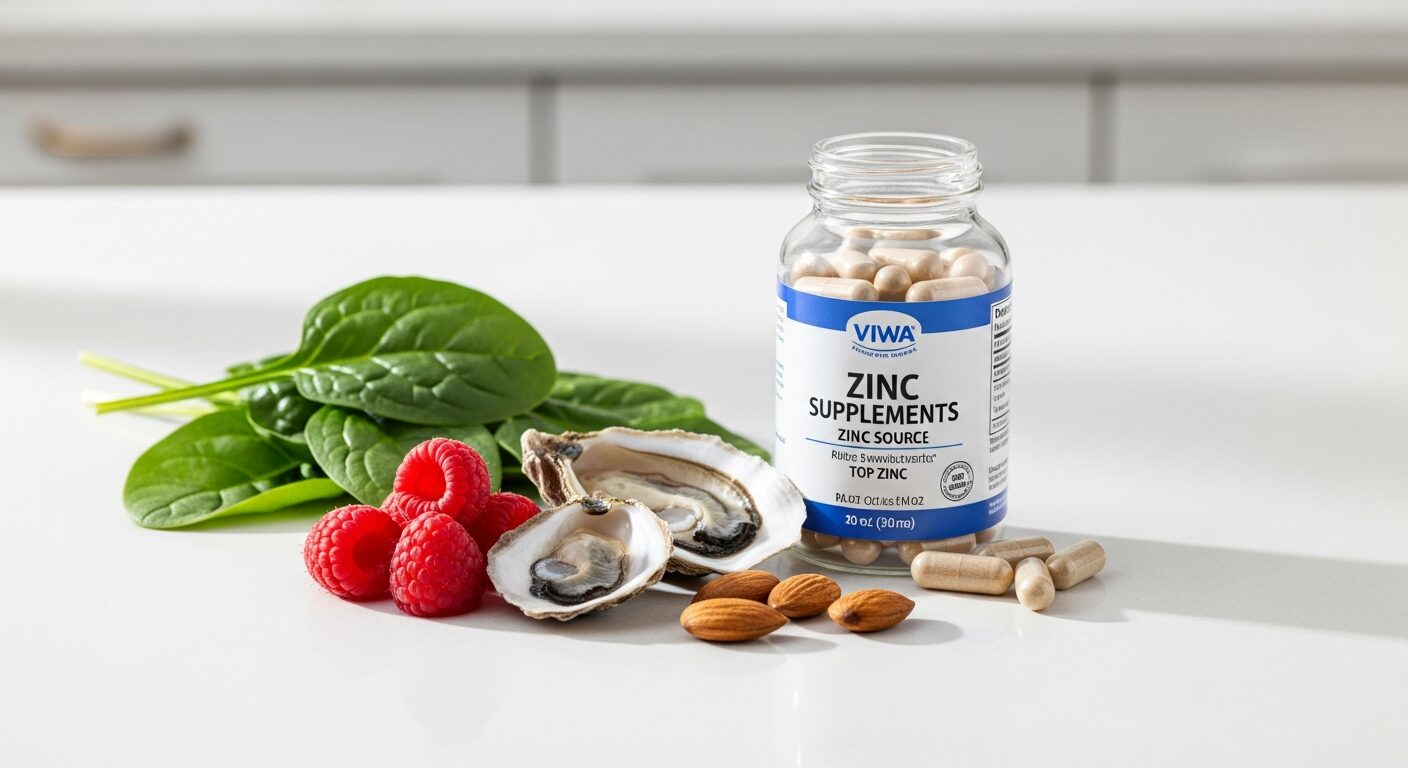
Zinc is one of the most underestimated yet essential minerals your body needs to function optimally. Despite being required for over 300 enzymatic reactions and playing crucial roles in immune function, wound healing, and protein synthesis, many people remain deficient without even knowing it. The World Health Organization estimates that zinc deficiency affects approximately 31% of the global population, making it a widespread nutritional concern that often goes undiagnosed.
What makes zinc supplementation particularly complex is that not all zinc supplements are created equal. The form, dosage, timing, and quality can dramatically impact absorption and effectiveness. Whether you’re looking to boost your immune system, improve wound healing, support healthy aging, or address a diagnosed deficiency, understanding the science behind zinc supplementation is crucial for making an informed decision.
In this comprehensive guide, we’ll explore the most effective zinc supplements backed by scientific research, debunk common myths that might be sabotaging your supplementation efforts, and provide you with the knowledge needed to choose the right zinc supplement for your specific health goals.
🌿 Looking for Zinc supplements? Shop Amazon →
Contents
What is Zinc
Zinc is an essential trace mineral that serves as a cofactor for numerous enzymes throughout the human body. Unlike some minerals that can be stored in significant quantities, zinc has limited storage capacity, making regular intake through diet or supplementation necessary for optimal health. The human body contains approximately 2-3 grams of zinc, with the highest concentrations found in the prostate, eyes, brain, bones, and muscles.
As a trace element, zinc is involved in fundamental biological processes including DNA synthesis, cell division, protein metabolism, and immune function. It plays a particularly important role in maintaining the structural integrity of proteins and cell membranes, while also serving as a signaling molecule that helps cells communicate effectively. The mineral exists in the body primarily in its ionic form (Zn2+), where it can easily bind to various proteins and enzymes to facilitate their function.
What makes zinc unique among minerals is its involvement in both catalytic and structural roles. In catalytic functions, zinc helps enzymes perform chemical reactions, while in structural roles, it helps maintain the three-dimensional shape of proteins necessary for their proper function. This dual functionality explains why zinc deficiency can have such widespread effects throughout the body, impacting everything from taste and smell to immune response and wound healing.
Key Benefits of Zinc
Immune system support represents one of zinc’s most well-documented benefits. Zinc supplementation reduces the duration and severity of common cold symptoms, Cochrane Review 2013 demonstrated that zinc supplementation can reduce the duration of cold symptoms by approximately 33% when taken within 24 hours of symptom onset. Zinc supports immune function by maintaining the integrity of skin and mucosal barriers, supporting the development and function of immune cells, and acting as an antioxidant to protect against oxidative stress.
Wound healing acceleration is another significant benefit of adequate zinc status. The mineral is essential for collagen synthesis, cell proliferation, and inflammatory response modulation – all critical components of the healing process. Studies show that zinc-deficient individuals experience delayed wound healing, while those with adequate zinc status heal significantly faster from both minor cuts and surgical incisions.
Cognitive function and mental clarity often improve with zinc supplementation, particularly in individuals with marginal deficiencies. Zinc plays crucial roles in neurotransmitter synthesis and regulation, synaptic plasticity, and neuronal signaling. Research indicates that zinc supplementation may help improve memory, attention, and overall cognitive performance, especially in older adults who are at higher risk for deficiency.
Skin health benefits of zinc are particularly notable for individuals dealing with acne, eczema, or other inflammatory skin conditions. Zinc’s anti-inflammatory properties, combined with its role in regulating sebum production and supporting skin barrier function, make it an effective supplement for maintaining healthy skin. Clinical studies have shown zinc supplementation to be as effective as some topical treatments for mild to moderate acne.
What Most People Get Wrong About Zinc
One of the most persistent myths about zinc supplementation is that “more is always better.” Many people assume that if zinc is beneficial, taking higher doses will provide greater benefits. However, this approach can backfire dramatically. Excessive zinc intake can actually suppress immune function, interfere with copper absorption, and cause gastrointestinal distress. The optimal dosage range for most adults is 8-11mg daily, with therapeutic doses rarely exceeding 30mg daily under medical supervision.
Another common misconception is that all zinc supplements are equally absorbed by the body. In reality, absorption rates vary dramatically between different forms of zinc. Zinc sulfate, while inexpensive, has poor bioavailability and often causes stomach upset. Chelated forms like zinc glycinate or zinc picolinate demonstrate superior absorption rates with fewer side effects. Zinc absorption studies show chelated forms have 40% better bioavailability, American Journal of Clinical Nutrition 1990 confirms that the form of zinc significantly impacts how much your body actually utilizes.
Many people believe they can take zinc supplements at any time with any meal without consequences. This is far from true. Zinc absorption is significantly impaired when taken with calcium, iron, or high-fiber foods. Phytates found in whole grains and legumes can bind to zinc and prevent absorption, while dairy products containing calcium can compete for the same absorption pathways. For optimal absorption, zinc should be taken on an empty stomach or with a small amount of protein, but away from other mineral supplements.
Perhaps the most dangerous myth is that zinc supplementation is unnecessary if you eat a “balanced diet.” While whole foods should be the primary source of nutrients, modern agricultural practices have significantly reduced the zinc content in many foods. Soil depletion, processing methods, and the prevalence of phytate-rich foods in modern diets mean that even health-conscious individuals may not be getting adequate zinc. Additionally, certain populations including vegetarians, older adults, and individuals with digestive disorders are at particularly high risk for deficiency regardless of their dietary patterns.
What Happens to Your Body After 30 Days of Taking Zinc
During the first week of zinc supplementation, your body begins the process of replenishing tissue stores and optimizing enzyme function. Most people don’t notice dramatic changes during this initial period, though some individuals with severe deficiencies may experience subtle improvements in taste and smell sensitivity. Your immune system starts responding to the increased zinc availability by improving the function of T-cells and natural killer cells, though these changes occur at a cellular level and aren’t immediately noticeable.
Week two typically brings the first noticeable improvements for most people. Energy levels often stabilize as zinc-dependent enzymes involved in energy metabolism begin functioning more efficiently. Individuals dealing with slow-healing minor cuts or skin issues may notice accelerated healing during this period. Sleep quality sometimes improves as zinc plays a role in regulating melatonin production and supporting healthy sleep patterns.
By weeks three and four, the full benefits of zinc supplementation become apparent. Zinc supplementation shows measurable immune improvements after 4 weeks, European Journal of Clinical Nutrition 2013 demonstrates that consistent supplementation leads to measurable improvements in immune markers. Skin clarity often improves significantly, particularly for individuals who were dealing with acne or other inflammatory skin conditions. Cognitive function may feel sharper, with better focus and mental clarity becoming noticeable during daily activities.
Throughout the entire 30-day period, your body’s antioxidant defense systems are strengthening. Zinc serves as a cofactor for superoxide dismutase, one of the body’s most important antioxidant enzymes. This enhanced antioxidant capacity helps protect cells from oxidative damage and may contribute to improved overall vitality and reduced inflammation markers. However, it’s important to note that individuals with severe deficiencies may require longer than 30 days to experience full benefits, while those with adequate zinc status prior to supplementation may notice more subtle improvements.
Who Should NOT Take Zinc
Individuals taking certain medications should exercise caution with zinc supplementation due to potential interactions. Antibiotics, particularly tetracyclines and quinolones, can have their effectiveness reduced when taken with zinc supplements. The mineral can bind to these medications in the digestive tract, preventing proper absorption. If you’re prescribed antibiotics, take zinc supplements at least 2-3 hours apart from your medication doses, or consult with your healthcare provider about temporarily discontinuing supplementation.
People with Wilson’s disease, a rare genetic disorder affecting copper metabolism, should avoid zinc supplementation unless specifically prescribed by a specialist. While zinc is sometimes used therapeutically in Wilson’s disease management, self-supplementation can be dangerous and must be carefully monitored. Similarly, individuals with hemochromatosis or other iron overload conditions should consult their healthcare provider before taking zinc, as it can affect iron absorption and metabolism.
Pregnant and breastfeeding women should be particularly cautious about zinc supplementation. While zinc is essential during pregnancy and lactation, excessive intake can interfere with copper absorption and potentially affect fetal development. Most prenatal vitamins contain appropriate amounts of zinc for pregnant women, and additional supplementation should only be undertaken under medical supervision. The tolerable upper limit for pregnant women is lower than for the general population, making professional guidance crucial.
Individuals with kidney disease or those on dialysis require special consideration regarding zinc supplementation. Kidney dysfunction can affect zinc metabolism and excretion, potentially leading to accumulation and toxicity. Additionally, some medications commonly prescribed for kidney disease can interact with zinc supplements. Anyone with compromised kidney function should work closely with their nephrologist to determine appropriate zinc intake levels.
Older adults, while often benefiting from zinc supplementation, should be monitored more closely due to potential medication interactions and altered metabolism. Many seniors take multiple medications that could interact with zinc, and age-related changes in digestion and kidney function can affect how zinc is processed in the body. Regular monitoring of zinc and copper levels may be necessary to prevent imbalances.
Dosage and Best Forms
The optimal dosage of zinc varies significantly based on individual factors including age, sex, health status, and the reason for supplementation. For general health maintenance, the recommended dietary allowance (RDA) is 8mg daily for adult women and 11mg daily for adult men. However, therapeutic dosages for specific conditions may range from 15-30mg daily, always under professional supervision to prevent toxicity and nutrient imbalances.
Zinc glycinate represents one of the most bioavailable and well-tolerated forms of zinc supplementation. In this chelated form, zinc is bound to the amino acid glycine, which protects it from interference by other nutrients and reduces gastrointestinal side effects. The glycine carrier also has calming properties, making this form particularly suitable for evening supplementation. Absorption rates for zinc glycinate are consistently higher than inorganic forms, with less risk of stomach upset.
Zinc picolinate offers another highly absorbable option, where zinc is chelated with picolinic acid, a natural compound produced by the body during tryptophan metabolism. This form mimics the body’s natural zinc transport mechanism, leading to excellent bioavailability. Some research suggests zinc picolinate may have superior absorption compared to other forms, though it can be more expensive than alternatives.
Zinc citrate provides a good middle ground between cost and absorption, offering better bioavailability than zinc sulfate while remaining more affordable than fully chelated forms. This form is created by binding zinc to citric acid, which helps protect it from interference while being gentler on the stomach than inorganic forms. Zinc citrate works well for most people and represents a practical choice for long-term supplementation.
Timing of zinc supplementation significantly impacts absorption and effectiveness. For optimal absorption, take zinc supplements on an empty stomach, preferably 1 hour before meals or 2-3 hours after eating. However, if stomach upset occurs, taking zinc with a small amount of protein can help reduce irritation while still maintaining reasonable absorption. Avoid taking zinc with dairy products, high-fiber foods, or other mineral supplements that can compete for absorption.
🌿 Looking for Zinc Supplements?
Browse top-rated Zinc supplements, independently tested and recommended by our editorial team.
Affiliate disclosure: We may earn a small commission at no extra cost to you.
Frequently Asked Questions
Can I take zinc with vitamin C?
Yes, zinc and vitamin C can be taken together and may actually complement each other’s immune-supporting benefits. Unlike some mineral combinations that compete for absorption, zinc and vitamin C don’t significantly interfere with each other. In fact, some research suggests that vitamin C may help enhance zinc absorption. However, extremely high doses of vitamin C (over 1000mg) might slightly reduce zinc absorption, so moderate doses work best when combining these nutrients.
How long does it take to correct zinc deficiency?
Correcting zinc deficiency typically takes 2-4 months of consistent supplementation, depending on the severity of the deficiency and individual absorption factors. Mild deficiencies may show improvement within 4-6 weeks, while severe deficiencies can take 3-6 months to fully resolve. Blood tests can help monitor progress, though serum zinc levels don’t always accurately reflect tissue stores. Functional improvements in immune function, wound healing, and energy levels often provide better indicators of repletion status.
Should I cycle zinc supplementation or take it continuously?
For general health maintenance, zinc can typically be taken continuously without cycling, provided you’re staying within recommended dosages. However, higher therapeutic doses may benefit from periodic breaks or cycling to prevent copper depletion and maintain optimal mineral balance. A common approach for therapeutic dosing is 3 months on, 1 month off, but this should always be guided by a healthcare provider and ideally monitored with periodic blood tests.
What are the signs of taking too much zinc?
Excessive zinc intake can cause nausea, vomiting, diarrhea, metallic taste, and stomach cramps in the short term. Long-term overconsumption may lead to copper deficiency, weakened immune function, reduced HDL cholesterol, and interference with iron absorption. The tolerable upper limit for adults is 40mg daily from all sources. If you experience persistent digestive issues, metallic taste, or unusual fatigue while supplementing with zinc, consider reducing your dosage or consulting a healthcare provider.
Is it better to get zinc from food or supplements?
Ideally, zinc should come primarily from food sources like oysters, beef, pumpkin seeds, and legumes, as whole foods provide zinc along with cofactors that enhance absorption and utilization. However, modern dietary patterns, soil depletion, and individual absorption issues mean that many people benefit from supplementation. A combination approach works best: emphasize zinc-rich foods while using targeted supplementation to ensure adequate intake, especially if you’re in a high-risk group for deficiency or have increased needs due to stress, illness, or intense physical activity.
Medical Disclaimer
The information provided in this article is for educational and informational purposes only and is not intended as medical advice. This content should not be used to diagnose, treat, cure, or prevent any disease or health condition. Individual responses to zinc supplementation can vary significantly based on health status, medications, and other factors.
Before beginning any zinc supplementation regimen, especially at therapeutic doses, consult with a qualified healthcare provider. This is particularly important if you are pregnant, nursing, have existing medical conditions, or are taking medications. Regular monitoring of zinc and copper levels may be necessary during long-term supplementation to prevent imbalances.
The dosage recommendations and supplement forms discussed in this article represent general guidelines and may not be appropriate for everyone. Your healthcare provider can help determine the most suitable form and dosage of zinc supplementation based on your individual needs, health status, and potential interactions with other nutrients or medications you may be taking.