
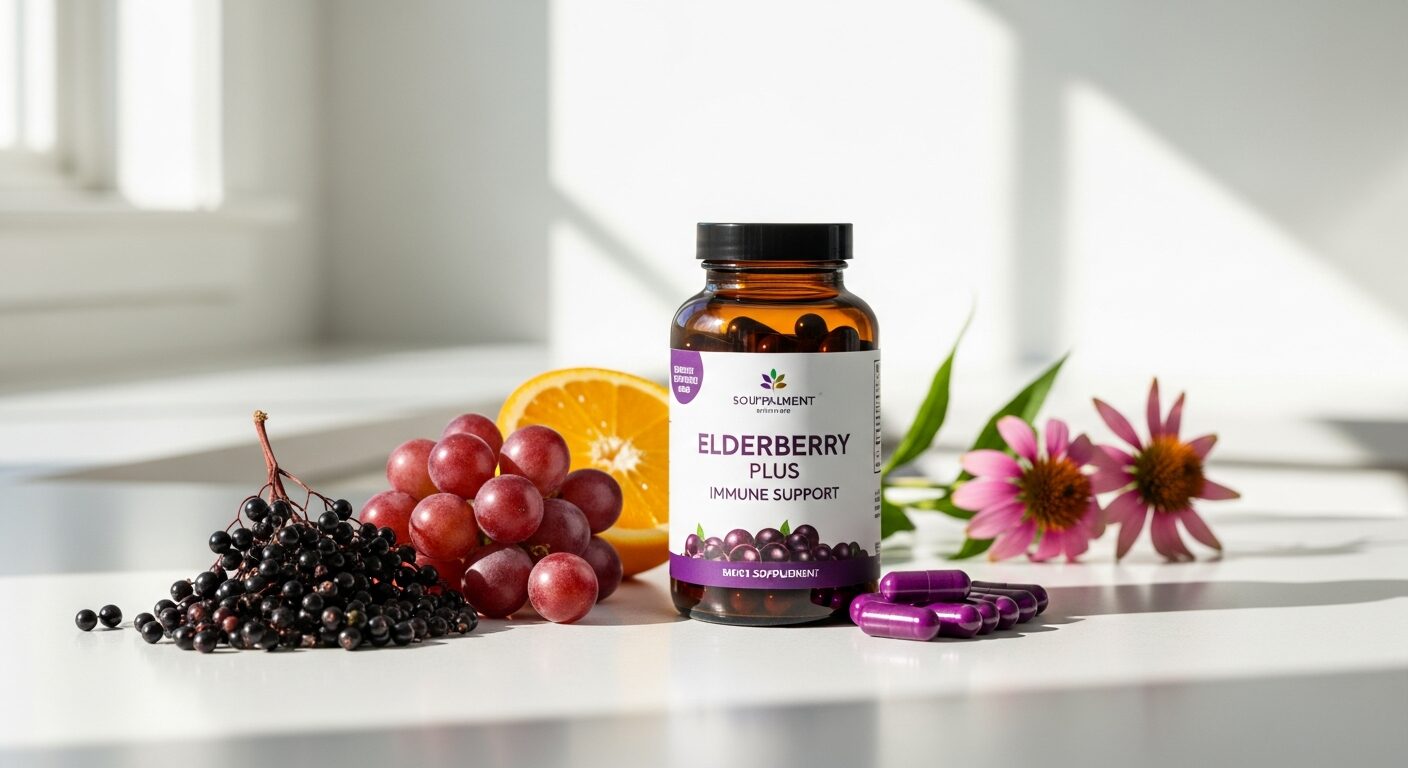
When cold and flu season approaches, two natural remedies consistently dominate the conversation: elderberry and echinacea. Both have centuries of traditional use and growing scientific support, but choosing between them can feel overwhelming. With conflicting information across the internet and varying claims about their effectiveness, it’s crucial to examine what the research actually says.
While echinacea has long been the go-to immune booster in many households, elderberry has been gaining significant traction in recent years, backed by compelling research on its antiviral properties. But the question remains: which one deserves a spot in your supplement cabinet? The answer isn’t as straightforward as you might think, and it depends largely on your specific health goals, timing, and individual circumstances.
This comprehensive analysis will cut through the marketing hype and examine both supplements through a scientific lens, helping you make an informed decision based on evidence rather than trends.
🌿 Looking for Elderberry supplements? Shop Amazon →
Contents
What is Elderberry
Elderberry refers to the dark purple berries of the Sambucus tree, most commonly Sambucus canadensis (American elderberry) and Sambucus nigra (European elderberry). These small, tart berries have been used medicinally for over 2,000 years, with historical records showing their use in ancient Egypt, Greece, and throughout Europe for treating infections and inflammation.
The medicinal properties of elderberry come primarily from its rich concentration of anthocyanins, the same powerful antioxidants that give blueberries and blackberries their deep color. However, elderberries contain significantly higher levels of these compounds, particularly cyanidin-3-glucoside and cyanidin-3-sambubioside, which are responsible for many of the berry’s therapeutic effects.
Modern elderberry supplements are typically standardized extracts that concentrate these active compounds, making them far more potent than the whole berries. The most researched form is Sambucol, a specific elderberry extract that has been the subject of multiple clinical trials. Unlike many traditional remedies that rely purely on historical use, elderberry has substantial scientific backing for its immune-supporting properties.
Key Benefits of Elderberry
The primary benefit that sets elderberry apart from many other immune supplements is its demonstrated antiviral activity. Research has shown that elderberry extracts can inhibit the replication of influenza viruses by blocking viral attachment to cell receptors and preventing the virus from entering healthy cells. This mechanism makes it particularly valuable as both a preventive measure and treatment option during viral infections.
Clinical studies have consistently shown that elderberry supplementation can reduce both the duration and severity of cold and flu symptoms. In one notable study, participants taking elderberry extract experienced symptom relief an average of 4 days earlier than those taking placebo, with significantly reduced symptom severity scores throughout their illness.
Beyond its antiviral properties, elderberry provides robust antioxidant support that may help protect against cellular damage from oxidative stress. The anthocyanin content in elderberry is among the highest of any fruit, with antioxidant activity that surpasses many well-known superfruits. This antioxidant capacity supports overall immune function and may contribute to long-term health benefits.
Emerging research also suggests elderberry may support cardiovascular health through its ability to improve blood vessel function and reduce inflammation markers. Some studies indicate that regular elderberry consumption may help maintain healthy blood pressure and support heart health, though more research is needed to fully establish these benefits.
What Most People Get Wrong About Elderberry
One of the most persistent misconceptions about elderberry is that it “boosts” the immune system in the same way as immune stimulants like echinacea. In reality, elderberry works primarily as an immune modulator rather than a stimulant. Instead of simply ramping up immune activity, elderberry helps balance immune responses, supporting appropriate immune function without overstimulation. This distinction is crucial because it means elderberry can be used safely for longer periods without the concern of immune system fatigue that can occur with immune stimulants.
Another common myth is that all elderberry products are equally effective. The truth is that potency and quality vary dramatically between different elderberry supplements. Many commercial elderberry products contain minimal amounts of the active compounds responsible for the therapeutic effects seen in clinical trials. The research showing elderberry’s benefits has primarily used standardized extracts with specific concentrations of anthocyanins, not the whole berry preparations or low-potency syrups commonly found in stores.
Perhaps the most dangerous misconception is that raw elderberries are safe to consume. Fresh elderberry bark, leaves, and seeds contain compounds called cyanogenic glycosides, which can release cyanide when digested. While commercially prepared elderberry extracts are processed to remove these toxic compounds, consuming raw elderberries or homemade preparations can cause nausea, vomiting, and diarrhea. Only properly processed elderberry products should be used for supplementation.
Many people also believe that elderberry is only useful once you’re already sick. However, research suggests that elderberry may be most effective when used preventively or at the very first sign of symptoms. The antiviral compounds in elderberry work by preventing viral attachment and replication, which is most effective before the virus has established a strong foothold in the body. Waiting until you’re in the midst of a full-blown infection may limit elderberry’s effectiveness compared to earlier intervention.
What Happens to Your Body After 30 Days of Taking Elderberry
During the first week of elderberry supplementation, your body begins accumulating the beneficial anthocyanins in various tissues, particularly in areas with high blood flow. While you likely won’t notice dramatic changes immediately, cellular-level antioxidant activity increases significantly. Some sensitive individuals may notice improved energy levels or better sleep quality during this initial period, though these effects are typically subtle.
By week two, the antioxidant effects become more established throughout your system. Research indicates that consistent elderberry intake leads to measurable improvements in antioxidant status within 10-14 days. You may begin to notice that you’re recovering more quickly from minor stressors, whether physical exercise or daily life pressures. Some users report improved skin appearance during this timeframe, likely due to the antioxidant protection against oxidative damage.
Weeks three and four represent the period when elderberry’s immune-modulating effects reach their full potential. Studies have shown that consistent elderberry supplementation for 21-28 days results in measurable improvements in immune cell function and reduced inflammatory markers. At this point, you’re likely to experience the full protective benefits against viral infections, with your immune system better equipped to respond appropriately to threats without overreacting.
By the end of 30 days, many people report feeling more resilient overall, with better energy stability throughout the day and improved ability to handle stress. The cardiovascular benefits may also become apparent around this time, with some studies showing improvements in blood vessel function after one month of supplementation. It’s important to note that these benefits are cumulative and require consistent daily intake to maintain.
Who Should NOT Take Elderberry
Individuals with autoimmune conditions should exercise particular caution with elderberry supplementation. While elderberry is generally considered an immune modulator rather than stimulant, people with conditions like rheumatoid arthritis, multiple sclerosis, or lupus should consult their healthcare provider before use. The immune-modulating effects could potentially interfere with medications designed to suppress overactive immune responses.
Pregnant and breastfeeding women should avoid elderberry supplements due to insufficient safety data. While elderberry foods like jams or cooked berries are generally considered safe during pregnancy, the concentrated extracts used in supplements haven’t been adequately studied in these populations. The potential effects on developing fetuses or nursing infants remain unknown.
People taking immunosuppressive medications, including those prescribed after organ transplants or for cancer treatment, should not use elderberry without medical supervision. The immune-supporting properties of elderberry could potentially counteract these medications, leading to serious complications. Similarly, individuals scheduled for surgery should discontinue elderberry at least two weeks prior to the procedure, as it may affect immune function during the critical healing period.
Children under two years of age should not receive elderberry supplements. Their immune systems are still developing, and the effects of concentrated elderberry extracts on young immune systems haven’t been established. Additionally, people with diabetes should monitor their blood sugar carefully when starting elderberry, as some studies suggest it may affect glucose metabolism, though this interaction appears to be minimal in most cases.
Those with known allergies to elderberry or other plants in the Caprifoliaceae family should obviously avoid elderberry products. Signs of allergic reaction can include skin rash, difficulty breathing, or gastrointestinal distress. Anyone experiencing these symptoms after elderberry use should discontinue immediately and seek medical attention.
Dosage and Best Forms
The most effective elderberry dosage depends on whether you’re using it for prevention or treatment of active illness. For general immune support and prevention, research supports doses of 300-600mg of standardized elderberry extract daily, typically divided into two doses. During active illness, therapeutic doses may increase to 600-900mg daily for short periods, usually no more than 5-7 days at this higher amount.
Standardized extracts are generally superior to whole berry preparations because they concentrate the active anthocyanins to therapeutic levels. Look for products standardized to contain at least 3.2% anthocyanins, which matches the concentration used in successful clinical trials. Liquid extracts and capsules show similar bioavailability, so the choice often comes down to personal preference and convenience.
Gummies and syrups are popular but often contain lower concentrations of active compounds along with added sugars. While these forms may be more palatable, especially for children, they typically require larger serving sizes to achieve therapeutic doses. If choosing a syrup or gummy, ensure it provides equivalent amounts of anthocyanins to proven effective doses.
Timing of elderberry intake can influence its effectiveness. Taking elderberry with meals may improve absorption and reduce the chance of mild gastrointestinal upset that some people experience on an empty stomach. For preventive use, consistent daily timing helps maintain steady levels of active compounds in your system.
🌿 Looking for Elderberry Supplements?
Browse top-rated Elderberry supplements, independently tested and recommended by our editorial team.
Affiliate disclosure: We may earn a small commission at no extra cost to you.
Frequently Asked Questions
Can I take elderberry and echinacea together?
Yes, elderberry and echinacea can generally be taken together safely, and some people find this combination effective. They work through different mechanisms – elderberry primarily through antiviral activity and antioxidant support, while echinacea stimulates certain immune cells. However, if you have autoimmune conditions or take immunosuppressive medications, consult your healthcare provider before combining immune-supporting supplements.
How quickly does elderberry start working?
Elderberry’s effects depend on how you’re using it. For prevention, it’s most effective when taken consistently over time, with optimal immune support developing after 2-3 weeks of regular use. When taken at the first sign of illness, some people report symptom improvement within 24-48 hours, though the full therapeutic effect typically develops over 3-5 days of consistent use during active infection.
Is elderberry better than vitamin C for immune support?
Elderberry and vitamin C support immune function through different mechanisms and aren’t directly comparable. Vitamin C is essential for basic immune cell function and collagen synthesis, while elderberry provides targeted antiviral activity and antioxidant protection. Many health practitioners recommend using them complementarily rather than choosing one over the other, as they address different aspects of immune health.
While elderberry shows antiviral activity against influenza viruses in laboratory and clinical studies, there’s no evidence it can prevent or treat COVID-19 specifically. Elderberry may support general immune function and resilience, but it should not be considered a substitute for proven preventive measures like vaccination, masking, and good hygiene practices. Always follow public health guidelines for infectious disease prevention.
Are there any side effects of long-term elderberry use?
Elderberry is generally well-tolerated for long-term use when taken at appropriate doses. The most common side effects are mild gastrointestinal symptoms like nausea or diarrhea, usually occurring with high doses or on an empty stomach. Unlike immune stimulants that may lose effectiveness or cause immune fatigue with prolonged use, elderberry’s immune-modulating properties make it suitable for extended supplementation in most healthy individuals.
Medical Disclaimer
The information provided in this article is for educational purposes only and is not intended as medical advice. Elderberry supplements are not intended to diagnose, treat, cure, or prevent any disease. Individual results may vary, and the effectiveness of elderberry can depend on various factors including dosage, quality of the supplement, individual health status, and other medications or supplements being taken.
Before starting any new supplement regimen, especially if you have existing health conditions, take medications, are pregnant or nursing, or have concerns about potential interactions, consult with a qualified healthcare provider. This is particularly important for individuals with autoimmune conditions, those taking immunosuppressive medications, or anyone with a history of allergic reactions to plants or supplements.
The statements in this article have not been evaluated by the Food and Drug Administration. While the research cited represents current scientific understanding of elderberry’s effects, supplement science continues to evolve, and recommendations may change as new research becomes available. Always purchase supplements from reputable manufacturers and follow dosage instructions on product labels unless otherwise directed by a healthcare professional.