
When it comes to supporting hair health through supplementation, two nutrients consistently dominate the conversation: biotin and collagen. Walk into any pharmacy or browse online supplement stores, and you’ll find countless products promising stronger, shinier, and faster-growing hair through these popular ingredients. But with limited time and money to invest in your health routine, which one deserves a spot in your supplement cabinet?
The answer isn’t as straightforward as most marketing claims would have you believe. While both biotin and collagen play important roles in hair structure and growth, they work through entirely different mechanisms in your body. Understanding these differences—along with what the scientific research actually shows—is crucial for making an informed decision about which supplement might benefit your specific hair concerns.
In this comprehensive guide, we’ll examine the science behind both biotin and collagen, explore their unique benefits and limitations, and help you determine which approach aligns best with your hair health goals. Prepare to discover some surprising truths that challenge common assumptions about these popular supplements.
🌿 Looking for Biotin supplements? Shop Amazon →
Contents
What is Biotin
Biotin, also known as vitamin B7 or vitamin H, is a water-soluble vitamin that serves as an essential cofactor in numerous metabolic processes throughout your body. As part of the B-vitamin complex, biotin plays a crucial role in converting the food you eat into usable energy, particularly in the metabolism of carbohydrates, fats, and proteins.
At the cellular level, biotin functions as a coenzyme for several carboxylase enzymes that are vital for gluconeogenesis, fatty acid synthesis, and amino acid metabolism. These processes are fundamental to maintaining healthy tissues, including your hair, skin, and nails. Your hair follicles, which are among the most metabolically active tissues in your body, require a steady supply of nutrients and energy to produce the keratin proteins that make up your hair shaft.
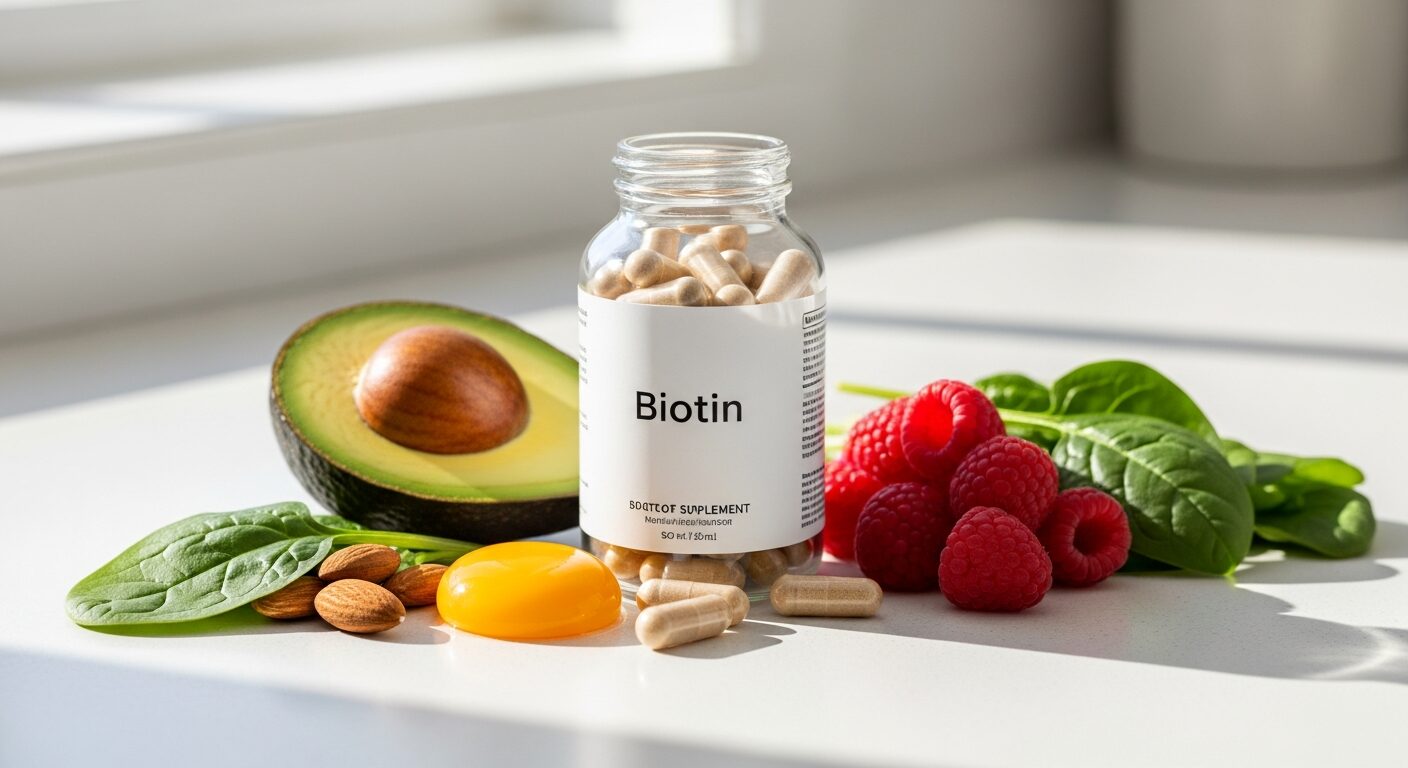
Unlike fat-soluble vitamins that can be stored in your body’s tissues, biotin cannot be stored in significant amounts. This means you need a consistent daily intake through either food sources or supplementation. Natural food sources of biotin include egg yolks, liver, nuts, seeds, and certain vegetables like sweet potatoes and spinach. However, the bioavailability of biotin from food sources can vary significantly, which is why some people turn to supplements to ensure adequate intake.
Key Benefits of Biotin
The most well-documented benefit of biotin supplementation relates to correcting biotin deficiency, which can manifest as hair thinning, brittle nails, and skin problems. Clinical studies have shown that biotin supplementation can significantly improve hair and nail quality in individuals with documented biotin deficiency, though true deficiency is relatively rare in healthy adults.
Beyond addressing deficiency, biotin supports hair health through its role in keratin production. Keratin is the primary structural protein in hair, and biotin helps facilitate the complex biochemical processes needed to synthesize this protein effectively. This is why biotin supplementation may benefit individuals with certain genetic variations that affect biotin metabolism or those with increased biotin needs due to pregnancy, prolonged antibiotic use, or certain medical conditions.
Research also suggests that biotin may help improve hair thickness and reduce hair shedding in some individuals, even when overt deficiency isn’t present. However, these effects are typically most pronounced in people with underlying biotin metabolism issues or those experiencing hair problems related to nutritional inadequacies rather than genetic male-pattern baldness or other hormonal causes of hair loss.
What Most People Get Wrong About Biotin
One of the most persistent myths about biotin is that more is always better. Many people assume that taking mega-doses of biotin—sometimes 10,000 to 20,000 mcg daily—will accelerate hair growth beyond normal rates. However, scientific evidence doesn’t support this approach. Once your body’s biotin needs are met, additional biotin doesn’t provide proportional benefits and is simply excreted in urine. The recommended daily allowance for biotin is only 30 mcg for adults, and most people can meet their needs with doses between 100-300 mcg daily.
Another common misconception is that biotin works quickly and universally for everyone experiencing hair loss. In reality, biotin supplementation typically only produces noticeable improvements in individuals who have some degree of biotin insufficiency or specific metabolic issues affecting biotin utilization. If your hair loss is due to hormonal factors, genetics, stress, or other non-nutritional causes, biotin alone is unlikely to provide dramatic results.
Many people also believe that biotin is completely harmless because it’s a water-soluble vitamin. While biotin is generally safe, high-dose supplementation can interfere with certain laboratory tests, including thyroid function tests and cardiac markers. This interference can lead to misdiagnosis or delayed recognition of serious health conditions. Additionally, some individuals may experience skin reactions or digestive upset from high-dose biotin supplements.
Perhaps the most surprising misconception is that biotin deficiency is common in developed countries. Research indicates that true biotin deficiency is actually quite rare in healthy individuals consuming a varied diet, as the vitamin is found in many common foods and is also produced by beneficial bacteria in the intestines. This means that many people taking biotin supplements may not actually need them for hair health purposes.
What Happens to Your Body After 30 Days of Taking Biotin
During the first week of biotin supplementation, most people won’t notice any dramatic changes in their hair, skin, or nails. This is because biotin works at the cellular level to support ongoing metabolic processes rather than providing immediate visible effects. However, if you were previously deficient in biotin, you might begin to experience subtle improvements in energy levels as your body’s ability to metabolize nutrients becomes more efficient.
By week two, individuals with biotin insufficiency may start to notice that their nails feel slightly stronger and less prone to breaking. Hair that was previously brittle or prone to breakage might begin to feel more resilient, though changes in hair growth rate typically aren’t apparent yet since hair grows slowly—approximately half an inch per month under optimal conditions.
Weeks three and four often represent the timeframe when the most noticeable changes occur, particularly for those who were previously deficient. Hair may appear shinier and feel softer to the touch. Nail growth may seem more consistent, and skin texture might improve slightly. However, it’s important to note that significant changes in hair length, thickness, or growth pattern typically require 3-6 months of consistent supplementation, as this aligns with natural hair growth cycles.
For individuals who weren’t biotin deficient to begin with, the 30-day mark may pass without obvious changes. This doesn’t necessarily mean the supplement isn’t working—biotin may be supporting optimal function of metabolic processes that were already functioning adequately. Studies suggest that the most dramatic improvements from biotin supplementation occur in individuals with documented biotin deficiency or specific genetic variations affecting biotin metabolism.
Who Should NOT Take Biotin
Individuals scheduled for laboratory tests should avoid high-dose biotin supplements for at least 72 hours before testing, as biotin can significantly interfere with many common lab assays. This interference is particularly problematic for thyroid function tests, where biotin can cause falsely elevated or suppressed results, potentially leading to misdiagnosis of thyroid disorders. Cardiac markers, hormone panels, and vitamin D tests can also be affected.
People taking certain medications should exercise caution with biotin supplementation. Anticonvulsant medications like phenytoin, carbamazepine, and phenobarbital can increase biotin breakdown and may require medical supervision when combined with biotin supplements. Additionally, individuals taking antibiotics for extended periods may have altered gut bacteria that affects natural biotin production, making supplement timing and dosing more complex.
Pregnant and breastfeeding women should consult with their healthcare providers before starting biotin supplementation, even though biotin is generally considered safe during pregnancy. While biotin needs may increase during pregnancy and lactation, most prenatal vitamins already contain appropriate amounts of biotin, making additional supplementation potentially unnecessary.
Individuals with known allergies to cobalt or cobalamin should be cautious, as some biotin supplements may contain trace amounts of these substances. People with severe kidney disease should also consult their doctors, as altered kidney function can affect how water-soluble vitamins like biotin are processed and eliminated from the body. Finally, anyone experiencing sudden, severe hair loss should seek medical evaluation rather than self-treating with supplements, as this could indicate an underlying medical condition requiring professional treatment.
Dosage and Best Forms
For general health maintenance, most adults benefit from biotin doses between 30-100 mcg daily, which aligns closely with the adequate intake levels established by nutrition authorities. Individuals specifically targeting hair, skin, and nail health often see benefits with doses ranging from 100-300 mcg daily, though higher amounts aren’t necessarily more effective.
The most common and well-absorbed form of biotin in supplements is D-biotin, which is identical to the naturally occurring form found in foods. This form typically offers excellent bioavailability and is used in most clinical research studies. Some supplements contain biotin in combination with other B-vitamins or specific nutrients like zinc, selenium, or collagen peptides that may provide complementary benefits for hair health.
Timing of biotin supplementation can influence absorption and effectiveness. Taking biotin with food may improve absorption and reduce the likelihood of stomach upset, particularly with higher doses. However, avoid taking biotin supplements with raw egg whites, as they contain avidin, a protein that can bind to biotin and reduce its absorption.
Quality considerations are particularly important when choosing biotin supplements, as the supplement industry is not as strictly regulated as pharmaceuticals. Look for products that have been third-party tested for purity and potency, and choose brands that provide clear labeling about the specific form and amount of biotin included. Avoid products making exaggerated claims about hair growth rates or dramatic transformations, as these often indicate poor quality or misleading marketing practices.
🌿 Looking for Biotin Supplements?
Browse top-rated Biotin supplements, independently tested and recommended by our editorial team.
Affiliate disclosure: We may earn a small commission at no extra cost to you.
Frequently Asked Questions
Can I take biotin and collagen supplements together?
Yes, biotin and collagen supplements can safely be taken together and may provide complementary benefits for hair health. Biotin supports the metabolic processes needed for keratin production, while collagen provides amino acids that serve as building blocks for hair structure. Many people find that combining these supplements offers more comprehensive support than taking either one alone.
How long does it take to see results from biotin supplementation?
Most people begin noticing improvements in nail strength and hair texture within 4-8 weeks of consistent biotin supplementation, provided they had some degree of biotin insufficiency to begin with. However, significant changes in hair growth rate or thickness typically require 3-6 months, as this aligns with natural hair growth cycles and the time needed for new, healthier hair to grow out.
Will stopping biotin supplementation cause hair loss?
Discontinuing biotin supplements won’t cause hair loss beyond what would naturally occur based on your individual genetics and health status. However, if biotin supplementation was addressing an underlying deficiency or insufficiency, stopping the supplement might lead to a gradual return of previous hair and nail problems over several months.
Can biotin cause weight gain or other side effects?
Biotin supplementation typically doesn’t cause weight gain, as it’s a water-soluble vitamin that supports metabolism rather than providing calories. Most people tolerate biotin well, though some may experience mild digestive upset, skin rashes, or changes in sleep patterns with very high doses. These effects usually resolve when the dosage is reduced.
Is biotin effective for male pattern baldness?
Biotin supplementation is generally not effective for treating male pattern baldness, as this type of hair loss is primarily driven by hormonal factors and genetic sensitivity to dihydrotestosterone (DHT). While biotin can support overall hair health and may improve the quality of remaining hair, it won’t address the underlying hormonal mechanisms causing pattern hair loss in men or women.
Medical Disclaimer
The information provided in this article is for educational purposes only and is not intended as a substitute for professional medical advice, diagnosis, or treatment. Always seek the advice of your physician or other qualified health provider with any questions you may have regarding a medical condition or supplement regimen. Never disregard professional medical advice or delay in seeking it because of something you have read in this article.
Individual responses to supplements can vary significantly based on genetics, health status, diet, and other factors. The statements made about biotin and collagen have not been evaluated by the Food and Drug Administration, and these supplements are not intended to diagnose, treat, cure, or prevent any disease. If you are pregnant, nursing, taking medications, or have any medical conditions, consult your healthcare provider before starting any new supplement regimen.