
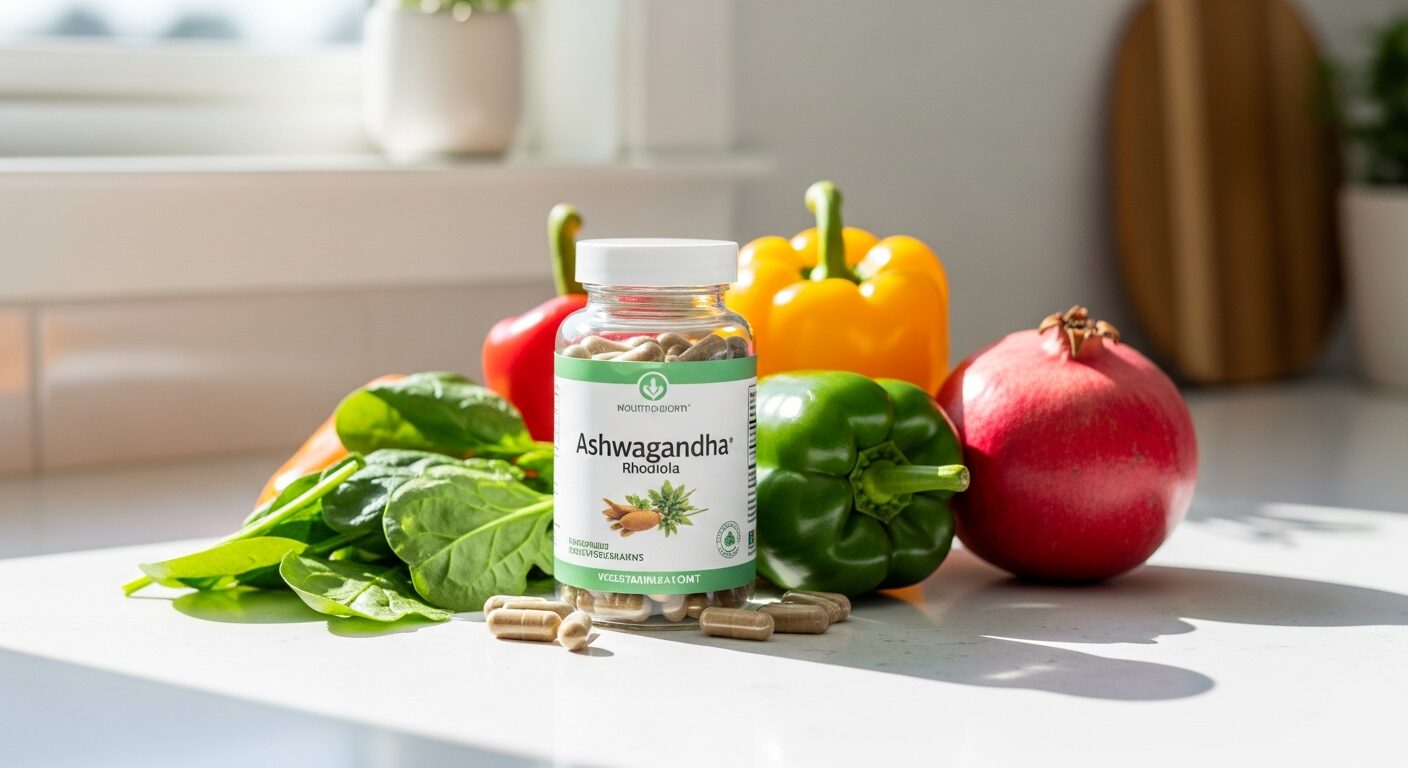
In the bustling world of adaptogenic supplements, two ancient remedies have captured the attention of modern wellness enthusiasts: Ashwagandha and Rhodiola. Both promise to help combat stress, boost energy, and enhance overall well-being, but which one truly delivers superior results? As millions of people search for natural solutions to manage their hectic lifestyles, understanding the distinct differences between these powerful herbs has become more crucial than ever.
While both adaptogens share similar stress-fighting properties, they work through different mechanisms in your body and offer unique benefits that may make one more suitable for your specific health goals. Ashwagandha, known as the “Indian Winter Cherry,” has been used in Ayurvedic medicine for over 3,000 years, while Rhodiola, dubbed the “Golden Root,” has deep roots in traditional Scandinavian and Russian folk medicine. The question isn’t necessarily which is objectively better, but rather which aligns best with your individual needs and biochemistry.
This comprehensive analysis will dive deep into the science behind both supplements, examining their mechanisms of action, clinical evidence, and real-world applications to help you make an informed decision about which adaptogen deserves a place in your wellness routine.
🌿 Looking for Ashwagandha supplements? Shop Amazon →
Contents
What is Ashwagandha
Ashwagandha (Withania somnifera) is a small shrub native to India, the Middle East, and parts of Africa. Often called “Indian ginseng” or “winter cherry,” this remarkable herb belongs to the nightshade family and has earned its reputation as one of the most revered adaptogens in traditional medicine. The name “ashwagandha” literally translates to “smell of horse” in Sanskrit, referring both to the herb’s distinctive odor and the belief that consuming it would grant the strength and vitality of a horse.
The therapeutic power of ashwagandha lies primarily in its roots, which contain a complex array of bioactive compounds called withanolides. These naturally occurring steroids are responsible for most of the herb’s adaptogenic properties, helping the body maintain balance during times of physical, mental, and emotional stress. Modern extraction techniques have allowed researchers to standardize ashwagandha supplements to contain specific concentrations of withanolides, typically ranging from 1.5% to 12%, ensuring consistent potency and effects.
What sets ashwagandha apart from other adaptogens is its unique ability to work as both a stimulant and a sedative, depending on what your body needs. This bidirectional effect makes it particularly valuable for individuals dealing with stress-related sleep issues, as it can help calm an overactive mind while simultaneously supporting energy levels during the day.
Key Benefits of Ashwagandha
Clinical research has validated many of ashwagandha’s traditional uses, revealing a impressive range of science-backed benefits. One of the most well-documented effects is its ability to significantly reduce cortisol levels and perceived stress. Studies consistently show that individuals taking ashwagandha experience measurable improvements in stress resilience, often within just a few weeks of consistent supplementation.
The herb’s impact on physical performance has also garnered significant attention from researchers and athletes alike. Ashwagandha supplementation significantly increases muscle mass and strength in resistance training, 2015 demonstrates how this adaptogen can enhance both muscle growth and exercise performance when combined with a proper training regimen.
Cognitive function represents another area where ashwagandha shines. Regular supplementation has been shown to improve attention, information processing speed, and overall cognitive performance. The herb appears to support brain health by reducing inflammation and oxidative stress while promoting the growth of new neural connections. This makes it particularly valuable for individuals experiencing brain fog, mental fatigue, or age-related cognitive decline.
Sleep quality improvements are frequently reported by ashwagandha users, and research supports these anecdotal reports. The herb helps regulate the sleep-wake cycle by modulating cortisol patterns and promoting relaxation without causing daytime drowsiness. Many users find that they fall asleep more easily and experience deeper, more restorative sleep cycles.
Emerging research also suggests potential benefits for blood sugar regulation, immune system support, and even cardiovascular health. While more studies are needed to fully understand these effects, the preliminary evidence is promising and aligns with ashwagandha’s traditional use as a general health tonic.
What Most People Get Wrong About Ashwagandha
Despite its growing popularity, several persistent myths and misconceptions surround ashwagandha that can lead to unrealistic expectations or improper usage. Understanding these common errors can help you approach this powerful adaptogen with appropriate expectations and maximize its benefits.
One of the most widespread misconceptions is that ashwagandha works immediately like a pharmaceutical drug. Many people expect to feel dramatic changes within hours or days of their first dose, but this simply isn’t how adaptogens function. Unlike stimulants or sedatives that produce acute effects, ashwagandha works by gradually helping your body adapt to stress and restore balance. The most significant benefits typically emerge after 2-8 weeks of consistent use, as your body’s stress response systems recalibrate and optimize.
Another common myth is that “more is always better” when it comes to dosing. Some individuals assume that taking higher doses will accelerate results or provide more dramatic benefits, but research suggests there’s an optimal therapeutic window for ashwagandha. Taking excessive amounts doesn’t enhance benefits and may actually increase the risk of side effects like digestive upset or drowsiness. Most clinical studies showing positive effects use doses between 300-600mg of standardized extract daily, and exceeding these amounts rarely provides additional advantages.
Many people also incorrectly believe that all ashwagandha supplements are created equal. The reality is that the extraction method, withanolide concentration, and root quality can vary dramatically between products. Some manufacturers use leaf extracts instead of roots, or fail to standardize their products for active compounds. This variability means that the cheap ashwagandha supplement you find at a discount store may contain minimal active compounds compared to a properly standardized extract, leading to disappointing results despite consistent use.
Perhaps the most surprising misconception is the belief that ashwagandha is universally safe and suitable for everyone. While it’s generally well-tolerated, ashwagandha can interact with certain medications and isn’t appropriate for all individuals. People with autoimmune conditions, pregnant women, and those taking specific medications need to exercise caution, yet many assume that “natural” automatically means “safe for everyone.”
What Happens to Your Body After 30 Days of Taking Ashwagandha
Understanding the timeline of ashwagandha’s effects can help set realistic expectations and ensure you give the supplement adequate time to work. The body’s response to this adaptogen follows a predictable pattern, with different benefits emerging at various stages of consistent supplementation.
Week 1: Initial Adaptation
During the first week, most people notice subtle changes rather than dramatic transformations. Sleep quality often improves first, with many users reporting that they fall asleep more easily and wake up feeling slightly more refreshed. Some individuals may experience mild digestive adjustments as their body adapts to the new supplement. Energy levels might fluctuate as the herb begins to influence cortisol patterns, and a few people may notice reduced anxiety during stressful situations, though these effects are typically mild.
Week 2: Noticeable Improvements
The second week typically brings more pronounced benefits as ashwagandha begins to accumulate in your system. Stress resilience becomes more apparent, with many users finding that daily challenges feel more manageable. Sleep improvements become more consistent, and morning energy levels often stabilize at a higher baseline. Some people begin to notice improved mood stability and reduced irritability during this period. Physical recovery from exercise may also start to improve, though strength gains typically take longer to manifest.
Week 3-4: Peak Benefits
By the third and fourth weeks, ashwagandha’s full spectrum of effects typically becomes apparent. Ashwagandha root extract reduces serum cortisol levels in chronically stressed adults, 2012 shows that significant cortisol reductions and stress improvements are typically observed after 4-8 weeks of consistent use. Mental clarity and cognitive performance often reach their peak during this period, with improved focus, better memory, and enhanced problem-solving abilities.
Physical benefits also become more evident during weeks 3-4. Those engaging in regular exercise may notice improved strength, endurance, and recovery times. The herb’s effects on body composition may also begin to show, particularly when combined with proper diet and exercise. Immune function improvements, while less noticeable subjectively, are also typically at their peak during this timeframe according to clinical research.
It’s important to note that individual responses can vary significantly based on factors like body weight, stress levels, overall health status, and the specific ashwagandha extract being used. Some people may notice benefits sooner, while others may require 6-8 weeks to experience the full effects.
Who Should NOT Take Ashwagandha
While ashwagandha is generally safe for most healthy adults, certain individuals should exercise caution or avoid this supplement entirely. Understanding these contraindications is crucial for safe and effective use.
Pregnant and breastfeeding women should avoid ashwagandha completely. The herb may increase the risk of miscarriage and could potentially affect fetal development. There’s insufficient research on its safety during breastfeeding, so it’s best to err on the side of caution during these periods. Women trying to conceive should also consult with their healthcare provider, as ashwagandha may influence reproductive hormones.
Individuals with autoimmune conditions such as rheumatoid arthritis, lupus, multiple sclerosis, or Type 1 diabetes should be particularly cautious. Ashwagandha can stimulate immune system activity, which might exacerbate autoimmune symptoms in susceptible individuals. While some people with these conditions may benefit from ashwagandha under medical supervision, self-medication is not recommended.
Those scheduled for surgery should discontinue ashwagandha at least two weeks beforehand. The herb can potentially interact with anesthesia and may affect blood sugar levels during and after surgical procedures. Additionally, ashwagandha’s mild blood-thinning effects could theoretically increase bleeding risk, though this hasn’t been definitively established in clinical studies.
Several important drug interactions require consideration. Ashwagandha may enhance the effects of medications for diabetes, blood pressure, and immunosuppressants. It can also interact with sedatives, potentially increasing drowsiness. People taking thyroid medications should be particularly careful, as ashwagandha may increase thyroid hormone levels. Always consult with a healthcare provider before combining ashwagandha with any prescription medications.
Individuals with hyperthyroidism should generally avoid ashwagandha, as it may further stimulate thyroid function. Those with low blood pressure should also use caution, as the herb may cause additional blood pressure reductions. Anyone with a history of stomach ulcers should start with lower doses, as ashwagandha may irritate the digestive tract in sensitive individuals.
Dosage and Best Forms
Determining the optimal ashwagandha dosage and form depends on your specific goals, body weight, and sensitivity to supplements. Most clinical research uses doses between 300-600mg of standardized root extract daily, typically standardized to contain 1.5-12% withanolides.
For stress management and general wellness, 300-500mg of standardized extract taken once daily is typically effective. Those seeking performance benefits or dealing with chronic stress may benefit from higher doses up to 600mg daily, ideally split into two doses. It’s advisable to start with the lowest effective dose and gradually increase if needed, allowing your body time to adapt.
Timing can influence ashwagandha’s effects significantly. For stress and anxiety relief, taking it with breakfast or lunch is often optimal. However, individuals using it primarily for sleep support may benefit from taking it 30-60 minutes before bedtime. Some people find that splitting the dose between morning and evening provides the most balanced effects throughout the day.
The most researched and reliable form is standardized root extract in capsule form. Full-spectrum ashwagandha root extract reduces stress and anxiety in adults, 2019 demonstrates the effectiveness of properly standardized extracts in clinical settings. Powder forms can be effective but may have variable potency and a strong, unpleasant taste. Liquid extracts and gummies are available but often contain lower concentrations of active compounds.
When selecting a supplement, look for products that specify the withanolide content and use root extract rather than leaf extract. Third-party testing for purity and potency provides additional assurance of quality and safety.
🌿 Looking for Ashwagandha Supplements?
Browse top-rated Ashwagandha supplements, independently tested and recommended by our editorial team.
Affiliate disclosure: We may earn a small commission at no extra cost to you.
Frequently Asked Questions
How long does it take for ashwagandha to work?
Most people begin noticing subtle effects like improved sleep quality within the first week, but significant benefits typically emerge after 2-4 weeks of consistent use. Stress reduction and cognitive improvements often become apparent around week 3, while physical performance benefits may take 4-8 weeks to fully manifest. Individual responses can vary based on factors like dosage, overall health, and stress levels.
Can I take ashwagandha with other supplements?
Ashwagandha generally combines well with most other supplements, including vitamin D, magnesium, and B-complex vitamins. It may even enhance the stress-reducing effects of other adaptogens like rhodiola or holy basil. However, be cautious when combining it with other sedating supplements like melatonin or valerian, as effects may be amplified. Always consult a healthcare provider when combining multiple supplements or medications.
Will ashwagandha make me sleepy during the day?
While ashwagandha can promote better sleep quality, it shouldn’t cause daytime drowsiness when taken at appropriate doses. The herb works by helping regulate cortisol patterns rather than acting as a direct sedative. If you experience daytime sleepiness, try reducing your dose or adjusting the timing of administration. Taking it with food may also help minimize any sedating effects.
Is it safe to take ashwagandha long-term?
Current research suggests that ashwagandha is safe for long-term use in healthy adults when taken at recommended doses. Studies have followed participants for up to 6 months without significant adverse effects. However, it’s wise to take periodic breaks (such as one week off every 2-3 months) to prevent tolerance and allow your body’s natural stress response systems to function independently.
Can ashwagandha help with weight loss?
While ashwagandha isn’t primarily a weight loss supplement, it may support healthy weight management indirectly. By reducing cortisol levels and stress, it can help decrease stress-related eating and reduce belly fat accumulation. The herb may also improve exercise performance and recovery, supporting more effective workouts. However, sustainable weight loss still requires a balanced diet and regular exercise routine.
Medical Disclaimer
This article is for informational purposes only and should not be considered medical advice. The information provided is based on scientific research and traditional use but is not intended to diagnose, treat, cure, or prevent any disease. Individual responses to supplements can vary significantly, and what works for one person may not work for another.
Before starting any new supplement regimen, including ashwagandha, consult with a qualified healthcare provider, especially if you have pre-existing health conditions, take medications, or are pregnant or breastfeeding. Your healthcare provider can help determine if ashwagandha is appropriate for your individual circumstances and can monitor for potential interactions or side effects.
The FDA has not evaluated the statements in this article, and ashwagandha supplements are not intended to diagnose, treat, cure, or prevent any disease. Always purchase supplements from reputable manufacturers and follow dosage instructions carefully.