
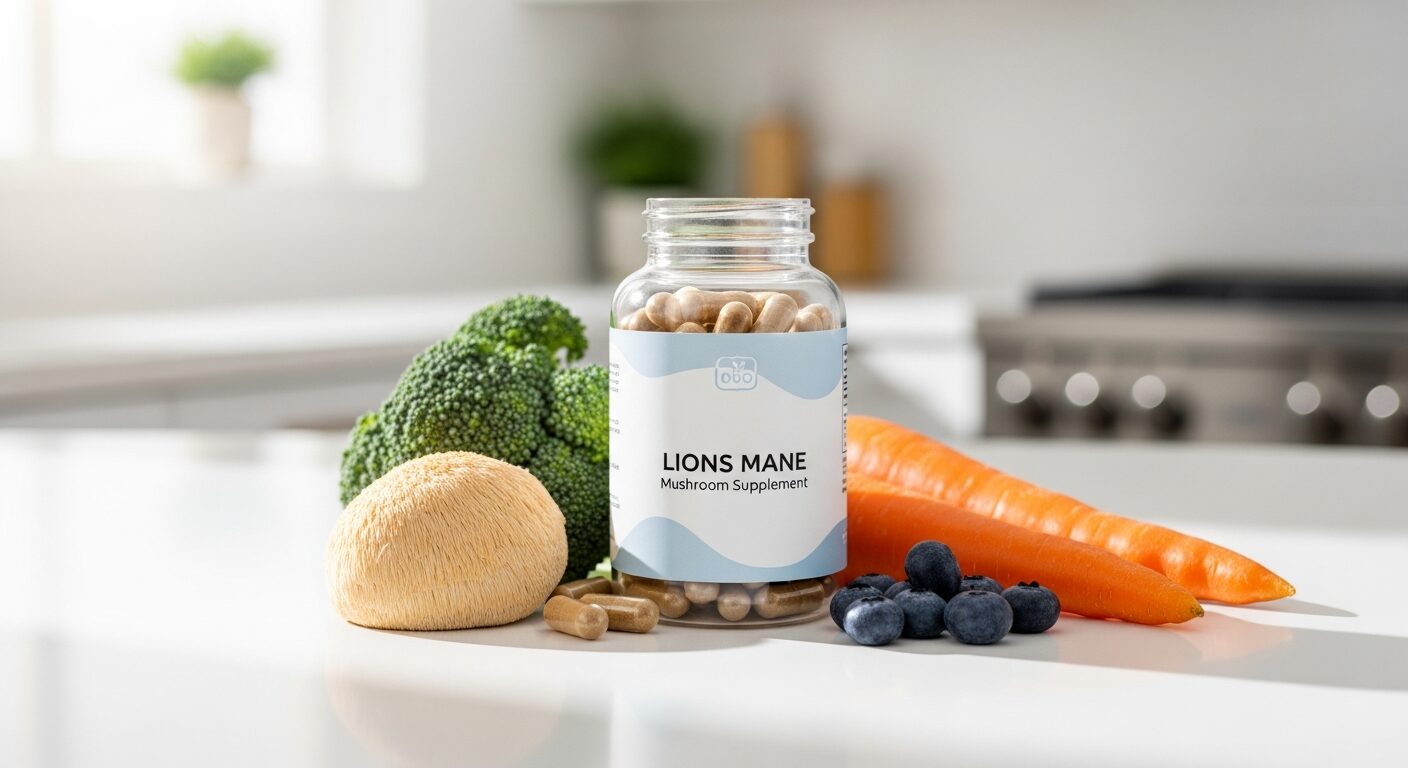
In the rapidly expanding world of nootropic supplements, Lion’s Mane mushroom has emerged as one of the most promising natural compounds for cognitive enhancement and overall brain health. Unlike synthetic smart drugs with questionable safety profiles, this distinctive white, shaggy mushroom offers a science-backed approach to supporting mental clarity, focus, and neurological function.
What sets Lion’s Mane apart from other popular supplements isn’t just its unique appearance—resembling a white waterfall or lion’s mane—but its remarkable ability to stimulate nerve growth factor (NGF) production in the brain. This mechanism of action has captured the attention of researchers worldwide, leading to a growing body of clinical evidence supporting its use for cognitive enhancement, neuroprotection, and even potential therapeutic applications for neurodegenerative diseases.
However, despite its growing popularity, many people harbor significant misconceptions about Lion’s Mane, from unrealistic expectations about immediate effects to confusion about proper dosing and potential interactions. This comprehensive guide will separate fact from fiction, providing you with evidence-based insights into what Lion’s Mane can and cannot do for your health.
🌿 Looking for Lions Mane supplements? Shop Amazon →
Contents
What is Lions Mane
Lion’s Mane (Hericium erinaceus) is a distinctive edible mushroom that has been used in traditional Chinese medicine for centuries, where it’s known as “yamabushitake” in Japan and “monkey head mushroom” in China. Unlike typical cap-and-stem mushrooms, Lion’s Mane features cascading white icicle-like spines that give it its characteristic appearance.
The mushroom grows naturally on hardwood trees throughout North America, Europe, and Asia, typically appearing in late summer and fall. While it’s been consumed as both food and medicine for generations, modern scientific research has only recently begun to validate many of its traditional uses.
The bioactive compounds responsible for Lion’s Mane’s health effects include hericenones and erinacines—unique molecules that can cross the blood-brain barrier and stimulate the production of nerve growth factor (NGF). These compounds are primarily found in the mushroom’s fruiting body and mycelium, though concentrations can vary significantly depending on growing conditions, extraction methods, and processing techniques.
Today, Lion’s Mane is available in various forms including fresh mushrooms, dried powder, standardized extracts, and encapsulated supplements, making it accessible to anyone interested in exploring its potential cognitive and neurological benefits.
Key Benefits of Lions Mane
The most well-documented benefit of Lion’s Mane is its ability to support cognitive function and brain health through multiple mechanisms. Research indicates that regular supplementation may enhance memory formation, improve focus and concentration, and support overall mental clarity.
One of the most significant advantages is Lion’s Mane’s neuroprotective properties. The mushroom’s ability to stimulate NGF production helps maintain existing neurons while potentially promoting the growth of new neural connections. This mechanism may be particularly beneficial for aging adults or individuals concerned about cognitive decline.
Studies have also shown promising results for Lion’s Mane’s potential in supporting mood and emotional well-being. Effects of Hericium erinaceus on amyloid β(25-35) peptide-induced learning and memory impairment in mice, 2011 demonstrated improvements in anxiety and depression-related symptoms in animal models, suggesting potential applications for mental health support.
Beyond cognitive benefits, Lion’s Mane shows promise for supporting digestive health. Traditional use for stomach ailments appears to have scientific backing, with research indicating the mushroom may help protect the stomach lining and support healthy gut bacteria balance.
Additionally, preliminary research suggests Lion’s Mane may support immune function and provide antioxidant protection against cellular damage, though more human studies are needed to fully establish these effects.
What Most People Get Wrong About Lions Mane
One of the most pervasive myths about Lion’s Mane is that it produces immediate, noticeable cognitive effects similar to caffeine or prescription stimulants. Many users expect to feel dramatically smarter or more focused within hours or days of their first dose. In reality, Lion’s Mane works through neuroplasticity mechanisms that require weeks or months to produce measurable benefits. The compound’s effects on nerve growth factor production and neural regeneration are gradual processes that build over time.
Another common misconception is that all Lion’s Mane supplements are created equal. Many consumers assume that the form doesn’t matter—whether they choose fruiting body extracts, mycelium products, or whole mushroom powders. However, research shows significant differences in bioactive compound concentrations between these forms. Fruiting body extracts typically contain higher levels of the beneficial hericenones, while mycelium products may offer different ratios of erinacines. Some products marketed as “Lion’s Mane” actually contain mostly grain fillers with minimal active compounds.
A third widespread myth is that Lion’s Mane is completely safe for everyone because it’s “natural.” While generally well-tolerated, Lion’s Mane can cause allergic reactions in sensitive individuals and may interact with certain medications, particularly blood thinners. Some users also experience digestive upset, skin rashes, or respiratory symptoms, especially when starting with high doses.
Finally, many people believe that Lion’s Mane can cure or reverse neurodegenerative diseases like Alzheimer’s or Parkinson’s. While research shows promising neuroprotective effects and potential therapeutic applications, current evidence comes primarily from animal studies and small human trials. Improving effects of the mushroom Yamabushitake on mild cognitive impairment, 2009 showed improvements in mild cognitive impairment, but this doesn’t translate to curing established neurodegenerative conditions.
What Happens to Your Body After 30 Days of Taking Lions Mane
Week 1: During the initial week of Lion’s Mane supplementation, most users experience minimal noticeable changes. However, important cellular processes are already beginning. The bioactive compounds start accumulating in neural tissues and initiating NGF production. Some sensitive individuals may notice slight improvements in sleep quality or minor digestive changes, but dramatic cognitive effects are unlikely during this period.
Week 2: By the second week, early adopters may begin experiencing subtle cognitive improvements. These might include slightly better focus during mentally demanding tasks, improved word recall, or enhanced mental clarity in the afternoons when cognitive fatigue typically sets in. The mushroom’s effects on neural connectivity are beginning to manifest, though changes remain modest for most users.
Week 3-4: The third and fourth weeks typically represent the period when Lion’s Mane’s benefits become most apparent. Research suggests this timeline aligns with the mushroom’s neuroplasticity effects reaching meaningful levels. Users commonly report improvements in working memory, enhanced ability to concentrate for extended periods, and better overall cognitive resilience. Some individuals also notice improvements in mood stability and reduced mental fatigue.
It’s important to note that individual responses vary significantly based on factors including baseline cognitive function, dosage, extract quality, overall health status, and concurrent lifestyle factors. Some users may require 6-8 weeks to experience full benefits, while others might notice changes earlier. Consistency in dosing appears crucial for optimal results, as the neuroplasticity benefits depend on sustained NGF stimulation rather than acute effects.
Who Should NOT Take Lions Mane
Individuals with known mushroom allergies should avoid Lion’s Mane, as allergic reactions can range from mild skin irritation to severe respiratory symptoms. Those who have previously experienced allergic reactions to other medicinal mushrooms like reishi, cordyceps, or shiitake should exercise particular caution and consider allergy testing before use.
People taking anticoagulant or antiplatelet medications, including warfarin, heparin, aspirin, or clopidogrel, should consult healthcare providers before using Lion’s Mane. The mushroom may enhance these medications’ effects, potentially increasing bleeding risk. Similarly, individuals scheduled for surgery should discontinue Lion’s Mane at least two weeks prior to the procedure.
Pregnant and breastfeeding women should avoid Lion’s Mane supplementation due to insufficient safety data in these populations. While the mushroom has a long history of culinary use, concentrated extracts haven’t been adequately studied for safety during pregnancy or lactation.
Those with autoimmune conditions should use Lion’s Mane with caution, as it may stimulate immune system activity. Individuals with conditions like multiple sclerosis, rheumatoid arthritis, or lupus should discuss supplementation with their healthcare providers, as immune stimulation could potentially exacerbate symptoms.
People with diabetes should monitor blood glucose levels closely when starting Lion’s Mane, as some research suggests it may affect blood sugar regulation. While this effect could be beneficial for some individuals, it necessitates careful monitoring and potential medication adjustments.
Dosage and Best Forms
Research-based dosing for Lion’s Mane varies depending on the extract type and concentration of active compounds. For standardized fruiting body extracts containing 30% polysaccharides, typical dosages range from 500-1000mg daily, usually divided into two doses taken with meals to minimize potential digestive upset.
Whole mushroom powder requires higher doses, typically 1-3 grams daily, due to lower concentrations of bioactive compounds. However, whole mushroom products may offer a broader spectrum of nutrients and cofactors that support the primary active ingredients.
For those seeking maximum potency, dual-extracted supplements combining both water and alcohol extraction methods tend to provide the most comprehensive profile of bioactive compounds. Neurotrophic properties of the Lion’s mane medicinal mushroom, 2013 suggests that extraction method significantly impacts bioavailability and efficacy.
Timing appears important for optimization. Most users report better results when taking Lion’s Mane with breakfast and lunch rather than evening doses, which may interfere with sleep in sensitive individuals. Consistency is crucial—daily dosing produces better results than sporadic use due to the compound’s effects on neuroplasticity requiring sustained stimulation.
Quality considerations include third-party testing for heavy metals and contaminants, organic certification, and clear labeling of extraction ratios and active compound concentrations. Products should specify whether they contain fruiting body, mycelium, or both, as this affects dosing requirements.
🌿 Looking for Lions Mane Supplements?
Browse top-rated Lions Mane supplements, independently tested and recommended by our editorial team.
Affiliate disclosure: We may earn a small commission at no extra cost to you.
Frequently Asked Questions
Can I take Lions Mane with coffee or other stimulants?
Yes, Lion’s Mane can generally be combined safely with moderate caffeine intake. Unlike stimulants, Lion’s Mane doesn’t work through acute neurotransmitter manipulation, so it typically doesn’t create synergistic stimulation or crash effects. Many users actually report that Lion’s Mane helps smooth out caffeine’s sometimes jittery effects while extending mental clarity throughout the day.
How long should I cycle Lions Mane supplementation?
Current research doesn’t indicate a need for cycling Lion’s Mane like some other supplements. The mushroom’s neuroplasticity benefits appear to be cumulative and don’t typically lead to tolerance development. Many study participants used Lion’s Mane continuously for months without diminishing effects. However, taking occasional breaks can help assess whether the supplement continues providing benefits.
Will Lions Mane show up on drug tests?
No, Lion’s Mane mushroom supplements should not trigger positive results on standard drug tests. The bioactive compounds hericenones and erinacines are not controlled substances and are structurally distinct from compounds typically screened for in workplace or athletic drug testing.
Can children or teenagers take Lions Mane safely?
While Lion’s Mane has an excellent safety profile in adults, there’s insufficient research to establish safe dosing for children and adolescents. Given that the supplement affects neural development and growth factors, parents should consult pediatric healthcare providers before considering Lion’s Mane for minors.
Does Lions Mane interact with prescription antidepressants?
While no direct interactions have been reported, Lion’s Mane may influence mood and neurotransmitter systems, potentially affecting how antidepressants work. Individuals taking SSRIs, MAOIs, or other psychiatric medications should discuss Lion’s Mane supplementation with their prescribing physician to ensure safe co-administration and appropriate monitoring.
Medical Disclaimer
The information provided in this article is for educational purposes only and is not intended as medical advice, diagnosis, or treatment. Lion’s Mane supplements have not been evaluated by the Food and Drug Administration and are not intended to diagnose, treat, cure, or prevent any disease.
Individual results may vary, and the effects described may not occur in all users. Before starting any new supplement regimen, especially if you have pre-existing health conditions, take medications, or are pregnant or nursing, consult with a qualified healthcare professional.
If you experience any adverse reactions while taking Lion’s Mane, discontinue use immediately and seek medical attention if symptoms are severe or persistent. This article does not constitute a doctor-patient relationship, and readers should not rely solely on this information for health-related decisions.