
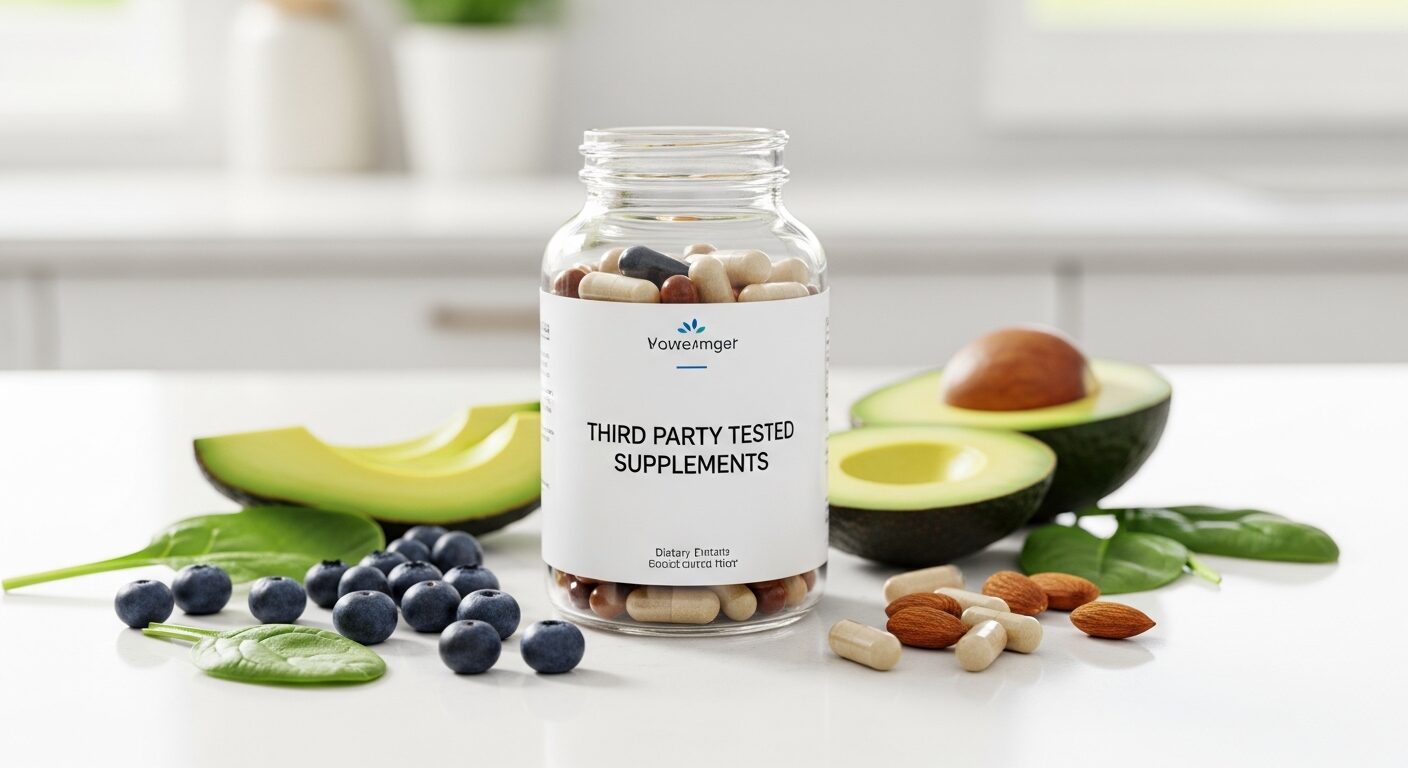
In an industry where bold claims often overshadow scientific evidence, the supplement market has become a minefield of uncertainty for health-conscious consumers. Every day, millions of people trust their health to products that may not contain what’s on the label—or worse, may contain harmful contaminants that could jeopardize their wellbeing.
This is where third-party testing emerges as the gold standard of supplement quality assurance. Unlike manufacturer-conducted testing, which can present obvious conflicts of interest, independent third-party verification provides an unbiased assessment of what’s actually in your bottle. It’s the difference between trusting a company’s word and having concrete, scientific proof of purity, potency, and safety.
Understanding why third-party tested supplements matter isn’t just about making smarter purchasing decisions—it’s about protecting your health, maximizing the effectiveness of your wellness investments, and navigating an industry that desperately needs more transparency and accountability.
🌿 Looking for supplements supplements? Shop Amazon →
Contents
- 1 What is Third-Party Testing for Supplements
- 2 Key Benefits of Third-Party Tested Supplements
- 3 What Most People Get Wrong About Third-Party Testing
- 4 What Happens to Your Body After 30 Days of Taking Third-Party Tested Supplements
- 5 Who Should NOT Take Third-Party Tested Supplements
- 6 Dosage and Best Forms
- 7 Frequently Asked Questions
- 7.1 How can I verify if a supplement is actually third-party tested?
- 7.2 Are third-party tested supplements always more expensive?
- 7.3 How often should third-party testing be conducted?
- 7.4 Can third-party tested supplements still cause side effects?
- 7.5 Do I need third-party tested supplements if I eat a healthy diet?
- 8 Medical Disclaimer
What is Third-Party Testing for Supplements
Third-party testing involves independent laboratories that have no financial relationship with supplement manufacturers analyzing products for quality, purity, and potency. These accredited facilities use sophisticated analytical methods to verify that supplements contain exactly what the label claims, while also screening for potentially dangerous contaminants.
The process typically involves multiple stages of analysis. First, laboratories verify the identity and concentration of active ingredients using techniques like high-performance liquid chromatography (HPLC) and mass spectrometry. They then test for common contaminants including heavy metals like lead, mercury, and cadmium, as well as harmful microorganisms such as E. coli, Salmonella, and yeast.
Unlike internal quality control measures conducted by manufacturers, third-party testing operates under strict independence protocols. The testing laboratories must maintain certifications from organizations like NSF International, Informed Sport, or USP (United States Pharmacopeia), ensuring they meet rigorous standards for accuracy and impartiality.
The verification process also extends to manufacturing practices, with many third-party certifiers requiring facilities to meet Good Manufacturing Practice (GMP) standards. This comprehensive approach ensures that supplements are not only tested for final product quality but are also produced in environments that minimize contamination risks throughout the manufacturing process.
Key Benefits of Third-Party Tested Supplements
The most significant advantage of third-party tested supplements is verified potency accuracy. Research has consistently shown that many supplements on the market contain significantly different amounts of active ingredients than their labels claim. A comprehensive analysis published in BMC Medicine found that 59% of herbal supplements tested contained ingredients not listed on the label, 2015, highlighting the critical need for independent verification.
Contaminant screening provides another crucial layer of protection. Heavy metals, pesticides, and microbial contaminants can accumulate in supplement ingredients during growing, harvesting, and processing. Third-party testing establishes safety thresholds and ensures products meet strict contamination limits, protecting consumers from potentially toxic exposure over time.
Quality consistency represents a major benefit that extends beyond individual bottles. Third-party certified manufacturers must maintain testing protocols across all production batches, ensuring that the supplement you purchase today contains the same quality and potency as the bottle you bought six months ago. This consistency is essential for achieving reliable health outcomes.
Enhanced bioavailability often results from third-party testing protocols that verify not just ingredient presence, but also proper formulation techniques. Independent laboratories can assess whether nutrients are in forms that your body can actually absorb and utilize, rather than simply passing through your digestive system unchanged.
The peace of mind factor cannot be understated. When you choose third-party tested supplements, you’re essentially hiring an independent quality assurance team to protect your health interests. This removes the guesswork from supplement selection and allows you to focus on achieving your health goals rather than worrying about product safety.
What Most People Get Wrong About Third-Party Testing
One of the most pervasive misconceptions is that FDA regulation makes third-party testing unnecessary. In reality, the FDA treats supplements as foods, not drugs, meaning they’re not required to prove safety or efficacy before reaching market shelves. The FDA can only take action after problems are reported, making third-party testing your primary protection against quality issues.
Many consumers incorrectly assume that expensive supplements are automatically higher quality and don’t require third-party verification. Price often reflects marketing budgets and brand positioning rather than actual product quality. Some of the most costly supplements on the market have failed third-party testing for basic purity and potency requirements, while some modestly priced products have earned top certifications.
Another dangerous myth suggests that “natural” automatically means “safe,” making third-party testing optional for herbal and plant-based supplements. Natural products can actually pose higher contamination risks due to environmental factors affecting plant growth, including soil heavy metal content and pesticide exposure. Additionally, natural doesn’t guarantee consistent potency—plant-based ingredients can vary dramatically in active compound concentrations depending on growing conditions and extraction methods.
Perhaps the most surprising misconception involves supplement manufacturing location. Many people believe that supplements made in certain countries are inherently safer or higher quality. However, manufacturing quality depends entirely on facility standards and testing protocols, not geographic location. Some of the highest-quality, most rigorously tested supplements come from facilities in countries that consumers might not expect, while some domestic products fail basic quality standards.
What Happens to Your Body After 30 Days of Taking Third-Party Tested Supplements
During the first week of taking properly verified supplements, your body begins the foundational work of nutrient absorption and distribution. With third-party tested products, you can be confident that the nutrients listed on the label are actually available for your body to use. Initial cellular uptake begins, though most people won’t notice dramatic changes during this period. Your digestive system adapts to the new nutrient profile, and any potential contaminants that might cause immediate digestive upset are absent due to rigorous purity testing.
Week two typically brings the first noticeable effects as your body’s nutrient stores begin to replenish. This is when the accuracy of third-party testing becomes particularly important—inconsistent potency could lead to unpredictable results or delayed benefits. With properly tested supplements, you might begin experiencing improved energy levels, better sleep quality, or enhanced mental clarity, depending on the specific nutrients you’re taking. Your body’s enzymatic processes start optimizing as cofactors and essential nutrients reach therapeutic levels.
By weeks three and four, the full benefits of consistent, high-quality supplementation typically manifest. Research published in Nutrients demonstrates that consistent nutrient intake over 3-4 weeks is necessary to achieve steady-state levels in most tissues, 2017. This is when you might notice significant improvements in areas like immune function, cognitive performance, or physical endurance. The absence of contaminants ensures that these benefits aren’t offset by toxic burden, while verified potency guarantees you’re receiving therapeutic doses rather than ineffective amounts.
The cumulative effect after 30 days represents the establishment of optimal nutrient status in targeted areas. Third-party tested supplements allow this process to occur predictably and safely, without the interference of contaminants or the frustration of inactive ingredients. Your body’s systems can function at higher efficiency levels, and you can accurately assess whether specific supplements are providing the benefits you’re seeking.
Who Should NOT Take Third-Party Tested Supplements
Individuals taking prescription medications should exercise particular caution, even with third-party tested supplements. While third-party testing ensures purity and potency, it doesn’t eliminate the risk of drug-nutrient interactions. Blood thinners like warfarin can be significantly affected by vitamin K-containing supplements, while certain minerals can interfere with antibiotic absorption. Always consult with a healthcare provider before combining supplements with prescription medications.
Pregnant and breastfeeding women require specialized guidance despite the safety advantages of third-party testing. Some nutrients that are beneficial for general adult health can be harmful during pregnancy or lactation. High doses of vitamin A, certain herbal compounds, and even some minerals can pose risks to developing fetuses or nursing infants. Third-party testing ensures purity but doesn’t guarantee appropriateness for these special populations.
People with severe kidney or liver disease should approach supplementation with extreme caution. These organs are responsible for processing and eliminating nutrients and their metabolites. Even pure, properly dosed supplements can overwhelm compromised kidney or liver function, leading to dangerous accumulations of normally safe nutrients. Medical supervision is essential for anyone with significant organ dysfunction.
Individuals scheduled for surgery should discontinue most supplements at least two weeks beforehand, regardless of third-party testing status. Many nutrients can affect blood clotting, anesthesia effectiveness, or healing processes. Vitamin E, fish oil, garlic supplements, and numerous herbal products can increase bleeding risk during and after surgical procedures.
Children under 12 years old have unique nutritional needs and metabolic capacities that make adult supplement formulations inappropriate, even when third-party tested. Pediatric dosing requires careful calculation based on body weight and developmental stage, and many adult supplements contain levels that could be toxic for children.
Dosage and Best Forms
Third-party testing becomes particularly valuable when evaluating different supplement forms and their bioavailability. For minerals, chelated forms typically offer superior absorption compared to oxide forms, but only third-party testing can verify that expensive chelated supplements actually contain the promised chelated minerals rather than cheaper alternatives.
Timing and dosage recommendations gain more significance with third-party tested products because you can trust the labeled potency. Fat-soluble vitamins (A, D, E, K) should be taken with meals containing healthy fats to optimize absorption. Water-soluble vitamins (B-complex, vitamin C) are best taken on an empty stomach but can be taken with food if digestive upset occurs.
Starting doses should typically begin at the lower end of recommended ranges, even with third-party tested supplements. This allows you to assess individual tolerance and effectiveness before increasing to therapeutic doses. A systematic review in the Journal of the American College of Nutrition found that gradual dose escalation reduces the risk of adverse effects while maintaining therapeutic benefits, 2019.
Combination products require special attention to individual ingredient ratios. Third-party testing should verify not only the presence of each ingredient but also the ratios between synergistic nutrients. For example, magnesium and calcium should be balanced properly, and B-vitamins should be present in ratios that support optimal metabolic function.
🌿 Looking for supplements Supplements?
Browse top-rated supplements supplements, independently tested and recommended by our editorial team.
Affiliate disclosure: We may earn a small commission at no extra cost to you.
Frequently Asked Questions
How can I verify if a supplement is actually third-party tested?
Look for specific certification logos on the product label, such as NSF International, USP Verified, or Informed Sport. These organizations maintain public databases where you can verify product certification status. Be wary of vague claims like “laboratory tested” without specific third-party certifier identification. Legitimate third-party tested products will proudly display their certifications and provide easy access to verification information.
Are third-party tested supplements always more expensive?
While third-party testing does add to manufacturing costs, the price difference is often smaller than consumers expect. The testing investment typically adds 10-20% to production costs, but this can be offset by the manufacturer’s confidence in their product quality and reduced risk of recalls or customer complaints. Many companies find that third-party certification actually improves their profit margins through enhanced consumer trust and repeat purchases.
How often should third-party testing be conducted?
Reputable manufacturers conduct third-party testing on every production batch, not just periodically. This ensures consistent quality across all products reaching consumers. Some companies also conduct additional testing on raw ingredients before manufacturing begins. Look for companies that specify “batch-tested” rather than just “third-party tested,” as this indicates more comprehensive quality assurance.
Can third-party tested supplements still cause side effects?
Yes, even pure, properly dosed supplements can cause side effects in sensitive individuals or when combined with medications. Third-party testing ensures you’re getting what’s on the label, but it doesn’t eliminate individual variability in nutrient metabolism or potential interactions. The advantage is that any effects you experience are likely related to the actual supplement ingredients rather than contaminants or unknown substances.
Do I need third-party tested supplements if I eat a healthy diet?
A well-balanced diet should provide most essential nutrients for healthy individuals. However, certain nutrients are difficult to obtain in optimal amounts from food alone, including vitamin D, omega-3 fatty acids, and magnesium. If you choose to supplement despite a healthy diet, third-party testing ensures you’re not introducing contaminants or inconsistent dosing that could disrupt your otherwise optimal nutrition status.
Medical Disclaimer
The information provided in this article is for educational purposes only and is not intended as medical advice, diagnosis, or treatment. Always consult with a qualified healthcare provider before starting any supplement regimen, especially if you have existing health conditions, take medications, or are pregnant or breastfeeding. Individual responses to supplements can vary significantly, and what works for one person may not be appropriate for another. The statements in this article have not been evaluated by the Food and Drug Administration, and the products discussed are not intended to diagnose, treat, cure, or prevent any disease. Never disregard professional medical advice or delay seeking medical treatment based on information from this article.