
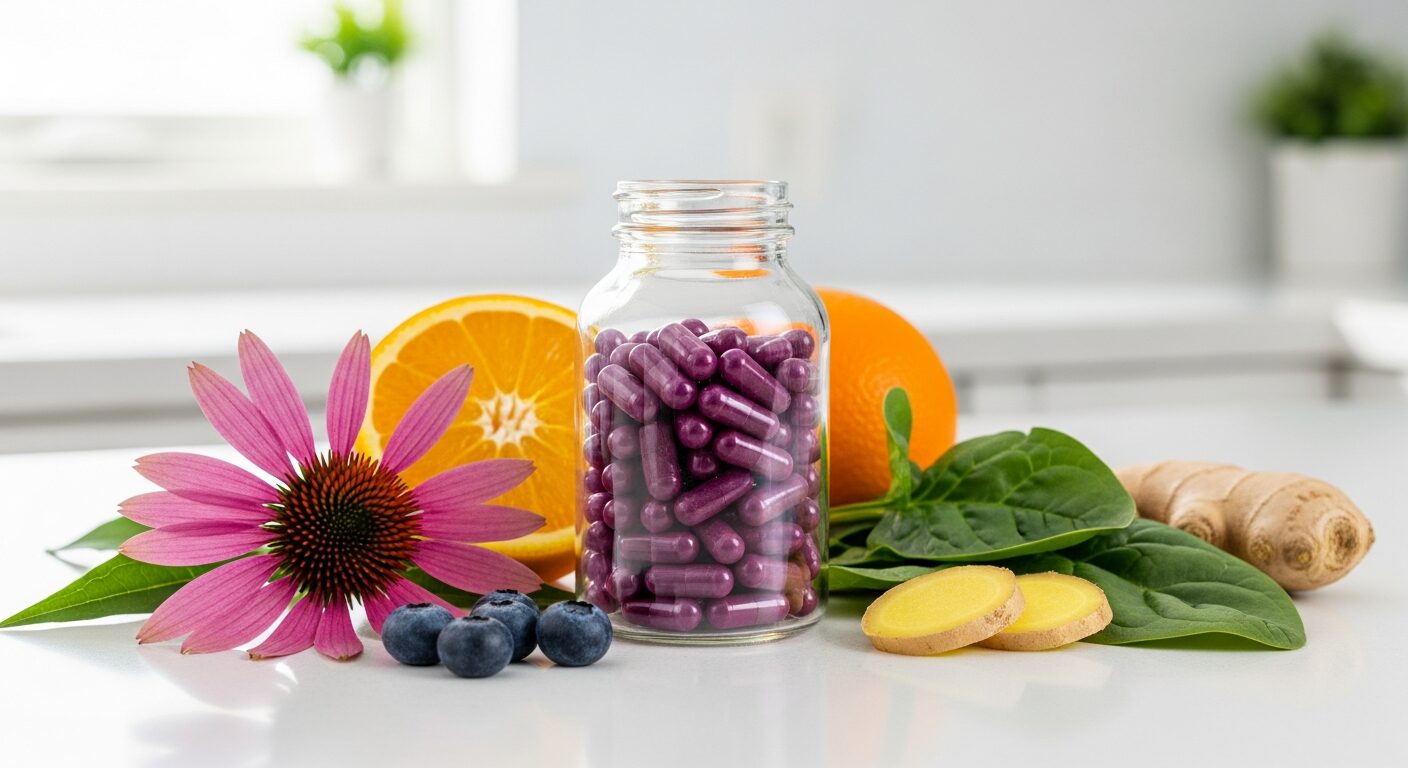
Echinacea stands as one of nature’s most researched and celebrated botanical medicines, yet many people remain unaware of its true potential and proper application. This vibrant purple flowering plant, native to North America, has been capturing the attention of both traditional healers and modern scientists for its remarkable immune-supporting properties. What makes echinacea particularly fascinating is how Indigenous peoples of the Great Plains recognized its medicinal value centuries before modern research validated their traditional knowledge.
Despite its popularity in health stores worldwide, echinacea remains shrouded in misconceptions and incomplete understanding. Many users take it incorrectly, expect unrealistic results, or dismiss it entirely based on flawed studies. The reality is that echinacea, when understood and used properly, offers a sophisticated approach to supporting your body’s natural defense mechanisms. This comprehensive guide will cut through the confusion, revealing what science actually tells us about this powerful plant and how you can harness its benefits effectively.
🌿 Looking for Echinacea supplements? Shop Amazon →
Contents
What is Echinacea
Echinacea belongs to the daisy family (Asteraceae) and comprises nine distinct species, though only three are commonly used medicinally: Echinacea purpurea, Echinacea angustifolia, and Echinacea pallida. The name “echinacea” derives from the Greek word “echinos,” meaning hedgehog, referring to the spiky central cone of the flower that resembles a hedgehog’s spines.
The plant’s medicinal power lies in its complex chemistry. Echinacea contains several bioactive compounds including alkamides, polysaccharides, glycoproteins, caffeic acid derivatives, and essential oils. These compounds work synergistically to modulate immune function, with different parts of the plant—roots, leaves, flowers, and stems—containing varying concentrations of active constituents.
What sets echinacea apart from other immune-supporting herbs is its dual action as both an immunostimulant and immunomodulator. Rather than simply boosting immune activity across the board, echinacea appears to help balance immune responses, supporting them when needed while preventing overactivation that could lead to inflammation or autoimmune reactions.
Key Benefits of Echinacea
Scientific research has identified several well-documented benefits of echinacea supplementation. The most extensively studied benefit involves respiratory health support. A systematic review and meta-analysis published in The Lancet Infectious Diseases, 2007 analyzed multiple clinical trials and found that echinacea products can reduce the duration of upper respiratory tract symptoms by 1-4 days when taken at the first sign of illness.
Beyond respiratory support, echinacea demonstrates impressive wound healing properties. The herb’s anti-inflammatory compounds help reduce swelling and promote tissue repair, while its antimicrobial properties help prevent secondary infections. Traditional topical applications of echinacea have shown promise in supporting skin health and accelerating recovery from minor cuts and abrasions.
Echinacea also exhibits notable antioxidant activity, helping protect cells from oxidative stress and free radical damage. This antioxidant capacity may contribute to the herb’s anti-aging effects and its ability to support overall cellular health. Additionally, emerging research suggests echinacea may help support mental clarity and reduce fatigue, particularly during times of physical or emotional stress.
The herb’s anti-inflammatory properties extend beyond immune support, potentially benefiting joint comfort and cardiovascular health. Some studies indicate that regular echinacea use may help maintain healthy cholesterol levels and support circulation, though more research is needed to fully establish these cardiovascular benefits.
What Most People Get Wrong About Echinacea
Myth 1: All Echinacea Products Are the Same
This misconception leads to significant confusion and disappointing results. The three medicinal species of echinacea contain different concentrations of active compounds, with Echinacea purpurea showing the most consistent clinical results. Furthermore, the plant part used matters enormously—aerial parts (leaves, stems, flowers) have different therapeutic profiles than roots. Many commercial products blend species and plant parts without standardization, creating unpredictable potency and effects.
Myth 2: You Should Take Echinacea Continuously for Best Results
Contrary to popular belief, continuous long-term use of echinacea may actually reduce its effectiveness. The herb works best when used cyclically—taking it for 7-10 days followed by a break, or using it at the first sign of immune challenges rather than as a daily preventive. Some herbalists recommend the “pulsing” method: taking echinacea for two weeks, then stopping for one week, to maintain the body’s responsiveness to the herb.
Myth 3: Echinacea Will Prevent You from Getting Sick
While echinacea supports immune function, it’s not a magical shield against all illness. Research shows its primary benefit lies in reducing the severity and duration of symptoms rather than preventing illness entirely. Setting realistic expectations is crucial—echinacea works with your immune system, not instead of it, and factors like stress, sleep, nutrition, and overall health status significantly influence outcomes.
Myth 4: Higher Doses Always Work Better
The relationship between echinacea dosage and effectiveness follows a bell curve, not a straight line. Extremely high doses can actually suppress immune function rather than enhance it, while very low doses may provide insufficient bioactive compounds to be therapeutic. The optimal dose varies based on the specific extract, preparation method, and individual factors, highlighting the importance of following evidence-based dosing guidelines rather than assuming “more is better.”
What Happens to Your Body After 30 Days of Taking Echinacea
Week 1: Initial Immune System Activation
During the first week of echinacea supplementation, your immune system begins recognizing and responding to the herb’s bioactive compounds. You may notice subtle changes in energy levels as your body’s natural defense mechanisms start to optimize. Some users report feeling more alert or experiencing improved sleep quality, though these effects can be mild initially. The alkamides in echinacea begin modulating cytokine production, preparing your immune system for enhanced responsiveness.
Week 2: Enhanced Immune Surveillance
By the second week, echinacea’s immunomodulatory effects become more pronounced. Your white blood cells, particularly macrophages and natural killer cells, show increased activity and efficiency. This enhanced immune surveillance often translates to better resilience against environmental stressors. Many users notice they feel more robust and less susceptible to minor immune challenges. The herb’s anti-inflammatory compounds also begin reducing background inflammation throughout the body.
Weeks 3-4: Optimized Immune Balance and Full Benefits
The third and fourth weeks represent the period when echinacea’s benefits reach their peak. Your immune system achieves better balance—responding appropriately to threats while avoiding overactivation. The cumulative antioxidant effects become apparent, potentially improving skin appearance and overall vitality. Research suggests that by this point, the herb’s polysaccharides have helped strengthen the integrity of cell membranes, making it harder for pathogens to establish infections. However, this is also when many experts recommend taking a break to prevent immune system habituation to the herb’s effects.
Who Should NOT Take Echinacea
Individuals with autoimmune conditions such as multiple sclerosis, rheumatoid arthritis, lupus, or HIV/AIDS should exercise extreme caution with echinacea. The herb’s immune-stimulating properties could potentially exacerbate autoimmune responses, though research on this interaction remains limited and sometimes contradictory. Anyone with progressive systemic diseases should consult with a healthcare provider before using echinacea supplements.
People with severe allergies, particularly to plants in the daisy family (ragweed, chrysanthemums, marigolds), should avoid echinacea due to the risk of allergic reactions. These reactions can range from mild skin irritation to serious respiratory symptoms. Additionally, individuals scheduled for surgery should discontinue echinacea use at least two weeks beforehand, as the herb may interfere with immune system function during the healing process.
Pregnant and breastfeeding women should approach echinacea with caution. While some studies suggest safety during pregnancy, the research is insufficient to guarantee no adverse effects. The herb’s ability to cross the placental barrier and its presence in breast milk remain incompletely understood. Children under 12 years old should only use echinacea under professional supervision, as their developing immune systems may respond unpredictably to immune-modulating herbs.
Echinacea may interact with certain medications, particularly immunosuppressive drugs used after organ transplants or for autoimmune conditions. The herb could potentially counteract these medications’ intended effects. Additionally, because echinacea is processed by liver enzymes, it may affect the metabolism of other medications processed by the same pathways. Always consult with a healthcare provider or pharmacist about potential drug interactions before beginning echinacea supplementation.
Dosage and Best Forms
The optimal echinacea dosage varies significantly based on the preparation type, extraction method, and specific health goals. For standardized extracts of Echinacea purpurea, research supports doses of 300-500mg three times daily during acute immune challenges. Liquid extracts typically require 2-3ml three times daily, while dried herb preparations may need 1-2 grams three times daily to achieve therapeutic effects.
Timing plays a crucial role in echinacea’s effectiveness. For acute immune support, begin supplementation at the very first sign of symptoms and continue for 7-10 days maximum. For general immune support, many practitioners recommend cyclical use: 10-14 days on, followed by 3-5 days off, repeated as needed during high-risk periods.
Quality varies dramatically among echinacea products. Look for supplements standardized to contain specific amounts of active compounds, particularly alkamides and polyphenols. Third-party tested products ensure purity and potency, while organic certification reduces exposure to pesticides and herbicides. Avoid products that don’t specify which echinacea species they contain or that make unrealistic health claims.
Fresh-pressed echinacea juice represents one of the most potent forms, preserving the full spectrum of water-soluble and alcohol-soluble compounds. However, standardized dry extracts offer more consistent potency and longer shelf life. Combination products containing echinacea with complementary herbs like elderberry or vitamin C may provide enhanced benefits, though they make it difficult to determine echinacea’s individual contribution to any observed effects.
🌿 Looking for Echinacea Supplements?
Browse top-rated Echinacea supplements, independently tested and recommended by our editorial team.
Affiliate disclosure: We may earn a small commission at no extra cost to you.
Frequently Asked Questions
Can I take echinacea with other supplements?
Echinacea generally combines well with most other supplements, though certain combinations may enhance or diminish effects. Vitamin C, zinc, and elderberry complement echinacea’s immune-supporting properties. However, avoid combining echinacea with other immune-stimulating herbs like astragalus during acute illness, as this combination may overstimulate immune responses. Probiotics can be taken alongside echinacea and may actually enhance its benefits by supporting gut-based immunity.
How long does it take for echinacea to work?
Echinacea’s effects begin within hours of first dose, though noticeable benefits typically emerge within 24-48 hours. Research published in Phytomedicine, 2003 showed immune system changes occurring within 2-4 hours of echinacea consumption. For acute immune challenges, maximum benefits usually appear within 2-3 days of consistent use, while general immune support effects build gradually over 1-2 weeks.
Is fresh echinacea better than supplements?
Fresh echinacea offers certain advantages, including full-spectrum compounds and immediate bioavailability. However, standardized supplements provide consistent potency and year-round availability. Fresh echinacea requires proper identification and preparation to ensure safety and effectiveness. For most people, high-quality standardized supplements offer the best balance of convenience, safety, and therapeutic benefit.
Can echinacea cause side effects?
Echinacea is generally well-tolerated, with side effects occurring in less than 1% of users. Reported side effects include mild digestive upset, dizziness, or skin reactions. Allergic reactions are possible but rare, typically occurring in individuals with existing plant allergies. Severe side effects are extremely uncommon when echinacea is used appropriately and in recommended doses.
Should I take echinacea year-round for prevention?
Continuous year-round use is not recommended and may reduce echinacea’s effectiveness over time. A study in Journal of Clinical Pharmacy and Therapeutics, 2006 suggests cyclical use maintains optimal immune responsiveness. Consider using echinacea preventively during high-risk periods like travel, stress, or seasonal transitions, following a schedule of 10-14 days on, 3-5 days off, rather than continuous daily use.
Medical Disclaimer
This article is for informational and educational purposes only and is not intended as medical advice. The information provided should not be used for diagnosing or treating any health condition or disease. Echinacea supplements are not intended to diagnose, treat, cure, or prevent any disease. Always consult with a qualified healthcare provider before starting any new supplement regimen, especially if you have existing medical conditions, take prescription medications, are pregnant or breastfeeding, or are planning surgery. Individual responses to echinacea may vary, and what works for one person may not work for another. If you experience any adverse reactions while taking echinacea, discontinue use immediately and consult your healthcare provider. This information has not been evaluated by the Food and Drug Administration.