
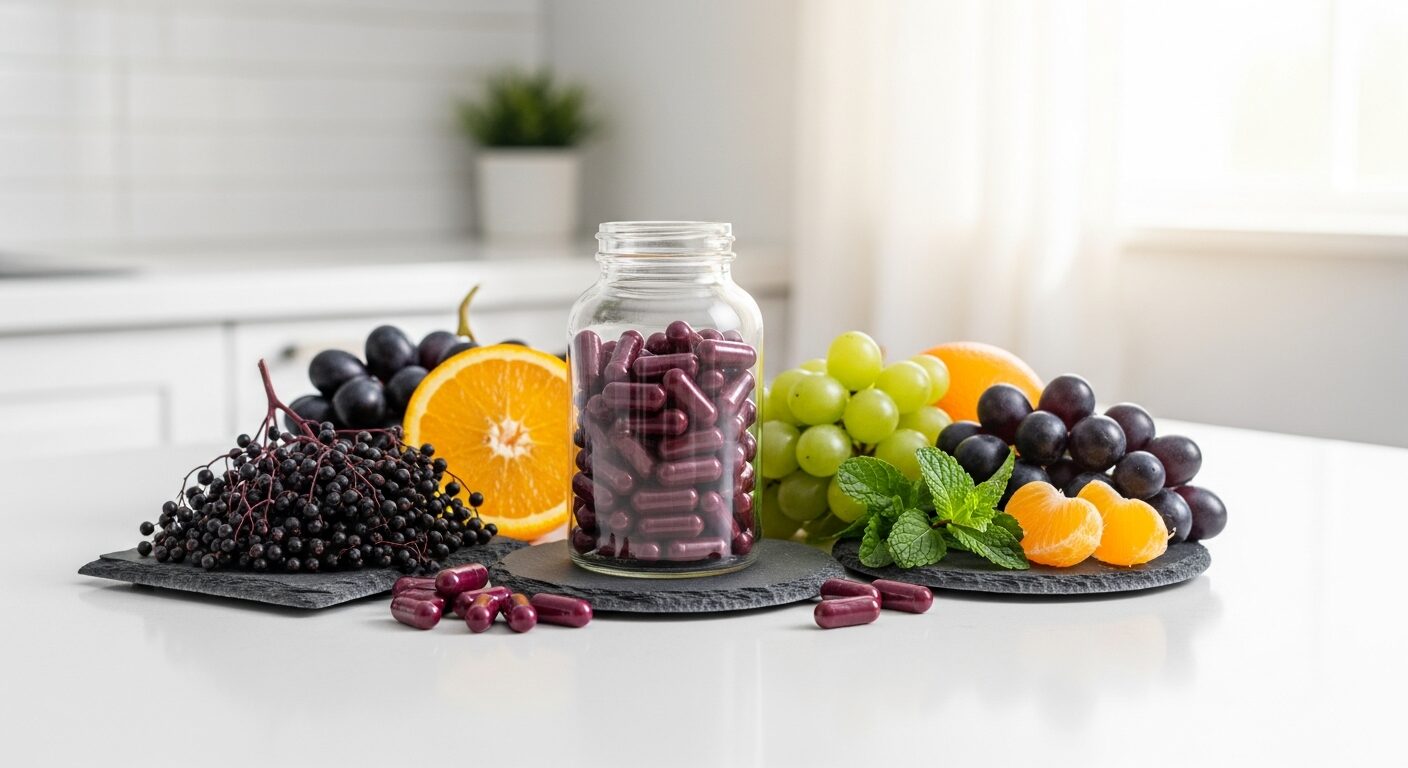
When cold and flu season arrives, millions of people reach for elderberry supplements, hoping to boost their immune defenses. This deep purple berry has become one of the most popular natural remedies on pharmacy shelves, with sales skyrocketing over the past decade. But beyond the marketing hype and traditional folklore, what does modern science actually tell us about elderberry’s immune-supporting properties?
The scientific community has taken notice of elderberry’s popularity, conducting numerous clinical trials to evaluate its effectiveness. While the results paint a more nuanced picture than supplement labels might suggest, there’s compelling evidence that elderberry can indeed play a meaningful role in supporting immune health. From reducing the duration of upper respiratory symptoms to providing antioxidant protection, elderberry has earned its place in evidence-based natural medicine.
However, like many natural remedies, elderberry is often misunderstood. Common misconceptions about its effects, optimal usage, and safety profile can lead to unrealistic expectations or improper supplementation. This comprehensive review examines what peer-reviewed research reveals about elderberry, separating fact from fiction to help you make informed decisions about incorporating this traditional remedy into your wellness routine.
🌿 Looking for Elderberry supplements? Shop Amazon →
Contents
- 1 What is Elderberry
- 2 Key Benefits of Elderberry
- 3 What Most People Get Wrong About Elderberry
- 4 What Happens to Your Body After 30 Days of Taking Elderberry
- 5 Who Should NOT Take Elderberry
- 6 Dosage and Best Forms
- 7 Frequently Asked Questions
- 7.1 Can elderberry interact with other supplements or medications?
- 7.2 How long does it take to see benefits from elderberry supplementation?
- 7.3 Is there a difference between European and American elderberry varieties?
- 7.4 Can I take elderberry year-round or only during cold season?
- 7.5 What should I look for when choosing an elderberry supplement?
- 8 Medical Disclaimer
What is Elderberry
Elderberry refers to the dark purple berries of the Sambucus nigra plant, commonly known as European elderberry or black elderberry. This deciduous shrub has been used medicinally for centuries across Europe and North America, with historical records dating back to ancient Egypt and Greece. The plant produces clusters of small, tart berries that are rich in anthocyanins, the compounds responsible for their deep color and many of their health benefits.
From a botanical perspective, elderberry belongs to the Adoxaceae family and can grow up to 30 feet tall. While several species exist, Sambucus nigra is the variety most extensively studied and used in commercial supplements. The berries themselves are quite astringent and bitter when raw, which is why they’re typically processed into syrups, extracts, or dried powders for supplementation.
The active compounds in elderberry include anthocyanins (particularly cyanidin-3-glucoside and cyanidin-3-sambubioside), flavonoids, vitamins A and C, and various phenolic compounds. These bioactive substances work synergistically to provide elderberry’s therapeutic effects, with anthocyanins receiving the most attention from researchers due to their potent antioxidant and anti-inflammatory properties.
Key Benefits of Elderberry
Scientific research has identified several well-documented benefits of elderberry supplementation, with immune system support being the most thoroughly studied. Clinical trials have consistently shown that elderberry can reduce the duration and severity of upper respiratory symptoms when taken at the first sign of illness. The mechanisms behind this effect involve both direct antiviral activity and immune system modulation.
The antioxidant capacity of elderberry is exceptional, with studies showing it contains significantly higher levels of anthocyanins compared to other berries like blueberries or cranberries. These antioxidants help neutralize free radicals that can damage immune cells and contribute to chronic inflammation. Regular elderberry consumption may therefore support overall immune resilience by protecting the cellular machinery responsible for mounting effective immune responses.
Beyond immune support, elderberry demonstrates cardiovascular benefits through its ability to improve endothelial function and reduce markers of inflammation. The anthocyanins in elderberry can help maintain healthy blood pressure levels and support proper circulation, which indirectly benefits immune function by ensuring optimal nutrient and oxygen delivery to immune tissues.
Emerging research also suggests elderberry may support metabolic health by improving insulin sensitivity and glucose metabolism. While more human studies are needed to confirm these effects, preliminary data indicates that regular elderberry supplementation could help maintain healthy blood sugar levels, which is important since elevated glucose can impair immune function.
What Most People Get Wrong About Elderberry
One of the most persistent misconceptions about elderberry is that it can prevent viral infections entirely. While elderberry does demonstrate antiviral properties in laboratory studies, real-world evidence shows its primary benefit lies in reducing symptom duration and severity rather than preventing illness altogether. A randomized controlled trial published in 2019 found that elderberry supplementation reduced cold duration by an average of 2-4 days, but didn’t significantly reduce the likelihood of catching a cold in the first place.
Another common myth is that raw elderberries are safe to consume in large quantities. In reality, raw elderberries, bark, and leaves contain cyanogenic glycosides that can cause gastrointestinal distress, nausea, and diarrhea. Only properly processed elderberry products should be consumed, as commercial processing methods remove these potentially harmful compounds while concentrating the beneficial ones. This processing requirement explains why traditional preparations always involved cooking the berries.
Many people also believe that more is always better when it comes to elderberry dosing. However, research suggests there’s an optimal therapeutic window, and excessive consumption doesn’t necessarily provide additional benefits. Some studies indicate that very high doses might actually interfere with the immune system’s natural regulatory mechanisms, potentially leading to an overactive inflammatory response rather than balanced immune support.
Perhaps the most dangerous misconception is that elderberry can replace conventional medical treatment for serious respiratory illnesses. While elderberry can be a valuable complementary therapy, it should never be used as a substitute for appropriate medical care, especially in cases of severe symptoms or underlying health conditions. The supplement works best as part of a comprehensive approach to immune health that includes proper nutrition, adequate sleep, stress management, and appropriate medical intervention when necessary.
What Happens to Your Body After 30 Days of Taking Elderberry
During the first week of elderberry supplementation, most people won’t notice dramatic changes, as the benefits primarily involve cellular-level adaptations. Your body begins accumulating anthocyanins and other bioactive compounds, which start exerting antioxidant effects throughout your system. Some individuals with high levels of oxidative stress might experience subtle improvements in energy levels or general well-being, though these effects are often mild and may not be immediately noticeable.
By the second week, the antioxidant and anti-inflammatory effects of elderberry become more established. Research from 2016 showed that consistent elderberry supplementation begins to measurably improve antioxidant status and reduce inflammatory markers around this timeframe. If you’re exposed to viral infections during this period, you might notice that symptoms are less severe or resolve more quickly than usual, though this effect varies considerably between individuals.
Weeks three and four represent the period when elderberry’s immune-supporting benefits reach their full potential. Your immune system has had time to adapt to the regular influx of elderberry’s bioactive compounds, potentially improving its efficiency at recognizing and responding to threats. Some users report feeling more resilient during this phase, with better recovery from minor illnesses and improved overall vitality.
It’s important to note that elderberry’s benefits are largely preventive and supportive rather than dramatically transformative. Unlike medications that produce immediate, obvious effects, elderberry works by optimizing your body’s existing immune mechanisms. The most significant benefits often become apparent during times of immune challenge, such as during cold and flu season or periods of high stress, rather than as day-to-day noticeable changes.
Who Should NOT Take Elderberry
Individuals with autoimmune conditions should exercise particular caution with elderberry supplementation. Since elderberry can stimulate immune system activity, it may potentially exacerbate autoimmune disorders like rheumatoid arthritis, lupus, or multiple sclerosis. While the research on this interaction is limited, the theoretical risk warrants consultation with a healthcare provider before beginning supplementation for anyone with an autoimmune diagnosis.
Pregnant and breastfeeding women should avoid elderberry supplements due to insufficient safety data in these populations. While elderberry is generally considered safe for most adults, the hormonal and physiological changes during pregnancy and lactation create unique considerations that haven’t been adequately studied. Traditional food uses of cooked elderberries are likely safe, but concentrated supplements should be avoided without medical supervision.
People taking immunosuppressive medications, such as those prescribed after organ transplants or for autoimmune conditions, should not use elderberry without medical approval. The immune-stimulating properties of elderberry could potentially interfere with the intended effects of these medications, leading to transplant rejection or reduced therapeutic efficacy of immunosuppressive therapy.
Individuals with diabetes should monitor their blood glucose levels closely when starting elderberry supplementation, as some research suggests it may affect blood sugar regulation. While this effect appears to be generally beneficial, it could interact with diabetes medications and require dosage adjustments. Additionally, people scheduled for surgery should discontinue elderberry at least two weeks beforehand, as its effects on immune function and inflammation could potentially interfere with healing or interact with anesthetic agents.
Children under 12 months should never receive elderberry supplements, and use in older children should be supervised by a pediatrician. The developing immune system in infants and young children responds differently to immune-modulating substances, and appropriate dosing guidelines for pediatric populations are not well established for most elderberry products.
Dosage and Best Forms
The optimal elderberry dosage varies depending on the specific product formulation and intended use. Most clinical studies showing immune benefits have used doses ranging from 300-600mg of standardized elderberry extract daily for preventive use, or higher doses (up to 1,200mg daily) for acute symptom management. However, these research doses were achieved using specific standardized extracts, so dosing for other forms may differ significantly.
Elderberry syrup remains one of the most popular forms, particularly for families with children. Quality syrups typically provide 5-15ml servings containing the equivalent of several grams of fresh elderberries. When choosing a syrup, look for products that specify the concentration of anthocyanins and avoid those with excessive added sugars, which can counteract some of elderberry’s immune benefits.
Capsulated elderberry extracts offer the most precise dosing and are often standardized to specific anthocyanin concentrations. A landmark study from 2004 used a standardized extract containing 38% anthocyanins, providing a benchmark for comparing commercial products. Look for supplements that specify their anthocyanin content and choose those standardized to at least 10-15% anthocyanins for therapeutic effectiveness.
Gummies have become increasingly popular, especially among children, but they often contain significant amounts of added sugars and may provide lower concentrations of active compounds. If choosing gummies, carefully review the label to ensure adequate elderberry content and minimal added sugars. Freeze-dried elderberry powder represents another option that preserves many of the berry’s natural compounds while providing flexibility in how it’s consumed.
Timing of elderberry supplementation can influence its effectiveness. For preventive use, consistent daily dosing appears most beneficial, ideally taken with meals to enhance absorption of fat-soluble compounds. During acute illness, some practitioners recommend increasing the frequency of dosing rather than dramatically increasing the amount per dose, such as taking smaller amounts every 3-4 hours rather than one large daily dose.
🌿 Looking for Elderberry Supplements?
Browse top-rated Elderberry supplements, independently tested and recommended by our editorial team.
Affiliate disclosure: We may earn a small commission at no extra cost to you.
Frequently Asked Questions
Can elderberry interact with other supplements or medications?
Elderberry has relatively few documented interactions, but it may enhance the effects of other immune-supporting supplements like echinacea or vitamin C. It could theoretically interact with immunosuppressive medications or interfere with certain chemotherapy treatments. Always consult with a healthcare provider if you’re taking prescription medications, especially those affecting immune function or blood sugar regulation.
How long does it take to see benefits from elderberry supplementation?
For acute symptom relief, some people report improvements within 24-48 hours of starting elderberry during illness. However, for general immune support and preventive benefits, consistent use for 2-4 weeks is typically needed to establish therapeutic levels of active compounds. The timeline can vary based on individual factors like overall health status, diet, and stress levels.
Is there a difference between European and American elderberry varieties?
Yes, significant differences exist between species. Sambucus nigra (European elderberry) has the most extensive research support and is generally considered safer and more effective than American varieties like Sambucus canadensis. Some American elderberry species contain higher levels of potentially problematic compounds, making European elderberry the preferred choice for supplementation.
Can I take elderberry year-round or only during cold season?
Elderberry appears safe for year-round use in most healthy adults, and consistent supplementation may provide better overall immune support than seasonal use alone. However, some practitioners recommend cycling elderberry supplementation, such as taking it for 8-12 weeks followed by a 2-4 week break, to prevent potential tolerance or immune system overstimulation.
What should I look for when choosing an elderberry supplement?
Priority features include standardized anthocyanin content (aim for at least 10-15%), third-party testing for purity and potency, organic certification when possible, and minimal additives or artificial ingredients. Avoid products that don’t specify their elderberry species or concentration. Look for companies that provide certificates of analysis and have good manufacturing practice certifications.
Medical Disclaimer
This article is for informational purposes only and does not constitute medical advice. The information provided should not be used to diagnose, treat, cure, or prevent any disease or health condition. Individual responses to elderberry supplementation may vary significantly based on personal health status, genetics, and other factors.
Always consult with a qualified healthcare professional before starting any new supplement regimen, especially if you have existing health conditions, take prescription medications, are pregnant or breastfeeding, or are considering elderberry for a child. The statements in this article have not been evaluated by the Food and Drug Administration.
If you experience any adverse reactions while taking elderberry supplements, discontinue use immediately and seek appropriate medical attention. This information is not intended to replace professional medical advice, diagnosis, or treatment.