
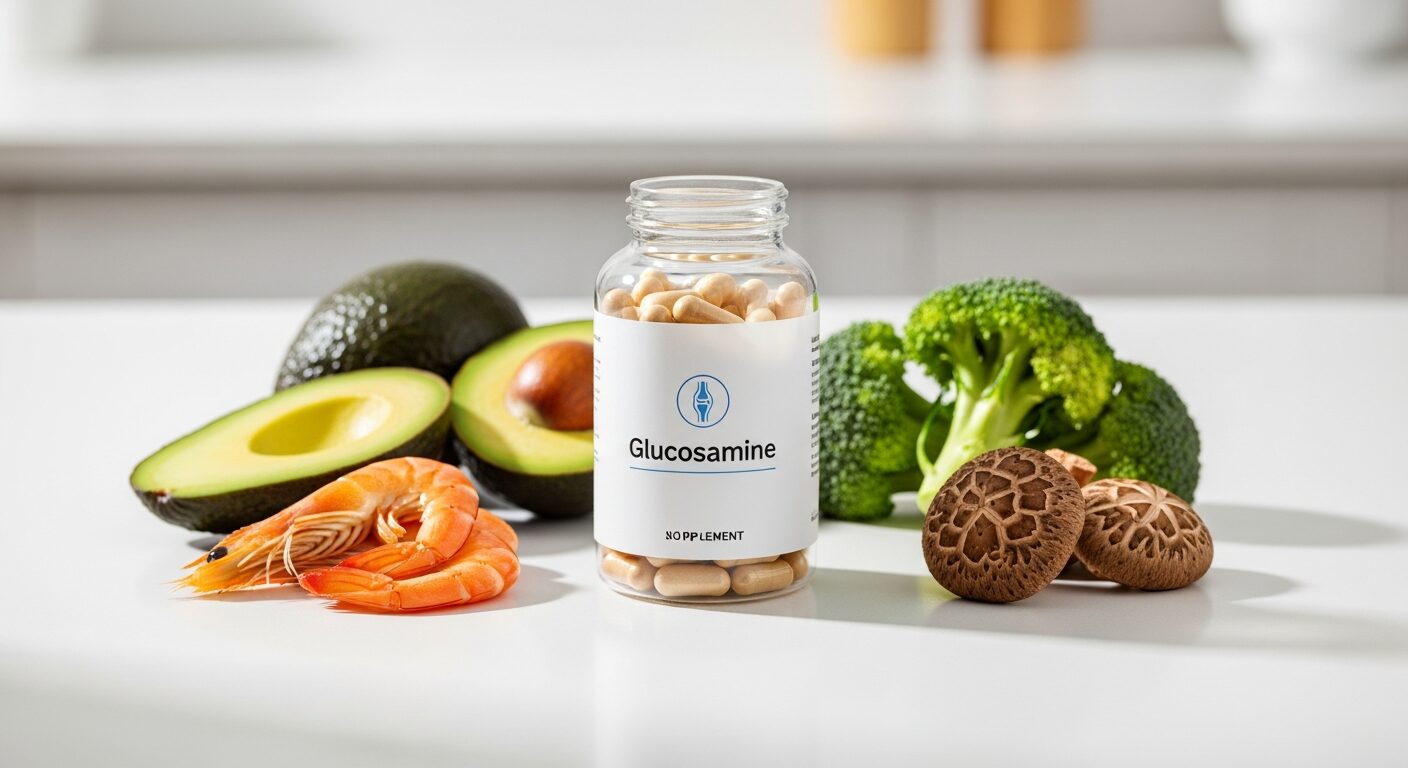
Joint pain affects millions of people worldwide, driving many to seek natural solutions that can provide lasting relief without the side effects of prescription medications. Among the most popular joint health supplements, glucosamine and chondroitin have dominated the market for decades, but which one truly delivers superior results?
While both compounds are naturally found in cartilage and marketed for joint health, the science reveals some surprising differences in their effectiveness, absorption rates, and mechanisms of action. Understanding these distinctions can help you make an informed decision about which supplement might work best for your specific needs.
This comprehensive guide examines the latest research on glucosamine, explores common misconceptions that could be sabotaging your results, and reveals what actually happens in your body during the first month of supplementation. Whether you’re dealing with early joint discomfort or looking to maintain healthy cartilage as you age, the evidence-based insights ahead will help you navigate this complex topic with confidence.
🌿 Looking for Glucosamine supplements? Shop Amazon →
Contents
What is Glucosamine
Glucosamine is a naturally occurring amino sugar that serves as a fundamental building block for cartilage, the smooth tissue that cushions joints and allows for pain-free movement. Your body produces glucosamine naturally by combining glucose with glutamine, an amino acid, but this production typically decreases with age, potentially contributing to joint deterioration over time.
In supplement form, glucosamine is most commonly derived from shellfish shells, though vegetarian alternatives made from fermented corn are also available. The compound exists in several forms, with glucosamine sulfate and glucosamine hydrochloride being the most extensively studied and widely available options.
Structurally, glucosamine plays a crucial role in forming glycosaminoglycans, large molecules that help build and maintain cartilage matrix. This process is essential for keeping joints flexible, reducing friction between bones, and maintaining the shock-absorbing properties that protect your joints during daily activities.
Unlike simple pain relievers that mask symptoms, glucosamine works at the cellular level to potentially support the body’s natural cartilage repair processes. This fundamental difference explains why glucosamine supplements are typically taken for months rather than days, as the compound requires time to accumulate and exert its structural effects on joint tissue.
Key Benefits of Glucosamine
Research has identified several scientifically-backed benefits of glucosamine supplementation, particularly for individuals experiencing joint discomfort or those at risk of cartilage degradation. The most well-established benefit is its potential to reduce joint pain and stiffness, especially in the knees, which bear significant weight and stress throughout daily activities.
Multiple clinical trials have demonstrated that glucosamine sulfate can significantly reduce pain scores and improve functional mobility in people with mild to moderate osteoarthritis. These effects typically become noticeable after 4-8 weeks of consistent supplementation, suggesting that glucosamine works through cumulative biological processes rather than immediate pain relief mechanisms.
Beyond pain reduction, glucosamine may help slow the progression of cartilage breakdown. Some studies suggest that long-term glucosamine use could help maintain joint space width, a key marker of cartilage health that typically narrows as osteoarthritis progresses. This protective effect positions glucosamine as both a therapeutic and preventive intervention for joint health.
Additionally, glucosamine appears to have mild anti-inflammatory properties, though these effects are generally subtler than those produced by traditional anti-inflammatory medications. This anti-inflammatory action may contribute to its overall joint health benefits while potentially offering a gentler approach for individuals who cannot tolerate stronger anti-inflammatory drugs.
Some research also suggests that glucosamine might support the health of other connective tissues beyond cartilage, including tendons and ligaments, though more research is needed to fully establish these additional benefits.
What Most People Get Wrong About Glucosamine
Despite its popularity, several persistent myths and misconceptions surround glucosamine supplementation, often leading to unrealistic expectations or improper usage that undermines potential benefits.
Myth 1: Glucosamine works immediately like a painkiller. Many people expect to feel relief within days of starting glucosamine, similar to how over-the-counter pain medications work. However, glucosamine functions as a structural nutrient that must accumulate in joint tissues over time. Research shows that meaningful benefits typically emerge after 4-6 weeks of consistent use, with optimal effects often requiring 2-3 months of supplementation.
Myth 2: All forms of glucosamine are equally effective. While glucosamine supplements flood the market, scientific evidence overwhelmingly supports glucosamine sulfate as the most effective form. The sulfate component isn’t just a delivery mechanism – it’s an essential nutrient for cartilage synthesis. Many studies showing negative results used glucosamine hydrochloride or other forms, which may explain the inconsistent research outcomes that have confused consumers and healthcare providers alike.
Myth 3: Higher doses always produce better results. The supplement industry often promotes “mega-dose” formulations under the assumption that more is better. However, research suggests that glucosamine follows a plateau effect, where doses beyond 1,500mg daily don’t provide additional benefits and may actually reduce absorption efficiency. Your body can only utilize a certain amount of glucosamine at once, making excessive dosing both wasteful and potentially counterproductive.
Myth 4: Glucosamine can reverse severe joint damage. While glucosamine shows promise for maintaining cartilage health and reducing symptoms, it’s not a miracle cure that can rebuild severely damaged joints. The compound works best as a preventive measure or early intervention tool. People with advanced joint degeneration may experience some symptom relief, but shouldn’t expect glucosamine to restore joints to their youthful condition.
What Happens to Your Body After 30 Days of Taking Glucosamine
Understanding the timeline of glucosamine’s effects can help set realistic expectations and ensure you give the supplement adequate time to work. The process unfolds gradually as glucosamine accumulates in joint tissues and begins influencing cartilage metabolism.
Week 1: Initial Cellular Changes
During the first week, glucosamine begins accumulating in your bloodstream and gradually reaching joint tissues. While you likely won’t notice any symptomatic changes yet, important cellular processes are already beginning. Glucosamine starts integrating into the cartilage matrix synthesis pathway, and early anti-inflammatory effects may begin at the cellular level. Some individuals report feeling slightly less morning stiffness, though this could be placebo effect at such an early stage.
Week 2: Early Physiological Responses
By the second week, glucosamine concentrations in joint tissues reach more therapeutically relevant levels. You might begin noticing subtle improvements in joint flexibility, particularly first thing in the morning or after periods of inactivity. The anti-inflammatory effects become more pronounced, potentially leading to slight reductions in joint swelling or tenderness. However, these changes are often subtle and may not be immediately obvious.
Week 3-4: Meaningful Symptom Relief
The third and fourth weeks typically mark when most people begin experiencing noticeable benefits. Clinical studies indicate that significant pain reduction usually becomes apparent around the 4-week mark, with improvements in mobility and daily function following shortly after. Joint stiffness, particularly in the morning or after sitting for extended periods, often shows marked improvement during this timeframe.
By day 30, the cumulative effects of consistent glucosamine supplementation have typically established measurable changes in cartilage metabolism and inflammatory markers. However, research suggests that benefits continue to improve for up to 12 weeks, meaning that the 30-day mark represents the beginning of therapeutic effects rather than their peak.
Who Should NOT Take Glucosamine
While glucosamine is generally considered safe for most people, certain individuals should exercise caution or avoid the supplement entirely due to potential health risks or contraindications.
Shellfish Allergy Concerns: Most glucosamine supplements are derived from shellfish shells, which can trigger allergic reactions in sensitive individuals. However, the protein that typically causes shellfish allergies is found in the meat, not the shells. Still, people with severe shellfish allergies should opt for vegetarian glucosamine derived from fermented corn or consult their allergist before use.
Diabetes and Blood Sugar Issues: Glucosamine may potentially affect blood sugar levels, though research results are mixed. People with diabetes should monitor their blood glucose more closely when starting glucosamine and consult their healthcare provider, especially if they’re taking diabetes medications that require precise blood sugar management.
Blood Thinning Medication Interactions: Some evidence suggests that glucosamine might enhance the effects of warfarin and other blood-thinning medications, potentially increasing bleeding risk. If you’re taking anticoagulant medications, work closely with your healthcare provider to monitor your INR levels and adjust dosages as needed.
Pregnancy and Breastfeeding: There’s insufficient research on glucosamine’s safety during pregnancy and breastfeeding. Since joint supplements aren’t typically essential during these periods, most healthcare providers recommend avoiding glucosamine until after breastfeeding concludes.
Severe Kidney or Liver Disease: People with significant kidney or liver impairment should consult their healthcare provider before taking glucosamine, as these organs play crucial roles in processing and eliminating the supplement from the body.
When to Consult a Doctor: Always consult with a healthcare provider before starting glucosamine if you’re taking multiple medications, have chronic health conditions, or experience unusual symptoms after beginning supplementation. Additionally, if joint pain is severe, sudden in onset, or accompanied by swelling, redness, or fever, seek medical evaluation to rule out more serious conditions.
Dosage and Best Forms
The most extensively researched and effective dosage of glucosamine is 1,500mg daily of glucosamine sulfate, typically divided into three 500mg doses taken with meals to optimize absorption and minimize potential stomach upset. This dosing regimen has been used in the majority of positive clinical trials and represents the current gold standard for supplementation.
Glucosamine Sulfate vs. Hydrochloride: While both forms are available, research consistently shows superior results with glucosamine sulfate. The sulfate component provides additional sulfur, which is essential for cartilage synthesis. Glucosamine hydrochloride, while more stable, lacks this crucial sulfate component and has shown less consistent results in clinical trials.
Timing and Absorption: Taking glucosamine with meals can help improve absorption and reduce the likelihood of stomach irritation, which some people experience when taking the supplement on an empty stomach. The compound doesn’t require specific timing relative to exercise or daily activities, making it convenient to incorporate into existing supplement routines.
Quality Considerations: Look for supplements that specify “glucosamine sulfate” on the label and provide third-party testing for purity and potency. Avoid products that don’t clearly state the form of glucosamine used or that make unrealistic claims about immediate results.
Combination Products: Many glucosamine supplements include chondroitin, MSM, or other joint health compounds. While these combinations aren’t necessarily harmful, they make it difficult to determine which component is providing benefits and may increase cost without proportional benefit increases.
🌿 Looking for Glucosamine Supplements?
Browse top-rated Glucosamine supplements, independently tested and recommended by our editorial team.
Affiliate disclosure: We may earn a small commission at no extra cost to you.
Frequently Asked Questions
How long does it take for glucosamine to work?
Most people begin noticing benefits after 4-6 weeks of consistent supplementation, with optimal effects typically achieved after 8-12 weeks. Unlike pain medications that work immediately, glucosamine requires time to accumulate in joint tissues and influence cartilage metabolism. Patience and consistency are key to experiencing glucosamine’s full potential.
Can I take glucosamine with other supplements?
Glucosamine generally combines safely with most other supplements, including vitamin D, omega-3 fatty acids, and turmeric. However, if you’re taking blood-thinning medications or diabetes drugs, consult your healthcare provider before combining glucosamine with other supplements that might affect blood sugar or clotting.
Is vegetarian glucosamine as effective as shellfish-derived versions?
Vegetarian glucosamine, typically made from fermented corn, appears to be equally effective as shellfish-derived versions when manufactured properly. The molecular structure is identical regardless of the source. Vegetarian options are particularly beneficial for people with shellfish allergies or those following plant-based diets.
Should I take glucosamine with food or on an empty stomach?
Taking glucosamine with meals is generally recommended to improve absorption and reduce the risk of stomach upset. Some people experience nausea or digestive discomfort when taking glucosamine on an empty stomach, so taking it with food can help minimize these potential side effects while optimizing bioavailability.
Can younger people take glucosamine preventively?
While glucosamine is generally safe for healthy younger adults, there’s limited research on its preventive effects in people without existing joint concerns. Most studies focus on people with established joint issues or those at higher risk due to age or activity level. Younger individuals might benefit more from focusing on proven preventive measures like maintaining a healthy weight, regular exercise, and a balanced diet rich in anti-inflammatory nutrients.
Medical Disclaimer
The information provided in this article is for educational purposes only and should not be considered medical advice. Always consult with a qualified healthcare professional before starting any new supplement regimen, especially if you have pre-existing health conditions, are taking medications, or are pregnant or breastfeeding. Individual results may vary, and supplements are not intended to diagnose, treat, cure, or prevent any disease. The FDA has not evaluated statements about dietary supplements, and this information should not replace professional medical consultation or treatment.