
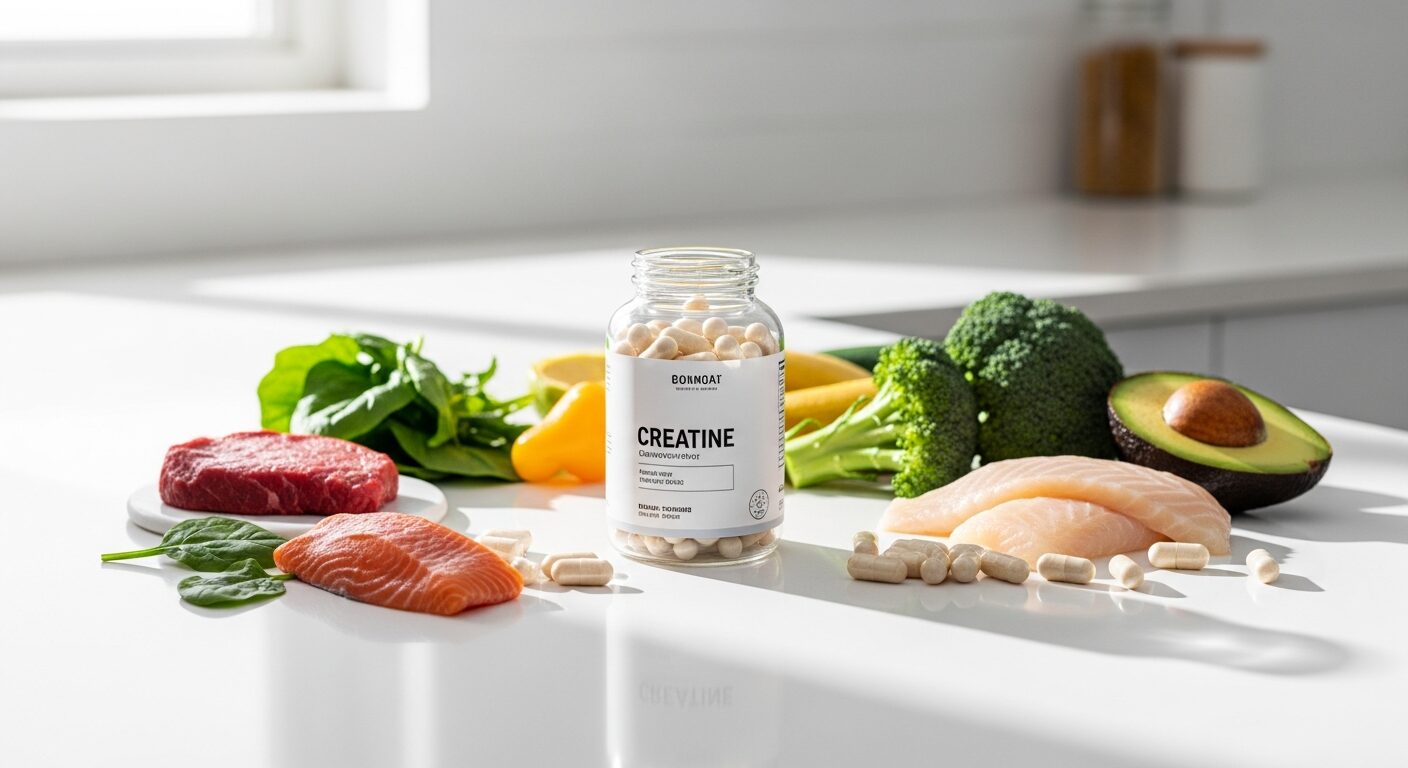
When most people hear “creatine,” they immediately think of bulky bodybuilders and intense gym sessions. But what if we told you that this well-researched supplement might be just as important for your brain as it is for your biceps? Recent scientific discoveries are revealing that creatine’s benefits extend far beyond muscle building, with compelling evidence showing its potential to enhance cognitive function, protect brain health, and even support recovery from neurological challenges.
Your brain is an energy-hungry organ, consuming about 20% of your body’s total energy despite representing only 2% of your body weight. This constant demand for fuel makes brain cells particularly vulnerable when energy production falters. That’s where creatine comes in – acting as a cellular battery that helps maintain optimal brain function even under stress. As research continues to unfold, we’re learning that creatine supplementation might be one of the most underutilized tools for cognitive enhancement and neuroprotection.
Let’s dive into what the science really says about creatine for brain health, separating fact from fiction and exploring how this remarkable compound could benefit your mental performance and long-term cognitive wellness.
Contents
What is Creatine
Creatine is a naturally occurring compound found primarily in muscle tissue and the brain. Your body produces about 1-2 grams daily through a complex process involving three amino acids: arginine, glycine, and methionine. This synthesis primarily occurs in the liver, kidneys, and pancreas, but the amounts produced internally aren’t always sufficient for optimal cellular function, especially during periods of high energy demand.
Chemically speaking, creatine serves as a rapid energy reserve system. When cells need quick bursts of energy, creatine phosphate donates its phosphate group to regenerate ATP (adenosine triphosphate) – the universal energy currency of cells. This process is particularly crucial in tissues with high energy demands, like skeletal muscle during intense exercise and brain tissue during cognitive tasks.
In the brain, creatine concentrations are naturally high, reflecting the organ’s enormous energy requirements. Brain cells use creatine to maintain ion gradients, support neurotransmitter synthesis, and fuel the constant electrical activity that underlies all cognitive processes. However, brain creatine levels can become depleted due to aging, stress, sleep deprivation, or various neurological conditions, potentially compromising mental performance and brain health.
Key Benefits of Creatine
The scientific literature on creatine’s brain benefits is both extensive and impressive. Creatine supplementation on cognitive performance in vegetarians, 2003 demonstrated that individuals with naturally lower creatine levels experienced significant improvements in working memory and intelligence scores after supplementation.
Enhanced Cognitive Performance: Multiple studies show that creatine supplementation can improve working memory, processing speed, and overall cognitive performance, particularly during mentally demanding tasks or periods of sleep deprivation. The brain’s ability to maintain high-energy phosphate levels directly correlates with sustained mental performance.
Neuroprotection: Creatine appears to protect brain cells against various forms of damage, including oxidative stress, inflammation, and energy depletion. This protective effect may be particularly important for aging brains or those exposed to neurological stressors.
Mood and Mental Health Support: Emerging research suggests that creatine may help stabilize mood and support mental health, possibly by ensuring consistent energy availability to brain regions involved in emotional regulation. Some studies indicate potential benefits for depression, particularly in women.
Recovery from Brain Injury: Creatine monohydrate in resistant depression, 2006 and other studies suggest that creatine supplementation may support recovery from traumatic brain injury and reduce symptoms of post-concussion syndrome by helping restore normal brain energy metabolism.
Age-Related Cognitive Decline: As we age, brain creatine levels naturally decline, potentially contributing to cognitive aging. Supplementation may help maintain youthful brain energy metabolism and preserve cognitive function over time.
What Most People Get Wrong About Creatine
Despite decades of research, creatine remains one of the most misunderstood supplements on the market. Let’s address some persistent myths that prevent people from considering its brain health benefits.
Myth 1: “Creatine is only for bodybuilders and athletes.” This is perhaps the most limiting misconception. While creatine certainly benefits physical performance, its effects on brain function are equally well-documented. The same energy systems that help muscles perform also support cognitive function, memory formation, and mental clarity. Research consistently shows cognitive benefits in both active and sedentary populations.
Myth 2: “You need to cycle creatine or take breaks.” Unlike stimulants or hormonal supplements, creatine doesn’t require cycling. Your body naturally regulates creatine uptake, and there’s no evidence of tolerance development or withdrawal effects. In fact, Long-term creatine supplementation does not significantly affect clinical markers of health, 2017 demonstrates that continuous use for up to five years shows no adverse health effects.
Myth 3: “Creatine causes dangerous dehydration and cramping.” Controlled studies consistently fail to support this claim. While creatine does increase intracellular water retention, this is actually beneficial for cellular function. The supplement doesn’t “steal” water from other parts of your body or increase dehydration risk when adequate water intake is maintained.
Myth 4: “Loading phases are necessary for creatine to work.” The traditional “loading phase” of 20 grams daily for five days was designed to saturate muscle creatine stores quickly. However, research shows that consistent daily doses of 3-5 grams achieve the same saturation levels within 3-4 weeks without potential digestive discomfort. For brain benefits specifically, steady-state supplementation appears more important than rapid loading.
What Happens to Your Body After 30 Days of Taking Creatine
Understanding the timeline of creatine’s effects can help set realistic expectations and highlight the importance of consistent supplementation for brain health benefits.
Week 1: Initial Cellular Changes
During the first week, creatine begins accumulating in your muscle and brain tissues. You might notice subtle improvements in mental energy, particularly during afternoon slumps or mentally demanding tasks. Some people report feeling slightly more alert, though dramatic cognitive changes aren’t typical yet. Your body is essentially “filling the tank” – building up creatine phosphate stores that will soon support enhanced cellular energy production.
Week 2: Noticeable Mental Clarity
By week two, brain creatine levels have increased significantly, and many users begin noticing clearer thinking and improved focus. Working memory tasks may feel easier, and you might find yourself maintaining concentration for longer periods. Sleep quality often improves during this phase, as brain cells have better energy reserves for recovery and restoration processes. Physical performance gains become apparent for those who exercise.
Week 3-4: Full Cognitive Benefits
The third and fourth weeks represent peak benefit realization. Research indicates that tissue creatine levels reach near-maximum saturation during this period. Cognitive improvements become more consistent and pronounced, including better problem-solving abilities, enhanced memory recall, and improved mental resilience under stress. Many users report feeling more mentally “sharp” throughout the day, with less cognitive fatigue during challenging tasks.
It’s important to note that individual responses vary based on baseline creatine levels, diet, genetics, and lifestyle factors. Vegetarians and vegans often experience more dramatic improvements since they typically have lower starting creatine levels. The key insight is that creatine’s benefits are cumulative – consistency matters more than timing or specific dosing protocols.
Who Should NOT Take Creatine
While creatine has an excellent safety profile for most people, certain individuals should exercise caution or avoid supplementation entirely.
Kidney Disease or Dysfunction: Individuals with pre-existing kidney problems should consult their healthcare provider before using creatine. While research doesn’t suggest creatine causes kidney damage in healthy individuals, those with compromised kidney function may have difficulty processing the supplement properly.
Pregnancy and Breastfeeding: Due to insufficient safety data in pregnant and breastfeeding women, creatine supplementation isn’t recommended during these periods. While no specific risks have been identified, the lack of controlled studies makes it prudent to avoid supplementation.
Medication Interactions: Creatine may interact with certain medications, particularly those affecting kidney function or blood sugar levels. NSAIDs (like ibuprofen), diuretics, and diabetes medications warrant special consideration. Always inform your healthcare provider about creatine use.
Children and Adolescents: While some research suggests safety in older teens involved in sports, creatine supplementation in children under 18 should only occur under medical supervision. Growing brains and bodies have different nutritional needs, and long-term effects haven’t been thoroughly studied in younger populations.
Bipolar Disorder: Some case reports suggest creatine might trigger manic episodes in susceptible individuals. Those with bipolar disorder or other mood disorders should consult mental health professionals before supplementation.
When to Consult a Doctor: Always speak with a healthcare provider before starting creatine if you have any chronic health conditions, take prescription medications, or have concerns about supplement interactions. This is particularly important for individuals over 65, those with cardiovascular disease, or anyone with a history of kidney problems.
Dosage and Best Forms
Creatine monohydrate remains the gold standard form, backed by the most research and offering excellent bioavailability at an affordable price. Despite marketing claims about “advanced” forms like creatine HCL or buffered creatine, scientific evidence doesn’t support superior benefits over monohydrate.
Standard Dosing Protocol: For brain health benefits, 3-5 grams daily is optimal for most adults. This dose effectively saturates brain tissue over 3-4 weeks and maintains elevated creatine levels with consistent use. Higher doses don’t provide additional benefits and may cause digestive discomfort.
Timing Considerations: Unlike pre-workout supplements, creatine timing is largely irrelevant for brain benefits. Take it whenever convenient – with meals, post-workout, or as part of your morning routine. Consistency matters more than timing.
Loading vs. Maintenance: Loading phases (20g daily for 5 days) can accelerate creatine saturation but aren’t necessary. Many people prefer starting with maintenance doses to avoid potential digestive issues while still achieving full benefits within a month.
Quality Considerations: Look for products with “Creapure” certification or third-party testing to ensure purity. Creatine monohydrate should be a fine, white, odorless powder that dissolves relatively well in liquid.
🌿 Looking for Creatine Supplements?
Browse top-rated Creatine supplements, independently tested and recommended by our editorial team.
Affiliate disclosure: We may earn a small commission at no extra cost to you.
Frequently Asked Questions
Can I take creatine with coffee or other stimulants?
Yes, creatine can be safely combined with caffeine and other stimulants. Early concerns about caffeine interfering with creatine uptake have been largely debunked by subsequent research. Many people find that combining creatine with their morning coffee provides both immediate mental energy from caffeine and sustained cognitive support from creatine.
Will creatine make me gain weight?
Creatine typically causes 1-3 pounds of initial weight gain due to increased water retention within muscle cells. This isn’t fat gain but rather improved cellular hydration that supports optimal function. The weight gain usually stabilizes after the first few weeks and is generally considered beneficial for both muscle and brain health.
How long does it take to see cognitive benefits?
Most people begin noticing subtle cognitive improvements within 1-2 weeks, with full benefits typically apparent by week 3-4. However, individual responses vary based on baseline creatine levels, diet, genetics, and overall health status. Vegetarians often experience benefits sooner and more dramatically than meat-eaters.
Should I take creatine on rest days or when not exercising?
Absolutely. For brain health benefits, daily consistency is key regardless of exercise status. Your brain uses creatine 24/7 for energy metabolism, neurotransmitter synthesis, and cellular maintenance. Missing doses, even on rest days, can allow tissue creatine levels to decline.
Is expensive creatine better than basic creatine monohydrate?
No credible scientific evidence supports superior benefits from expensive creatine forms over basic monohydrate. Creatine monohydrate has the most research backing, excellent bioavailability, and the best cost-effectiveness. Marketing claims about “advanced” forms are rarely supported by peer-reviewed research comparing cognitive benefits.
Medical Disclaimer
This article is for informational purposes only and should not be considered medical advice. The information presented is based on current scientific research but is not intended to diagnose, treat, cure, or prevent any disease or medical condition. Individual responses to supplements can vary significantly based on genetics, health status, medications, and other factors.
Before starting any new supplement regimen, including creatine, consult with a qualified healthcare professional, especially if you have pre-existing health conditions, take prescription medications, are pregnant or breastfeeding, or have concerns about potential interactions. This is particularly important for individuals with kidney disease, diabetes, cardiovascular conditions, or mental health disorders.
The statements in this article have not been evaluated by the Food and Drug Administration. Always purchase supplements from reputable manufacturers and follow recommended dosing guidelines. If you experience any adverse effects while taking creatine, discontinue use and consult your healthcare provider immediately.