
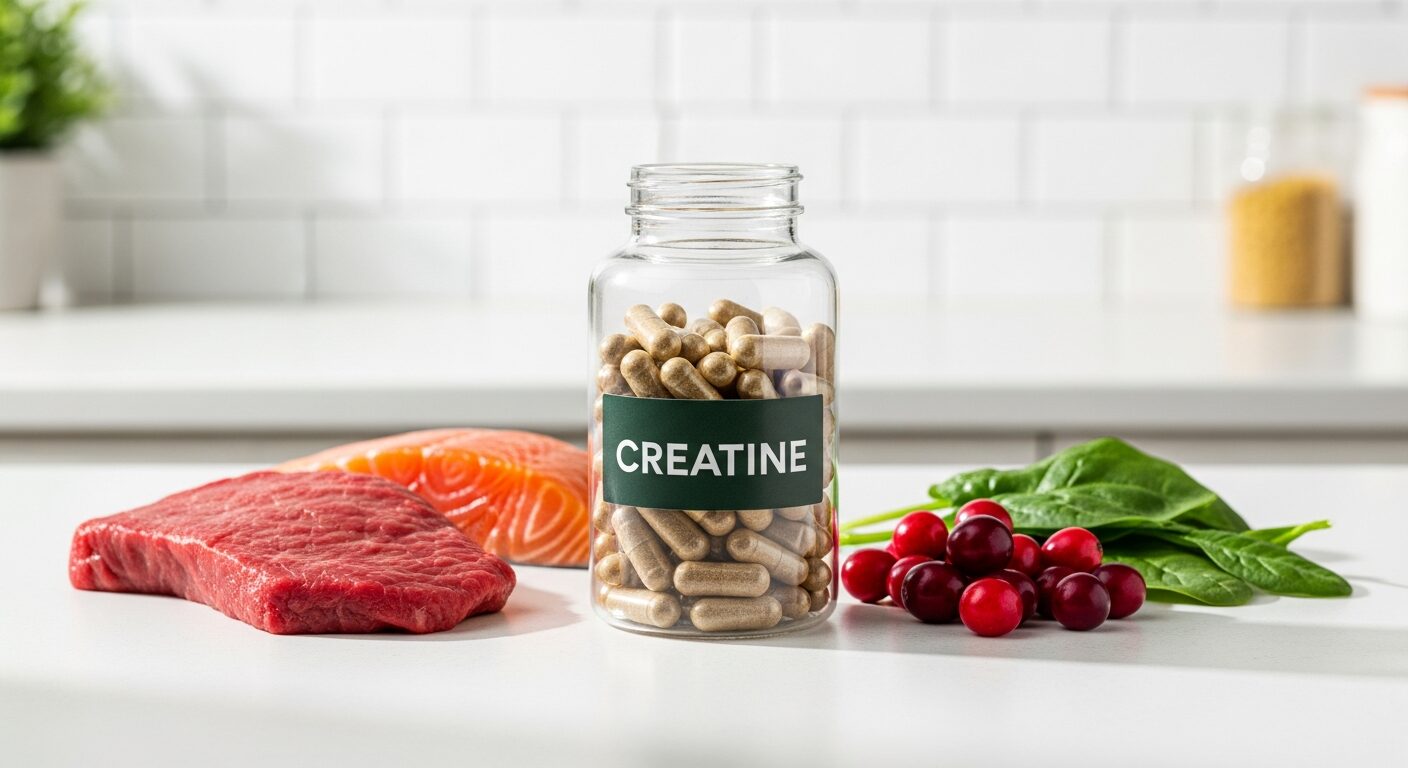
Creatine stands as one of the most researched and effective supplements in the fitness world, yet misconceptions about its safety and side effects continue to circulate. Despite decades of scientific scrutiny and thousands of studies, many people remain uncertain about what to expect when taking this powerful compound.
While creatine boasts an impressive safety profile, understanding its potential effects on your body is crucial for making informed decisions about supplementation. From water retention to kidney concerns, separating fact from fiction can help you harness creatine’s benefits while avoiding unnecessary worry about exaggerated risks.
Contents
What is Creatine
Creatine is a naturally occurring compound found primarily in muscle cells, where it plays a vital role in energy production during high-intensity, short-duration activities. Your body produces about 1-2 grams of creatine daily through your liver, kidneys, and pancreas, combining three amino acids: arginine, glycine, and methionine.
About 95% of your body’s creatine is stored in skeletal muscle as phosphocreatine, which serves as a rapid energy reserve. When you perform explosive movements like sprinting or weightlifting, phosphocreatine donates its phosphate group to regenerate ATP (adenosine triphosphate), the primary energy currency of cells.
While you can obtain creatine from dietary sources like red meat and fish, the amounts are relatively small. A pound of raw beef contains approximately 2 grams of creatine, and cooking reduces this amount further. This is why creatine supplementation has become popular among athletes and fitness enthusiasts seeking to maximize their muscle creatine stores.
Key Benefits of Creatine
Creatine supplementation offers several well-documented benefits backed by extensive research. The primary advantage is enhanced performance during high-intensity, short-duration exercises. By increasing phosphocreatine stores in muscles, creatine helps maintain ATP production during explosive movements, allowing you to perform more repetitions or sustain higher power output.
Beyond performance enhancement, creatine promotes muscle growth through multiple mechanisms. It increases cell volume by drawing water into muscle cells, creating an anabolic environment that stimulates protein synthesis. This cellular swelling also enhances the muscle pump during workouts and may contribute to long-term hypertrophy.
Research has also revealed cognitive benefits of creatine supplementation. The brain requires substantial energy, and creatine helps maintain ATP levels in neural tissue. Studies suggest creatine may improve working memory, processing speed, and mental fatigue, particularly during stressful situations or sleep deprivation.
Additional benefits include faster recovery between exercise sets, reduced muscle cell damage following intense training, and potential neuroprotective effects. Some research indicates creatine may help with age-related muscle loss and bone health, making it valuable beyond athletic performance.
What Most People Get Wrong About Creatine
Despite extensive research, several persistent myths surround creatine supplementation that often discourage people from trying this beneficial supplement.
Myth: Creatine Damages Your Kidneys
Perhaps the most widespread misconception is that creatine harms kidney function. This myth likely stems from the fact that creatinine, a waste product of creatine metabolism, is used as a marker of kidney function. When you take creatine, creatinine levels naturally increase, but this doesn’t indicate kidney damage.
Extensive research has consistently shown no adverse effects on kidney function in healthy individuals, even with long-term use. Studies involving athletes taking creatine for up to five years found no deterioration in kidney markers beyond normal ranges.
Myth: Creatine Causes Dangerous Dehydration
Another common belief is that creatine pulls water away from other parts of the body, causing dehydration and cramping. In reality, creatine draws water into muscle cells, not away from other tissues. This intracellular water retention actually improves hydration status within muscles and may reduce injury risk.
Studies examining cramping rates in athletes found no increased incidence among creatine users compared to non-users. In fact, some research suggests creatine may help maintain hydration during exercise in hot conditions.
Myth: You Must Cycle Creatine to Avoid Side Effects
Many people believe they must take breaks from creatine supplementation to prevent tolerance or adverse effects. However, research shows no need for cycling creatine. Your body doesn’t develop tolerance to creatine, and long-term studies demonstrate continued safety and effectiveness with consistent use.
The cycling myth may have originated from anecdotal reports or confusion with other supplements that require cycling. Creatine works by saturating muscle stores, and maintaining these elevated levels requires continuous supplementation.
Myth: Creatine Only Benefits Bodybuilders
While creatine is popular among bodybuilders, its benefits extend far beyond muscle building. Endurance athletes can benefit from improved power during sprints or climbs, team sport players gain advantage during explosive movements, and older adults may experience improved muscle function and cognitive performance.
Research has explored creatine’s potential in treating various medical conditions, including neurodegenerative diseases, depression, and age-related muscle wasting, demonstrating its broad therapeutic potential.
What Happens to Your Body After 30 Days of Taking Creatine
Understanding the timeline of creatine’s effects helps set realistic expectations and optimize your supplementation strategy.
Week 1: Initial Saturation Phase
During the first week, your muscles begin absorbing and storing creatine. If you follow a loading protocol (15-20 grams daily), you’ll notice rapid water retention within muscle cells, potentially gaining 1-3 pounds of water weight. This isn’t fat gain but rather increased muscle cell volume.
Performance benefits may become apparent within 3-5 days, particularly in exercises requiring short bursts of power. You might notice the ability to perform an extra repetition or two during weightlifting sessions, or maintain slightly higher power output during repeated sprints.
Week 2: Noticeable Performance Improvements
By the second week, muscle creatine stores approach saturation levels. Performance improvements become more consistent and pronounced. You may experience better recovery between sets, allowing for higher training volume and intensity.
The increased cell volume from water retention becomes more apparent, with muscles appearing fuller and more pumped during and after workouts. This effect contributes to the anabolic environment that promotes muscle protein synthesis.
Week 3-4: Full Benefits Realized
After three to four weeks, muscle creatine stores reach maximum saturation, regardless of whether you used a loading protocol or steady dosing approach. At this point, you’ll experience the full spectrum of creatine’s benefits.
Training capacity should be noticeably improved, with better performance in both strength and power-based activities. The enhanced recovery and increased training volume during these weeks may contribute to measurable muscle growth and strength gains. Some users also report improved mental clarity and reduced fatigue during cognitively demanding tasks.
Who Should NOT Take Creatine
While creatine is generally safe for most healthy individuals, certain populations should exercise caution or avoid supplementation altogether.
Individuals with pre-existing kidney disease or compromised kidney function should consult their healthcare provider before using creatine. Although creatine doesn’t cause kidney damage in healthy people, those with existing kidney problems may need monitoring or should avoid supplementation entirely.
People taking medications that affect kidney function, such as certain blood pressure medications, NSAIDs, or nephrotoxic drugs, should discuss creatine use with their doctor. The combination might require additional monitoring of kidney function markers.
Pregnant and breastfeeding women should avoid creatine supplementation due to insufficient safety data in these populations. While no evidence suggests harm, the lack of specific research in pregnant women makes avoidance the conservative choice.
Individuals with bipolar disorder should use caution, as some case reports suggest creatine might trigger manic episodes in susceptible individuals. Anyone with mental health conditions should consult their psychiatrist before beginning supplementation.
People with diabetes should monitor blood glucose levels more closely when starting creatine, as it may affect insulin sensitivity and glucose metabolism. While effects are generally positive, increased monitoring ensures safety.
Those scheduled for surgery should discontinue creatine at least two weeks prior, as it might interfere with blood sugar control during and after surgical procedures.
Dosage and Best Forms
Creatine monohydrate remains the gold standard form, with the most research supporting its safety and efficacy. Despite marketing claims about superior forms, no other creatine variant has consistently outperformed monohydrate in scientific studies.
Two effective dosing strategies exist: loading and steady dosing. The loading protocol involves taking 15-20 grams daily for 5-7 days, divided into 3-4 doses, followed by 3-5 grams daily for maintenance. This approach saturates muscle stores quickly but may cause initial digestive discomfort in sensitive individuals.
The steady dosing approach involves taking 3-5 grams daily from the start. While it takes longer to reach saturation (3-4 weeks versus 1 week), it produces the same end result with potentially fewer side effects.
Timing isn’t crucial for creatine’s effectiveness, as it works through saturation rather than acute effects. However, taking it with carbohydrates may enhance uptake due to insulin’s role in creatine transport. Post-workout consumption with your protein shake is convenient and may optimize recovery.
Quality matters when selecting creatine. Look for products with third-party testing, minimal additives, and reputable manufacturing. Creapure, a German-made creatine monohydrate, is widely regarded as the highest quality option.
🌿 Looking for Creatine Supplements?
Browse top-rated Creatine supplements, independently tested and recommended by our editorial team.
Affiliate disclosure: We may earn a small commission at no extra cost to you.
Frequently Asked Questions
Does creatine cause hair loss or baldness?
One study suggested creatine might increase DHT (dihydrotestosterone) levels, leading to concerns about hair loss. However, this was a single study with limitations, and subsequent research hasn’t consistently replicated these findings. Current evidence doesn’t support a strong link between creatine supplementation and hair loss, but individuals with genetic predisposition to male pattern baldness might want to monitor this potential effect.
Can creatine cause digestive issues?
Gastrointestinal discomfort, including nausea, diarrhea, and stomach cramping, can occur, particularly during loading phases or with large single doses. These effects are usually mild and temporary. Taking smaller, divided doses with meals typically minimizes digestive issues.
Will creatine make me look bloated?
Creatine causes intracellular water retention within muscle cells, not subcutaneous water retention that creates a bloated appearance. This actually makes muscles appear fuller and more defined rather than soft or puffy. Any initial weight gain is from increased muscle water content, not fat or unfavorable water retention.
Is it safe to take creatine long-term?
Long-term studies spanning several years have found no adverse health effects from continuous creatine supplementation in healthy individuals. Research supports the long-term safety of creatine when used appropriately, making it suitable for extended use without cycling breaks.
Can I take creatine with other supplements?
Creatine is generally compatible with most other supplements and can be safely combined with protein powder, pre-workouts, vitamins, and minerals. However, excessive caffeine might theoretically interfere with creatine uptake, though practical significance is minimal. Always consult healthcare providers about potential interactions with medications.
Medical Disclaimer
This article is for informational purposes only and should not replace professional medical advice, diagnosis, or treatment. Always consult with a qualified healthcare provider before starting any new supplement regimen, especially if you have pre-existing medical conditions, take medications, or have concerns about potential interactions. Individual responses to supplementation may vary, and what works for one person may not be appropriate for another. The information presented here is based on current scientific research but should not be considered a substitute for personalized medical guidance.