
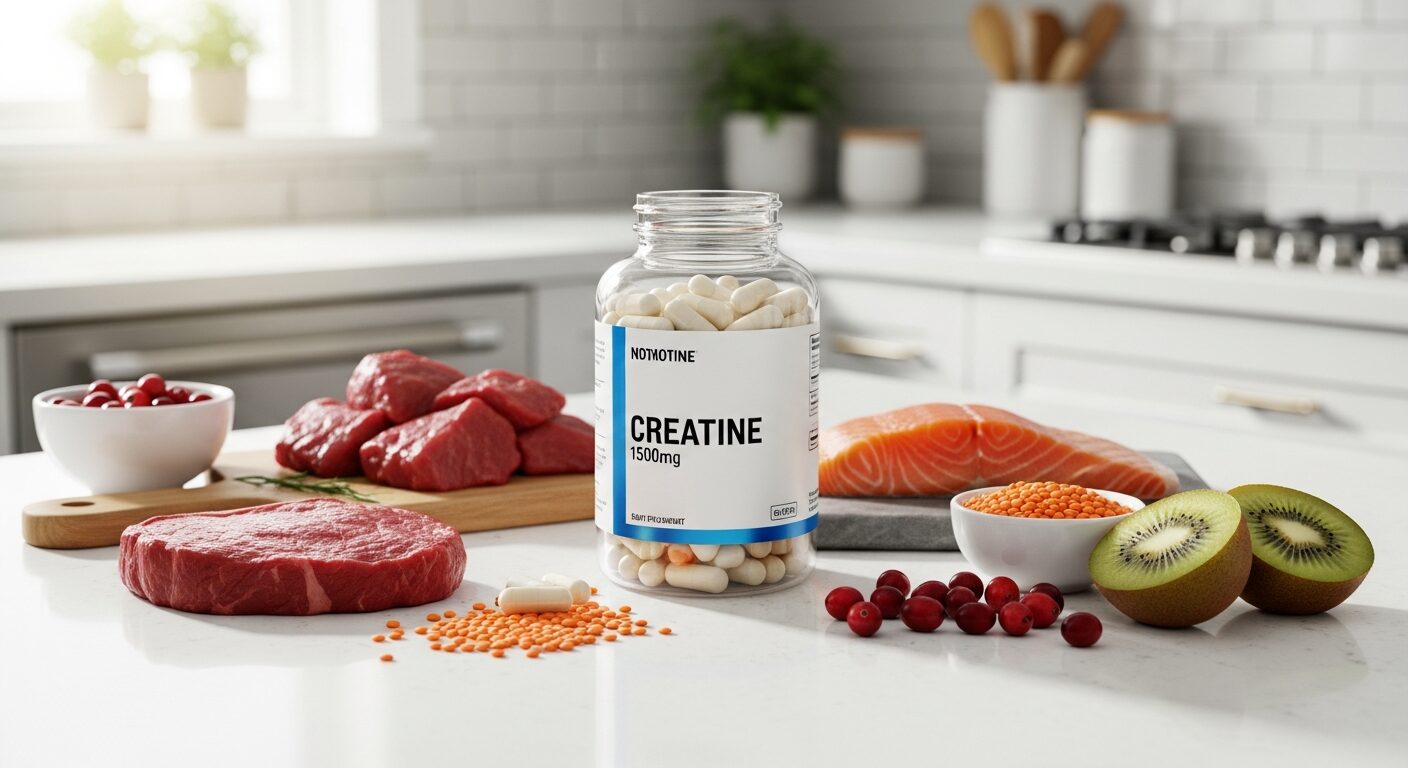
Creatine stands as one of the most researched and scientifically validated supplements in the world, yet misconceptions about this naturally occurring compound continue to persist. From elite athletes to weekend warriors, millions of people have discovered creatine’s remarkable ability to enhance physical performance, cognitive function, and overall health. What makes this supplement truly exceptional isn’t just its impressive track record in sports nutrition, but its emerging role in supporting brain health, cellular energy production, and even healthy aging.
Despite decades of research and hundreds of peer-reviewed studies demonstrating its safety and efficacy, creatine remains shrouded in myths and misunderstandings. Many people still associate it with dangerous anabolic steroids or believe it’s only useful for bodybuilders seeking massive muscle gains. The reality is far more nuanced and exciting. Modern science reveals creatine as a fundamental component of cellular energy metabolism that benefits virtually every system in the human body.
This comprehensive guide cuts through the noise to present what current research actually tells us about creatine supplementation. We’ll explore the mechanisms behind its benefits, debunk persistent myths with scientific evidence, and provide practical guidance for anyone considering adding this powerhouse supplement to their wellness routine.
Contents
What is Creatine
Creatine is a naturally occurring compound synthesized primarily in the liver, kidneys, and pancreas from three amino acids: glycine, arginine, and methionine. Your body produces approximately 1-2 grams of creatine daily, while another 1-2 grams typically comes from dietary sources, particularly red meat and fish. This organic acid plays a crucial role in the phosphocreatine energy system, which provides rapid energy for high-intensity, short-duration activities.
At the cellular level, creatine combines with phosphate to form phosphocreatine, stored primarily in skeletal muscle tissue. When your muscles need immediate energy, phosphocreatine donates its phosphate group to adenosine diphosphate (ADP), rapidly regenerating adenosine triphosphate (ATP) – the primary energy currency of cells. This process happens within milliseconds, making it essential for explosive movements like sprinting, weightlifting, or jumping.
About 95% of the body’s creatine is stored in skeletal muscles, with the remaining 5% found in the brain, heart, and other tissues. Interestingly, vegetarians and vegans typically have lower baseline creatine levels since plant foods contain minimal amounts, making them potentially more responsive to supplementation. The body’s creatine stores are finite, holding roughly 120-140 grams in an average adult, with about 2-3% being broken down daily and eliminated through urine as creatinine.
Key Benefits of Creatine
The scientific literature on creatine supplementation reveals benefits that extend far beyond the gym. International Society of Sports Nutrition position stand: safety and efficacy of creatine supplementation in exercise, sport, and medicine, 2017 provides comprehensive evidence for creatine’s wide-ranging effects on human health and performance.
Enhanced Physical Performance: Creatine supplementation consistently improves performance in high-intensity, short-duration activities. Studies show 5-15% improvements in maximum power output and up to 30% increases in total work performed during repeated bouts of high-intensity exercise. This translates to better performance in weightlifting, sprinting, jumping, and other explosive movements.
Increased Muscle Mass and Strength: Beyond immediate performance gains, creatine supports long-term muscle growth through multiple mechanisms. It enhances training capacity, allowing for more volume and intensity in workouts. Additionally, creatine may increase satellite cell number and myofiber cross-sectional area, contributing to greater muscle hypertrophy when combined with resistance training.
Cognitive Enhancement: Emerging research reveals creatine’s importance for brain health and cognitive function. The brain has high energy demands, and creatine supplementation can improve mental performance, particularly during stressful or demanding cognitive tasks. Studies show benefits for working memory, processing speed, and mental fatigue resistance.
Neurological Protection: Creatine may offer neuroprotective benefits, potentially supporting brain health in aging and various neurological conditions. Research suggests it could help maintain cognitive function and protect against age-related neurological decline, though more human studies are needed to confirm these effects.
Improved Recovery: Creatine supplementation can reduce markers of muscle damage and inflammation following intense exercise, potentially accelerating recovery between training sessions. This allows for more frequent, high-quality workouts and reduced risk of overtraining.
What Most People Get Wrong About Creatine
Despite extensive research, several persistent myths continue to cloud public perception of creatine supplementation. Let’s examine and debunk the most common misconceptions with scientific evidence.
Myth 1: Creatine is a Steroid or Artificial Drug
Perhaps the most pervasive misconception is that creatine is somehow similar to anabolic steroids or represents an artificial, potentially dangerous substance. This couldn’t be further from the truth. Creatine is a naturally occurring compound found in every human body and many foods we eat regularly. It’s not a hormone, doesn’t alter testosterone levels, and works through completely different mechanisms than anabolic steroids. The confusion likely stems from creatine’s association with muscle building, but the similarities end there. While steroids artificially manipulate hormone levels with potential serious side effects, creatine simply helps optimize your body’s existing energy systems.
Myth 2: You Must “Load” Creatine to See Benefits
The traditional creatine loading protocol – taking 20-25 grams daily for 5-7 days – became popular in early research studies, but it’s not necessary for results. This myth persists because loading does saturate muscle creatine stores faster, but the same saturation occurs with consistent daily doses of 3-5 grams over 3-4 weeks. Loading can cause digestive discomfort in some people and wastes money since excess creatine is simply excreted. The steady, lower-dose approach is equally effective and much more comfortable for most users.
Myth 3: Creatine Damages Your Kidneys
This fear likely originated from the fact that creatine breakdown produces creatinine, a waste product filtered by the kidneys. However, elevated creatinine levels from creatine supplementation don’t indicate kidney damage – they simply reflect increased creatine turnover. Extensive research in healthy individuals shows no adverse effects on kidney function, even with long-term use. The confusion arises because doctors use creatinine levels as a kidney function marker, but this test becomes less reliable in people taking creatine supplements. If you have existing kidney problems, consult your healthcare provider, but for healthy individuals, this concern is unfounded.
Myth 4: Creatine Only Works for Men and Bodybuilders
This misconception stems from creatine’s early marketing focus on male athletes and bodybuilders. In reality, creatine’s energy-enhancing effects benefit anyone engaged in high-intensity activities, regardless of gender or sport. Women respond just as well to creatine supplementation for strength, power, and muscle gains. Endurance athletes can benefit during high-intensity intervals or sprint finishes. Even non-athletes can experience improved performance in daily activities requiring quick, powerful movements. The cognitive benefits apply universally, making creatine valuable for students, professionals, and older adults seeking to maintain mental sharpness.
What Happens to Your Body After 30 Days of Taking Creatine
Understanding the timeline of creatine’s effects helps set realistic expectations and optimize supplementation strategies. The changes occur progressively as muscle creatine stores gradually increase.
Week 1: Initial Adaptations
During the first week, you may notice slight increases in body weight due to enhanced water retention within muscle cells. This isn’t “bloating” but rather improved cellular hydration that’s actually beneficial for muscle function and appearance. Some users report feeling slightly more energetic during workouts, though dramatic performance improvements aren’t typical yet. Digestive adjustment may occur if you’re taking larger doses, which is why starting with 3-5 grams daily is often preferable to loading protocols.
Week 2: Noticeable Performance Changes
By the second week, muscle creatine levels have increased significantly, and most users begin experiencing noticeable improvements in high-intensity exercise performance. You might complete an extra rep or two on your final sets, recover slightly faster between sets, or maintain power output longer during intense activities. The enhanced cellular hydration becomes more apparent, with muscles appearing fuller and more defined. Any initial digestive sensitivity typically resolves as your body adapts.
Week 3-4: Full Benefits Emerge
After three to four weeks of consistent supplementation, muscle creatine stores approach saturation, and the full spectrum of benefits becomes apparent. Effects of creatine supplementation on muscle power, endurance, and sprint performance, 2003 demonstrates that maximal benefits typically emerge after this timeframe. Performance improvements plateau at their highest levels – typically 5-15% increases in power output and 10-20% improvements in repeated high-intensity efforts. Strength gains from improved training capacity become more evident, and many users report better workout quality and reduced fatigue. Cognitive benefits, while more subtle, may also become noticeable during mentally demanding tasks.
The weight gain stabilizes at around 1-3 pounds for most people, representing increased muscle water content and potentially some additional muscle tissue from enhanced training capacity. This weight gain is generally welcomed by those seeking muscle growth and isn’t associated with fat accumulation or unhealthy fluid retention.
Who Should NOT Take Creatine
While creatine enjoys an excellent safety profile for most healthy adults, certain populations should exercise caution or avoid supplementation entirely.
Individuals with Kidney Disease: People with existing kidney problems should consult their healthcare provider before using creatine. While research shows no kidney damage in healthy individuals, those with compromised kidney function may have difficulty processing the increased creatinine load. Your doctor can determine if creatine is appropriate based on your specific condition and kidney function tests.
Pregnant and Breastfeeding Women: Although no evidence suggests creatine is harmful during pregnancy or lactation, insufficient research exists to confirm its safety during these critical periods. The conservative approach is to avoid supplementation unless specifically recommended by your healthcare provider. Natural creatine from food sources remains safe and appropriate.
Children and Adolescents: While some research suggests creatine may be safe for young athletes under proper medical supervision, most experts recommend avoiding supplementation in those under 18. Growing bodies have different nutritional needs, and long-term effects of creatine use during development haven’t been thoroughly studied. Focus on proper nutrition, hydration, and training instead.
People Taking Certain Medications: Creatine may interact with medications that affect kidney function, including certain antibiotics, pain medications, and blood pressure drugs. It may also enhance the effects of caffeine and other stimulants. Always inform your healthcare provider about creatine use and discuss potential interactions with any medications you’re taking.
Those with Bipolar Disorder: Some case reports suggest creatine might affect mood in people with bipolar disorder, though research is limited. If you have any mental health condition, discuss creatine supplementation with your psychiatrist or mental health provider before starting.
Dosage and Best Forms
Creatine monohydrate remains the gold standard for supplementation, backed by the most research and offering the best value. This form is highly bioavailable, well-tolerated, and has demonstrated effectiveness across hundreds of studies. Newer forms like creatine hydrochloride or buffered creatine may offer slight advantages in solubility or digestive comfort for some users, but they don’t provide superior results and cost significantly more.
The optimal dosage for most people is 3-5 grams daily, taken consistently regardless of training days. This amount effectively saturates muscle creatine stores over 3-4 weeks without causing digestive issues. Larger individuals or those with greater muscle mass may benefit from doses up to 10 grams daily, but exceeding this amount provides no additional benefits and increases the risk of side effects.
Timing is less critical than consistency. While some prefer taking creatine post-workout with carbohydrates to potentially enhance uptake, research shows minimal differences between pre-workout, post-workout, or any other timing. The key is taking it every day to maintain elevated muscle creatine levels. Mixing creatine with juice or consuming it with a meal may improve absorption slightly, but water works perfectly fine for most people.
Quality matters when selecting a creatine supplement. Look for products that are third-party tested, free from unnecessary additives, and use CreaPure® or other high-quality creatine monohydrate. Avoid products making exaggerated claims or combining creatine with numerous other ingredients that may interfere with absorption or cause unwanted effects.
🌿 Looking for Creatine Supplements?
Browse top-rated Creatine supplements, independently tested and recommended by our editorial team.
Affiliate disclosure: We may earn a small commission at no extra cost to you.
Frequently Asked Questions
Will creatine make me look bloated or puffy?
No, creatine causes intracellular water retention within muscle cells, not subcutaneous water retention that causes bloating. This enhanced cellular hydration actually improves muscle appearance, making them look fuller and more defined. The slight weight gain (1-3 pounds) reflects increased muscle water content and improved muscle volume, not uncomfortable bloating or puffiness.
Do I need to cycle on and off creatine?
Cycling isn’t necessary for creatine supplementation. Long-term creatine intake is beneficial to muscle performance during resistance training, 2005 demonstrates that continuous use maintains benefits without diminishing returns or safety concerns. Your body doesn’t develop tolerance to creatine, and stopping supplementation simply allows muscle creatine levels to return to baseline over several weeks. Consistent daily use provides optimal results.
Can I take creatine if I’m trying to lose weight?
Absolutely. Creatine supports high-intensity exercise performance, which can enhance your training capacity during weight loss phases. While you may see a small initial weight increase from improved muscle hydration, this doesn’t represent fat gain and shouldn’t interfere with fat loss goals. The performance benefits can help preserve muscle mass during caloric restriction, which is crucial for maintaining metabolic rate during weight loss.
Is creatine safe for long-term use?
Research supports the long-term safety of creatine supplementation in healthy adults. Studies following users for several years show no adverse health effects when used at recommended dosages. Your body naturally produces and uses creatine daily, so supplementation simply enhances existing physiological processes rather than introducing foreign substances. However, if you develop any health conditions or start new medications, consult your healthcare provider about continued use.
Why isn’t creatine working for me?
Several factors can influence creatine response. Non-responders (about 10-20% of people) typically have naturally higher baseline creatine levels or different muscle fiber compositions that limit additional creatine uptake. Inadequate dosing, inconsistent use, or unrealistic expectations can also affect perceived results. Ensure you’re taking 3-5 grams daily consistently for at least 4 weeks, engaging in appropriate high-intensity training, and looking for the right types of improvements (power, strength, repeated efforts rather than endurance or immediate dramatic changes).
Medical Disclaimer
The information provided in this article is for educational purposes only and should not be considered medical advice. Creatine supplementation may not be appropriate for everyone, and individual responses can vary. Before starting any new supplement regimen, especially if you have pre-existing health conditions, take medications, or have concerns about potential interactions, consult with a qualified healthcare professional.
This content is not intended to diagnose, treat, cure, or prevent any disease. The statements made regarding creatine supplementation have not been evaluated by the Food and Drug Administration. Always read product labels carefully and follow manufacturer instructions. If you experience any adverse effects while taking creatine, discontinue use and consult your healthcare provider immediately.