
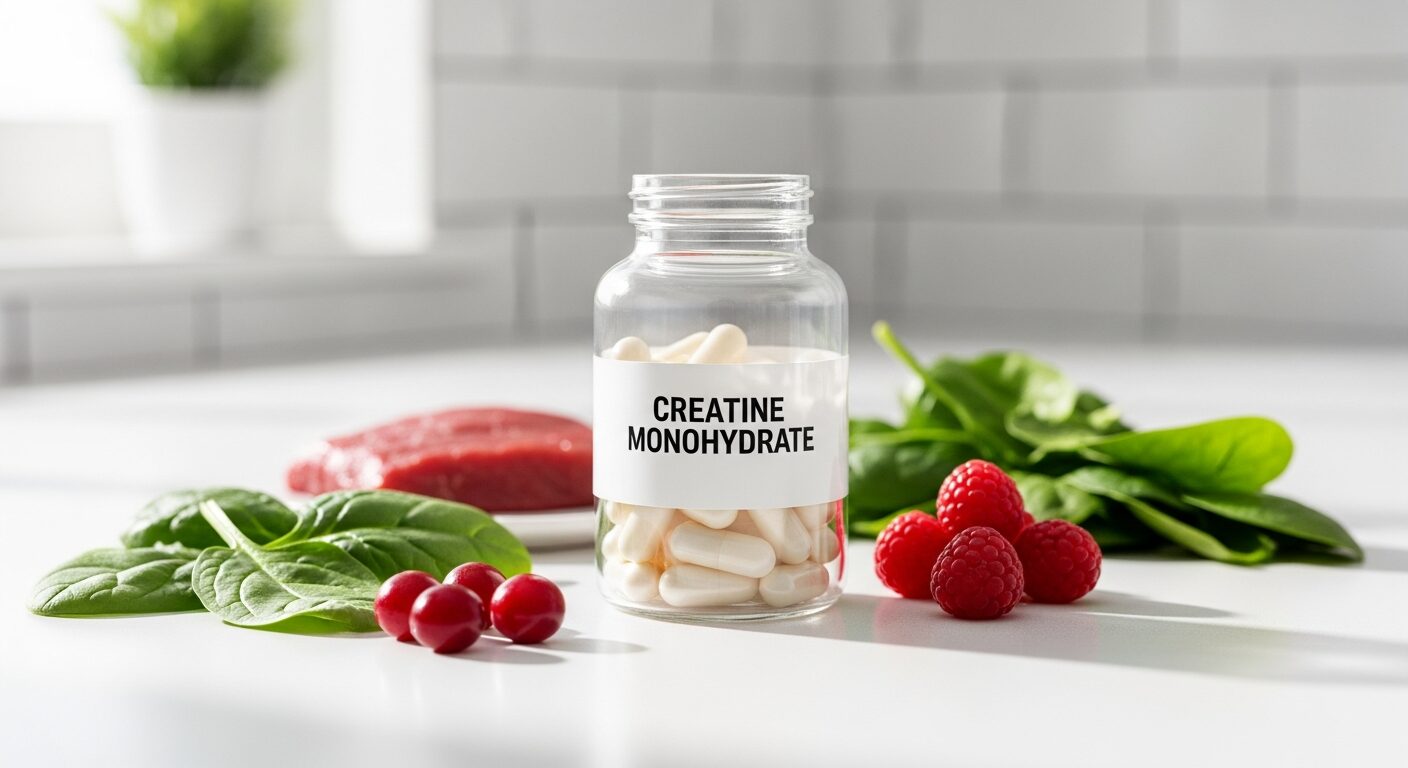
Creatine is one of the most extensively researched supplements in the world, yet confusion about proper dosage remains surprisingly common. Whether you’re an athlete looking to enhance performance, a fitness enthusiast seeking better recovery, or simply someone interested in the cognitive benefits, understanding how much creatine to take can make the difference between experiencing its full potential and wasting your money on ineffective protocols.
The supplement industry is flooded with conflicting advice about creatine dosage, from outdated “loading phases” to unnecessary cycling protocols. This comprehensive guide cuts through the marketing noise to provide you with science-based recommendations that will help you optimize your creatine intake for maximum benefits while avoiding common pitfalls that could undermine your results.
Contents
What is Creatine
Creatine is a naturally occurring compound found primarily in muscle tissue, with about 95% of your body’s creatine stored in skeletal muscle. Your body produces approximately 1-2 grams of creatine daily through your liver, kidneys, and pancreas, using the amino acids arginine, glycine, and methionine as building blocks.
This molecule plays a crucial role in cellular energy production through the phosphocreatine energy system. When your muscles need rapid energy for high-intensity activities lasting 10-15 seconds, creatine phosphate donates its phosphate group to regenerate ATP (adenosine triphosphate), your cells’ primary energy currency.
While you can obtain creatine from dietary sources like red meat and fish, the amounts are relatively small. A pound of raw beef contains approximately 2 grams of creatine, and cooking reduces this amount significantly. For individuals following plant-based diets, natural creatine intake is virtually zero, making supplementation particularly beneficial for vegetarians and vegans.
Key Benefits of Creatine
Research has consistently demonstrated creatine’s effectiveness across multiple areas of health and performance. The primary benefit is enhanced power output during short-duration, high-intensity activities. Studies show 5-15% improvements in maximum power output and up to 30% increases in total work performed during repeated high-intensity exercise bouts.
Beyond athletic performance, creatine supplementation supports muscle growth through several mechanisms. It increases cell volume by drawing water into muscle fibers, creates a more anabolic environment for protein synthesis, and may reduce muscle protein breakdown. These effects contribute to faster recovery between training sessions and enhanced adaptation to resistance training.
Emerging research reveals cognitive benefits, particularly in situations involving mental fatigue or stress. Creatine crosses the blood-brain barrier and supports brain energy metabolism, potentially improving working memory, processing speed, and cognitive performance during demanding tasks. These effects appear most pronounced in older adults and individuals under stress.
What Most People Get Wrong About Creatine
One of the most persistent myths is that creatine requires a “loading phase” of 20 grams daily for 5-7 days. While loading does saturate muscle creatine stores faster, research shows that taking 3-5 grams daily achieves the same saturation levels within 3-4 weeks. The loading phase often causes unnecessary digestive discomfort and water retention without providing long-term advantages.
Another common misconception is that creatine causes harmful dehydration or kidney damage. Multiple long-term studies, including research spanning several years, have found no evidence of kidney dysfunction in healthy individuals taking recommended doses. The temporary water weight gain (2-4 pounds) represents intracellular water storage in muscles, not problematic fluid retention or bloating.
Many people incorrectly believe they need to cycle creatine, taking breaks to maintain its effectiveness. Unlike stimulants, creatine doesn’t lead to tolerance or desensitization. Your muscles maintain elevated creatine levels as long as you continue supplementation, and taking breaks only allows stores to return to baseline levels, requiring time to rebuild saturation when you resume.
The timing myth suggests creatine must be taken immediately post-workout to be effective. While post-workout timing may offer slight advantages, total daily intake matters far more than precise timing. Your muscles act as a creatine reservoir that provides benefits regardless of when you consume your daily dose, making consistency more important than timing precision.
What Happens to Your Body After 30 Days of Taking Creatine
During the first week of creatine supplementation, your muscle creatine stores begin increasing gradually. You may notice a 1-3 pound increase in body weight as your muscle fibers draw in additional water. This isn’t fat gain or problematic bloating—it’s intracellular hydration that contributes to improved muscle function. Some individuals report feeling slightly more energetic during workouts, though dramatic performance improvements aren’t typical yet.
Week two brings more noticeable changes in exercise capacity. Your muscles have accumulated sufficient creatine to enhance the phosphocreatine energy system meaningfully. You’ll likely observe improved performance in activities requiring short bursts of power, such as sprinting, jumping, or lifting heavy weights. Recovery between high-intensity intervals should feel faster, allowing you to maintain higher training intensity throughout your sessions.
By weeks three and four, muscle creatine saturation approaches optimal levels. This is when most people experience creatine’s full benefits: significantly improved power output, enhanced ability to perform multiple sets at high intensity, and noticeably faster recovery between training sessions. Effects of creatine supplementation on exercise performance and fatigue in trained and untrained individuals, 2003 demonstrates these timeline effects clearly in both athletic and recreational populations.
Cognitive benefits may also become apparent during this period, particularly if you’re regularly engaged in mentally demanding activities or experiencing high stress levels. Many users report improved focus and reduced mental fatigue, especially during challenging cognitive tasks or extended periods of concentration.
Who Should NOT Take Creatine
Individuals with pre-existing kidney disease or significantly impaired kidney function should avoid creatine supplementation without medical supervision. While creatine doesn’t cause kidney problems in healthy people, those with existing renal issues may struggle to process the increased creatinine (a waste product of creatine metabolism) that results from supplementation.
People taking medications that affect kidney function, including certain blood pressure medications, NSAIDs used chronically, or other nephrotoxic drugs, should consult their healthcare provider before starting creatine. The combination could potentially strain kidney function, though this risk primarily affects those with underlying vulnerabilities.
Pregnant and breastfeeding women should avoid creatine supplementation due to insufficient safety data in these populations. While there’s no evidence suggesting creatine is harmful during pregnancy, the lack of specific research in pregnant women makes it prudent to avoid supplementation during this time.
Individuals with bipolar disorder should exercise caution, as some case reports suggest creatine might influence mood stability. While research is limited, those with mood disorders should discuss creatine use with their mental health provider before beginning supplementation.
Anyone scheduled for surgery should discontinue creatine at least two weeks beforehand, as it may theoretically affect blood sugar control during and after surgical procedures. Always inform your healthcare team about supplement use when preparing for medical procedures.
Dosage and Best Forms
The most effective and well-researched dosing protocol involves taking 3-5 grams of creatine monohydrate daily, consistently, without cycling breaks. This approach maximizes muscle saturation while minimizing potential digestive issues. Individuals with larger muscle mass (over 200 pounds) may benefit from the higher end of this range, while smaller individuals often respond well to 3 grams daily.
Creatine monohydrate remains the gold standard form, supported by decades of research and proven effectiveness. International Society of Sports Nutrition position stand: creatine supplementation and exercise, 2017 confirms that creatine monohydrate is the most effective form available. Alternative forms like creatine HCl, buffered creatine, or creatine ethyl ester haven’t demonstrated superior benefits despite marketing claims.
Timing isn’t critical, but taking creatine with carbohydrates may slightly enhance uptake due to insulin’s role in driving creatine into muscle cells. Many people find post-workout timing convenient, combining creatine with their recovery meal or shake. However, consistency matters more than timing—choose a schedule you can maintain daily.
For optimal absorption, mix creatine powder thoroughly in liquid and consume it promptly. Creatine can degrade in solution over time, potentially reducing effectiveness. If you experience mild stomach upset, try taking creatine with food or splitting your dose throughout the day.
🌿 Looking for Creatine Supplements?
Browse top-rated Creatine supplements, independently tested and recommended by our editorial team.
Affiliate disclosure: We may earn a small commission at no extra cost to you.
Frequently Asked Questions
Can I take creatine every day?
Yes, daily creatine consumption is not only safe but recommended for maintaining optimal muscle creatine levels. Unlike supplements that require cycling, creatine works best with consistent daily intake. Long-term creatine supplementation does not significantly affect clinical markers of health in athletes, 2003 demonstrates the safety of extended daily use in athletic populations.
Will creatine make me gain weight?
You may experience a 1-4 pound increase in body weight due to increased water storage within muscle cells. This isn’t fat gain and actually contributes to improved muscle function and appearance. The water retention is intracellular, meaning it doesn’t cause bloating or puffiness—instead, it can make muscles appear fuller and more defined.
Should women take a different dose of creatine?
Women can follow the same dosing guidelines as men, typically 3-5 grams daily. Body weight and muscle mass matter more than gender for determining optimal dosage. Smaller individuals, regardless of gender, may find 3 grams daily sufficient, while those with more muscle mass benefit from 5 grams daily.
Can I mix creatine with other supplements?
Creatine combines safely with most other supplements, including protein powder, pre-workouts, and vitamins. Avoid mixing it with caffeine in the same solution, as some research suggests caffeine might slightly reduce creatine’s effectiveness, though this effect is minimal and doesn’t require avoiding caffeine entirely.
How long does it take to see results from creatine?
Most people notice improved performance within 1-2 weeks of consistent supplementation, with full benefits typically apparent by week 3-4. Individual response varies based on baseline creatine levels, muscle fiber type, and training intensity. Vegetarians and vegans often experience faster and more dramatic improvements due to lower baseline creatine stores.
Medical Disclaimer
This article is for informational purposes only and does not constitute medical advice. The information provided should not replace professional medical consultation, diagnosis, or treatment. Always consult with a qualified healthcare provider before starting any new supplement regimen, especially if you have pre-existing medical conditions, take medications, or have concerns about supplement interactions.
Individual responses to creatine supplementation may vary, and what works for one person may not be appropriate for another. If you experience any adverse effects while taking creatine, discontinue use and consult your healthcare provider immediately. This information is not intended to diagnose, treat, cure, or prevent any disease.