
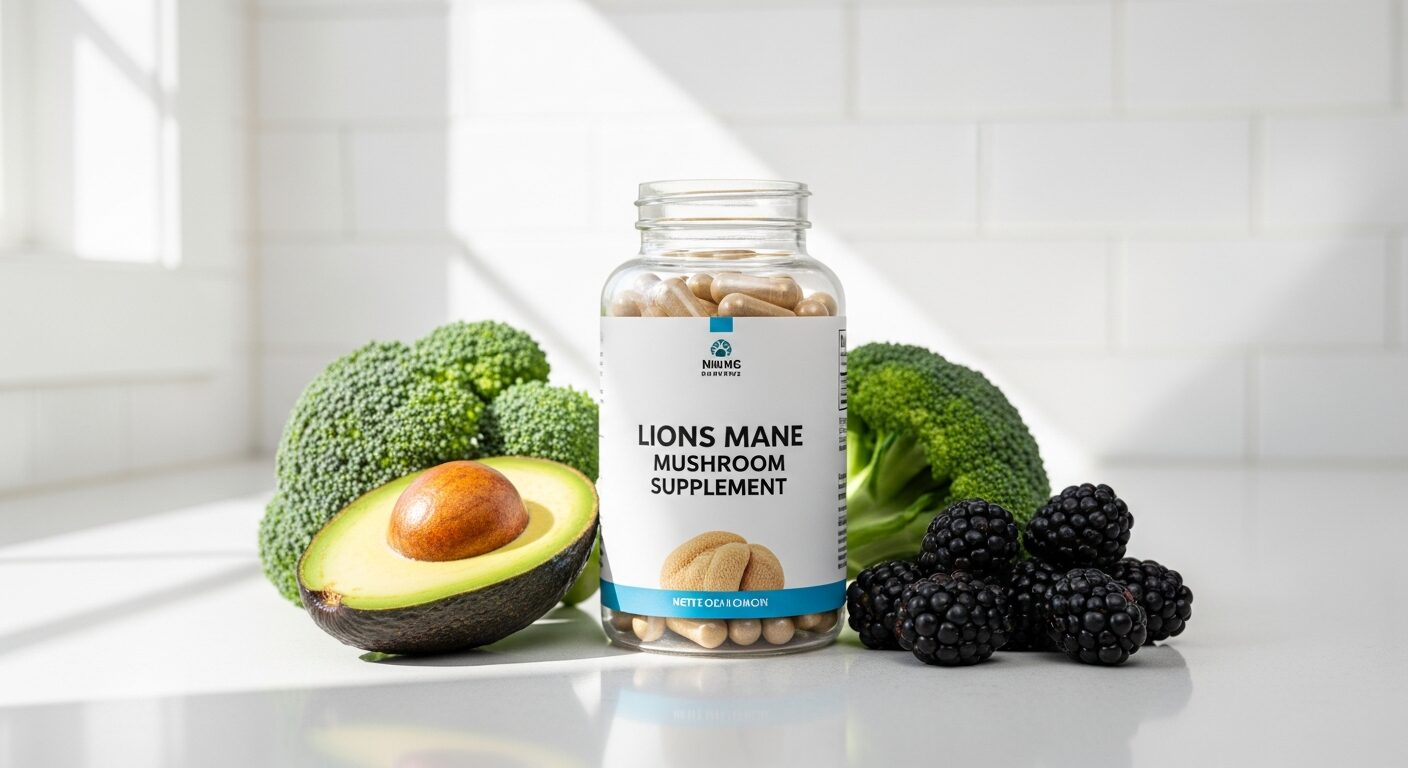
Lion’s mane mushroom has emerged as one of the most fascinating natural compounds in the world of cognitive enhancement and neurological health. With its distinctive white, cascading appearance that resembles a lion’s flowing mane, this unique fungus has captured the attention of researchers, health enthusiasts, and anyone seeking natural ways to support brain function and overall wellness.
What sets lion’s mane apart from other medicinal mushrooms isn’t just its striking appearance, but its remarkable ability to support nerve growth and potentially enhance cognitive performance. Unlike many supplements that rely on ancient traditional use alone, lion’s mane boasts a growing body of modern scientific research that validates many of its purported benefits. From supporting memory and focus to potentially protecting against age-related cognitive decline, this remarkable mushroom offers a science-backed approach to brain health that’s accessible to anyone interested in optimizing their mental performance naturally.
However, despite its growing popularity, there’s considerable confusion about what lion’s mane actually does, how it works, and what realistic expectations users should have. This comprehensive guide will cut through the marketing hype and misconceptions to provide you with evidence-based information about lion’s mane mushroom, helping you make informed decisions about whether this powerful supplement belongs in your wellness routine.
Contents
- 1 What is Lions Mane
- 2 Key Benefits of Lions Mane
- 3 What Most People Get Wrong About Lions Mane
- 4 What Happens to Your Body After 30 Days of Taking Lions Mane
- 5 Who Should NOT Take Lions Mane
- 6 Dosage and Best Forms
- 7 Frequently Asked Questions
- 7.1 How long does it take for lion’s mane to work?
- 7.2 Can I take lion’s mane with other nootropics or supplements?
- 7.3 Should I cycle on and off lion’s mane or take it continuously?
- 7.4 Are there any side effects I should watch for?
- 7.5 Is synthetic lion’s mane as effective as mushroom-derived extracts?
- 8 Medical Disclaimer
What is Lions Mane
Lion’s mane mushroom, scientifically known as Hericium erinaceus, is a distinctive edible and medicinal fungus that grows naturally on hardwood trees throughout North America, Europe, and Asia. Unlike typical mushrooms with caps and stems, lion’s mane features long, flowing, white spines that give it its characteristic appearance and name.
This remarkable fungus has been prized in traditional Chinese medicine for centuries, where it’s known as “yamabushitake” or “monkey head mushroom.” Ancient practitioners recognized its potential to support digestive health and overall vitality, though they likely had little understanding of the complex bioactive compounds that modern science has now identified.
The magic of lion’s mane lies in its unique bioactive compounds, particularly hericenones and erinacines. These specialized molecules can cross the blood-brain barrier and stimulate the production of nerve growth factor (NGF), a crucial protein that promotes the growth, maintenance, and survival of neurons. This mechanism makes lion’s mane particularly interesting for supporting cognitive function and neurological health.
Today, lion’s mane is cultivated commercially and available in various forms, from fresh mushrooms that can be cooked and eaten to concentrated extracts in capsules, powders, and tinctures. The cultivation process has been refined to maximize the concentration of beneficial compounds, making modern lion’s mane supplements significantly more potent than what would be available through diet alone.
Key Benefits of Lions Mane
The scientific research surrounding lion’s mane mushroom reveals several compelling benefits, particularly for cognitive function and neurological health. Improving effects of the mushroom Yamabushitake on mild cognitive impairment, 2009 demonstrated that lion’s mane supplementation led to significant improvements in cognitive function scores among older adults with mild cognitive impairment, with benefits appearing after just 8 weeks of supplementation.
One of the most significant benefits is lion’s mane’s ability to support neuroplasticity – the brain’s capacity to form new neural connections and adapt throughout life. The hericenones and erinacines in lion’s mane stimulate nerve growth factor production, which can promote the growth of new neural pathways and potentially help repair damaged neurons. This mechanism may explain why users often report improvements in memory, focus, and overall cognitive clarity.
Beyond cognitive benefits, research suggests that lion’s mane may support mood and emotional well-being. Some studies indicate that regular supplementation may help reduce symptoms of anxiety and mild depression, possibly through its effects on the gut-brain axis and inflammatory pathways. The mushroom’s ability to support healthy inflammatory responses throughout the body may contribute to improved overall mental health.
Lion’s mane also shows promise for digestive health, which shouldn’t be surprising given its traditional use in this area. The mushroom contains compounds that may help protect the stomach lining and support healthy gut bacteria, creating a foundation for better overall health since gut health is increasingly linked to brain function and mood regulation.
Additionally, some research suggests that lion’s mane may help support healthy blood sugar levels and provide antioxidant protection against cellular damage. While these benefits require more research to fully establish, they highlight the mushroom’s potential as a comprehensive wellness supplement rather than just a cognitive enhancer.
What Most People Get Wrong About Lions Mane
Despite its legitimate benefits, lion’s mane is surrounded by several persistent myths and misconceptions that can lead to unrealistic expectations or improper use. Understanding these misconceptions is crucial for anyone considering lion’s mane supplementation.
The first major misconception is that lion’s mane works like a pharmaceutical nootropic, providing immediate, dramatic cognitive enhancement. Many users expect to feel significantly smarter or more focused within hours or days of taking their first dose. In reality, lion’s mane works by supporting long-term neurological health and neuroplasticity. Neurotrophic properties of the Lion’s mane medicinal mushroom, 2013 shows that the neurological benefits occur through gradual nerve growth factor stimulation, which takes weeks to months to produce noticeable effects.
Another common myth is that all lion’s mane supplements are created equal. The truth is that the quality, potency, and bioavailability of lion’s mane products vary dramatically. Many supplements contain primarily the mushroom’s fruiting body, which has lower concentrations of the key active compounds compared to mycelium extracts. Additionally, some products use fillers like rice or oat powder, significantly diluting the active ingredients. The extraction method also matters enormously – water extraction, alcohol extraction, and dual extraction processes yield different concentrations of beneficial compounds.
A third misconception is that lion’s mane can reverse serious neurological conditions or replace conventional medical treatments. While research is promising, lion’s mane should be viewed as a supportive supplement for brain health rather than a cure for conditions like Alzheimer’s disease, Parkinson’s disease, or severe cognitive impairment. The research showing cognitive benefits has primarily focused on healthy individuals or those with mild cognitive decline, not severe neurological conditions.
Finally, many people believe that taking more lion’s mane will produce faster or better results. This “more is better” mentality can actually be counterproductive. Lion’s mane works through biological pathways that have natural limits, and excessive doses may cause digestive upset or other side effects without providing additional benefits. The optimal dosing appears to follow a bell curve, where moderate, consistent doses produce better results than sporadic high doses.
What Happens to Your Body After 30 Days of Taking Lions Mane
Understanding the timeline of lion’s mane effects can help set realistic expectations and ensure you’re giving the supplement adequate time to work. Based on research and user reports, the benefits of lion’s mane unfold gradually over several weeks.
During the first week of supplementation, most people won’t notice dramatic changes, though some users report subtle improvements in sleep quality or digestive comfort. This initial period is when the bioactive compounds begin accumulating in your system and starting to influence nerve growth factor production. Some sensitive individuals might notice a slight improvement in mood or a sense of mental clarity, but these effects are typically mild and may be attributed to placebo effect.
By week two, more noticeable effects often begin to emerge. Users frequently report improvements in focus and concentration, particularly during mentally demanding tasks. Some people notice that they feel more mentally resilient to stress and experience less afternoon mental fatigue. The nerve growth factor stimulation is beginning to have measurable effects on neural function, though the full benefits are still developing.
Weeks three and four typically bring the most significant improvements. Therapeutic Potential of Hericium erinaceus for Depressive Disorder, 2019 suggests that consistent supplementation over this timeframe can lead to measurable improvements in cognitive performance and mood regulation. Users often report enhanced memory recall, improved ability to learn new information, and better overall mental clarity. Some people also notice improvements in their mood stability and reduced anxiety levels.
It’s important to note that individual responses vary significantly based on factors like age, overall health, diet, stress levels, and the quality of the lion’s mane supplement being used. Some people may notice benefits earlier, while others might need 6-8 weeks to experience the full effects. The key is consistency – daily supplementation appears to be more effective than sporadic use.
Who Should NOT Take Lions Mane
While lion’s mane is generally considered safe for most healthy adults, certain individuals should exercise caution or avoid supplementation entirely. Understanding these contraindications is essential for safe use.
Individuals with mushroom allergies should obviously avoid lion’s mane, as it can trigger allergic reactions ranging from mild digestive upset to more serious respiratory symptoms. If you have a known sensitivity to other medicinal mushrooms like reishi or cordyceps, start with a very small dose under medical supervision to assess your tolerance.
People taking blood-thinning medications like warfarin, aspirin, or clopidogrel should consult their healthcare provider before using lion’s mane, as some mushroom compounds may enhance the effects of these medications, potentially increasing bleeding risk. Similarly, individuals scheduled for surgery should discontinue lion’s mane at least two weeks beforehand due to potential effects on blood clotting.
Pregnant and breastfeeding women should avoid lion’s mane supplementation, as there’s insufficient research on its safety during these critical periods. While traditional use suggests it’s likely safe, the concentrated extracts available today are much more potent than historical preparations, making caution advisable.
Individuals with autoimmune conditions should be particularly careful with lion’s mane supplementation. While the mushroom may help modulate immune function in healthy individuals, it could potentially stimulate immune activity in ways that exacerbate conditions like rheumatoid arthritis, multiple sclerosis, or lupus. Anyone with an autoimmune condition should work closely with their healthcare provider before adding lion’s mane to their regimen.
People with diabetes should monitor their blood sugar levels closely when starting lion’s mane, as some research suggests it may help lower blood glucose levels. While this could be beneficial, it might require adjustments to diabetes medications to prevent hypoglycemia.
Dosage and Best Forms
Determining the optimal lion’s mane dosage depends on several factors, including the form of supplement, extraction method, concentration of active compounds, and individual health goals. Most research studies have used doses ranging from 500mg to 3000mg daily, with 1000mg being a common starting point for most adults.
The form of lion’s mane significantly impacts the effective dosage. Whole mushroom powder typically requires higher doses (2-3 grams daily) because the concentration of active compounds is lower. Concentrated extracts, particularly those standardized for hericenones and erinacines, may be effective at much lower doses (500-1000mg daily).
For optimal absorption, lion’s mane is best taken with food, preferably a meal containing some healthy fats, as this can enhance the absorption of fat-soluble compounds. Many users prefer splitting their daily dose, taking half in the morning and half in the early evening, though morning-only dosing is also effective and may be preferable for those sensitive to any mild stimulating effects.
When choosing a lion’s mane supplement, look for products that specify the extraction ratio and standardization of active compounds. Dual-extracted products (using both water and alcohol extraction) typically provide the broadest spectrum of beneficial compounds. Third-party testing for purity and potency is also crucial, as the mushroom supplement industry has quality control issues.
Start with the lowest recommended dose and gradually increase over 1-2 weeks to assess your individual tolerance and response. Some people achieve optimal benefits at lower doses, while others may need the higher end of the dosing range.
🌿 Looking for Lions Mane Supplements?
Browse top-rated Lions Mane supplements, independently tested and recommended by our editorial team.
Affiliate disclosure: We may earn a small commission at no extra cost to you.
Frequently Asked Questions
How long does it take for lion’s mane to work?
Most users begin noticing subtle cognitive improvements within 2-3 weeks of consistent daily supplementation, with more significant benefits typically emerging after 4-6 weeks. However, some people report changes as early as one week, while others may need 8-12 weeks to experience the full effects. The key is consistent daily use rather than sporadic supplementation.
Can I take lion’s mane with other nootropics or supplements?
Lion’s mane generally combines well with other cognitive supplements like omega-3 fatty acids, B-vitamins, and adaptogens like rhodiola or ashwagandha. However, avoid combining it with other mushroom extracts initially to assess your individual response. If you’re taking prescription medications, particularly blood thinners or diabetes medications, consult your healthcare provider before combining supplements.
Should I cycle on and off lion’s mane or take it continuously?
Unlike some supplements that require cycling, lion’s mane can be taken continuously for extended periods. The neurological benefits appear to be cumulative, meaning consistent long-term use may provide greater benefits than cycling on and off. However, some users prefer taking periodic breaks every 3-6 months to assess their baseline function and prevent potential tolerance.
Are there any side effects I should watch for?
Lion’s mane is generally well-tolerated, but some users report mild digestive upset, particularly when starting supplementation or taking higher doses. Rarely, people may experience skin rashes, which could indicate an allergic reaction. If you experience persistent headaches, unusual fatigue, or any concerning symptoms, discontinue use and consult a healthcare provider.
Is synthetic lion’s mane as effective as mushroom-derived extracts?
Currently, there are no commercially available synthetic versions of lion’s mane’s key active compounds (hericenones and erinacines). All legitimate lion’s mane supplements are derived from actual mushrooms, either the fruiting body, mycelium, or both. Be wary of products that don’t clearly specify their mushroom source, as these may contain fillers or ineffective compounds.
Medical Disclaimer
The information provided in this article is for educational purposes only and is not intended as medical advice, diagnosis, or treatment. Lion’s mane mushroom supplements have not been evaluated by the FDA for the treatment, cure, or prevention of any disease or health condition. Individual results may vary, and the effects described may not occur in all users.
Before starting any new supplement regimen, including lion’s mane, consult with a qualified healthcare provider, especially if you have pre-existing health conditions, take prescription medications, are pregnant or breastfeeding, or have concerns about potential interactions. This is particularly important for individuals with autoimmune conditions, bleeding disorders, or diabetes.
While the research on lion’s mane is promising, more studies are needed to fully establish its safety and efficacy for various health conditions. The supplement industry is not as tightly regulated as pharmaceuticals, so product quality and potency can vary significantly between manufacturers. Always choose reputable brands that provide third-party testing and clear labeling of ingredients and concentrations.