
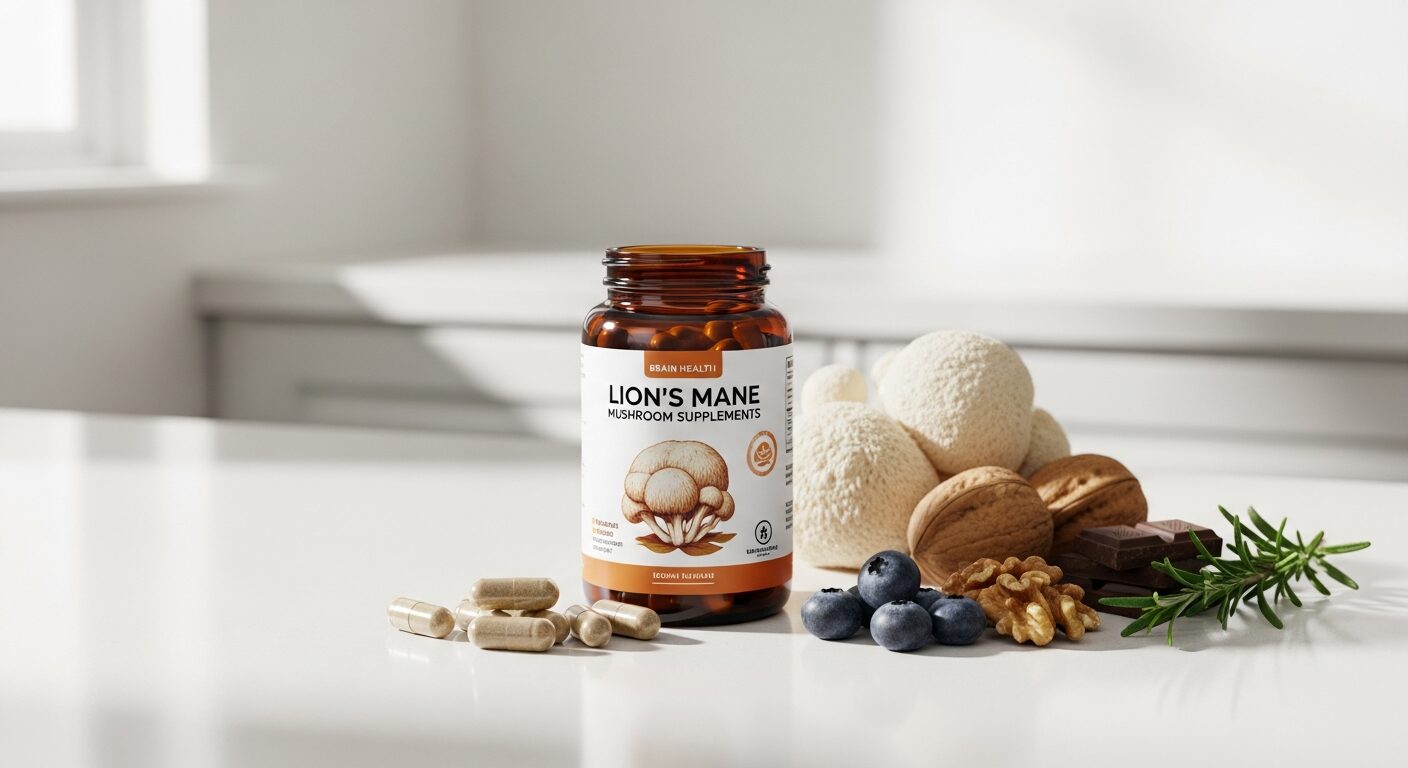
In the quest for cognitive enhancement and brain health, one peculiar-looking mushroom has captured the attention of researchers and health enthusiasts alike. Lion’s mane mushroom, with its distinctive cascading white tendrils that resemble a lion’s flowing mane, has emerged from traditional Chinese medicine into the spotlight of modern neuroscience. This remarkable fungus isn’t just another trendy superfood – it represents a fascinating intersection of ancient wisdom and cutting-edge brain research.
What makes lion’s mane particularly intriguing to scientists is its unique ability to support the brain’s natural repair and growth processes. Unlike many other natural compounds that claim cognitive benefits, lion’s mane has attracted serious scientific scrutiny, with researchers investigating its potential to enhance memory, support nerve regeneration, and even protect against neurodegenerative diseases. As we dive into the science behind this remarkable mushroom, we’ll explore what research reveals about its effects on brain health and separate the facts from the hype.
Contents
What is Lion’s Mane
Lion’s mane (Hericium erinaceus) is a distinctive edible mushroom that grows on hardwood trees throughout North America, Europe, and Asia. Unlike typical cap-and-stem mushrooms, lion’s mane develops as a white, bulbous mass covered in long, flowing spines that give it its characteristic appearance. In the wild, these mushrooms can grow quite large, sometimes reaching the size of a basketball.
Historically, lion’s mane has been prized both as a gourmet food and medicinal remedy. In traditional Chinese medicine, it’s known as “yamabushitake” or “bearded tooth mushroom” and has been used for centuries to support digestive health and general vitality. Buddhist monks reportedly consumed lion’s mane tea to enhance their focus during meditation, believing it helped achieve mental clarity and concentration.
From a biological perspective, lion’s mane contains several unique bioactive compounds that set it apart from other mushrooms. The most notable are hericenones and erinacines, which are small molecules that can cross the blood-brain barrier – a crucial feature that allows them to directly interact with brain tissue. These compounds are what researchers believe give lion’s mane its neurological benefits.
Modern cultivation techniques have made lion’s mane more accessible as both a food and supplement. The mushroom has a seafood-like texture and mild flavor, often compared to crab or lobster, making it popular among vegetarians and vegans as a meat substitute. However, most people interested in its brain health benefits turn to concentrated extracts rather than consuming the whole mushroom.
Key Benefits of Lion’s Mane
The scientific investigation into lion’s mane has revealed several compelling benefits for brain health and cognitive function. Research suggests this mushroom works through multiple pathways to support neurological wellness, making it unique among natural nootropics.
One of the most significant discoveries is lion’s mane ability to stimulate nerve growth factor (NGF) production. NGF is a protein crucial for the growth, maintenance, and survival of neurons. Cognitive improvement following supplementation with lion’s mane mushroom, 2013 demonstrated that lion’s mane extract could enhance cognitive function in older adults with mild cognitive impairment. Participants showed significant improvements in cognitive test scores after 16 weeks of supplementation.
Memory enhancement represents another well-documented benefit. Studies indicate that lion’s mane may improve both short-term and long-term memory formation. The mushroom appears to support hippocampal function, the brain region most associated with memory consolidation. This effect may be particularly beneficial for age-related memory decline and could potentially slow cognitive deterioration.
Neuroprotection is another key area where lion’s mane shows promise. Research suggests the mushroom’s compounds may protect neurons from damage caused by oxidative stress and inflammation – two major contributors to neurodegenerative diseases. Some studies have explored its potential in conditions like Alzheimer’s and Parkinson’s disease, though human research in these areas remains limited.
Mood and anxiety support have also emerged as potential benefits. Some research indicates that lion’s mane may help reduce symptoms of anxiety and depression, possibly through its effects on inflammation and nerve growth. While the mechanism isn’t fully understood, the connection between brain health and mood regulation suggests these effects may be related to the mushroom’s neurological benefits.
What Most People Get Wrong About Lion’s Mane
Despite growing interest in lion’s mane, several persistent misconceptions continue to circulate, leading to unrealistic expectations and improper usage. Understanding these myths is crucial for anyone considering lion’s mane supplementation.
The first major misconception is that lion’s mane works like a pharmaceutical drug, providing immediate cognitive enhancement. Many people expect to feel dramatically smarter or more focused within hours or days of taking their first dose. In reality, lion’s mane works by supporting the brain’s natural growth and repair processes, which occur gradually over weeks and months. The mushroom doesn’t provide stimulant-like effects similar to caffeine or other nootropics – instead, it appears to create conditions for long-term brain health improvements.
Another widespread myth is that all lion’s mane supplements are equivalent in potency and effectiveness. This couldn’t be further from the truth. The concentration and bioavailability of active compounds vary dramatically between products. Some supplements contain whole mushroom powder with minimal active compounds, while others feature concentrated extracts standardized for hericenones and erinacines. The extraction method, growing conditions, and processing techniques all significantly impact the final product’s efficacy.
Perhaps the most dangerous misconception is that lion’s mane can cure or reverse serious neurological conditions like Alzheimer’s disease or severe depression. While research shows promising neuroprotective effects, current evidence comes primarily from animal studies and small human trials. Neurotrophic properties of lion’s mane medicinal mushroom, 2013 provides valuable insights into the mushroom’s mechanisms, but translating these findings to treating serious medical conditions requires much more research.
Finally, many people believe that higher doses automatically lead to better results. This “more is better” mentality can actually be counterproductive and potentially harmful. Like many bioactive compounds, lion’s mane may have an optimal dosage range, and exceeding it doesn’t necessarily enhance benefits. Some individuals may experience digestive upset or other side effects from excessive consumption, and the long-term effects of very high doses haven’t been thoroughly studied.
What Happens to Your Body After 30 Days of Taking Lion’s Mane
Understanding the timeline of lion’s mane effects helps set realistic expectations and demonstrates why consistency matters more than dosage when it comes to this unique mushroom supplement.
Week 1: Subtle Beginnings
During the first week, most people won’t notice dramatic changes. However, at the cellular level, important processes are beginning. Lion’s mane compounds start accumulating in the brain tissue and begin stimulating nerve growth factor production. Some individuals report slight improvements in sleep quality or a subtle sense of mental calmness, though these effects are often so mild they could be attributed to placebo effect. Digestive adaptation may occur during this period, particularly for those with sensitive stomachs.
Week 2: Early Indicators
By the second week, more noticeable changes may emerge. Many users report improved focus and concentration, particularly during demanding mental tasks. Memory recall might become slightly sharper, though the improvements are typically modest. Some people notice enhanced mood stability and reduced mental fatigue, especially during afternoon energy dips. These effects align with research suggesting that nerve growth factor levels begin to increase meaningfully after consistent supplementation.
Week 3-4: Established Benefits
The third and fourth weeks often represent the period when lion’s mane benefits become most apparent. Improving effects of lion’s mane mushroom on mild cognitive impairment, 2010 showed that cognitive improvements typically emerge after several weeks of consistent use. Users frequently report enhanced working memory, improved ability to learn new information, and better mental clarity throughout the day. Stress resilience may also improve, with many people finding they handle mental pressure more effectively.
It’s important to note that individual responses vary significantly. Factors like age, baseline cognitive function, overall health status, diet, sleep quality, and stress levels all influence how quickly and noticeably someone experiences benefits. Older adults or those with existing cognitive concerns may notice more dramatic improvements, while younger, healthy individuals might experience subtler effects.
The cumulative nature of lion’s mane benefits means that consistency matters more than perfection. Missing occasional doses won’t derail progress, but regular, daily consumption appears necessary for optimal results. Some research suggests that benefits may continue to accumulate beyond the first month, with some studies showing progressive improvements over several months of supplementation.
Who Should NOT Take Lion’s Mane
While lion’s mane is generally considered safe for most healthy adults, certain individuals should exercise caution or avoid supplementation entirely. Understanding these contraindications is essential for safe and responsible use.
Individuals with mushroom allergies represent the most obvious group that should avoid lion’s mane. Even those with allergies to specific mushroom varieties may be at risk for cross-reactivity. Allergic reactions can range from mild digestive upset to severe respiratory symptoms. Anyone with a history of mushroom sensitivity should consult with an allergist before considering lion’s mane supplementation.
People taking anticoagulant medications need to be particularly cautious. Some research suggests lion’s mane may have mild blood-thinning properties, which could potentially enhance the effects of warfarin, heparin, or other blood thinners. This interaction could increase bleeding risk, particularly during surgery or after injury. Anyone on anticoagulant therapy should discuss lion’s mane with their prescribing physician before starting supplementation.
Pregnant and breastfeeding women should avoid lion’s mane due to insufficient safety data. While no specific harmful effects have been documented, the lack of comprehensive studies in these populations means potential risks remain unknown. The developing brain’s sensitivity to various compounds makes caution particularly important during pregnancy and lactation.
Individuals with autoimmune conditions should approach lion’s mane with caution. The mushroom’s immune-modulating properties could theoretically affect autoimmune disease progression, though research in this area is limited. People with conditions like multiple sclerosis, rheumatoid arthritis, or lupus should consult their healthcare providers before supplementation.
Those scheduled for surgery should discontinue lion’s mane at least two weeks beforehand due to potential bleeding risk and possible interactions with anesthesia. The mushroom’s effects on blood clotting and nervous system function could complicate surgical procedures or recovery.
Children and adolescents should generally avoid lion’s mane supplements unless specifically recommended by a pediatric healthcare provider. The developing brain’s unique characteristics and the lack of safety studies in younger populations make supplementation inadvisable without medical supervision.
Dosage and Best Forms
Determining the optimal lion’s mane dosage requires understanding the different forms available and how extraction methods affect potency. Most research has used specific extract concentrations, making it important to match supplementation to studied protocols.
Extract standardization represents the most important factor when choosing lion’s mane supplements. Look for products standardized to contain specific percentages of hericenones and erinacines, the compounds responsible for neurological benefits. High-quality extracts typically contain 10-30% beta-glucans and are concentrated at ratios of 8:1 or higher, meaning eight pounds of fresh mushroom are used to create one pound of extract.
Dosage recommendations vary based on the extract concentration and intended use. Most studies showing cognitive benefits used doses equivalent to 1000-3000mg of extract daily, typically divided into two or three doses with meals to improve absorption and reduce potential digestive upset. Starting with lower doses (500-1000mg daily) allows individuals to assess tolerance before increasing to therapeutic levels.
Timing can influence effectiveness, though lion’s mane doesn’t require precise scheduling like some supplements. Many people prefer taking it with breakfast and lunch to support daytime cognitive function, while others find evening doses promote better sleep quality. Consistency matters more than specific timing – taking lion’s mane at the same times daily helps maintain steady levels of active compounds.
Quality indicators help distinguish effective products from inferior options. Look for organic certification, third-party testing for purity and potency, and clear labeling of extraction ratios. Reputable manufacturers provide certificates of analysis showing actual levels of active compounds rather than just listing mushroom weight.
🌿 Looking for Lions Mane Supplements?
Browse top-rated Lions Mane supplements, independently tested and recommended by our editorial team.
Affiliate disclosure: We may earn a small commission at no extra cost to you.
Frequently Asked Questions
How long does it take to see results from lion’s mane?
Most people begin noticing subtle effects within 2-3 weeks of consistent daily use, with more pronounced benefits typically emerging after 4-8 weeks. However, individual responses vary significantly based on age, baseline cognitive function, and overall health status. Some research suggests continued improvements may occur over several months of regular supplementation.
Can I take lion’s mane with other nootropics or supplements?
Lion’s mane generally combines well with other brain-supporting supplements like omega-3 fatty acids, B-vitamins, and adaptogenic herbs. However, avoid combining with blood-thinning supplements or medications without medical supervision. Always introduce new supplements one at a time to monitor individual responses and potential interactions.
Is it better to take lion’s mane powder or capsules?
Both forms can be effective if they contain properly concentrated extracts. Capsules offer convenience and precise dosing, while powders allow for flexible dosing and can be mixed into foods or beverages. The extraction quality and standardization matter more than the delivery method – choose based on personal preference and lifestyle factors.
Will lion’s mane show up on drug tests?
Lion’s mane mushroom contains no psychoactive compounds and should not trigger positive results on standard drug screenings. However, supplement manufacturing facilities sometimes process multiple products, potentially leading to cross-contamination. Choose products from reputable manufacturers with proper testing protocols if drug screening is a concern.
Can children safely take lion’s mane supplements?
Current research hasn’t established safety or appropriate dosing for children and adolescents. The developing brain’s unique characteristics make caution advisable, and most healthcare providers recommend avoiding unnecessary supplementation in healthy children. Consult a pediatric healthcare provider before considering lion’s mane for anyone under 18 years old.
Medical Disclaimer
The information provided in this article is for educational and informational purposes only and is not intended as medical advice, diagnosis, or treatment. Always consult with qualified healthcare professionals before starting any new supplement regimen, especially if you have existing medical conditions, take medications, or experience concerning symptoms. Individual responses to supplements can vary significantly, and what works for one person may not be appropriate for another.
The FDA has not evaluated statements about lion’s mane mushroom for the diagnosis, treatment, cure, or prevention of any disease. Supplement regulations differ from pharmaceutical standards, and product quality can vary between manufacturers. This article does not replace professional medical advice, and readers should never delay seeking medical care or disregard professional medical advice because of information provided here.
If you experience any adverse effects while taking lion’s mane or any other supplement, discontinue use immediately and consult with a healthcare provider. Pregnant or nursing women, children, and individuals with serious medical conditions should be particularly cautious about supplement use and should always consult healthcare providers before starting new supplements.