
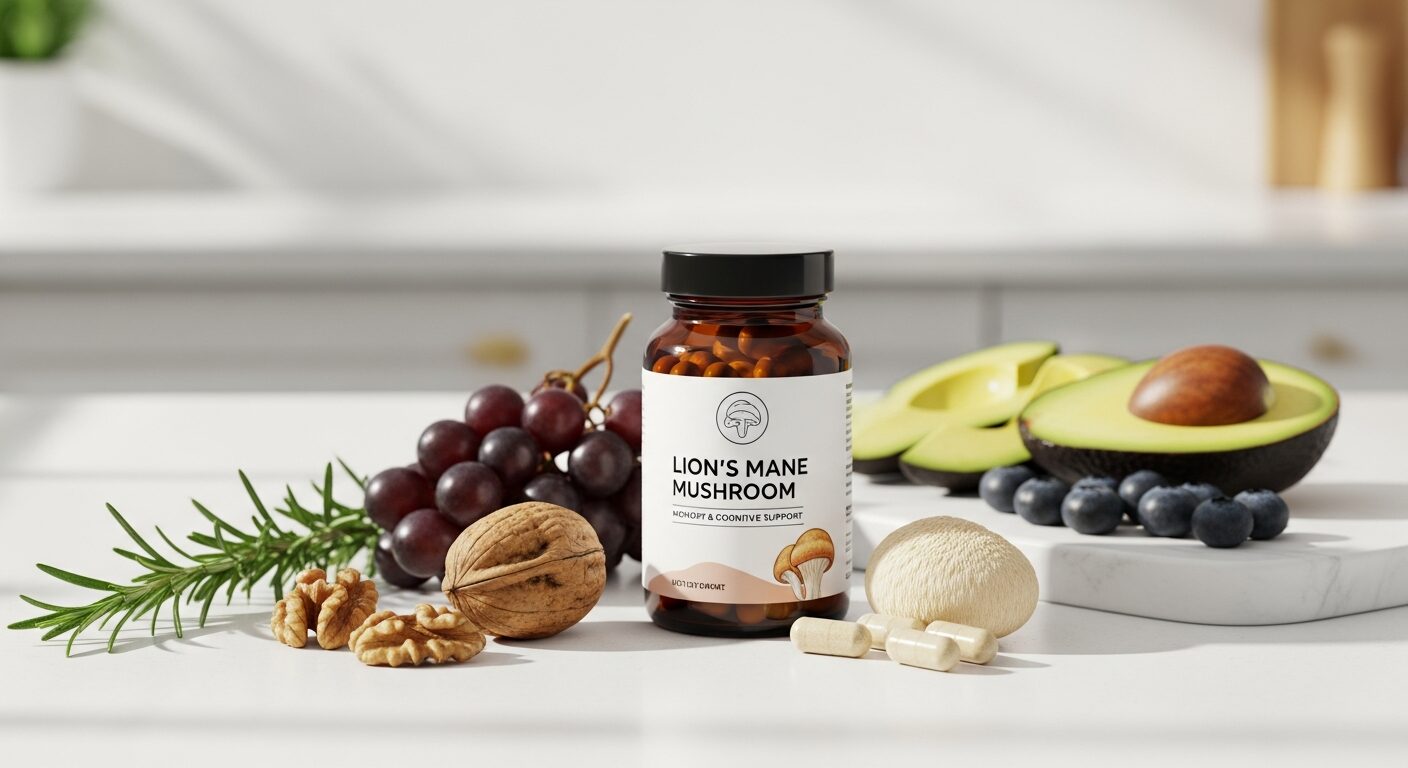
Lion’s mane mushroom has emerged from the shadows of traditional Chinese medicine to become one of the most scientifically investigated nootropic supplements available today. This distinctive, white, shaggy fungus that resembles a lion’s mane isn’t just catching attention for its unique appearance—researchers are discovering compelling evidence for its potential to support cognitive function, memory, and overall brain health.
Unlike many supplements that rely on anecdotal evidence or preliminary studies, lion’s mane boasts a growing body of peer-reviewed research examining its effects on neurological health. From stimulating nerve growth factor production to potentially protecting against age-related cognitive decline, this remarkable fungus is revealing mechanisms that could revolutionize how we approach natural brain support.
However, with popularity comes misinformation. Social media claims about “instant brain boosts” and miracle cures have muddied the waters around what lion’s mane can actually do. This comprehensive guide cuts through the hype to present the current scientific evidence, helping you understand not just the potential benefits, but also the limitations, proper dosing, and who should avoid this supplement entirely.
Contents
What is Lions Mane
Lion’s mane mushroom (Hericium erinaceus) is a distinctive edible and medicinal fungus that grows naturally on hardwood trees throughout North America, Europe, and Asia. Unlike the typical cap-and-stem structure of most mushrooms, lion’s mane features cascading white spines that give it its characteristic appearance and name.
For centuries, this mushroom has been prized in traditional Chinese medicine, where it’s known as “yamabushitake” in Japan and used to support digestive health and general vitality. However, modern scientific research has shifted focus to its potential neurological benefits, particularly its unique ability to stimulate the production of nerve growth factor (NGF).
The bioactive compounds responsible for lion’s mane’s effects include hericenones and erinacines—small molecules that can cross the blood-brain barrier and stimulate the synthesis of NGF. This protein is crucial for the growth, maintenance, and survival of neurons, making lion’s mane one of the few natural compounds with demonstrated neurotrophic properties.
Today, lion’s mane is available as both a culinary ingredient and dietary supplement. While the fresh mushroom can be cooked and eaten like seafood (it has a similar texture and flavor), most research has been conducted using concentrated extracts that contain standardized amounts of the active compounds.
Key Benefits of Lions Mane
Scientific research has identified several potential benefits of lion’s mane supplementation, with cognitive enhancement being the most well-documented. A landmark study published in 2009 examined the effects of lion’s mane on mild cognitive impairment in older adults. Improving effects of the mushroom Yamabushitake on mild cognitive impairment: a double-blind placebo-controlled clinical trial, 2009 found that participants who consumed 3 grams of lion’s mane daily for 16 weeks showed significant improvements in cognitive function scores compared to the placebo group.
Beyond memory enhancement, research suggests lion’s mane may support nerve regeneration and repair. The mushroom’s ability to stimulate NGF production has implications for peripheral nerve injury recovery. Animal studies have demonstrated that lion’s mane extract can accelerate the healing of damaged nerves, though human trials are still needed to confirm these effects.
Mental health support represents another area of growing research interest. Preliminary studies indicate that lion’s mane may help reduce symptoms of anxiety and depression, possibly through its effects on inflammation and neuroplasticity. The mushroom contains compounds that may help regulate neurotransmitter balance and support the growth of new neural connections.
Digestive health benefits, while less studied than cognitive effects, align with traditional uses of lion’s mane. Some research suggests the mushroom may help protect the stomach lining and support healthy gut bacteria, though more human studies are needed to confirm these effects.
Antioxidant and anti-inflammatory properties of lion’s mane may contribute to overall neuroprotection. The mushroom contains various compounds that can help neutralize free radicals and reduce inflammatory markers associated with neurodegenerative conditions.
What Most People Get Wrong About Lions Mane
One of the most pervasive misconceptions about lion’s mane is that it provides immediate cognitive enhancement, similar to caffeine or other stimulants. Many people expect to feel sharper or more focused within hours of taking their first dose. In reality, lion’s mane works through neuroplastic mechanisms that require weeks to months to produce noticeable effects. The compound stimulates nerve growth factor production, which then promotes the growth and maintenance of neurons—a process that occurs gradually over time.
Another common myth is that lion’s mane can cure or prevent Alzheimer’s disease and other forms of dementia. While research shows promising neuroprotective effects, most studies have been conducted on animals or in laboratory settings. Neurotrophic properties of the Lion’s mane medicinal mushroom Hericium erinaceus, 2013 demonstrates the mushroom’s ability to stimulate nerve growth factor, but this doesn’t translate directly to curing neurodegenerative diseases in humans. The supplement may support brain health and potentially slow cognitive decline, but it’s not a cure for serious neurological conditions.
Many people also believe that all lion’s mane products are created equal, leading to confusion about why some experience benefits while others don’t. The truth is that the quality, extraction method, and concentration of active compounds vary dramatically between products. Some supplements contain only the mushroom’s fruiting body, others use mycelium, and some include both. The concentration of bioactive hericenones and erinacines can differ by orders of magnitude, making product selection crucial for effectiveness.
A particularly dangerous misconception is that lion’s mane is universally safe for everyone because it’s “natural.” While generally well-tolerated, the mushroom can trigger allergic reactions in sensitive individuals and may interact with certain medications. Additionally, some people experience side effects including skin rashes, dizziness, or digestive upset, particularly when starting supplementation or taking high doses.
What Happens to Your Body After 30 Days of Taking Lions Mane
During the first week of lion’s mane supplementation, most people won’t notice significant changes in cognitive function. However, the mushroom’s bioactive compounds are beginning to cross the blood-brain barrier and stimulate nerve growth factor production. Some individuals may experience mild digestive changes as their gut microbiome adjusts to the prebiotic compounds in the mushroom. A small percentage of users report slight improvements in sleep quality during this initial period, though this effect isn’t universal.
By the second week, the neuroplastic effects of lion’s mane begin to manifest more clearly. Users often report subtle improvements in focus and mental clarity, though these changes are typically mild. Reduction of depression and anxiety by 4 weeks Hericium erinaceus intake, 2019 suggests that mood-related benefits may become apparent around this timeframe, with some individuals noticing reduced feelings of anxiety or mild depression. Memory consolidation may also begin to improve, though dramatic changes are still uncommon at this stage.
Weeks three and four represent the period when lion’s mane’s full benefits typically become apparent. The cumulative effects of increased nerve growth factor production result in enhanced neural connectivity and improved cognitive performance. Users commonly report better working memory, improved ability to learn new information, and enhanced mental endurance during cognitively demanding tasks. Some individuals also notice improvements in verbal fluency and processing speed.
The timeline for experiencing benefits can vary significantly based on individual factors including age, baseline cognitive function, diet, exercise habits, and sleep quality. Older adults or those with existing cognitive concerns may notice more dramatic improvements, while younger individuals with already optimal brain function might experience subtler effects. Consistency in dosing and combining lion’s mane with a healthy lifestyle appears to enhance the supplement’s effectiveness throughout the 30-day period.
Who Should NOT Take Lions Mane
Individuals with known allergies to mushrooms should avoid lion’s mane supplements entirely, as allergic reactions can range from mild skin irritation to severe respiratory distress. Even those who can typically consume culinary mushrooms should exercise caution, as concentrated extracts may trigger reactions that don’t occur with whole mushrooms. Symptoms of allergic reactions include skin rashes, difficulty breathing, swelling of the face or throat, and severe digestive upset.
People taking blood-thinning medications such as warfarin, aspirin, or clopidogrel should consult their healthcare provider before using lion’s mane. The mushroom may enhance anticoagulant effects, potentially increasing the risk of bleeding complications. This interaction is particularly concerning for individuals scheduled for surgery or those with bleeding disorders.
Pregnant and breastfeeding women should avoid lion’s mane supplementation due to insufficient safety data. While the mushroom has been consumed as food for centuries, concentrated extracts haven’t been adequately studied in these populations. The potential effects on fetal development or nursing infants remain unknown, making avoidance the most prudent approach.
Individuals with autoimmune conditions such as multiple sclerosis, rheumatoid arthritis, or lupus should exercise extreme caution with lion’s mane. The mushroom’s immune-modulating properties could potentially exacerbate autoimmune responses, though specific research in this area is limited. Anyone with an autoimmune condition should consult with their rheumatologist or immunologist before beginning supplementation.
Children and adolescents should not take lion’s mane supplements without medical supervision. The developing brain responds differently to neurotropic compounds, and the long-term effects of lion’s mane on neural development haven’t been established. Additionally, appropriate pediatric dosing guidelines don’t exist for this supplement.
People with severe psychiatric conditions or those taking psychiatric medications should consult their mental health provider before using lion’s mane. While some research suggests mood benefits, the mushroom’s effects on neurotransmitter systems could potentially interfere with psychiatric medications or exacerbate certain mental health conditions.
Dosage and Best Forms
Research-based dosing for lion’s mane varies depending on the form and concentration of the supplement. Most human studies have used doses ranging from 1,000 to 3,000 milligrams daily of standardized extract, typically divided into two or three doses throughout the day. The landmark cognitive study used 3 grams daily, while mood-related research has shown benefits with doses as low as 1 gram daily.
Extract standardization is crucial for determining appropriate dosing. Look for products standardized to contain specific percentages of hericenones and erinacines, the compounds responsible for lion’s mane’s neurological effects. High-quality extracts typically contain 10-30% beta-glucans and should specify the concentration ratio (such as 8:1 or 10:1), indicating how much raw mushroom was used to create the extract.
Fruiting body extracts are generally preferred over mycelium products, as most research has focused on compounds found in the mushroom’s mature fruiting body. However, some studies have used mycelium, and both forms contain bioactive compounds. Dual-extraction products, which use both water and alcohol extraction methods, may provide the most comprehensive range of beneficial compounds.
Powder forms mixed into smoothies or beverages offer versatility and often better value, while capsules provide convenience and precise dosing. Some people prefer liquid extracts for faster absorption, though solid research comparing absorption rates between forms is limited.
Timing of doses doesn’t appear critical based on current research, but many users prefer taking lion’s mane with food to minimize potential digestive upset. Starting with lower doses (500-1000mg daily) and gradually increasing allows individuals to assess tolerance and find their optimal dose.
🌿 Looking for Lions Mane Supplements?
Browse top-rated Lions Mane supplements, independently tested and recommended by our editorial team.
Affiliate disclosure: We may earn a small commission at no extra cost to you.
Frequently Asked Questions
How long does it take for lion’s mane to work?
Most people begin noticing subtle cognitive improvements after 2-4 weeks of consistent use, with more significant benefits typically appearing after 8-12 weeks. Unlike stimulants that work immediately, lion’s mane promotes gradual neuroplastic changes that require time to manifest. Individual response times vary based on age, baseline cognitive function, and dosage.
Can I take lion’s mane with other supplements?
Lion’s mane generally combines well with other nootropic supplements, though specific interaction studies are limited. Many users successfully combine it with omega-3 fatty acids, B vitamins, or other mushroom extracts. However, avoid combining with other supplements that affect blood clotting without medical supervision, and space doses of different supplements throughout the day when possible.
Does lion’s mane have any side effects?
Lion’s mane is generally well-tolerated, but some people experience mild side effects including digestive upset, skin rashes, dizziness, or fatigue. These effects are typically dose-dependent and often resolve with continued use or dose reduction. Allergic reactions, while rare, can be serious and require immediate discontinuation.
Should I cycle lion’s mane or take it continuously?
Current research doesn’t indicate a need for cycling lion’s mane, and most studies showing cognitive benefits used continuous daily supplementation. However, some practitioners recommend occasional breaks to prevent tolerance, though scientific evidence for this approach is lacking. Continuous use appears safe for most people based on available data.
Is fresh lion’s mane mushroom as effective as supplements?
While fresh lion’s mane mushrooms contain beneficial compounds, achieving research-backed doses through whole mushrooms alone would require consuming large quantities daily. Supplements provide concentrated, standardized amounts of active compounds that are more practical for therapeutic use. Fresh mushrooms can be a valuable addition to a healthy diet but shouldn’t be relied upon as the sole source for cognitive benefits.
Medical Disclaimer
The information provided in this article is for educational purposes only and should not be considered medical advice. Lion’s mane supplements are not intended to diagnose, treat, cure, or prevent any disease. Individual responses to supplementation may vary significantly, and what works for one person may not work for another.
Before beginning any new supplement regimen, particularly if you have existing health conditions, take medications, or are pregnant or nursing, consult with a qualified healthcare provider. This is especially important for individuals with mushroom allergies, autoimmune conditions, bleeding disorders, or those taking anticoagulant medications.
The FDA has not evaluated the statements made about lion’s mane supplements, and these products are not regulated with the same rigor as pharmaceutical drugs. Quality and potency can vary significantly between manufacturers, making it important to choose reputable suppliers with third-party testing.
If you experience any adverse reactions while taking lion’s mane, discontinue use immediately and consult with your healthcare provider. Serious allergic reactions, though rare, require immediate medical attention.