
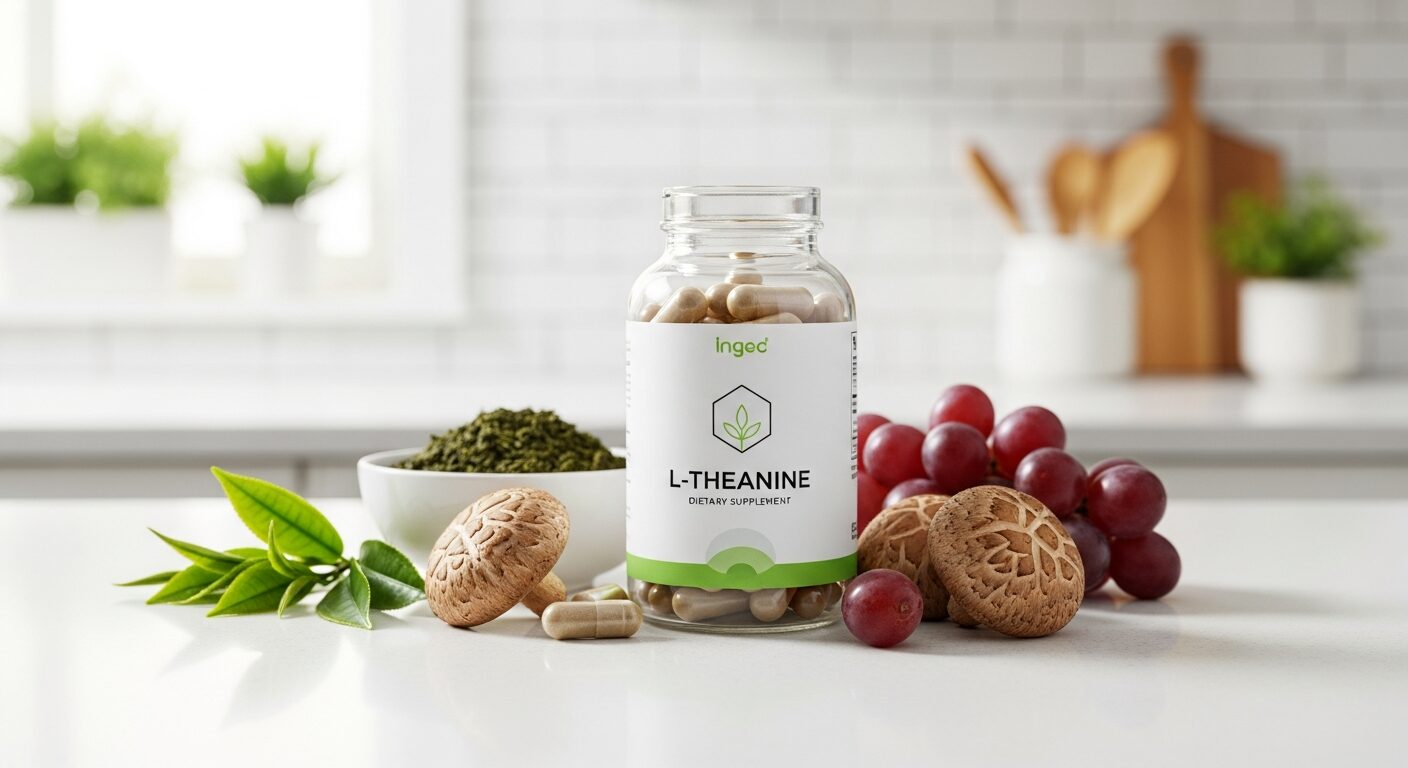
If you’ve ever wondered why green tea can be both calming and energizing at the same time, the answer lies in a fascinating amino acid called L-theanine. This unique compound has captured the attention of researchers and health enthusiasts alike for its remarkable ability to promote relaxation without sedation, enhance focus without jitters, and potentially transform how we think about stress management and cognitive performance.
While millions of people reach for caffeine to boost their alertness and productivity, many are discovering that combining it with L-theanine creates what some call the “perfect cognitive enhancement stack.” But beyond this popular pairing, L-theanine offers a range of science-backed benefits that extend far beyond simply smoothing out caffeine’s rough edges. From supporting better sleep quality to potentially reducing anxiety and improving immune function, this naturally occurring amino acid is proving to be one of nature’s most versatile wellness compounds.
In this comprehensive guide, we’ll explore everything you need to know about L-theanine, separate fact from fiction regarding common misconceptions, and help you understand whether this supplement might be right for your health goals. Whether you’re a biohacker looking to optimize cognitive performance or someone seeking natural stress relief, understanding L-theanine’s mechanisms and effects could be the key to unlocking better mental clarity and overall well-being.
Contents
What is L-Theanine
L-theanine is a naturally occurring amino acid found primarily in tea leaves, particularly in green tea (Camellia sinensis), and in smaller amounts in some mushroom species. Chemically known as γ-glutamylethylamide, L-theanine is responsible for the umami taste in tea and represents about 1-2% of the dry weight of tea leaves. This compound was first isolated from tea leaves in 1949 by Japanese scientists, who were intrigued by tea’s unique ability to provide both alertness and calm simultaneously.
What makes L-theanine particularly interesting from a neurochemical perspective is its ability to cross the blood-brain barrier, where it influences several key neurotransmitter systems. Once in the brain, L-theanine promotes the production of calming neurotransmitters like GABA (gamma-aminobutyric acid), serotonin, and dopamine, while simultaneously increasing alpha brain wave activity. This alpha wave increase is the same brain state associated with meditation and relaxed focus, explaining why L-theanine can produce calm alertness without drowsiness.
Unlike many other amino acids that are used primarily for protein synthesis, L-theanine serves a more specialized neurological function. Its molecular structure is similar to glutamate, an excitatory neurotransmitter, but instead of exciting the nervous system, L-theanine actually blocks glutamate receptors, producing a calming effect. This unique mechanism allows L-theanine to act as a natural anxiolytic (anxiety-reducing agent) while maintaining cognitive function and alertness.
Key Benefits of L-Theanine
The scientific literature on L-theanine reveals a compelling range of benefits that extend across multiple aspects of health and cognitive function. Research published in Nutritional Neuroscience demonstrates that L-theanine significantly reduces stress response and cortisol levels, making it an effective natural stress management tool. This stress-reducing effect isn’t just subjective – studies show measurable changes in stress biomarkers and physiological indicators like heart rate variability.
Cognitive enhancement represents another major area where L-theanine shows promise. The amino acid has been shown to improve attention, focus, and working memory, particularly when combined with caffeine. This cognitive boost occurs without the typical side effects associated with stimulants, such as jitters, anxiety, or the dreaded afternoon crash. Instead, L-theanine promotes what researchers describe as “relaxed concentration” – a state of calm alertness that’s ideal for sustained mental work.
Sleep quality improvement is another well-documented benefit of L-theanine supplementation. While it doesn’t act as a sedative, L-theanine can help improve sleep quality by reducing racing thoughts and promoting relaxation before bedtime. Many users report falling asleep more easily and experiencing more restful, deeper sleep cycles. This sleep enhancement effect appears to be dose-dependent and works best when taken 30-60 minutes before bedtime.
Emerging research also suggests that L-theanine may support immune function and cardiovascular health. Some studies indicate that regular L-theanine intake may help reduce blood pressure in individuals with high-normal or mildly elevated levels. Additionally, the amino acid’s stress-reducing properties may contribute to better overall immune system function, as chronic stress is known to suppress immune response.
What Most People Get Wrong About L-Theanine
Despite growing popularity, several persistent myths and misconceptions surround L-theanine that can lead to unrealistic expectations or improper use. One of the most common misconceptions is that L-theanine is a sedative or sleep aid similar to melatonin or prescription sleep medications. In reality, L-theanine doesn’t cause drowsiness or impair cognitive function. Instead, it promotes relaxation while maintaining alertness – a distinction that’s crucial for understanding when and how to use this supplement effectively.
Another widespread myth is that drinking green tea provides the same benefits as L-theanine supplements. While green tea does contain L-theanine, the amounts are relatively small – typically 25-50mg per cup – compared to effective supplemental doses of 100-400mg. Additionally, tea contains caffeine and other compounds that may interfere with L-theanine’s calming effects for some individuals. To get therapeutic levels of L-theanine from tea alone, you’d need to consume large quantities, which would also mean ingesting substantial amounts of caffeine.
Many people also believe that L-theanine works immediately upon ingestion, like taking an aspirin for a headache. Scientific evidence shows that while some effects can be felt within 30-60 minutes, L-theanine’s full benefits often develop over several weeks of consistent use. The amino acid appears to have both acute effects (felt within hours) and chronic adaptogenic effects that build over time with regular supplementation.
Perhaps the most dangerous misconception is that L-theanine is completely harmless and can be taken in unlimited quantities without any consideration for individual health conditions or medications. While L-theanine has an excellent safety profile, it can interact with certain medications, particularly blood pressure medications and stimulants. Additionally, some individuals may experience side effects or may not be appropriate candidates for supplementation due to specific health conditions.
What Happens to Your Body After 30 Days of Taking L-Theanine
Understanding L-theanine’s timeline of effects can help set realistic expectations and optimize supplementation strategies. During the first week of consistent L-theanine use, most people begin to notice subtle changes in their stress response and general sense of calm. Clinical studies show that L-theanine’s acute effects on brain wave activity and stress markers can be measured within 40 minutes of ingestion, but these initial effects tend to be mild and may not be immediately noticeable to all users.
Week two typically brings more pronounced benefits as L-theanine begins to establish its influence on neurotransmitter balance. Users commonly report improved focus during demanding tasks, reduced anxiety in stressful situations, and better emotional regulation throughout the day. Sleep quality improvements often become apparent during this period, with many individuals experiencing easier sleep onset and more refreshing rest. The combination of better stress management and improved sleep creates a positive feedback loop that enhances overall well-being.
By weeks three and four, L-theanine’s full spectrum of benefits typically becomes evident. Research suggests that consistent supplementation leads to adaptive changes in how the brain responds to stress, potentially creating lasting improvements in stress resilience. Users often report sustained improvements in concentration, reduced baseline anxiety levels, and enhanced ability to maintain calm focus during challenging situations. Some studies indicate that these benefits may persist even after discontinuing supplementation, suggesting that L-theanine may help “train” more optimal stress response patterns.
Long-term users frequently describe a subtle but significant shift in their overall stress tolerance and mental clarity. Rather than dramatic changes, L-theanine tends to produce what researchers call “optimization effects” – helping the brain and nervous system function more efficiently and resiliently. This timeline explains why some people initially dismiss L-theanine as ineffective, only to realize its benefits when they temporarily stop taking it and notice the contrast.
Who Should NOT Take L-Theanine
While L-theanine has an excellent safety profile for most people, certain individuals should exercise caution or avoid supplementation entirely. Pregnant and breastfeeding women should avoid L-theanine supplements due to insufficient safety data during these critical periods. Although L-theanine is naturally present in tea, the concentrated amounts found in supplements haven’t been adequately studied in pregnant populations, making it prudent to err on the side of caution.
Individuals taking blood pressure medications should consult with their healthcare provider before starting L-theanine, as the amino acid may enhance the effects of antihypertensive drugs, potentially causing blood pressure to drop too low. This is particularly important for people taking ACE inhibitors, beta-blockers, or other cardiovascular medications. Similarly, those taking stimulant medications for ADHD or other conditions should discuss L-theanine use with their doctor, as interactions could alter the effectiveness of their prescribed treatments.
People scheduled for surgery should discontinue L-theanine at least two weeks beforehand, as its effects on neurotransmitters could potentially interact with anesthesia or other surgical medications. Additionally, individuals with severe mental health conditions, particularly those involving neurotransmitter imbalances, should only use L-theanine under professional supervision. While generally beneficial for mild to moderate anxiety, L-theanine could potentially interfere with psychiatric medications or treatment protocols.
Children under 18 should avoid L-theanine supplements unless specifically recommended by a pediatrician, as developing nervous systems may respond differently to amino acid supplementation. Those with kidney or liver disease should also consult healthcare providers, as these organs are responsible for processing and eliminating amino acids from the body. Finally, anyone experiencing unusual side effects or those with multiple health conditions should seek professional guidance before continuing supplementation.
Dosage and Best Forms
Effective L-theanine dosing varies significantly based on individual needs, body weight, and intended outcomes. For general stress management and relaxation, research supports doses ranging from 100-200mg per day, typically taken in divided doses or as a single dose 30-60 minutes before stressful situations. For cognitive enhancement, particularly when combined with caffeine, the optimal ratio appears to be 2:1 L-theanine to caffeine, such as 200mg L-theanine with 100mg caffeine.
Sleep support applications generally require higher doses, with studies using 200-400mg taken 30-60 minutes before bedtime. However, it’s important to start with lower doses (100mg) and gradually increase as needed, as individual sensitivity varies considerably. Some people find that doses above 200mg can actually be counterproductive, causing mild stimulation rather than relaxation due to individual differences in neurotransmitter sensitivity.
The most common and well-researched form of L-theanine is the synthetic version, which is chemically identical to the naturally occurring amino acid found in tea. This form, often called Suntheanine, has been extensively studied and shows excellent bioavailability and consistency. Capsules and tablets are the most convenient delivery methods, though powder forms allow for more precise dosing adjustments. Liquid forms are available but offer no significant advantages over solid forms for most users.
Timing considerations are crucial for optimizing L-theanine’s effects. For stress management and cognitive enhancement, taking L-theanine with or without food in the morning or early afternoon works well for most people. For sleep support, evening dosing 30-60 minutes before bedtime is most effective. When combining with caffeine, simultaneous ingestion appears to produce the best synergistic effects, though some individuals prefer to stagger the timing based on their caffeine sensitivity.
🌿 Looking for L-Theanine Supplements?
Browse top-rated L-Theanine supplements, independently tested and recommended by our editorial team.
Affiliate disclosure: We may earn a small commission at no extra cost to you.
Frequently Asked Questions
Can I take L-theanine every day long-term?
Yes, research supports daily L-theanine use for extended periods without evidence of tolerance, dependence, or significant adverse effects. Studies have examined continuous use for several months without identifying concerning safety issues. However, it’s wise to take periodic breaks (1-2 weeks every few months) to assess ongoing need and maintain optimal effectiveness. Some users find that cycling L-theanine helps prevent diminishing returns and maintains its stress-reducing benefits.
How long does L-theanine stay in your system?
L-theanine has a relatively short half-life of approximately 1-3 hours, meaning most of it is cleared from your system within 8-12 hours of ingestion. However, its effects on neurotransmitter balance and brain wave patterns may persist longer than the compound itself remains detectable in blood or urine. This explains why some people experience sustained benefits even with once-daily dosing, as L-theanine appears to promote lasting changes in nervous system function.
Will L-theanine show up on drug tests?
No, L-theanine will not trigger positive results on standard drug screening tests, as it’s a naturally occurring amino acid similar to other compounds normally present in the body. Drug tests typically screen for controlled substances, stimulants, and specific drug metabolites, none of which are related to L-theanine’s chemical structure or breakdown products. However, if you’re subject to comprehensive amino acid testing for medical reasons, L-theanine supplementation might be detectable through specialized testing methods.
Can I combine L-theanine with other supplements?
L-theanine generally combines well with many other supplements, particularly magnesium, B-vitamins, and adaptogenic herbs like ashwagandha. The most studied and popular combination is L-theanine with caffeine, which research shows produces synergistic cognitive benefits. However, avoid combining with other GABA-enhancing supplements or sedating herbs without professional guidance, as effects may be additive. Always introduce new supplement combinations gradually and monitor for unexpected interactions or side effects.
What’s the difference between L-theanine and D-theanine?
L-theanine is the naturally occurring, biologically active form found in tea leaves and used in all research studies. D-theanine is a synthetic mirror image that lacks the same biological activity and therapeutic effects. Most quality supplements specify “L-theanine” on their labels, and consumers should avoid products that simply list “theanine” without the L-designation, as these may contain inactive D-theanine or mixed forms. The L-form is the only version with proven safety and efficacy data.
Medical Disclaimer
The information provided in this article is for educational and informational purposes only and should not be considered as medical advice, diagnosis, or treatment recommendations. L-theanine supplements have not been evaluated by the FDA for the treatment, prevention, or cure of any disease or medical condition. Individual responses to supplements can vary significantly, and what works for one person may not work for another.
Before starting any new supplement regimen, including L-theanine, consult with a qualified healthcare provider, especially if you have existing medical conditions, take prescription medications, are pregnant or nursing, or have concerns about potential interactions. This is particularly important for individuals with cardiovascular conditions, mental health disorders, or those taking medications that affect neurotransmitter function.
If you experience any adverse effects while taking L-theanine, discontinue use immediately and consult your healthcare provider. This article does not replace professional medical advice, and readers should not make health decisions based solely on the information presented here. Always prioritize professional medical guidance over supplement information when making decisions about your health and wellness.