
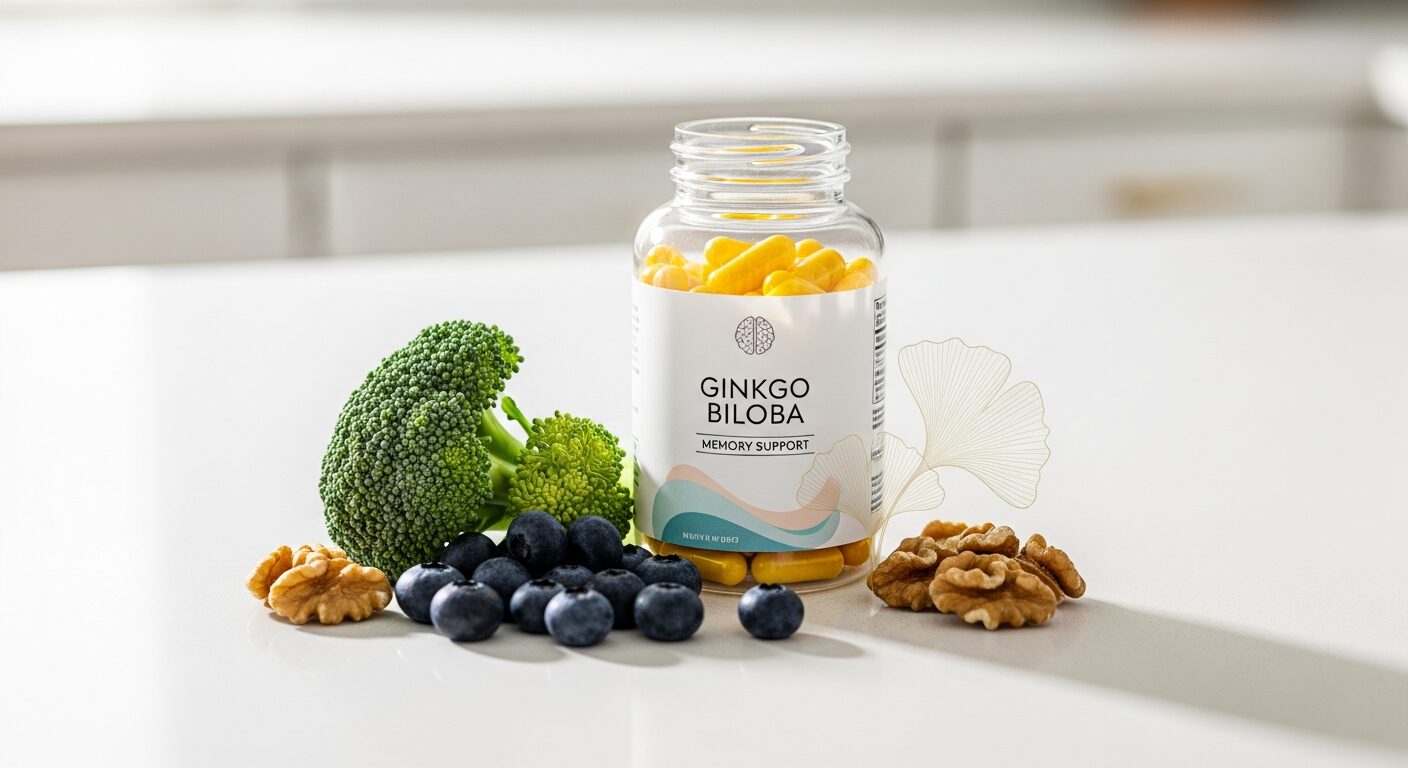
For thousands of years, practitioners of traditional Chinese medicine have turned to the fan-shaped leaves of the ginkgo tree to enhance cognitive function and treat various ailments. Today, ginkgo biloba extract ranks among the most popular herbal supplements worldwide, with millions of people taking it daily in hopes of sharpening their memory and protecting their brain health. But does this ancient remedy live up to its modern reputation?
The relationship between ginkgo biloba and memory enhancement is far more nuanced than many supplement marketers would have you believe. While some studies suggest promising benefits for certain populations, others have failed to demonstrate significant cognitive improvements in healthy adults. This evidence-based guide cuts through the marketing hype to examine what science really says about ginkgo biloba’s effects on memory, who might benefit most from supplementation, and the potential risks you need to know about.
Whether you’re considering ginkgo biloba for age-related cognitive decline, general brain health, or simply curious about this widely-used supplement, understanding the complete picture of current research will help you make an informed decision about whether it belongs in your wellness routine.
Contents
What is Ginkgo Biloba
Ginkgo biloba, often called the maidenhair tree, represents one of the oldest living tree species on Earth, with fossils dating back over 270 million years. Native to China, this remarkable tree has survived multiple extinction events and can live for over 1,000 years. The medicinal use of ginkgo leaves traces back over 5,000 years in traditional Chinese medicine, where practitioners used various preparations to treat respiratory conditions, circulatory problems, and cognitive issues.
Modern ginkgo biloba supplements are derived from standardized leaf extracts rather than raw leaves, which contain potentially harmful compounds called ginkgolic acids. The standardized extract, known as EGb 761, contains approximately 24% flavonoid glycosides and 6% terpene lactones, including ginkgolides and bilobalide. These active compounds are believed to be responsible for ginkgo’s therapeutic effects.
The primary mechanisms by which ginkgo biloba may influence cognitive function include improving blood circulation to the brain, acting as an antioxidant to protect neurons from oxidative stress, and potentially influencing neurotransmitter systems. The extract also appears to have anti-inflammatory properties and may help stabilize cell membranes, particularly in nerve cells.
Key Benefits of Ginkgo Biloba
Scientific research has identified several potential benefits of ginkgo biloba supplementation, though the strength of evidence varies considerably depending on the specific condition and population studied. The most well-established benefits center around circulatory and cognitive health, particularly in older adults or those with existing cognitive impairment.
Cognitive function improvements have been observed in several studies, particularly for individuals with mild to moderate dementia or age-related cognitive decline. Ginkgo biloba for cognitive impairment and dementia, 2015 found that standardized ginkgo extract may help slow cognitive decline and improve quality of life in people with dementia when used alongside conventional treatment.
Circulation enhancement represents another well-documented benefit of ginkgo biloba. The extract appears to improve blood flow by dilating blood vessels and reducing blood viscosity. This improved circulation may benefit not only brain function but also peripheral circulation, potentially helping with conditions like intermittent claudication, where reduced blood flow to the legs causes pain during walking.
Antioxidant protection is another significant benefit, as ginkgo biloba contains powerful flavonoids that help neutralize harmful free radicals. This antioxidant activity may protect brain cells from oxidative damage associated with aging and neurodegenerative diseases. Some research suggests this protection might be particularly important for maintaining cognitive function as we age.
Additionally, some studies have indicated potential benefits for anxiety reduction, tinnitus management, and even sexual function, though more research is needed to confirm these effects. The anti-inflammatory properties of ginkgo may also contribute to its overall health benefits, as chronic inflammation is associated with numerous age-related health problems.
What Most People Get Wrong About Ginkgo Biloba
Despite its popularity, numerous misconceptions surround ginkgo biloba supplementation. Understanding these myths is crucial for setting realistic expectations and making informed decisions about supplementation.
The first major misconception is that ginkgo biloba works as a “smart pill” for healthy individuals. Many people believe that taking ginkgo will immediately boost their memory and cognitive performance, similar to how caffeine provides quick mental alertness. However, most high-quality studies in healthy adults have failed to demonstrate significant cognitive enhancement. The supplement appears most beneficial for individuals who already have cognitive impairment or circulation problems, rather than serving as a cognitive enhancer for healthy brains.
Another widespread myth is that all ginkgo biloba supplements are identical in quality and effectiveness. In reality, the quality and potency of ginkgo supplements vary dramatically between manufacturers. Many products on the market contain insufficient amounts of active compounds or haven’t been properly standardized. The most studied and effective preparations use a specific extract standardized to contain 24% flavonoid glycosides and 6% terpene lactones, but many commercial products don’t meet these specifications.
People also commonly believe that ginkgo biloba is completely safe because it’s “natural.” This naturalistic fallacy ignores the fact that ginkgo can cause significant side effects and dangerous drug interactions. The supplement can increase bleeding risk, particularly when combined with blood-thinning medications, and can cause allergic reactions in some individuals. Natural doesn’t automatically mean safe, and ginkgo requires the same careful consideration as any therapeutic intervention.
Finally, many users expect immediate results from ginkgo biloba supplementation. Unlike stimulants that provide rapid effects, ginkgo’s benefits typically develop gradually over weeks or months of consistent use. Some people discontinue supplementation after a few days or weeks, assuming it doesn’t work, when they may not have given it sufficient time to demonstrate its effects. Clinical studies typically evaluate ginkgo’s effects after at least 12 weeks of supplementation.
What Happens to Your Body After 30 Days of Taking Ginkgo Biloba
Understanding the timeline of ginkgo biloba’s effects can help set appropriate expectations for supplementation. The changes occur gradually and may be subtle, particularly in the initial weeks.
During Week 1, most people experience few noticeable changes, as ginkgo biloba requires time to build up in the system and begin influencing circulation and cellular processes. Some individuals might notice minor improvements in peripheral circulation, such as slightly warmer hands and feet, but cognitive effects are typically not apparent yet. The active compounds are beginning to accumulate in tissues and starting to influence blood flow patterns, but these changes are generally below the threshold of conscious awareness.
Week 2 often brings the first subtle cognitive changes for those who will benefit from supplementation. Some users report feeling slightly more mentally clear or experiencing minor improvements in concentration. Ginkgo biloba extract improves cognitive function, 2002 demonstrated that measurable cognitive improvements typically begin appearing after 2-4 weeks of consistent supplementation in individuals with cognitive impairment. However, healthy individuals may not notice significant changes at this point.
Weeks 3-4 represent the period when ginkgo biloba’s full benefits typically become apparent. Users who respond positively to the supplement often report improved memory recall, better ability to concentrate on complex tasks, and enhanced mental clarity. The circulatory benefits also become more pronounced, with improved blood flow to extremities and potentially better exercise tolerance. For individuals with mild cognitive impairment, this is when family members or caregivers might begin noticing improvements in daily functioning and mental sharpness.
It’s important to note that individual responses vary significantly. Some people may notice benefits earlier, while others require 8-12 weeks of consistent supplementation to experience meaningful improvements. Factors that influence response time include age, baseline health status, dosage, supplement quality, and individual genetic variations in metabolism. Additionally, those with more pronounced circulation problems or cognitive issues may notice more dramatic improvements than healthy individuals.
Who Should NOT Take Ginkgo Biloba
While ginkgo biloba is generally well-tolerated by most people, several groups should avoid supplementation or use it only under medical supervision. Understanding these contraindications is essential for safe supplementation.
Individuals taking anticoagulant or antiplatelet medications represent the highest-risk group for ginkgo biloba interactions. The supplement can enhance the effects of blood-thinning medications like warfarin, heparin, aspirin, and clopidogrel, potentially leading to dangerous bleeding episodes. Several case reports have documented serious bleeding complications, including intracranial hemorrhages, in patients combining ginkgo with blood thinners. Anyone taking these medications should consult their healthcare provider before considering ginkgo supplementation.
Pregnant and breastfeeding women should avoid ginkgo biloba supplementation due to insufficient safety data and potential risks to fetal development. The supplement can cross the placental barrier, and its effects on developing fetuses haven’t been adequately studied. Additionally, ginkgo may stimulate labor or affect blood clotting during delivery, creating additional risks during pregnancy and childbirth.
People scheduled for surgery should discontinue ginkgo biloba at least two weeks before any procedure. The supplement’s blood-thinning effects can increase surgical bleeding risk and interfere with normal blood clotting during and after operations. This applies to both major surgeries and minor procedures, including dental work that might involve bleeding.
Individuals with bleeding disorders, such as hemophilia or von Willebrand disease, should avoid ginkgo biloba unless specifically recommended by their hematologist. The supplement’s anticoagulant effects could exacerbate existing bleeding tendencies and lead to serious complications.
Those with seizure disorders or epilepsy should use caution with ginkgo biloba, as some case reports have suggested the supplement might lower seizure threshold in susceptible individuals. Ginkgo biloba and seizures, 2001 documented several cases where ginkgo supplementation was associated with seizure activity, particularly in individuals with pre-existing seizure disorders.
People with diabetes should monitor their blood sugar closely when starting ginkgo supplementation, as the supplement may affect glucose metabolism and interact with diabetes medications. Additionally, individuals allergic to poison ivy, poison oak, or mango may have cross-reactivity to ginkgo and should introduce the supplement cautiously.
Dosage and Best Forms
The effectiveness of ginkgo biloba supplementation depends heavily on using the correct dosage and choosing high-quality preparations. Most clinical research has focused on standardized leaf extracts rather than crude preparations or whole leaf powders.
The standard therapeutic dosage ranges from 120-240 mg daily of standardized ginkgo biloba extract, typically divided into two or three doses. Most studies showing cognitive benefits have used doses within this range, with 120 mg daily being sufficient for many individuals, while those with more significant cognitive concerns might benefit from 240 mg daily. Higher doses don’t necessarily provide greater benefits and may increase the risk of side effects.
The most effective form is standardized leaf extract containing 24% flavonoid glycosides and 6% terpene lactones. This standardization ensures consistent levels of active compounds and mirrors the preparations used in most clinical studies. Look for supplements that specify this standardization on the label and choose products from reputable manufacturers that provide third-party testing certificates.
Timing of supplementation can influence absorption and effects. Taking ginkgo biloba with meals may improve absorption and reduce the risk of gastrointestinal side effects. Dividing the daily dose into two servings, taken morning and evening, helps maintain more consistent blood levels of active compounds throughout the day.
Liquid extracts and capsules generally provide better bioavailability than tablets, which may not dissolve completely. Avoid products that contain significant amounts of ginkgolic acids, as these compounds can cause allergic reactions and other side effects. Quality supplements should contain less than 5 parts per million of ginkgolic acids.
🌿 Looking for Ginkgo Biloba Supplements?
Browse top-rated Ginkgo Biloba supplements, independently tested and recommended by our editorial team.
Shop Ginkgo Biloba on Amazon →
Affiliate disclosure: We may earn a small commission at no extra cost to you.
Frequently Asked Questions
How long does it take for ginkgo biloba to work?
Most people who benefit from ginkgo biloba begin noticing subtle improvements after 2-4 weeks of consistent supplementation. However, the full therapeutic effects typically require 8-12 weeks to develop. Some individuals may need up to 6 months of regular use to experience maximum benefits, particularly for cognitive enhancement in age-related decline.
Can I take ginkgo biloba with other supplements?
Ginkgo biloba can generally be safely combined with most other supplements, but certain combinations require caution. Avoid combining ginkgo with other blood-thinning supplements like garlic, ginger, or fish oil without medical supervision, as this may increase bleeding risk. Always consult a healthcare provider when combining multiple supplements, especially if you take prescription medications.
Does ginkgo biloba help with anxiety and depression?
Some studies suggest ginkgo biloba may have mild anti-anxiety effects, particularly anxiety related to cognitive decline or dementia. However, the evidence for treating general anxiety or depression is limited and inconsistent. Ginkgo shouldn’t be considered a primary treatment for these conditions, and individuals with anxiety or depression should work with healthcare professionals for appropriate treatment.
Is it safe to take ginkgo biloba long-term?
Long-term use of ginkgo biloba appears to be safe for most people when used at recommended dosages. Studies have followed participants for several years without identifying significant long-term safety concerns. However, regular monitoring is advisable for individuals taking blood-thinning medications or those with other health conditions that might be affected by ginkgo supplementation.
What are the most common side effects of ginkgo biloba?
The most common side effects include headaches, dizziness, stomach upset, and skin reactions. More serious but rare side effects can include increased bleeding, allergic reactions, and interactions with medications. Most side effects are mild and resolve with continued use or dosage reduction. Anyone experiencing significant side effects should discontinue use and consult a healthcare provider.
Medical Disclaimer
The information provided in this article is for educational and informational purposes only and is not intended as medical advice. Always consult with a qualified healthcare professional before starting any new supplement regimen, especially if you have existing health conditions, take prescription medications, or are pregnant or breastfeeding. Individual responses to supplements can vary significantly, and what works for one person may not be appropriate for another.
The statements in this article have not been evaluated by the Food and Drug Administration. Ginkgo biloba supplements are not intended to diagnose, treat, cure, or prevent any disease. If you experience any adverse effects while taking ginkgo biloba, discontinue use immediately and consult your healthcare provider.