
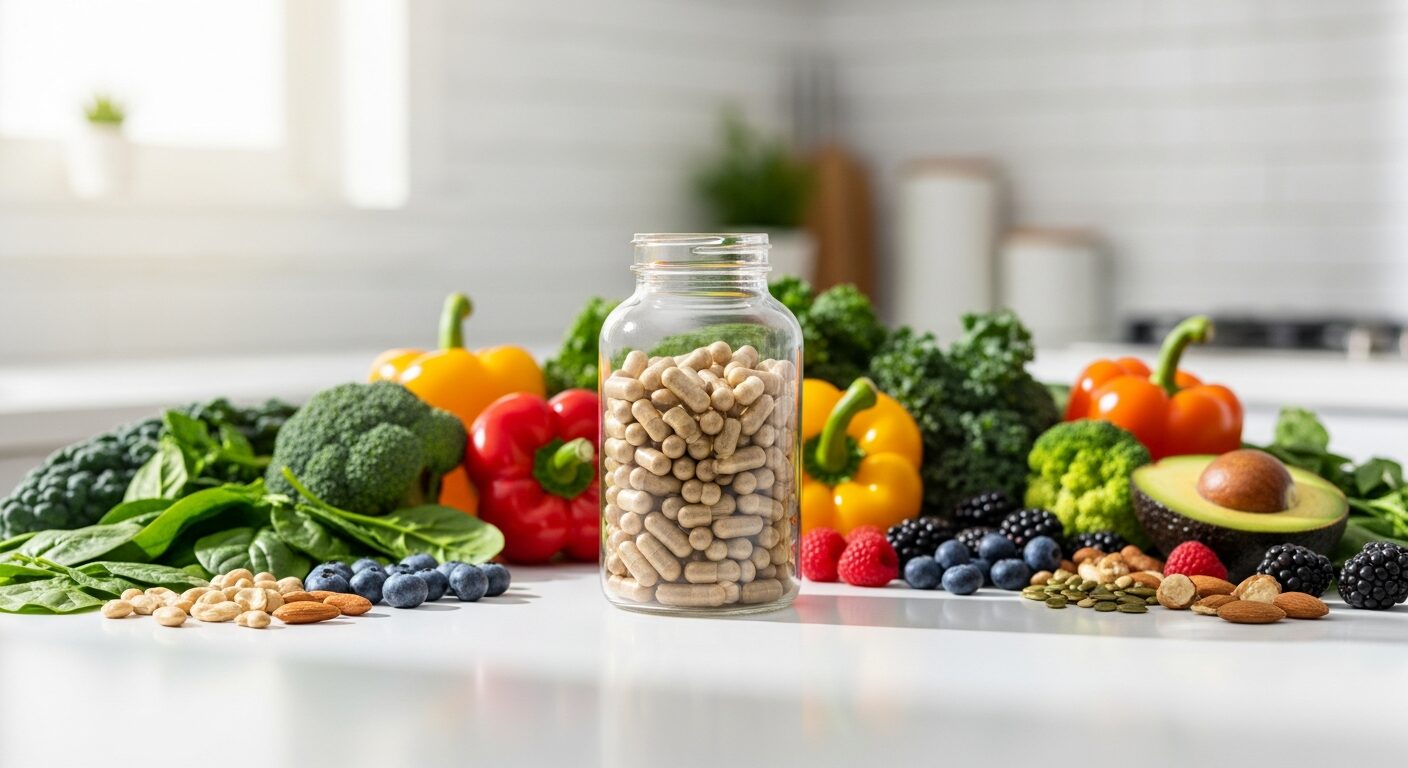
Plant-based diets have surged in popularity, with millions of people worldwide embracing vegetarian and vegan lifestyles for health, environmental, and ethical reasons. While these dietary patterns offer numerous benefits including reduced risk of heart disease, diabetes, and certain cancers, they can also create unique nutritional challenges that require careful attention and strategic supplementation.
The elimination of animal products, whether partial or complete, can lead to potential deficiencies in several key nutrients that are predominantly found in meat, dairy, and fish. Understanding which supplements are essential versus optional can mean the difference between thriving on a plant-based diet and experiencing fatigue, cognitive issues, or more serious health complications. This comprehensive guide explores the science-backed supplementation strategies that can help vegetarians and vegans optimize their nutritional status and maintain vibrant health.
🌿 Looking for supplements supplements? Shop Amazon →
Contents
- 1 What Are Essential Supplements for Plant-Based Diets
- 2 Key Benefits of Targeted Supplementation
- 3 What Most People Get Wrong About Plant-Based Supplementation
- 4 What Happens to Your Body After 30 Days of Taking Essential Supplements
- 5 Who Should NOT Take These Supplements
- 6 Dosage and Best Forms
- 7 Frequently Asked Questions
- 7.1 Can I get blood tests to determine which supplements I actually need?
- 7.2 Is it safe to take all these supplements together?
- 7.3 How long does it take to correct a nutrient deficiency?
- 7.4 Are expensive supplement brands really better than cheaper options?
- 7.5 Should children following plant-based diets take the same supplements?
- 8 Medical Disclaimer
What Are Essential Supplements for Plant-Based Diets
Supplements for vegetarians and vegans are concentrated nutrients designed to fill the gaps that can occur when eliminating animal products from the diet. Unlike general multivitamins, these targeted supplements focus on the specific nutrients that are either absent from plant foods or poorly absorbed from plant sources.
The most critical supplements include vitamin B12, which is virtually absent from plant foods; vitamin D, especially for those with limited sun exposure; iron in a form that’s more easily absorbed than the non-heme iron found in plants; omega-3 fatty acids from algae sources; zinc, which has lower bioavailability from plant sources; and vitamin K2, primarily found in fermented foods and animal products.
These supplements work by providing bioavailable forms of nutrients that support everything from energy production and cognitive function to bone health and cardiovascular wellness. The key is understanding that supplementation isn’t about compensating for an “inferior” diet, but rather about optimizing nutrient intake in the context of a well-planned plant-based eating pattern.
Key Benefits of Targeted Supplementation
Strategic supplementation for plant-based eaters offers profound benefits that extend far beyond simply preventing deficiency diseases. Research consistently shows that adequate B12 supplementation supports optimal cognitive function, energy metabolism, and nervous system health, while preventing the irreversible nerve damage that can occur with prolonged deficiency.
Omega-3 supplementation from algae sources provides the same cardiovascular and brain benefits as fish oil, supporting healthy inflammation responses, cognitive performance, and heart health. Plant-based omega-3 supplementation study, 2021 demonstrated that algae-derived EPA and DHA effectively raise blood levels of these crucial fatty acids in vegans.
Iron supplementation, when needed, can dramatically improve energy levels, exercise performance, and cognitive function in those with low iron stores. Vitamin D supplementation supports bone health, immune function, and mood regulation, particularly important for those following plant-based diets who may have limited dietary sources.
Perhaps most importantly, proper supplementation allows plant-based eaters to maintain optimal health while following their chosen dietary pattern long-term, supporting everything from athletic performance to healthy aging and disease prevention.
What Most People Get Wrong About Plant-Based Supplementation
Myth 1: “If you eat a balanced plant-based diet, you don’t need any supplements.” This dangerous misconception has led many vegans to develop B12 deficiency over time. The reality is that vitamin B12 is produced by bacteria and is not naturally found in plant foods in bioavailable forms. Even the most nutritionally dense plant-based diet cannot provide adequate B12 without supplementation or fortified foods. The idea that humans can obtain all nutrients from plants alone is not supported by nutritional science.
Myth 2: “Plant-based iron is just as good as iron from meat.” While plants contain iron, it’s in the non-heme form which has significantly lower bioavailability than heme iron from animal sources. Non-heme iron absorption ranges from 2-20% depending on other dietary factors, while heme iron absorption is consistently around 25-30%. Additionally, plant compounds like phytates and tannins can further inhibit iron absorption, making supplementation necessary for many plant-based eaters, especially women of reproductive age.
Myth 3: “Flaxseeds and walnuts provide adequate omega-3 fatty acids.” This oversimplification ignores the crucial difference between plant-based ALA (alpha-linolenic acid) and the long-chain omega-3s EPA and DHA found in fish. The human body converts less than 10% of ALA to EPA and even less to DHA. Omega-3 conversion efficiency study, 2017 showed that relying solely on plant sources of omega-3s results in significantly lower blood levels of EPA and DHA compared to direct supplementation.
Myth 4: “Nutritional yeast provides enough B12.” While nutritional yeast is often fortified with B12, the amounts are inconsistent and often insufficient to meet daily needs. Many people assume that consuming nutritional yeast regularly eliminates the need for B12 supplementation, but studies show that blood B12 levels in vegans who rely solely on fortified foods are often suboptimal compared to those who take dedicated B12 supplements.
What Happens to Your Body After 30 Days of Taking Essential Supplements
Week 1: Initial Cellular Changes
During the first week of proper supplementation, your body begins replenishing depleted nutrient stores at the cellular level. B12 begins supporting DNA synthesis and red blood cell formation, though changes aren’t yet noticeable. Iron stores start to slowly increase, and omega-3 fatty acids begin incorporating into cell membranes. Some people may experience minor digestive adjustments as their system adapts to new supplements.
Week 2: Emerging Benefits
By the second week, many people notice subtle improvements in energy levels and mental clarity. This is particularly pronounced for those who were previously deficient in B12 or iron. Sleep quality may begin to improve due to adequate vitamin D levels, and some individuals report better mood stability. The body’s inflammatory markers may start to improve with consistent omega-3 intake.
Week 3: Noticeable Improvements
The third week often brings more obvious benefits. Energy levels typically stabilize at higher levels, and cognitive function improvements become more apparent. B12 supplementation cognitive study, 2020 showed measurable improvements in cognitive performance within 3-4 weeks of adequate B12 supplementation in previously deficient individuals. Skin health may improve due to better nutrient status, and exercise recovery often enhances.
Week 4: Optimal Function
By the fourth week, blood levels of supplemented nutrients reach more optimal ranges. Energy production pathways function more efficiently, immune system markers often improve, and overall vitality increases. Many people report feeling more resilient to stress and better able to maintain consistent energy throughout the day. However, it’s important to note that some nutrients like vitamin D and B12 may take several months to reach optimal tissue levels if starting from a deficient state.
Who Should NOT Take These Supplements
While supplementation is generally beneficial for plant-based eaters, certain individuals should exercise caution or avoid specific supplements altogether. People with hemochromatosis or other iron overload disorders should not take iron supplements without medical supervision, as excess iron can cause organ damage. Similarly, those taking anticoagulant medications should be cautious with vitamin K2 supplements, which can interfere with blood-thinning medications.
Individuals with kidney disease may need to avoid or modify certain supplements, particularly those containing phosphorus or potassium. High-dose B vitamins can sometimes interfere with certain medications, including some anti-seizure drugs and methotrexate. People with autoimmune conditions should consult healthcare providers before starting immune-supporting supplements like vitamin D.
Pregnant and breastfeeding women have specific dosage requirements and should work with healthcare providers to determine appropriate supplementation levels. While B12 and folate are crucial during pregnancy, excessive amounts of certain fat-soluble vitamins can be harmful to developing babies.
Anyone taking prescription medications should consult with a pharmacist or physician before starting new supplements, as interactions can affect medication absorption or effectiveness. Those scheduled for surgery should typically discontinue supplements at least two weeks prior, as some can affect bleeding and anesthesia.
Dosage and Best Forms
Vitamin B12: 250-1000 mcg daily of cyanocobalamin or methylcobalamin. Cyanocobalamin is more stable and cost-effective, while methylcobalamin may be better for those with certain genetic variations. Sublingual tablets or sprays can improve absorption.
Vitamin D3: 1000-2000 IU daily for maintenance, though individual needs vary based on sun exposure, skin tone, and blood levels. Vitamin D3 (cholecalciferol) is more effective than D2. Vegan D3 derived from lichen is available.
Iron: 18-25 mg daily for menstruating individuals, 8-10 mg for others. Ferrous bisglycinate causes fewer digestive issues than ferrous sulfate. Take with vitamin C and away from calcium, tea, or coffee to optimize absorption.
Omega-3 (EPA/DHA): 250-500 mg combined EPA and DHA daily from algae sources. Look for products that provide both EPA and DHA rather than just DHA alone.
Zinc: 8-11 mg daily in picolinate or bisglycinate form for better absorption. Take away from iron supplements and high-fiber meals.
Vitamin K2: 90-120 mcg daily, preferably in the MK-7 form which has better bioavailability and longer half-life than MK-4.
🌿 Looking for supplements Supplements?
Browse top-rated supplements supplements, independently tested and recommended by our editorial team.
Affiliate disclosure: We may earn a small commission at no extra cost to you.
Frequently Asked Questions
Can I get blood tests to determine which supplements I actually need?
Yes, blood testing is highly recommended for determining individual supplement needs. Key tests include serum B12, vitamin D (25-hydroxyvitamin D), ferritin, complete blood count, and omega-3 index. These tests should be done before starting supplementation and periodically thereafter to monitor progress and adjust dosages.
Is it safe to take all these supplements together?
Most plant-based supplements can be taken together safely, but timing matters for optimal absorption. Iron should be taken separately from zinc and calcium, while fat-soluble vitamins (D, K2) are best taken with meals containing healthy fats. Spreading supplements throughout the day can improve absorption and reduce digestive upset.
How long does it take to correct a nutrient deficiency?
This varies significantly by nutrient and severity of deficiency. Iron levels can improve within weeks to months, while B12 deficiency may take 6-12 months to fully correct if severe. Vitamin D levels typically improve within 2-3 months of consistent supplementation. Regular monitoring helps track progress.
Are expensive supplement brands really better than cheaper options?
Price doesn’t always correlate with quality, but third-party testing, proper forms of nutrients, and appropriate dosages matter more than brand name. Look for supplements verified by organizations like NSF, USP, or ConsumerLab. Generic versions of well-formulated supplements can be just as effective as expensive brands.
Should children following plant-based diets take the same supplements?
Children have different nutritional needs and require age-appropriate dosages. B12 is absolutely essential for growing children on plant-based diets, while iron, vitamin D, and omega-3s may also be needed. Pediatric formulations exist, but consultation with a pediatrician or registered dietitian familiar with plant-based nutrition is crucial for growing children.
Medical Disclaimer
The information provided in this article is for educational purposes only and is not intended to replace professional medical advice, diagnosis, or treatment. Always consult with a qualified healthcare provider before starting any new supplement regimen, especially if you have existing health conditions, take medications, or are pregnant or breastfeeding. Individual nutritional needs vary significantly, and what works for one person may not be appropriate for another. Blood testing and professional guidance can help determine your specific supplement needs and ensure safe, effective supplementation as part of a well-planned plant-based diet.