
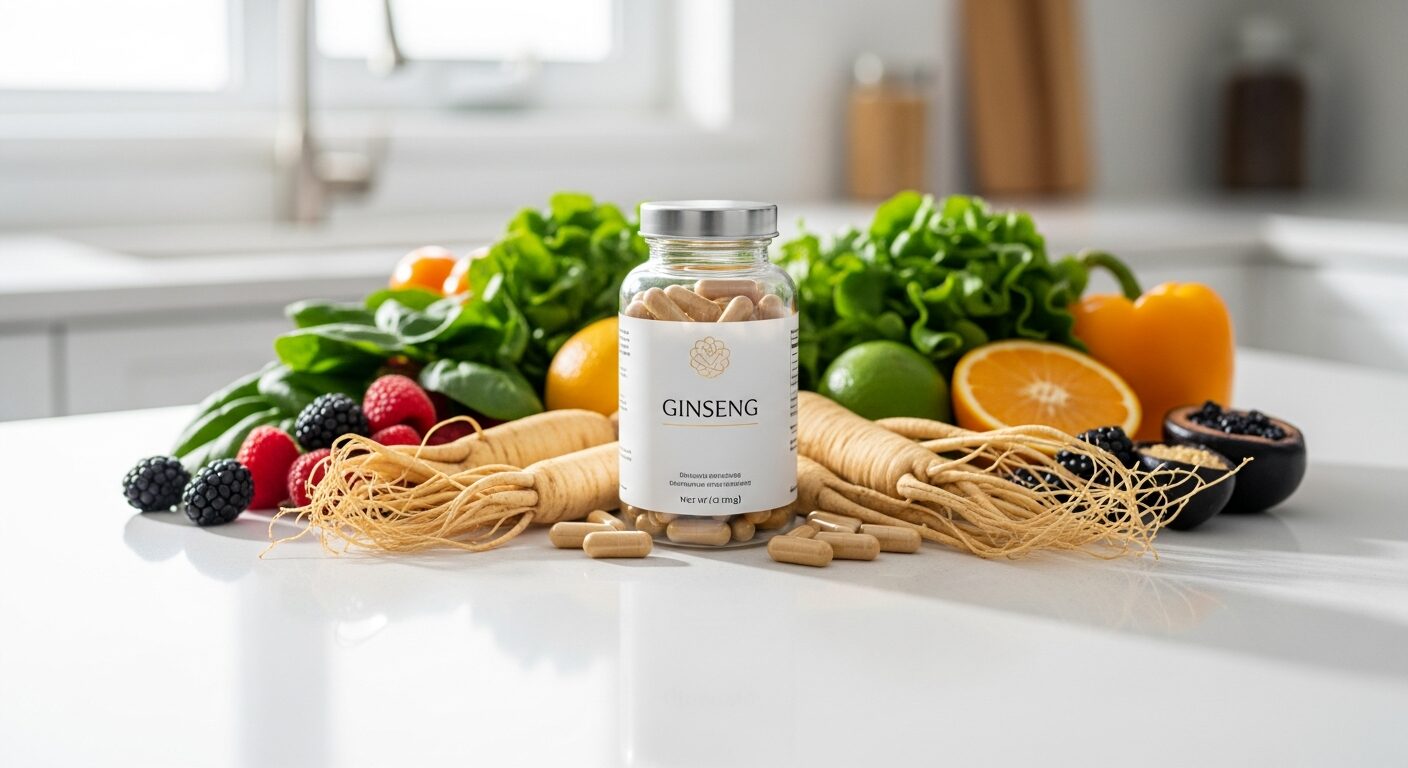
In the world of natural health supplements, few debates are as heated as the comparison between ginseng and ashwagandha. Both ancient herbs have earned their reputation as powerful adaptogens—substances that help your body manage stress and maintain balance. Yet despite their popularity, most people don’t truly understand which one might work better for their specific health goals.
While ashwagandha has gained tremendous popularity in recent years, particularly among younger health enthusiasts, ginseng remains the gold standard adaptogen with over 5,000 years of documented use and hundreds of clinical studies backing its effectiveness. The question isn’t necessarily which herb is “better” universally, but rather which one aligns with your individual health needs, lifestyle, and physiological responses.
This comprehensive analysis will cut through the marketing hype and examine the real science behind ginseng, helping you understand exactly what this remarkable herb can—and cannot—do for your health. We’ll explore the surprising truths that most supplement companies won’t tell you, and reveal what actually happens in your body when you take ginseng consistently.
🌿 Looking for Ginseng supplements? Shop Amazon →
Contents
What is Ginseng
Ginseng refers to several species of slow-growing perennial plants belonging to the genus Panax, with the most widely studied varieties being Asian ginseng (Panax ginseng) and American ginseng (Panax quinquefolius). The name “Panax” literally means “all-healing” in Greek, reflecting the herb’s revered status in traditional medicine systems.
The therapeutic power of ginseng lies primarily in its unique bioactive compounds called ginsenosides, also known as panaxosides. These triterpene saponins are responsible for most of ginseng’s adaptogenic properties and vary in concentration depending on the species, age of the root, processing method, and growing conditions.
What sets ginseng apart from other herbs is its biphasic effect—meaning it can both stimulate and calm the body depending on what’s needed. This intelligent adaptation occurs through ginseng’s influence on the hypothalamic-pituitary-adrenal (HPA) axis, the body’s central stress response system. Unlike synthetic stimulants that force a single response, ginseng helps restore balance by supporting your body’s natural regulatory mechanisms.
The most prized ginseng roots are typically 4-6 years old, as younger roots contain insufficient levels of active compounds, while older roots may become too potent for regular use. This careful timing, combined with specific cultivation and processing techniques, explains why high-quality ginseng commands premium prices in the supplement market.
Key Benefits of Ginseng
Clinical research has identified several well-documented benefits of ginseng supplementation. Perhaps most notably, ginseng demonstrates significant cognitive enhancement properties. Studies show it can improve working memory, attention span, and mental clarity while reducing brain fog. The herb appears to increase acetylcholine activity and enhance blood flow to the brain, supporting both immediate cognitive performance and long-term brain health.
Energy and physical performance represent another area where ginseng excels. Unlike caffeine or other stimulants that provide temporary energy followed by a crash, ginseng supports sustained energy production at the cellular level. It enhances mitochondrial function and improves the body’s ability to utilize oxygen efficiently, leading to increased stamina and reduced fatigue without overstimulation.
Immune system support is another well-established benefit of ginseng. Regular supplementation has been shown to increase the activity of natural killer cells, enhance antibody production, and improve overall immune response. This immune-modulating effect helps the body defend against infections while preventing excessive inflammatory responses that can damage healthy tissue.
Blood sugar regulation is an often-overlooked benefit of ginseng. Research indicates that ginsenosides can improve insulin sensitivity and glucose metabolism, making it particularly valuable for people concerned about metabolic health. Some studies suggest ginseng may help reduce post-meal blood sugar spikes and support healthy glucose levels over time.
Cardiovascular benefits include improved circulation, reduced inflammation, and potential improvements in cholesterol profiles. Ginseng appears to support healthy blood pressure levels and may help protect against certain cardiovascular risk factors, though more research is needed to fully understand these effects.
What Most People Get Wrong About Ginseng
One of the most persistent myths about ginseng is that it works immediately like a stimulant. Many people expect to feel energized within hours of taking their first dose, similar to drinking coffee. In reality, ginseng’s effects are cumulative and adaptive. The herb works by gradually optimizing your body’s stress response systems and cellular energy production. True benefits typically emerge after consistent use for 2-4 weeks, not after a single dose.
Another common misconception is that all ginseng products are equivalent. The supplement market is flooded with low-quality ginseng products that contain minimal active compounds or even synthetic ginsenosides. Many products labeled as “ginseng” actually contain Siberian ginseng (Eleutherococcus senticosus), which isn’t true ginseng at all and has different properties. The concentration of ginsenosides can vary by more than 1000% between products, making product selection crucial for effectiveness.
Perhaps most surprisingly, many people believe ginseng is universally safe and appropriate for everyone. This couldn’t be further from the truth. Ginseng is a powerful bioactive compound that can interact with numerous medications and isn’t suitable for certain populations. The herb can affect blood clotting, blood pressure, and blood sugar levels, making it potentially dangerous for people taking specific medications or with certain health conditions.
There’s also widespread confusion about timing and cycling. Unlike daily vitamins, ginseng is traditionally used in cycles rather than continuously. Many traditional medicine systems recommend taking ginseng for 2-3 months followed by a break, as the body can develop tolerance to its effects. Additionally, some people respond better to ginseng taken in the morning, while others find evening doses more effective, depending on their individual circadian rhythms and health goals.
What Happens to Your Body After 30 Days of Taking Ginseng
Week 1: During the first week of ginseng supplementation, most people notice subtle changes rather than dramatic effects. Your body begins adapting to the herb’s influence on stress hormone production, though you might not consciously perceive these changes yet. Some individuals report slight improvements in sleep quality or a reduction in afternoon energy crashes. Digestive sensitivity may occur in some people as their system adjusts to the new compound.
Week 2: By the second week, more noticeable effects typically emerge. Mental clarity often improves, with many users reporting reduced brain fog and better focus during challenging tasks. Energy levels become more stable throughout the day, without the peaks and valleys associated with caffeine consumption. Some people begin noticing improved stress resilience—situations that previously felt overwhelming may feel more manageable.
Week 3-4: The full spectrum of ginseng’s benefits usually manifests during weeks three and four. Cognitive performance improvements become more pronounced, with enhanced working memory and sustained attention being commonly reported. Physical endurance often increases, with many users able to exercise longer or recover more quickly from physical exertion. Immune function may strengthen, though this effect is harder to perceive subjectively.
It’s important to note that individual responses vary significantly based on factors including baseline health status, stress levels, diet, sleep quality, and the specific ginseng product used. Some people may notice benefits sooner, while others require 6-8 weeks to experience the full effects. Age, gender, and genetic factors also influence how quickly and dramatically someone responds to ginseng supplementation.
Who Should NOT Take Ginseng
Pregnant and breastfeeding women should avoid ginseng due to insufficient safety data and potential hormonal effects. The herb’s influence on estrogen and other reproductive hormones could potentially affect fetal development or milk production, making it inadvisable during these critical periods.
People taking blood-thinning medications such as warfarin, aspirin, or clopidogrel should exercise extreme caution with ginseng. The herb can enhance anticoagulant effects, potentially increasing bleeding risk. Similarly, those scheduled for surgery should discontinue ginseng at least two weeks prior to the procedure.
Individuals with autoimmune conditions including rheumatoid arthritis, lupus, or multiple sclerosis should consult healthcare providers before using ginseng. While the herb can support immune function in healthy individuals, it may overstimulate already hyperactive immune systems, potentially worsening autoimmune symptoms.
Those with hormone-sensitive conditions such as breast cancer, endometriosis, or uterine fibroids should use ginseng cautiously. Some ginsenosides have mild estrogenic activity, which could theoretically worsen hormone-dependent conditions, though research in this area remains limited.
People with diabetes must monitor blood sugar levels closely when starting ginseng, as the herb can enhance insulin sensitivity and lower blood glucose. While this effect can be beneficial, it may require medication adjustments under medical supervision to prevent hypoglycemia.
Individuals taking stimulant medications for ADHD or those with anxiety disorders should introduce ginseng gradually, as it may amplify stimulant effects or increase anxiety in sensitive individuals. Anyone taking multiple medications should consult a healthcare provider before adding ginseng to their regimen.
Dosage and Best Forms
The optimal ginseng dosage varies significantly based on the specific product, extraction method, and individual factors. For standardized ginseng extracts containing 4-7% ginsenosides, typical dosages range from 200-400mg daily. Raw ginseng root powder requires higher doses, typically 1-3 grams daily, due to lower concentration of active compounds.
Timing plays a crucial role in effectiveness. Most people benefit from taking ginseng in the morning on an empty stomach, as this allows for optimal absorption and aligns with the body’s natural cortisol rhythm. However, some individuals find that ginseng taken too early causes overstimulation, and they respond better to doses taken with breakfast or in the early afternoon.
The most bioavailable forms include standardized extracts with verified ginsenoside content, fermented ginseng products, and high-quality whole root preparations. Red ginseng (steamed and dried) often shows enhanced bioactivity compared to white ginseng (simply dried), though both forms can be effective when properly processed.
Quality markers to look for include third-party testing for ginsenoside content, verification of species (Panax ginseng or Panax quinquefolius), absence of adulterants, and proper storage conditions. Reputable manufacturers will provide certificates of analysis showing specific ginsenoside profiles.
Cycling is recommended for optimal results. Many traditional protocols suggest taking ginseng for 2-3 months followed by a 1-2 week break. This prevents tolerance development and maintains the herb’s effectiveness over time. Some people prefer shorter cycles of 6 weeks on, 1 week off.
🌿 Looking for Ginseng Supplements?
Browse top-rated Ginseng supplements, independently tested and recommended by our editorial team.
Affiliate disclosure: We may earn a small commission at no extra cost to you.
Frequently Asked Questions
Can I take ginseng with coffee or other stimulants?
While not inherently dangerous for most people, combining ginseng with caffeine or other stimulants can lead to overstimulation, jitters, or anxiety. Start with lower doses of both substances and monitor your response carefully. Some people find that ginseng actually allows them to reduce their caffeine intake while maintaining energy levels.
How long should I take ginseng to see results?
Most people notice initial benefits within 2-3 weeks of consistent use, with full effects typically manifesting after 4-6 weeks. However, some individuals may respond sooner or require longer periods to experience benefits. Consistency is key—sporadic use is unlikely to produce meaningful results.
Is American ginseng different from Asian ginseng?
Yes, American ginseng (Panax quinquefolius) and Asian ginseng (Panax ginseng) have different ginsenoside profiles and effects. American ginseng is generally considered more cooling and calming, while Asian ginseng tends to be more energizing and warming. Choose based on your individual constitution and health goals.
Can ginseng cause insomnia or sleep problems?
Ginseng can potentially interfere with sleep if taken too late in the day or in excessive doses. Most people should avoid taking ginseng after 2 PM. If you experience sleep disturbances, try reducing your dose, taking it earlier in the day, or switching to American ginseng, which is less stimulating than Asian varieties.
What’s the difference between ginseng and Siberian ginseng?
Despite its name, Siberian ginseng (Eleutherococcus senticosus) is not true ginseng and belongs to a different plant family. It contains different active compounds (eleutherosides instead of ginsenosides) and has distinct effects. While both are adaptogens, they work through different mechanisms and cannot be used interchangeably.
Medical Disclaimer
The information provided in this article is for educational purposes only and is not intended to diagnose, treat, cure, or prevent any disease. This content should not be considered medical advice or a substitute for professional healthcare consultation. Individual responses to supplements can vary significantly, and what works for one person may not be appropriate for another.
Before starting any new supplement regimen, including ginseng, consult with a qualified healthcare provider, especially if you have existing health conditions, take medications, are pregnant or breastfeeding, or have concerns about potential interactions. Your healthcare provider can help determine if ginseng is appropriate for your specific situation and can monitor for any adverse effects.
The statements made about ginseng have not been evaluated by the Food and Drug Administration. Always purchase supplements from reputable manufacturers that provide third-party testing and quality assurance. If you experience any adverse reactions while taking ginseng, discontinue use immediately and consult your healthcare provider.