
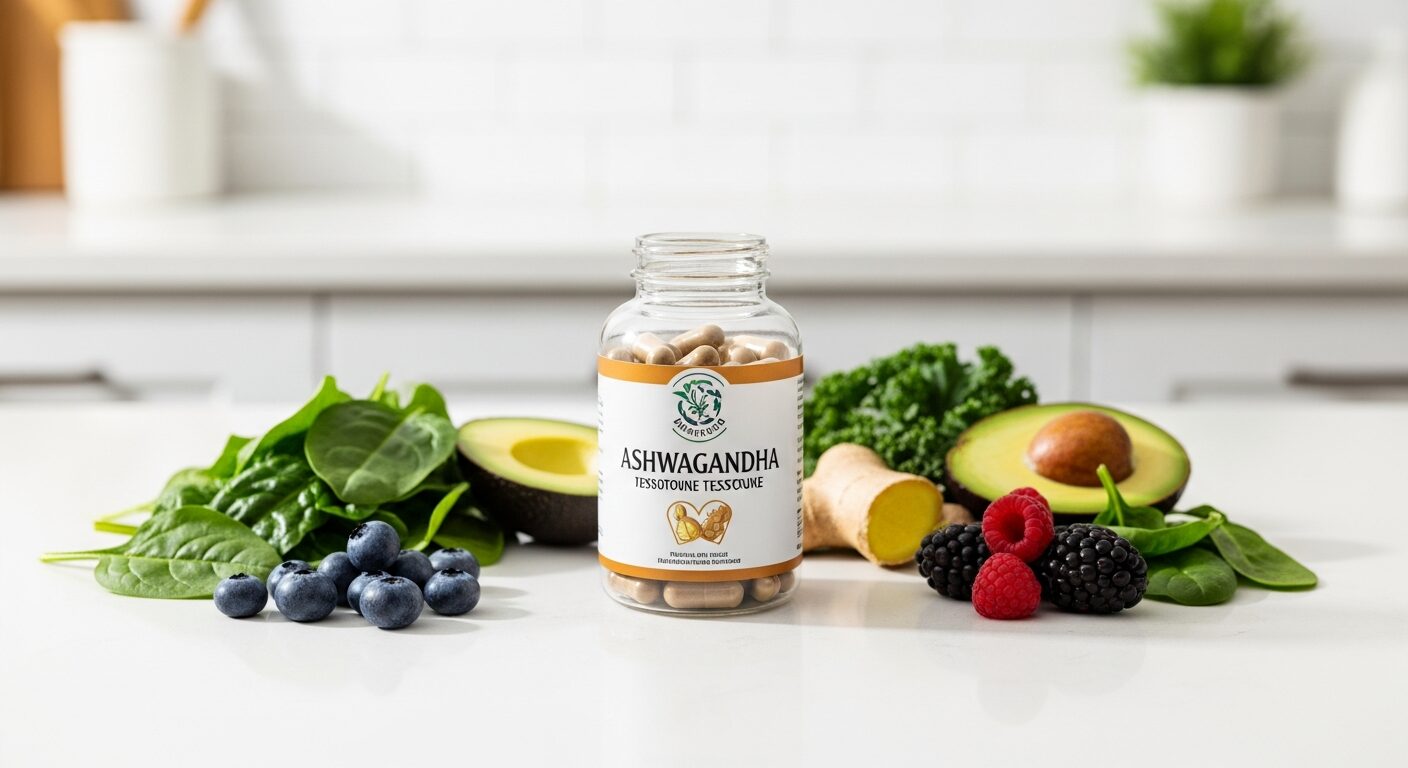
Ashwagandha has emerged as one of the most talked-about supplements in men’s health circles, with bold claims about its ability to naturally boost testosterone levels. This ancient adaptogenic herb, revered in traditional Ayurvedic medicine for centuries, is now backed by modern scientific research that suggests it may indeed have powerful effects on hormonal health, stress management, and physical performance.
But does ashwagandha actually work for testosterone enhancement, or is it just another overhyped supplement riding the wave of social media wellness trends? The answer isn’t as straightforward as many supplement marketers would have you believe. While emerging research shows promising results, the reality is more nuanced than the dramatic before-and-after stories flooding your social feeds.
In this comprehensive guide, we’ll dive deep into the science behind ashwagandha’s effects on testosterone, examine what really happens in your body when you take this supplement, and separate fact from fiction. You’ll discover surprising truths that most people get wrong about ashwagandha, learn about potential risks that are rarely discussed, and get evidence-based guidance on whether this ancient herb deserves a place in your supplement stack.
Contents
- 1 What is Ashwagandha
- 2 Key Benefits of Ashwagandha
- 3 What Most People Get Wrong About Ashwagandha
- 4 What Happens to Your Body After 30 Days of Taking Ashwagandha
- 5 Who Should NOT Take Ashwagandha
- 6 Dosage and Best Forms
- 7 Frequently Asked Questions
- 7.1 How long does it take to see testosterone increases from ashwagandha?
- 7.2 Can ashwagandha replace testosterone replacement therapy?
- 7.3 Is it safe to take ashwagandha with other testosterone-boosting supplements?
- 7.4 What are the most common side effects of ashwagandha?
- 7.5 Should women take ashwagandha for hormonal balance?
- 8 Medical Disclaimer
What is Ashwagandha
Ashwagandha (Withania somnifera), also known as winter cherry or Indian ginseng, is a small evergreen shrub native to India, the Middle East, and parts of Africa. The name “ashwagandha” literally translates to “smell of horse” in Sanskrit, referring to both its distinctive odor and the traditional belief that consuming it would give you the strength and vitality of a horse.
As an adaptogen, ashwagandha belongs to a unique class of herbs that help the body manage and adapt to various forms of stress—whether physical, chemical, or biological. Adaptogens work by modulating the hypothalamic-pituitary-adrenal (HPA) axis, which controls your stress response and influences hormone production throughout the body.
The therapeutic properties of ashwagandha come primarily from its bioactive compounds called withanolides, particularly withanoside IV, withanoside VI, withanolide D, and withanoside A. These compounds are concentrated in the root of the plant, which is why most high-quality ashwagandha supplements are made from root extracts rather than leaf extracts.
What sets ashwagandha apart from other herbs is its unique ability to be both energizing and calming. While it can increase energy and physical performance, it simultaneously reduces cortisol levels and promotes better sleep—a combination that creates ideal conditions for optimal testosterone production.
Key Benefits of Ashwagandha
Scientific research has identified several key benefits of ashwagandha supplementation, with effects extending far beyond testosterone enhancement. Understanding these broader benefits helps explain why ashwagandha may be particularly effective for men dealing with stress-related hormonal imbalances.
Stress Reduction and Cortisol Management: Multiple studies have demonstrated ashwagandha’s ability to significantly reduce cortisol levels. A randomized controlled trial published in 2012 found that participants taking ashwagandha experienced a 27.9% reduction in serum cortisol levels compared to placebo. This is crucial for testosterone production because chronically elevated cortisol directly suppresses testosterone synthesis.
Enhanced Physical Performance: Research shows that ashwagandha can improve muscle strength, muscle mass, and exercise performance. Studies have found increases in bench press and leg extension exercises, along with greater gains in muscle mass compared to placebo groups. This effect likely stems from ashwagandha’s influence on testosterone levels and its ability to reduce exercise-induced stress.
Improved Sleep Quality: Ashwagandha contains compounds that promote GABA signaling in the brain, leading to better sleep quality and duration. Since testosterone production peaks during deep sleep phases, this sleep-enhancing effect indirectly supports healthy hormone levels.
Cognitive Function and Focus: The herb has been shown to improve memory, attention, and information processing speed. This cognitive enhancement may be related to its stress-reducing properties and its ability to protect neurons from oxidative damage.
Blood Sugar Regulation: Several studies indicate that ashwagandha can help improve insulin sensitivity and reduce blood glucose levels. Better blood sugar control is associated with healthier testosterone levels and improved metabolic function.
What Most People Get Wrong About Ashwagandha
Despite its growing popularity, there are several persistent myths and misconceptions about ashwagandha that can lead to unrealistic expectations or improper use. Let’s debunk the most common ones with scientific evidence.
Myth 1: Ashwagandha Works Like a Testosterone Injection
Many people expect ashwagandha to produce dramatic, immediate increases in testosterone similar to hormone replacement therapy. The reality is that ashwagandha works indirectly by optimizing the conditions for natural testosterone production. Research published in Fertility and Sterility showed that while ashwagandha did increase testosterone levels in infertile men, the increases were modest (10-22%) and occurred gradually over 3 months. The herb doesn’t flood your system with hormones—it helps your body produce them more efficiently.
Myth 2: Higher Doses Always Mean Better Results
There’s a common belief that if some ashwagandha is good, more must be better. However, research suggests that ashwagandha follows a therapeutic window rather than a linear dose-response relationship. Studies showing testosterone benefits typically used doses between 300-600mg of standardized extract daily. Doses above 6 grams per day have been associated with stomach upset, diarrhea, and vomiting, without providing additional benefits.
Myth 3: All Ashwagandha Supplements Are the Same
Perhaps the most costly misconception is that all ashwagandha products deliver identical results. The concentration of active withanolides can vary dramatically between products. Many cheap supplements contain primarily leaf powder with minimal withanolide content, while research-backed products typically use root extracts standardized to contain 1.5-12% withanolides. The extraction method, part of the plant used, and standardization process all significantly impact effectiveness.
Myth 4: Ashwagandha Works for Everyone
Social media testimonials might suggest that ashwagandha is a universal solution for low testosterone, but the research tells a different story. The most significant testosterone increases have been observed in men with existing stress-related hormonal imbalances, fertility issues, or those engaged in intense physical training. Men with normal baseline testosterone levels and low stress may see minimal changes. Additionally, genetic variations in how individuals metabolize withanolides can affect response rates.
What Happens to Your Body After 30 Days of Taking Ashwagandha
Understanding the timeline of ashwagandha’s effects can help set realistic expectations and prevent premature discontinuation. Based on clinical research, here’s what typically occurs during your first month of supplementation.
Week 1: Stress Response Optimization
The most immediate effects of ashwagandha occur within the first week, primarily related to stress management. Your HPA axis begins to recalibrate as cortisol levels start to normalize. Many users report feeling more resilient to daily stressors and experiencing less anxiety, though these effects are often subtle initially. Sleep quality may begin to improve as GABA signaling is enhanced, though dramatic sleep changes typically take longer.
Week 2: Energy and Mood Stabilization
By the second week, the cumulative effects of better stress management and improved sleep begin to manifest as more stable energy levels throughout the day. Rather than experiencing energy crashes, many users report more sustained vitality. Mood improvements become more noticeable as cortisol continues to decline and the nervous system becomes less reactive to stressors.
Week 3-4: Hormonal and Physical Changes
The most significant changes typically emerge during weeks three and four. Research indicates that testosterone increases become measurable around this time, particularly in men who started with suboptimal levels due to stress or overtraining. Physical performance improvements may become apparent, including better recovery between workouts and slight increases in strength.
It’s important to note that some individuals may require 6-8 weeks to experience the full benefits, especially if they have chronic stress or hormonal imbalances. The timeline can also vary based on factors like baseline hormone levels, stress load, sleep quality, diet, and exercise habits.
Who Should NOT Take Ashwagandha
While ashwagandha is generally well-tolerated by most healthy adults, there are specific populations and circumstances where its use may be inappropriate or potentially dangerous.
Autoimmune Conditions: Individuals with autoimmune diseases such as rheumatoid arthritis, lupus, multiple sclerosis, or type 1 diabetes should avoid ashwagandha. As an immune system stimulant, it may exacerbate autoimmune responses and worsen symptoms. The herb can increase the activity of immune cells, potentially leading to increased inflammation in those with overactive immune systems.
Thyroid Disorders: Ashwagandha can increase thyroid hormone production, making it potentially dangerous for individuals with hyperthyroidism or those taking thyroid medications. Even people with normal thyroid function should monitor their thyroid levels if taking ashwagandha long-term, as it may push thyroid hormones above optimal ranges.
Medication Interactions: Several drug classes can interact dangerously with ashwagandha. Blood pressure medications may become too effective when combined with ashwagandha’s hypotensive effects. Diabetes medications combined with ashwagandha’s blood sugar-lowering properties could cause hypoglycemia. Sedative medications may have enhanced effects, leading to excessive drowsiness or respiratory depression.
Pregnancy and Breastfeeding: Ashwagandha is contraindicated during pregnancy as it may increase the risk of miscarriage and preterm labor. There’s insufficient safety data for breastfeeding mothers, so avoidance is recommended during lactation as well.
Scheduled Surgeries: Discontinue ashwagandha at least two weeks before any scheduled surgery, as it may interfere with anesthesia and blood sugar control during and after surgical procedures.
When to Consult a Healthcare Provider: Anyone with existing medical conditions, those taking prescription medications, or individuals over 65 should consult with a healthcare provider before starting ashwagandha. Additionally, if you experience any adverse effects such as drowsiness, stomach upset, or skin rash, discontinue use and seek medical advice.
Dosage and Best Forms
The effectiveness of ashwagandha supplementation depends heavily on using the right dose and choosing a high-quality form. Research-backed dosing protocols provide the best guidance for safe and effective use.
Optimal Dosing: Most clinical studies showing testosterone benefits have used doses between 300-600mg daily of standardized root extract containing 1.5-12% withanolides. The most common effective dose is 300mg twice daily (morning and evening) or 600mg once daily. Starting with the lower end of this range allows you to assess tolerance before increasing if needed.
Root Extract vs. Leaf Extract: Always choose supplements made from ashwagandha root extract rather than leaf extract. Root extracts contain higher concentrations of the active withanolides responsible for testosterone and stress-management benefits. Leaf extracts are cheaper to produce but significantly less effective.
Standardization Matters: Look for products standardized to contain at least 1.5% withanolides, with many high-quality supplements containing 5-12%. The label should clearly state the withanolide percentage—if it doesn’t, choose a different product.
Timing and Absorption: Ashwagandha can be taken with or without food, though taking it with a small amount of fat may enhance absorption of fat-soluble compounds. Many users prefer splitting the dose between morning and evening to maintain steady levels throughout the day.
Cycling Recommendations: While ashwagandha doesn’t require cycling like some supplements, taking periodic breaks (such as one week off every 6-8 weeks) may help maintain sensitivity and effectiveness over long-term use.
🌿 Looking for Ashwagandha Supplements?
Browse top-rated Ashwagandha supplements, independently tested and recommended by our editorial team.
Affiliate disclosure: We may earn a small commission at no extra cost to you.
Frequently Asked Questions
How long does it take to see testosterone increases from ashwagandha?
Most clinical studies show measurable testosterone increases after 8-12 weeks of consistent supplementation. However, some men may notice improvements in energy and mood within 2-3 weeks, which can be early indicators of hormonal optimization. The timeline varies based on baseline testosterone levels, stress load, and individual metabolism.
Can ashwagandha replace testosterone replacement therapy?
No, ashwagandha cannot replace medical testosterone replacement therapy for men with clinically diagnosed hypogonadism. While ashwagandha can help optimize natural testosterone production, it typically only increases levels by 10-22% in research studies. Men with severely low testosterone require medical intervention and should work with an endocrinologist or qualified healthcare provider.
Is it safe to take ashwagandha with other testosterone-boosting supplements?
Ashwagandha is generally safe to combine with other natural testosterone-supporting supplements like vitamin D, zinc, and magnesium. However, avoid combining multiple adaptogens or herbs without professional guidance, as interactions aren’t well-studied. Always introduce supplements one at a time to assess individual tolerance and effectiveness.
What are the most common side effects of ashwagandha?
The most commonly reported side effects are mild and include stomach upset, drowsiness, and diarrhea, particularly when starting supplementation or taking high doses. These effects usually resolve within a few days as your body adjusts. More serious side effects are rare but can include liver problems in sensitive individuals or those taking very high doses.
Should women take ashwagandha for hormonal balance?
Women can benefit from ashwagandha’s stress-reducing and sleep-improving properties, but its effects on female hormones are less well-studied than its effects on male testosterone. Some research suggests it may help with PCOS and thyroid function in women, but pregnant and breastfeeding women should avoid it entirely. Women with hormone-sensitive conditions should consult a healthcare provider before use.
Medical Disclaimer
The information provided in this article is for educational purposes only and is not intended to diagnose, treat, cure, or prevent any disease. This content should not be considered a substitute for professional medical advice, diagnosis, or treatment. Always consult with a qualified healthcare provider before starting any new supplement regimen, especially if you have existing medical conditions, are taking medications, or are pregnant or breastfeeding.
Individual results may vary, and the effectiveness of ashwagandha can depend on numerous factors including genetics, lifestyle, diet, and overall health status. The studies referenced in this article represent current scientific understanding, but supplement research is ongoing and recommendations may change as new evidence emerges.
If you experience any adverse reactions while taking ashwagandha, discontinue use immediately and consult with a healthcare professional. This is particularly important if you have autoimmune conditions, thyroid disorders, or are scheduled for surgery.