
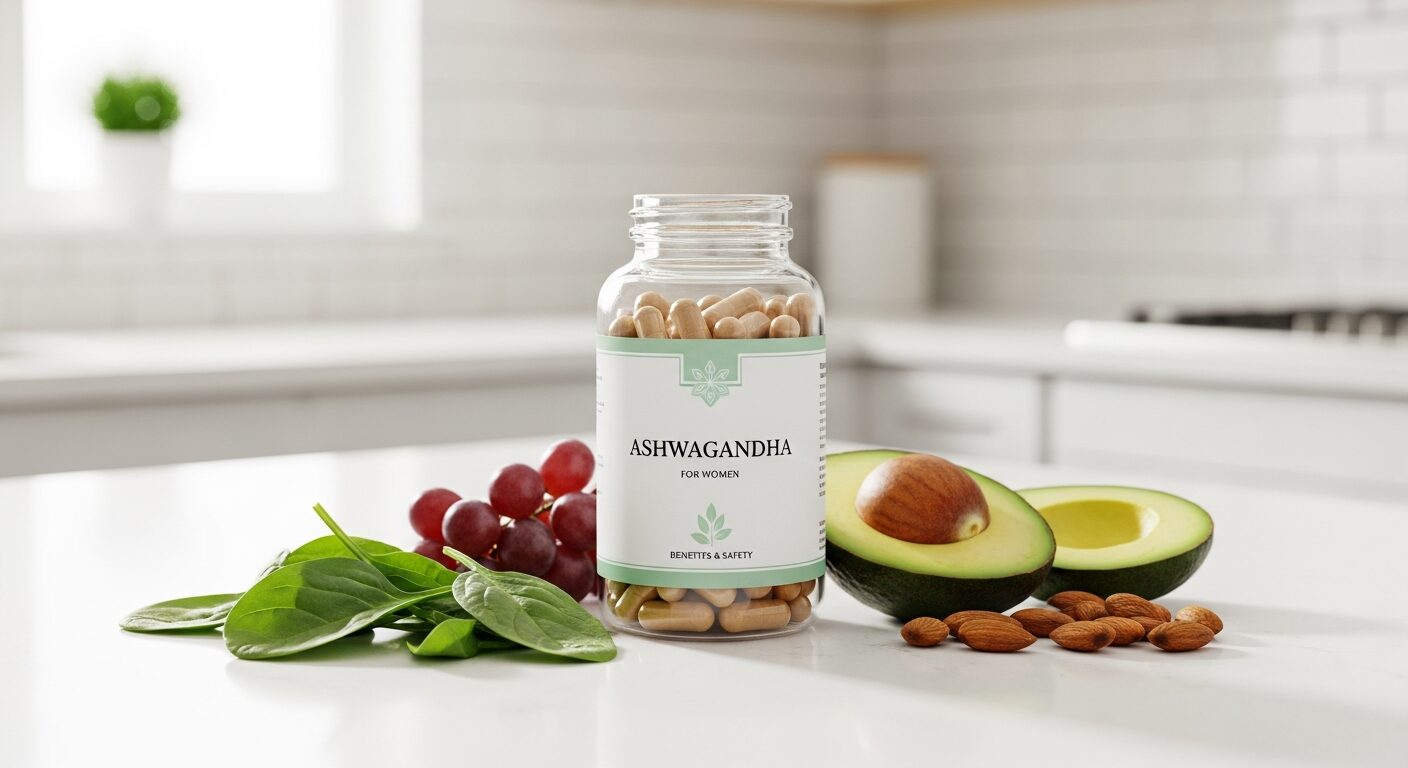
In the world of natural health supplements, few herbs have garnered as much attention from women seeking holistic wellness solutions as ashwagandha. This ancient adaptogenic herb, revered in Ayurvedic medicine for thousands of years, has emerged as a powerful ally for modern women navigating the complexities of stress, hormonal fluctuations, and overall health optimization. From boardroom executives seeking stress management to new mothers dealing with energy depletion, ashwagandha offers a science-backed approach to wellness that addresses many concerns unique to women’s health.
What makes ashwagandha particularly compelling for women is its versatility and gentle yet effective action on multiple body systems. Unlike synthetic supplements that target single pathways, this remarkable herb works as an adaptogen, helping the body naturally restore balance across hormonal, neurological, and metabolic functions. Recent clinical research has validated many traditional uses, revealing impressive benefits for stress reduction, energy enhancement, sleep quality, and even reproductive health. However, with growing popularity comes misinformation, making it crucial for women to understand both the genuine benefits and important safety considerations before incorporating ashwagandha into their wellness routine.
Whether you’re considering ashwagandha for the first time or looking to optimize your current supplementation strategy, understanding how this powerful herb specifically benefits women’s physiology can help you make informed decisions about your health journey. Let’s explore the science behind ashwagandha’s effects on women’s bodies, debunk common misconceptions, and provide practical guidance for safe and effective use.
Contents
What is Ashwagandha
Ashwagandha (Withania somnifera), often called “Indian winter cherry” or “Indian ginseng,” is a small shrub native to India, the Middle East, and parts of Africa. The name “ashwagandha” translates to “smell of horse” in Sanskrit, referring both to the herb’s distinctive odor and the traditional belief that consuming it imparts the strength and vitality of a horse. This adaptogenic herb belongs to the nightshade family and has been a cornerstone of Ayurvedic medicine for over 3,000 years.
The therapeutic power of ashwagandha lies primarily in its roots, which contain a unique group of compounds called withanolides. These naturally occurring steroids are responsible for many of the herb’s health-promoting effects. The most studied withanolides include withanoside IV, withanoside VI, and withanolide D, each contributing to the herb’s adaptogenic properties. Modern extraction methods have allowed researchers to create standardized ashwagandha extracts containing specific concentrations of these active compounds, typically ranging from 1.5% to 12% withanolides.
As an adaptogen, ashwagandha helps the body maintain homeostasis by supporting the hypothalamic-pituitary-adrenal (HPA) axis, which governs our stress response system. This makes it particularly valuable for women, who often face unique stressors related to hormonal fluctuations, caregiving responsibilities, and societal pressures. The herb’s ability to modulate cortisol levels, support thyroid function, and influence reproductive hormones makes it a comprehensive tool for women’s health optimization.
Key Benefits of Ashwagandha
Scientific research has identified numerous ways ashwagandha specifically benefits women’s health. One of the most well-documented effects is stress reduction and cortisol regulation. A randomized controlled trial published in 2012 demonstrated that women taking ashwagandha experienced significant reductions in perceived stress levels and morning cortisol concentrations compared to placebo groups. This is particularly important for women, as chronic stress can disrupt menstrual cycles, affect fertility, and contribute to various health issues including anxiety, depression, and metabolic dysfunction.
Sleep quality improvement represents another major benefit for women using ashwagandha. Many women struggle with sleep disruptions due to hormonal changes, stress, or life transitions such as pregnancy, postpartum recovery, or menopause. Ashwagandha’s natural compounds appear to enhance GABA signaling in the brain, promoting relaxation and deeper sleep phases. Women who incorporate ashwagandha into their evening routine often report falling asleep more easily and experiencing more restorative sleep cycles.
Energy and fatigue management constitute additional areas where ashwagandha shines for women’s health. Unlike stimulants that provide temporary energy spikes followed by crashes, ashwagandha works at the cellular level to support mitochondrial function and optimize energy production. This sustained energy support is particularly beneficial for women juggling multiple responsibilities or those experiencing hormonal fatigue during perimenopause or postpartum recovery.
Cognitive function and mental clarity also benefit from ashwagandha supplementation. Research indicates that the herb’s neuroprotective compounds support memory formation, focus, and mental processing speed. For women experiencing “brain fog” during hormonal transitions or high-stress periods, ashwagandha can provide gentle cognitive support without the jittery side effects associated with caffeine or other stimulants.
What Most People Get Wrong About Ashwagandha
Despite its growing popularity, several persistent misconceptions about ashwagandha can lead to unrealistic expectations or inappropriate use. One of the most common myths is that ashwagandha works immediately like a pharmaceutical medication. Many women expect to feel dramatic changes within days of starting supplementation, but ashwagandha functions as an adaptogen that gradually helps restore balance to body systems over weeks or months. This slower, more sustainable approach to wellness often proves more beneficial in the long term than quick fixes, but it requires patience and consistent use to achieve optimal results.
Another widespread misconception is that ashwagandha is completely safe for all women because it’s “natural.” While ashwagandha has an excellent safety profile for most people, natural doesn’t automatically mean risk-free. The herb can interact with certain medications, particularly those for thyroid conditions, blood pressure, and blood sugar management. Additionally, pregnant and breastfeeding women should avoid ashwagandha, as it may have uterine stimulant properties and could potentially affect fetal development or infant health through breast milk.
Many people also incorrectly believe that higher doses of ashwagandha automatically deliver better results. Research suggests that ashwagandha follows a bell curve response, meaning there’s an optimal dosage range for maximum benefit, and exceeding this range doesn’t necessarily enhance effects and may even diminish them. Most clinical studies showing positive results used doses between 300-600mg of standardized extract daily, and taking significantly more doesn’t appear to provide additional benefits while potentially increasing the risk of side effects.
Perhaps the most surprising misconception is that ashwagandha only helps with stress and anxiety. While these remain primary uses, emerging research reveals broader applications including immune system support, anti-inflammatory effects, and potential benefits for metabolic health. Some studies suggest ashwagandha may help support healthy blood sugar levels and contribute to weight management efforts, though these effects require more research to fully understand their mechanisms and clinical significance.
What Happens to Your Body After 30 Days of Taking Ashwagandha
Understanding the timeline of ashwagandha’s effects helps set realistic expectations and optimize supplementation strategies. During the first week of consistent use, most women begin experiencing subtle changes in their stress response and sleep patterns. Initial effects often include feeling slightly more relaxed in stressful situations and experiencing improved sleep onset. Some women notice reduced afternoon energy crashes and a general sense of improved resilience to daily stressors, though these changes may be quite gentle initially.
By the second week, more noticeable effects typically emerge. Research published in 2019 indicates that cortisol regulation begins to stabilize around this timeframe, leading to improved stress management and better emotional balance. Women often report feeling more capable of handling challenging situations without becoming overwhelmed, and sleep quality continues to improve with deeper, more restorative rest cycles. Energy levels may become more stable throughout the day, reducing the need for caffeine or other stimulants.
Weeks three and four represent the period when ashwagandha’s full adaptogenic benefits typically manifest. By this point, the herb has had sufficient time to influence HPA axis function and support overall hormonal balance. Many women experience their most significant improvements in stress resilience, mental clarity, and physical energy during this period. Clinical trials demonstrate that four weeks of consistent ashwagandha use can lead to measurable improvements in stress scale ratings and quality of life assessments.
It’s important to note that individual responses vary considerably based on factors including baseline stress levels, overall health status, dosage, and extraction quality. Some women may notice benefits earlier or later in this timeline, and optimal effects often continue developing with longer-term use. Research suggests that continued use for 8-12 weeks may provide the most comprehensive benefits, as the body fully adapts to the herb’s supportive effects on multiple physiological systems.
Who Should NOT Take Ashwagandha
While ashwagandha offers numerous benefits for many women, certain individuals should avoid this supplement or use it only under medical supervision. Pregnant women should not take ashwagandha, as the herb may have uterine stimulant properties that could potentially trigger contractions or affect fetal development. Although traditional Ayurvedic medicine has specific preparations for pregnancy, modern ashwagandha supplements haven’t been adequately studied for safety during pregnancy, making avoidance the most prudent choice.
Breastfeeding mothers should also exercise caution with ashwagandha supplementation. While there’s limited research on ashwagandha’s effects during lactation, some compounds may pass through breast milk and potentially affect infant development. Until more comprehensive safety data becomes available, nursing mothers should consult healthcare providers before incorporating ashwagandha into their routine.
Women with autoimmune conditions including rheumatoid arthritis, lupus, multiple sclerosis, or type 1 diabetes should approach ashwagandha cautiously. The herb’s immune-modulating properties could potentially stimulate immune system activity, which might exacerbate autoimmune symptoms in some individuals. While some research suggests ashwagandha might help regulate immune function, the effects can be unpredictable in people with existing autoimmune disorders.
Individuals taking medications for thyroid disorders, blood pressure, or diabetes should consult healthcare providers before using ashwagandha. The herb can influence thyroid hormone levels, potentially enhancing the effects of thyroid medications and leading to hyperthyroidism symptoms. Similarly, ashwagandha may lower blood pressure and blood sugar levels, potentially creating dangerous interactions with medications designed to manage these conditions.
Women scheduled for surgery should discontinue ashwagandha at least two weeks before their procedure, as the herb may interact with anesthesia or affect blood sugar levels during and after surgery. Additionally, individuals with stomach ulcers should use caution, as ashwagandha may irritate the gastrointestinal tract in some people.
Dosage and Best Forms
Selecting the appropriate ashwagandha dosage and form is crucial for achieving optimal benefits while minimizing potential side effects. Most clinical research supporting ashwagandha’s benefits has used standardized root extracts containing 1.5% to 12% withanolides, with daily doses ranging from 300mg to 600mg. For most women beginning ashwagandha supplementation, starting with 300mg daily of a standardized extract taken with meals helps assess individual tolerance and response.
The timing of ashwagandha consumption can influence its effects. Many women find taking ashwagandha in the evening helps promote relaxation and better sleep quality, while others prefer morning consumption to support daytime stress resilience and energy levels. Since ashwagandha can affect cortisol patterns, experimenting with timing while monitoring sleep quality and energy levels helps identify the optimal schedule for individual needs.
Several forms of ashwagandha are available, each with distinct characteristics. Standardized root extracts represent the most researched form and typically provide the most reliable potency and effects. KSM-66 and Sensoril are two proprietary extracts that have undergone extensive clinical testing and demonstrate consistent benefits. Whole root powder offers a more traditional approach but may provide less concentrated active compounds and more variable effects.
Quality considerations are paramount when selecting ashwagandha supplements. Look for products that clearly state the withanolide content, use organic root sources, and undergo third-party testing for purity and potency. Reputable manufacturers provide certificates of analysis and follow good manufacturing practices to ensure product safety and efficacy.
🌿 Looking for Ashwagandha Supplements?
Browse top-rated Ashwagandha supplements, independently tested and recommended by our editorial team.
Affiliate disclosure: We may earn a small commission at no extra cost to you.
Frequently Asked Questions
Can I take ashwagandha with my birth control pills?
Current research suggests ashwagandha is generally safe to take with hormonal birth control, and no direct interactions have been documented. However, since ashwagandha can influence hormonal balance and stress responses, some women may notice changes in their menstrual cycle or PMS symptoms. If you experience any unusual changes while taking both, consult your healthcare provider to ensure your birth control remains effective and appropriate for your needs.
Will ashwagandha help with menopause symptoms?
Emerging research suggests ashwagandha may help manage certain menopause symptoms, particularly those related to stress, sleep disruption, and mood changes. The herb’s ability to support healthy cortisol levels and promote relaxation can be beneficial during this transitional period. However, ashwagandha isn’t a direct replacement for hormone replacement therapy, and women experiencing severe menopause symptoms should work with healthcare providers to develop comprehensive management strategies.
How long should I take ashwagandha before taking a break?
Most research supports safe continuous use of ashwagandha for several months without requiring breaks. Clinical studies have documented safe use for periods ranging from 8 weeks to 6 months. However, some practitioners recommend taking periodic breaks every 3-4 months to assess ongoing need and prevent potential tolerance development. Listen to your body and consult with a healthcare provider if you’re considering long-term supplementation.
Can ashwagandha cause weight gain or loss?
Ashwagandha’s effects on weight are generally indirect and related to its impact on stress hormones and metabolic function. By helping regulate cortisol levels, ashwagandha may support healthy weight management, as chronic stress and elevated cortisol can contribute to weight gain, particularly around the midsection. Some women report modest weight loss when combining ashwagandha with healthy lifestyle changes, likely due to improved stress management and better sleep quality supporting overall metabolic health.
Is it safe to take ashwagandha with antidepressants?
While ashwagandha may complement mental health treatment, it’s essential to consult with your healthcare provider before combining it with antidepressant medications. Ashwagandha’s effects on neurotransmitters and stress hormones could potentially interact with psychiatric medications, either enhancing or interfering with their effects. Your doctor can help determine whether ashwagandha is appropriate as part of your overall mental health treatment plan and monitor for any interactions or side effects.
Medical Disclaimer
The information provided in this article is for educational purposes only and is not intended to replace professional medical advice, diagnosis, or treatment. Always consult with a qualified healthcare provider before starting any new supplement regimen, especially if you have existing medical conditions, are taking medications, or are pregnant or breastfeeding. Individual responses to ashwagandha may vary, and what works for one person may not be appropriate for another. The statements in this article have not been evaluated by the Food and Drug Administration, and ashwagandha is not intended to diagnose, treat, cure, or prevent any disease. If you experience any adverse reactions while taking ashwagandha, discontinue use immediately and consult with your healthcare provider.