
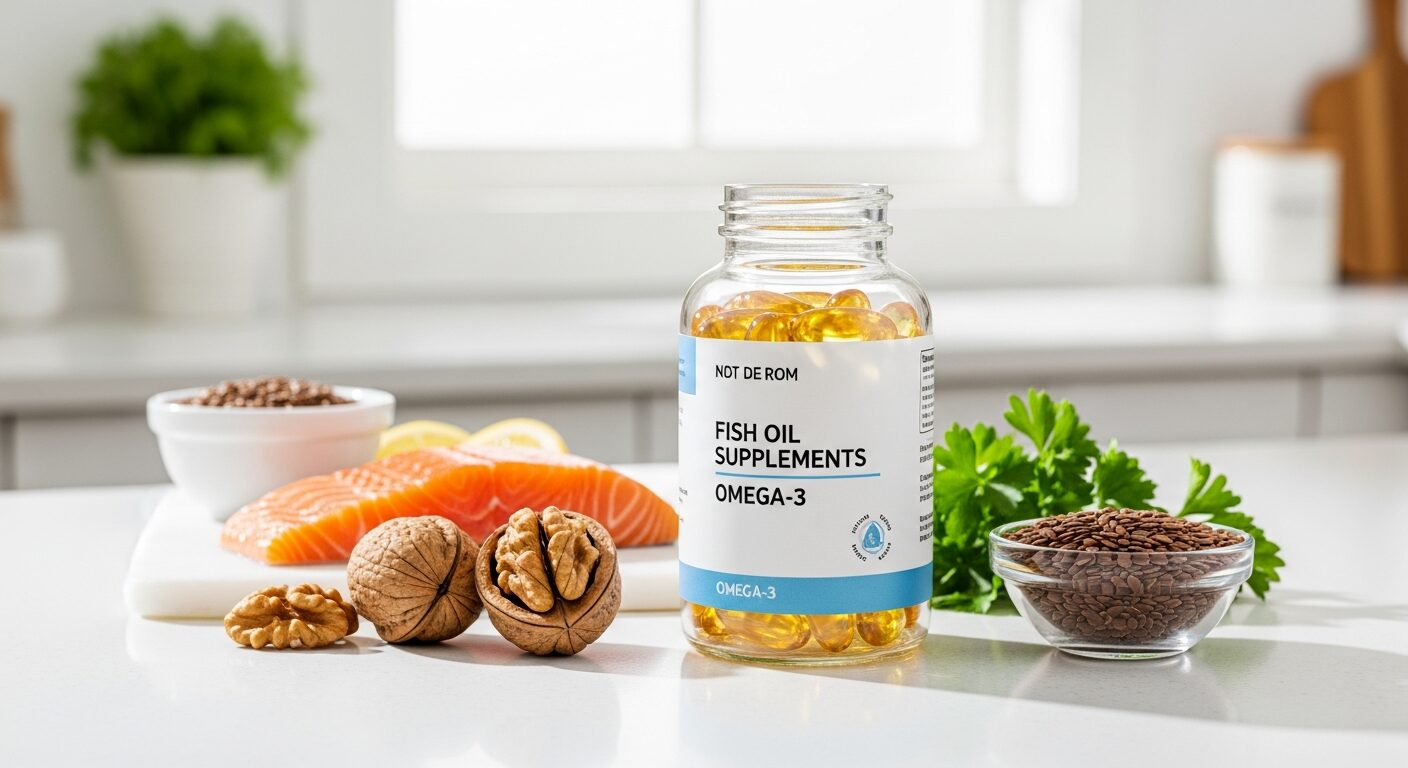
Fish oil has emerged as one of the most researched and widely consumed dietary supplements globally, with millions of people taking it daily for its impressive health benefits. From supporting heart health to enhancing brain function, these golden capsules contain powerful omega-3 fatty acids that our bodies desperately need but cannot produce on their own.
Despite its popularity, fish oil remains one of the most misunderstood supplements on the market. Many consumers fall victim to marketing myths, choose ineffective forms, or expect unrealistic results. This comprehensive guide cuts through the confusion to deliver science-based insights about fish oil supplementation, helping you make informed decisions about whether it belongs in your daily routine.
Whether you’re considering fish oil for the first time or looking to optimize your current regimen, understanding the real science behind these supplements will empower you to maximize their potential benefits while avoiding common pitfalls that plague many users.
Contents
What is Fish Oil
Fish oil is a dietary supplement derived from the tissues of oily fish, primarily containing two crucial omega-3 fatty acids: eicosapentaenoic acid (EPA) and docosahexaenoic acid (DHA). These long-chain polyunsaturated fatty acids serve as essential building blocks for numerous bodily functions, from cellular membrane structure to hormone production.
The most common sources for commercial fish oil supplements include anchovies, sardines, mackerel, herring, and salmon. These cold-water fish naturally accumulate high concentrations of omega-3s in their tissues, making them ideal candidates for supplement production. The extraction process typically involves cooking the fish, pressing out the oil, and then purifying it through molecular distillation to remove contaminants like mercury, PCBs, and other heavy metals.
Modern fish oil supplements come in various forms, including natural triglycerides, ethyl esters, and re-esterified triglycerides. Each form offers different absorption rates and bioavailability, with natural and re-esterified triglycerides generally showing superior absorption compared to the more common ethyl ester form found in many budget supplements.
The concentration of EPA and DHA varies significantly between products, with pharmaceutical-grade fish oils containing up to 90% omega-3s, while lower-grade supplements may contain as little as 30%. This variation in potency directly impacts the supplement’s effectiveness and the dosage required to achieve therapeutic benefits.
Key Benefits of Fish Oil
The cardiovascular benefits of fish oil supplementation represent perhaps the most well-established area of research. EPA and DHA help reduce triglyceride levels, lower blood pressure, and decrease inflammation in blood vessels. These effects collectively contribute to reduced risk of heart disease, stroke, and other cardiovascular events, particularly in individuals with existing risk factors.
Brain health represents another crucial area where fish oil demonstrates significant benefits. DHA comprises approximately 30% of brain tissue, making it essential for cognitive function, memory formation, and neuroplasticity. Regular supplementation may help protect against age-related cognitive decline, support mood regulation, and potentially reduce the risk of depression and anxiety disorders.
The anti-inflammatory properties of omega-3 fatty acids extend throughout the body, offering benefits for joint health, autoimmune conditions, and overall inflammatory markers. EPA, in particular, competes with arachidonic acid in inflammatory pathways, leading to the production of less inflammatory compounds and potentially reducing symptoms in conditions like rheumatoid arthritis.
Eye health benefits emerge from DHA’s high concentration in retinal tissue, where it supports visual development and may help prevent age-related macular degeneration. Additionally, adequate omega-3 intake during pregnancy supports fetal brain and eye development, making fish oil supplementation particularly valuable for expectant mothers.
What Most People Get Wrong About Fish Oil
Myth 1: All Fish Oil Supplements Are Created Equal
This misconception leads many consumers to choose supplements based solely on price, ignoring crucial factors like purity, concentration, and form. The reality is that fish oil supplements vary dramatically in quality, with some containing less than 30% omega-3s while others exceed 80%. Additionally, the molecular form significantly impacts absorption, with triglyceride forms showing 50% better bioavailability than ethyl ester forms commonly found in cheaper supplements.
Myth 2: More EPA and DHA Always Means Better Results
While adequate dosing is important, the ratio of EPA to DHA matters more than total omega-3 content for specific health goals. For cardiovascular health, higher EPA ratios (2:1 or 3:1 EPA to DHA) show superior results, while brain health benefits more from DHA-dominant formulas. Taking excessive doses doesn’t necessarily provide additional benefits and may increase the risk of side effects like bleeding or immune suppression.
Myth 3: Fish Oil Goes Rancid Only When It Smells Fishy
Many consumers believe that fish oil supplements are fresh as long as they don’t have a strong fishy odor. However, oxidation begins long before noticeable smell develops, and rancid fish oil can actually be harmful, promoting inflammation rather than reducing it. Quality supplements should have minimal odor and include antioxidants like vitamin E to prevent oxidation. The absence of fishy burps often indicates better processing and freshness rather than lower potency.
Myth 4: Plant-Based Omega-3s Are Just As Effective As Fish Oil
While plant sources like flax seeds and walnuts contain alpha-linolenic acid (ALA), the conversion rate to EPA and DHA in humans is extremely low – typically less than 5% for EPA and virtually zero for DHA. This means that even large amounts of plant-based omega-3s cannot replicate the benefits of direct EPA and DHA supplementation from fish oil, making this distinction crucial for vegetarians and vegans who may need algae-based supplements instead.
What Happens to Your Body After 30 Days of Taking Fish Oil
Week 1: Initial Cellular Integration
During the first week of supplementation, omega-3 fatty acids begin incorporating into cell membranes throughout your body. While you likely won’t notice dramatic changes, blood levels of EPA and DHA start rising, and inflammatory markers may begin their gradual decline. Some individuals report improved sleep quality during this initial period, though this effect varies considerably between users.
Week 2: Circulatory System Improvements
By the second week, cardiovascular benefits become more apparent as omega-3s improve blood flow and begin reducing triglyceride levels. Blood pressure may start decreasing in hypertensive individuals, and blood vessel function shows measurable improvements. Joint stiffness might begin to diminish as anti-inflammatory effects start accumulating, particularly noticeable in individuals with existing inflammatory conditions.
Week 3: Cognitive and Mood Enhancement
The third week often brings the first noticeable cognitive benefits as DHA levels in brain tissue increase. Memory recall may improve, mental clarity enhances, and mood stabilization becomes apparent. Freeman et al., 2010 demonstrated that EPA supplementation showed significant mood improvements within 2-3 weeks in individuals with depression, highlighting the relatively rapid onset of neurological benefits.
Week 4: Full Therapeutic Benefits
After one month of consistent supplementation, most therapeutic benefits reach their peak effectiveness. Inflammatory markers like C-reactive protein show significant reductions, triglyceride levels may drop by 20-30%, and cognitive function improvements stabilize at their maximum benefit level. Skin health often improves during this period as omega-3s support cellular membrane integrity and reduce inflammatory skin conditions.
Who Should NOT Take Fish Oil
Individuals taking anticoagulant medications like warfarin, heparin, or newer direct oral anticoagulants should exercise extreme caution with fish oil supplementation. High doses of omega-3 fatty acids can enhance the effects of these medications, potentially increasing bleeding risk. While low doses may be safe under medical supervision, any combination requires careful monitoring of clotting parameters and professional medical oversight.
People with seafood allergies need to distinguish between fish allergies and shellfish allergies when considering fish oil supplements. Those with fish allergies should avoid traditional fish oil entirely, as even highly purified products may contain trace proteins that could trigger allergic reactions. However, individuals with shellfish allergies can typically use fish oil safely, as the allergenic proteins differ between fish and shellfish.
Patients scheduled for surgery should discontinue fish oil supplementation at least two weeks before their procedure. The anti-platelet effects of omega-3s can increase surgical bleeding risk and complicate hemostasis during operations. Similarly, individuals with bleeding disorders like hemophilia or von Willebrand disease should avoid fish oil unless specifically recommended and monitored by their hematologist.
Pregnant women require special consideration, as while omega-3s are beneficial for fetal development, some fish oil supplements may contain harmful contaminants. High-quality, pharmaceutical-grade fish oil is generally safe and recommended during pregnancy, but pregnant women should consult their healthcare provider before starting any supplementation regimen to ensure appropriate dosing and product selection.
Dosage and Best Forms
The optimal fish oil dosage depends on individual health goals and existing omega-3 status. For general health maintenance, 1-2 grams of combined EPA and DHA daily provides adequate benefits for most adults. Cardiovascular protection typically requires higher doses, with Bhatt et al., 2019 demonstrating significant cardiovascular event reduction with 4 grams of EPA daily in high-risk patients.
Triglyceride form fish oil supplements offer superior absorption compared to ethyl ester forms, with studies showing 50% better bioavailability. Re-esterified triglycerides provide the highest absorption rates but come at a premium price. For budget-conscious consumers, taking ethyl ester supplements with meals containing healthy fats can improve absorption significantly.
Timing of supplementation impacts absorption and reduces potential side effects. Taking fish oil with meals, particularly those containing other fats, maximizes absorption while minimizing gastrointestinal upset. Splitting doses throughout the day, rather than taking one large dose, can reduce fishy burps and improve overall tolerance.
Quality markers to look for include third-party testing for purity, International Fish Oil Standards (IFOS) certification, and freshness indicators like low peroxide values. Supplements should specify exact EPA and DHA content rather than just listing total omega-3s, and should include antioxidants like vitamin E to prevent rancidity.
🌿 Looking for Fish Oil Supplements?
Browse top-rated Fish Oil supplements, independently tested and recommended by our editorial team.
Affiliate disclosure: We may earn a small commission at no extra cost to you.
Frequently Asked Questions
Can I get enough omega-3s from eating fish instead of taking supplements?
While consuming fatty fish 2-3 times per week can provide substantial omega-3s, achieving therapeutic doses through food alone is challenging for most people. A 3.5-ounce serving of salmon contains approximately 1.8 grams of EPA and DHA, meaning you’d need to consume fish daily to match higher therapeutic doses. Additionally, concerns about mercury and other contaminants in fish make supplements a safer option for consistent, high-dose omega-3 intake.
How long does fish oil stay in your system?
Omega-3 fatty acids incorporate into cell membranes and tissues, where they remain for weeks to months depending on the tissue type. Blood levels of EPA and DHA return to baseline within 2-3 weeks of discontinuing supplementation, while tissue levels, particularly in the brain, may remain elevated for several months. This extended presence explains why benefits continue for some time after stopping supplementation.
Can fish oil supplements cause weight gain?
Fish oil supplements are unlikely to cause significant weight gain, as each gram contains only about 9 calories. Most standard supplements contribute less than 20 calories per day. In fact, Zhang et al., 2015 found that omega-3 supplementation may actually support healthy weight management by improving insulin sensitivity and reducing inflammation associated with obesity.
Is it safe to take fish oil with other supplements?
Fish oil generally combines safely with most other supplements and may even enhance the absorption of fat-soluble vitamins (A, D, E, K). However, combining with other blood-thinning supplements like vitamin E in high doses, garlic extract, or ginkgo biloba may increase bleeding risk. Always maintain a list of all supplements and medications to review with healthcare providers.
Why do some fish oil supplements cause fishy burps?
Fishy burps typically result from poor-quality oil that’s beginning to oxidize or from supplements that dissolve in the stomach rather than the small intestine. Enteric-coated capsules, frozen supplements, or taking fish oil with meals can minimize this issue. Persistent fishy taste may indicate rancid oil, which should be discontinued as oxidized omega-3s can promote inflammation rather than reduce it.
Medical Disclaimer
This article is intended for informational and educational purposes only and should not be construed as medical advice. The information presented here is not intended to diagnose, treat, cure, or prevent any disease or health condition. Individual responses to fish oil supplementation may vary significantly based on genetics, health status, diet, and other factors.
Before starting any new supplement regimen, especially if you have existing health conditions, take medications, or are pregnant or breastfeeding, consult with a qualified healthcare professional. Fish oil supplements can interact with various medications and may not be appropriate for all individuals. Your healthcare provider can assess your specific situation and provide personalized recommendations based on your medical history and current health status.
The statements made in this article have not been evaluated by the Food and Drug Administration. Always purchase supplements from reputable sources and follow manufacturer guidelines for proper storage and usage. If you experience any adverse effects while taking fish oil supplements, discontinue use and consult with a healthcare professional immediately.