
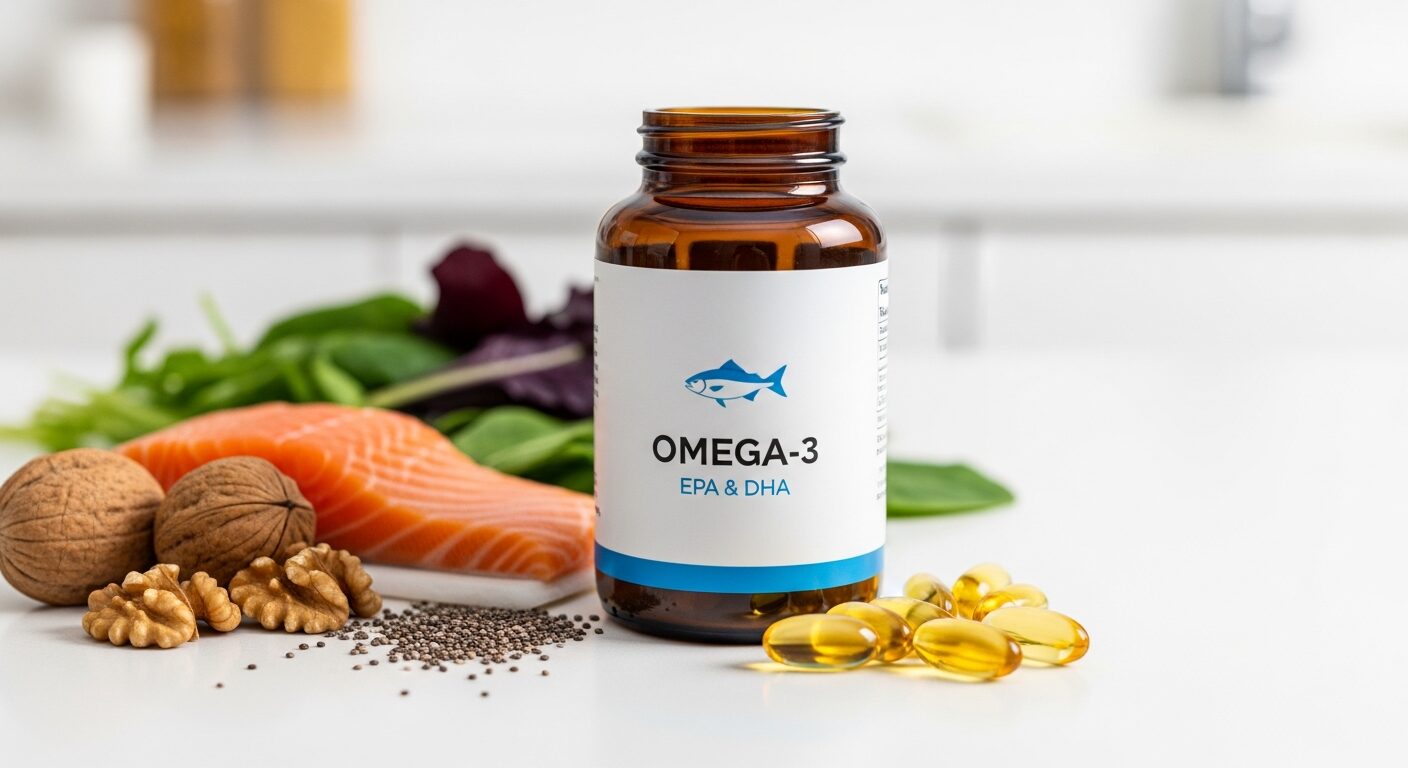
When it comes to omega-3 fatty acids, most people think they’re all the same. Pop a fish oil capsule, and you’re good to go, right? Not quite. The truth is, there are distinct types of omega-3s, each with unique roles in your body, and understanding these differences could be the key to optimizing your health strategy.
EPA (eicosapentaenoic acid) and DHA (docosahexaenoic acid) are the two most important omega-3 fatty acids found in fish oil supplements, yet they function very differently in your body. While EPA acts more like your body’s inflammation firefighter, DHA serves as the structural architect for your brain and eyes. This isn’t just biochemical trivia—these differences have real implications for which supplement might work best for your specific health goals.
In this comprehensive guide, we’ll cut through the marketing hype and examine what science actually tells us about EPA versus DHA, including some surprising misconceptions that even health professionals sometimes get wrong.
Contents
What is Omega-3
Omega-3 fatty acids are a family of polyunsaturated fats that your body cannot produce on its own, making them “essential” nutrients you must obtain from food or supplements. The name “omega-3” refers to the chemical structure—specifically, the location of the first double bond in the fatty acid chain, which occurs three carbons from the omega (methyl) end.
There are three main types of omega-3 fatty acids: ALA (alpha-linolenic acid), EPA (eicosapentaenoic acid), and DHA (docosahexaenoic acid). ALA is found primarily in plant sources like flaxseeds and walnuts, while EPA and DHA are predominantly found in marine sources such as fatty fish, algae, and fish oil supplements.
Your body can convert small amounts of ALA into EPA and DHA, but this conversion is highly inefficient—typically less than 5% for EPA and even lower for DHA. This is why direct consumption of EPA and DHA through fish or supplements is considered the most effective way to increase blood levels of these crucial fatty acids.
EPA contains 20 carbon atoms with 5 double bonds, while DHA contains 22 carbon atoms with 6 double bonds. These structural differences might seem minor, but they result in vastly different biological functions. EPA is primarily used to produce signaling molecules called eicosanoids that help regulate inflammation, while DHA is preferentially incorporated into cell membranes, particularly in the brain and retina.
Key Benefits of Omega-3
The health benefits of omega-3 fatty acids are among the most extensively researched in nutritional science. These essential fats support multiple body systems through various mechanisms, from reducing inflammatory markers to maintaining cellular membrane integrity.
Cardiovascular health represents one of the most well-established benefits of omega-3s. EPA and DHA help reduce triglyceride levels, lower blood pressure modestly, and may decrease the risk of fatal heart arrhythmias. The American Heart Association recommends eating fatty fish twice weekly or considering supplements for people with coronary heart disease, based on substantial clinical evidence.
Brain and cognitive function also benefit significantly from adequate omega-3 intake. DHA, in particular, comprises about 40% of the polyunsaturated fatty acids in your brain and is crucial for maintaining neuronal membrane fluidity. Research suggests that higher DHA levels are associated with better memory, processing speed, and overall cognitive performance, especially as we age.
Mental health benefits of omega-3s have gained considerable scientific attention. EPA appears particularly effective for mood regulation, with several clinical trials showing benefits for depression when used alongside conventional treatments. The anti-inflammatory properties of EPA may help counteract the neuroinflammation often associated with mood disorders.
Eye health depends heavily on DHA, which comprises over 50% of the fatty acids in retinal membranes. Adequate DHA intake supports visual development in infants and may help prevent age-related macular degeneration in older adults. Pregnant women with higher DHA intake tend to have children with better visual acuity.
Inflammatory conditions throughout the body may benefit from omega-3 supplementation. EPA’s ability to compete with arachidonic acid in producing inflammatory mediators can help reduce chronic inflammation markers. This has implications for conditions ranging from rheumatoid arthritis to inflammatory bowel disease.
What Most People Get Wrong About Omega-3
Despite omega-3s being one of the most popular supplements worldwide, several persistent myths continue to mislead consumers and even some healthcare providers.
Myth 1: All omega-3 supplements are basically the same. This is perhaps the most costly misconception. Many people grab the cheapest fish oil without considering the EPA to DHA ratio or the form of omega-3. Research shows that EPA-dominant formulations may be more effective for mood and inflammation, while DHA-dominant products better support brain structure and development. The triglyceride form is generally better absorbed than ethyl ester forms, yet many supplements use the cheaper ethyl ester form without clear labeling.
Myth 2: You need massive doses to see benefits. More isn’t always better with omega-3s. While some studies use high doses, the optimal range for most people appears to be 1-3 grams of combined EPA and DHA daily. Taking extremely high doses (over 4 grams daily) can increase bleeding risk and may actually suppress immune function. The key is consistency and choosing the right EPA to DHA ratio for your goals, not maximizing total dose.
Myth 3: Plant-based omega-3s (ALA) work just as well as fish-based ones. While ALA from sources like flaxseed does have health benefits, the conversion to EPA and DHA is remarkably poor—often less than 5%. This means you’d need to consume massive amounts of ALA-rich foods to achieve the same blood levels of EPA and DHA that you’d get from a modest fish oil supplement. Vegetarians and vegans should consider algae-based EPA and DHA supplements rather than relying solely on ALA sources.
Myth 4: Fresh fish oil supplements don’t go rancid. Even high-quality omega-3 supplements can oxidize quickly when exposed to light, heat, or air. Rancid fish oil not only tastes terrible but may actually promote inflammation rather than reducing it. Many people don’t realize their supplements have gone bad because they swallow capsules whole. The “burp test” is real—if you’re getting fishy burps hours after taking your supplement, it may be oxidized.
What Happens to Your Body After 30 Days of Taking Omega-3
Understanding the timeline of omega-3 supplementation can help set realistic expectations and maintain consistency during the initial weeks when benefits may not be immediately obvious.
Week 1: Cellular Integration Begins During the first week, omega-3 fatty acids begin incorporating into cell membranes throughout your body. Blood levels of EPA and DHA start rising within days of supplementation, but tissue levels change more gradually. Some people notice reduced joint stiffness or slightly improved mood, though these early effects are often subtle and may be partially psychological. Your body also begins shifting its inflammatory balance as EPA competes with omega-6 fatty acids for enzyme binding sites.
Week 2: Noticeable Anti-Inflammatory Effects By the second week, many people report more noticeable changes. Joint comfort often improves as inflammatory markers begin declining. Sleep quality may improve, particularly if inflammation was contributing to sleep disruption. Some individuals notice their skin feels less dry or irritated. Triglyceride levels begin declining in those with elevated levels, though this change requires blood testing to detect.
Weeks 3-4: Full System Integration The most significant benefits typically emerge during weeks three and four. Mood improvements become more consistent and noticeable, particularly for those using EPA-rich formulations. Cognitive benefits like improved focus and memory may become apparent, especially in older adults or those with previous deficiencies. Cardiovascular benefits, including modest improvements in blood pressure and heart rate variability, are typically measurable by this point. Omega-3 fatty acids and cardiovascular disease: effects on risk factors, molecular pathways, and clinical events, 2013 demonstrates that these cardiovascular changes can occur within 4-6 weeks of supplementation.
It’s important to note that maximum benefits often take 2-3 months to fully develop, as omega-3s slowly replace other fatty acids in cell membranes throughout the body. Brain tissue changes particularly slowly, which is why cognitive and mood benefits may continue improving for several months.
Who Should NOT Take Omega-3
While omega-3 supplements are generally safe for most people, certain individuals should exercise caution or avoid them entirely without medical supervision.
People on Blood-Thinning Medications should consult their healthcare provider before taking omega-3 supplements. High doses of EPA and DHA can enhance the effects of anticoagulant medications like warfarin, potentially increasing bleeding risk. Even over-the-counter medications like aspirin may interact with high-dose omega-3s. If you’re scheduled for surgery, most surgeons recommend stopping fish oil supplements 1-2 weeks beforehand.
Individuals with Fish or Seafood Allergies need to be particularly careful with fish oil supplements. While highly purified fish oils typically contain minimal allergenic proteins, reactions can still occur. Algae-based omega-3 supplements may be a safer alternative, but always consult with an allergist first.
People with Certain Medical Conditions should seek medical guidance before supplementing. Those with bleeding disorders, such as hemophilia, face increased bleeding risks. Individuals with bipolar disorder should be monitored, as omega-3s may interact with mood-stabilizing medications. People with diabetes should monitor blood sugar levels, as omega-3s may affect glucose metabolism in some individuals.
Pregnant and Breastfeeding Women have special considerations. While omega-3s are crucial for fetal development, the source matters. High-mercury fish oils should be avoided, and doses should be moderate. DHA is particularly important during pregnancy for brain and eye development, but EPA doses above 2.7 grams daily are not recommended during pregnancy.
Anyone taking more than 3 grams of combined EPA and DHA daily should do so under medical supervision, as this exceeds the generally recognized safe upper limit for self-supplementation.
Dosage and Best Forms
Determining the optimal omega-3 dosage depends on your individual health goals, current diet, and existing omega-3 status. Most research supports a daily intake of 1-3 grams of combined EPA and DHA for general health maintenance.
For cardiovascular health, the American Heart Association suggests 1 gram daily of combined EPA and DHA for people with coronary heart disease. For triglyceride reduction, higher doses of 2-4 grams daily may be necessary under medical supervision. Marine omega-3 supplementation and cardiovascular disease, 2019 provides comprehensive dosing guidelines based on clinical outcomes.
Mental health applications often require EPA-dominant formulations. Studies showing benefits for depression typically use 1-2 grams of EPA daily, often with lower amounts of DHA. The ratio matters—some research suggests EPA to DHA ratios of 2:1 or higher may be most effective for mood support.
For brain health and cognitive function, DHA becomes more important. Doses of 1-2 grams of DHA daily appear most beneficial for maintaining cognitive function and supporting brain health as we age.
The form of omega-3 significantly affects absorption. Triglyceride forms are generally better absorbed than ethyl ester forms, particularly when taken with meals containing fat. Phospholipid forms, such as krill oil, may have superior bioavailability but are typically more expensive.
Timing matters for absorption and tolerance. Taking omega-3s with meals, particularly those containing fat, significantly improves absorption and reduces the likelihood of digestive upset or fishy aftertaste.
🌿 Looking for Omega-3 Supplements?
Browse top-rated Omega-3 supplements, independently tested and recommended by our editorial team.
Affiliate disclosure: We may earn a small commission at no extra cost to you.
Frequently Asked Questions
Can I get enough omega-3 from food alone?
It’s possible but challenging for most people. You’d need to eat fatty fish like salmon, mackerel, or sardines 2-3 times per week to meet optimal EPA and DHA levels. Unfortunately, most Americans consume far less than this. Additionally, concerns about mercury and other contaminants in fish make supplements an attractive option for consistent, clean omega-3 intake.
Should I choose EPA or DHA dominant supplements?
Your choice should align with your primary health goals. EPA-dominant formulations (2:1 EPA to DHA or higher) appear more effective for mood support, inflammation reduction, and cardiovascular health. DHA-dominant supplements better support brain structure, eye health, and cognitive function. For general health, a balanced ratio of roughly 1.5:1 EPA to DHA works well for most people.
How do I know if my omega-3 supplement is fresh?
Fresh omega-3 supplements should have minimal fishy smell or taste. If you experience strong fishy burps hours after taking your supplement, it may be oxidized. Store supplements in a cool, dark place and check expiration dates. Some manufacturers include antioxidants like vitamin E to prevent rancidity. Consider refrigerating liquid fish oils to extend freshness.
Is it better to take omega-3 supplements in the morning or evening?
Timing is less important than consistency and taking them with food. Some people prefer morning to avoid any potential fishy taste throughout the day, while others find evening dosing helps with sleep quality. The most important factor is taking them with a meal containing fat to maximize absorption. Choose a time you can stick with consistently.
Can children take omega-3 supplements?
Yes, but dosing should be adjusted for body weight and age. Omega-3 fatty acids for child and adolescent psychiatry, 2020 shows benefits for children with ADHD and other conditions. Generally, children can safely take 500-1000mg of combined EPA and DHA daily, but consult with a pediatrician first. Many companies make child-friendly formulations with appropriate dosing and better taste.
Medical Disclaimer
This article is for informational purposes only and does not constitute medical advice. The information provided should not be used to diagnose, treat, cure, or prevent any disease or medical condition. Individual responses to omega-3 supplementation may vary significantly based on genetics, health status, medications, and other factors.
Before starting any omega-3 supplement regimen, especially if you have existing medical conditions, take medications, or are pregnant or breastfeeding, consult with a qualified healthcare provider. This is particularly important if you have bleeding disorders, are taking anticoagulant medications, or are scheduled for surgery.
The dosage recommendations provided are general guidelines based on published research and should not replace personalized medical advice. Your healthcare provider can help determine the appropriate type, dose, and duration of omega-3 supplementation based on your individual health needs and goals.
If you experience any adverse reactions while taking omega-3 supplements, discontinue use and consult with a healthcare professional immediately. While serious side effects are rare, they can occur, particularly at high doses or in sensitive individuals.