
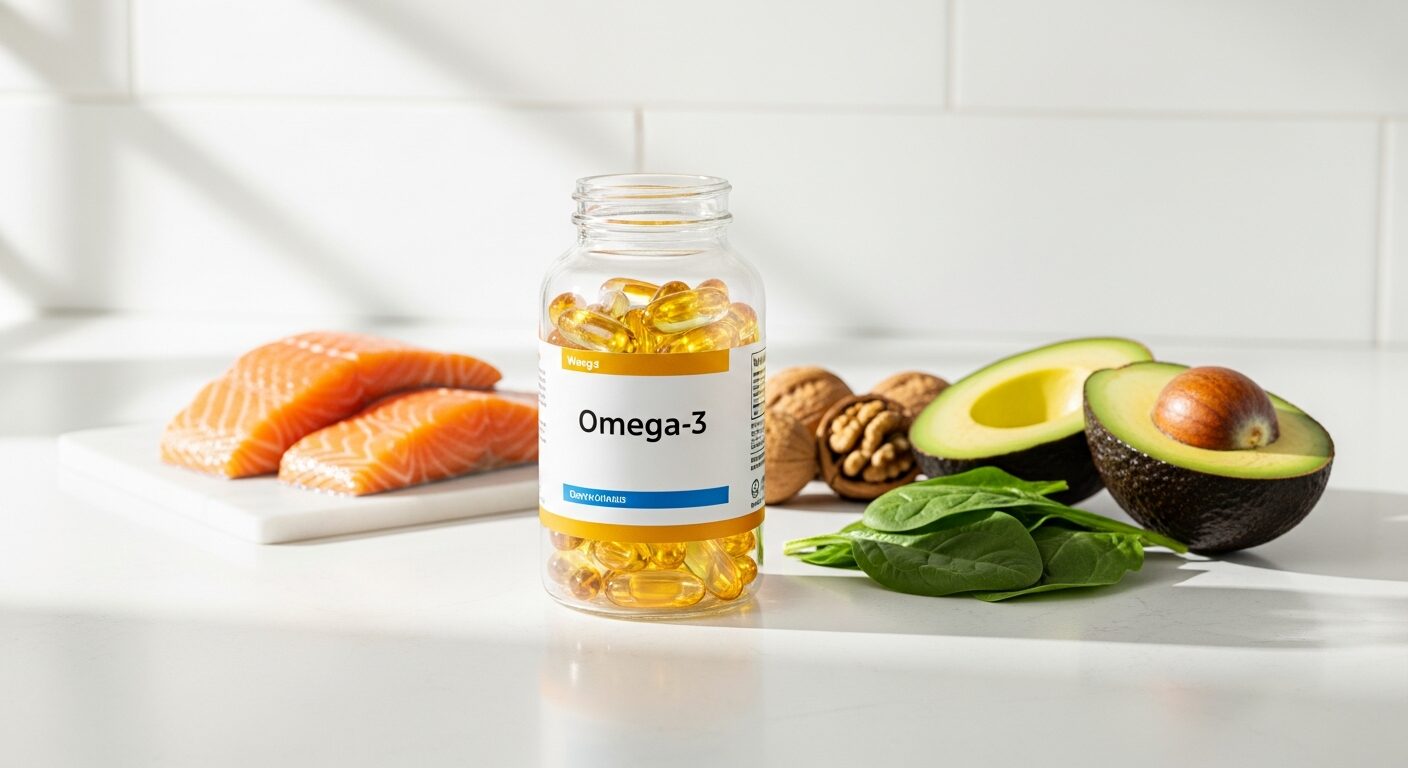
Depression affects over 280 million people worldwide, making it one of the most prevalent mental health conditions of our time. While traditional treatments like therapy and medication remain cornerstone approaches, researchers have increasingly turned their attention to nutritional interventions that might support mental wellness. Among these, omega-3 fatty acids have emerged as particularly promising, with mounting evidence suggesting these essential fats play a crucial role in brain health and mood regulation.
The relationship between omega-3s and depression isn’t just theoretical—it’s grounded in decades of clinical research and neurobiological studies. From population-based observations showing lower depression rates in countries with high fish consumption to controlled trials demonstrating measurable improvements in depressive symptoms, the scientific community has built a compelling case for omega-3’s therapeutic potential. Understanding this research, along with the practical implications for supplementation, could be transformative for anyone seeking evidence-based approaches to mental health support.
Contents
What is Omega-3
Omega-3 fatty acids are a family of polyunsaturated fats that are essential for human health, meaning our bodies cannot produce them and must obtain them through diet or supplementation. The three most important types are alpha-linolenic acid (ALA), found primarily in plant sources like flaxseeds and walnuts; eicosapentaenoic acid (EPA), abundant in fatty fish and algae; and docosahexaenoic acid (DHA), also concentrated in marine sources and crucial for brain structure and function.
These fatty acids serve as building blocks for cellular membranes throughout the body, with particularly high concentrations in brain tissue. EPA and DHA make up approximately 20% of the brain’s dry weight, where they influence membrane fluidity, neurotransmitter production, and inflammatory responses. This structural importance explains why omega-3 deficiency can have profound effects on cognitive function and mood regulation, as the brain literally depends on these fats to maintain optimal performance.
Key Benefits of Omega-3
The therapeutic benefits of omega-3 fatty acids extend far beyond depression, though their impact on mental health remains one of the most extensively studied areas. Freeman et al., 2010 conducted a comprehensive meta-analysis revealing that omega-3 supplementation significantly reduced depressive symptoms across multiple clinical trials, with EPA showing particular efficacy at doses of 1-2 grams daily.
Beyond mood enhancement, omega-3s demonstrate remarkable anti-inflammatory properties that benefit both physical and mental health. Chronic inflammation has been increasingly linked to depression, with elevated inflammatory markers like C-reactive protein and interleukin-6 commonly observed in depressed patients. Omega-3 fatty acids help counteract this inflammatory cascade by promoting the production of specialized pro-resolving mediators, compounds that actively resolve inflammation rather than simply suppressing it.
Cardiovascular benefits represent another well-established advantage, with omega-3s reducing triglyceride levels, improving blood vessel function, and potentially lowering heart disease risk. The brain-heart connection is particularly relevant for depression, as cardiovascular disease and mood disorders frequently co-occur, suggesting shared underlying mechanisms that omega-3s may help address simultaneously.
Cognitive function also benefits from adequate omega-3 intake, with studies showing improvements in memory, attention, and processing speed. These cognitive enhancements may contribute to depression recovery by helping individuals better engage with therapeutic interventions and daily activities that support mental wellness.
What Most People Get Wrong About Omega-3
Myth 1: All omega-3s are the same
Many people assume that any omega-3 supplement will provide identical benefits, but research reveals significant differences between EPA, DHA, and ALA. While ALA from plant sources offers general health benefits, the conversion rate to EPA and DHA is extremely low—typically less than 5% for EPA and even less for DHA. For depression specifically, EPA appears to be the most therapeutically active form, with studies showing superior antidepressant effects compared to DHA-dominant formulations. This explains why some people experience dramatic improvements with certain omega-3 products while others see minimal benefits.
Myth 2: More is always better
The supplement industry often promotes mega-doses of omega-3s, but research suggests a therapeutic window exists for depression treatment. Studies indicate that EPA doses between 1-2 grams daily provide optimal antidepressant effects, while higher doses don’t necessarily enhance benefits and may increase the risk of side effects like bleeding complications. Additionally, the EPA to DHA ratio matters significantly, with formulations containing at least 60% EPA showing superior results for mood disorders compared to balanced or DHA-heavy products.
Myth 3: Fish oil supplements are identical to eating fish
While whole fish consumption correlates with lower depression rates in population studies, this doesn’t mean fish oil supplements provide identical benefits. Fish contains numerous co-factors including vitamin D, selenium, and complete proteins that may work synergistically with omega-3s. However, supplements offer advantages in terms of concentrated EPA/DHA content and absence of potential contaminants like mercury. The key is understanding that supplements aren’t perfect substitutes for whole foods but rather targeted interventions that can provide therapeutic doses difficult to achieve through diet alone.
Myth 4: Omega-3s work immediately like pharmaceutical antidepressants
Unlike prescription antidepressants that begin altering neurotransmitter levels within hours, omega-3s work through structural changes in cell membranes and gradual shifts in inflammatory markers. This biological reality means expecting immediate mood improvements leads to premature discontinuation of potentially beneficial supplementation. Grosso et al., 2014 demonstrated that significant antidepressant effects typically emerge after 6-8 weeks of consistent supplementation, emphasizing the importance of patience and adherence to supplementation protocols.
What Happens to Your Body After 30 Days of Taking Omega-3
Week 1: Cellular Integration Begins
During the first week of omega-3 supplementation, these fatty acids begin incorporating into cell membranes throughout your body, particularly in brain tissue. While you likely won’t notice dramatic mood changes yet, sensitive individuals may experience subtle improvements in sleep quality or reduced feelings of mental fatigue. Blood levels of EPA and DHA start rising, though they haven’t reached therapeutic thresholds. Some people report mild digestive adjustments as their system adapts to increased fat intake.
Week 2: Anti-Inflammatory Effects Emerge
By the second week, omega-3s begin exerting measurable anti-inflammatory effects. Blood markers like C-reactive protein may start declining, though these changes occur below the threshold of conscious awareness. Early responders might notice improved mood stability—fewer dramatic emotional swings and a slight increase in resilience to daily stressors. Cognitive benefits may begin emerging, with some individuals reporting enhanced mental clarity and focus during demanding tasks.
Week 3-4: Therapeutic Benefits Manifest
The final two weeks of the first month represent the period when therapeutic benefits typically become apparent. Cell membrane omega-3 content reaches levels associated with clinical improvements in depression studies. Many people report noticeably improved mood, increased motivation, and better emotional regulation. Sleep quality often improves significantly, with deeper, more restorative rest cycles. Physical symptoms sometimes associated with depression, such as joint stiffness or fatigue, may begin diminishing as anti-inflammatory effects reach their full potential.
Research indicates that these 30-day changes represent just the beginning of omega-3’s therapeutic timeline. Maximum antidepressant effects typically require 6-12 weeks of consistent supplementation, as the brain’s structural adaptations to improved fatty acid status continue evolving. Individual responses vary considerably based on baseline omega-3 status, genetic factors affecting fatty acid metabolism, and the severity of depressive symptoms.
Who Should NOT Take Omega-3
While omega-3 supplements are generally considered safe for most people, several important contraindications and precautions warrant careful consideration. Individuals taking anticoagulant medications like warfarin, heparin, or newer blood thinners should exercise particular caution, as omega-3s can enhance bleeding risk when combined with these drugs. This interaction becomes especially concerning before surgical procedures, where excessive bleeding could pose serious complications.
People with seafood or fish allergies need to carefully evaluate omega-3 supplements, though many can safely use highly purified fish oil or algae-based alternatives. However, those with severe allergic reactions should consult allergists before beginning any marine-derived supplements. Additionally, individuals with certain bleeding disorders or those who bruise easily may find that omega-3 supplementation exacerbates these tendencies.
Pregnant and breastfeeding women occupy a unique category requiring specialized guidance. While omega-3s are crucial for fetal brain development, concerns about mercury contamination and optimal dosing make professional supervision essential. Similarly, elderly individuals often take multiple medications that could interact with omega-3s, making medical consultation particularly important for this population.
Certain medical conditions warrant extra caution, including active liver disease, severe diabetes with poor glycemic control, and individuals with manic episodes in bipolar disorder, as some studies suggest omega-3s might trigger mood elevation in susceptible patients. Anyone considering omega-3 supplementation for depression should consult healthcare providers, especially when currently taking psychiatric medications or experiencing severe depressive symptoms requiring immediate professional intervention.
Dosage and Best Forms
Research-based dosing for depression treatment typically centers around 1-2 grams of EPA daily, with most successful clinical trials using formulations containing 60-70% EPA relative to DHA. Liao et al., 2019 found that EPA-dominant formulations consistently outperformed balanced or DHA-heavy supplements for depressive symptoms, suggesting that specific ratios matter more than total omega-3 content.
Triglyceride form omega-3s demonstrate superior bioavailability compared to ethyl ester forms commonly found in cheaper supplements. This molecular structure allows for better absorption and tissue incorporation, potentially requiring lower doses to achieve therapeutic effects. Additionally, taking omega-3 supplements with meals containing some fat further enhances absorption and reduces the likelihood of digestive discomfort.
Quality considerations include third-party testing for contaminants, proper storage to prevent oxidation, and molecular distillation to remove potential toxins. Supplements should provide clear EPA and DHA content per serving, allowing for precise dosing adjustments based on individual response and therapeutic goals.
🌿 Looking for Omega-3 Supplements?
Browse top-rated Omega-3 supplements, independently tested and recommended by our editorial team.
Affiliate disclosure: We may earn a small commission at no extra cost to you.
Frequently Asked Questions
How long does it take for omega-3 to help with depression?
Most clinical studies show meaningful improvements in depressive symptoms after 6-8 weeks of consistent supplementation. However, some individuals notice subtle mood improvements within 2-3 weeks, while others may require 10-12 weeks to experience significant benefits. The timeline depends on baseline omega-3 status, supplement quality, dosing, and individual metabolic factors.
Can I take omega-3 with antidepressant medications?
Many studies have safely combined omega-3 supplements with standard antidepressant medications, often showing enhanced therapeutic effects. However, you should always consult your prescribing physician before adding any supplement to your medication regimen, as individual circumstances vary and professional monitoring ensures safety and optimal outcomes.
What’s the difference between fish oil and omega-3 supplements?
Fish oil is one source of omega-3 fatty acids, but omega-3 supplements can also derive from algae, krill, or concentrated fish sources. The key factors are EPA and DHA content, purity, and molecular form rather than the specific source. Algae-based omega-3s offer excellent alternatives for vegetarians or those with fish allergies.
Should I take omega-3 on an empty stomach?
Taking omega-3 supplements with meals, particularly those containing some dietary fat, significantly improves absorption and reduces the likelihood of digestive upset or fishy aftertaste. The fat content in meals helps emulsify the omega-3s, making them more bioavailable to your body.
Can too much omega-3 be harmful for depression?
While omega-3s are generally safe, excessive doses above 3-4 grams daily may increase bleeding risk and could potentially suppress immune function. For depression, research suggests that 1-2 grams of EPA daily provides optimal benefits, with higher doses not necessarily offering additional therapeutic advantages.
Medical Disclaimer
This article is for informational purposes only and does not constitute medical advice. Depression is a serious medical condition that requires professional evaluation and treatment. Omega-3 supplements should not replace prescribed medications or professional mental health care without physician guidance. Individual responses to supplementation vary significantly, and what works for one person may not be appropriate for another.
Always consult with qualified healthcare providers before starting any supplement regimen, especially if you have existing medical conditions, take medications, or experience severe depressive symptoms. If you’re having thoughts of self-harm or suicide, seek immediate professional help from mental health professionals or emergency services. This information has not been evaluated by the FDA and is not intended to diagnose, treat, cure, or prevent any disease.