
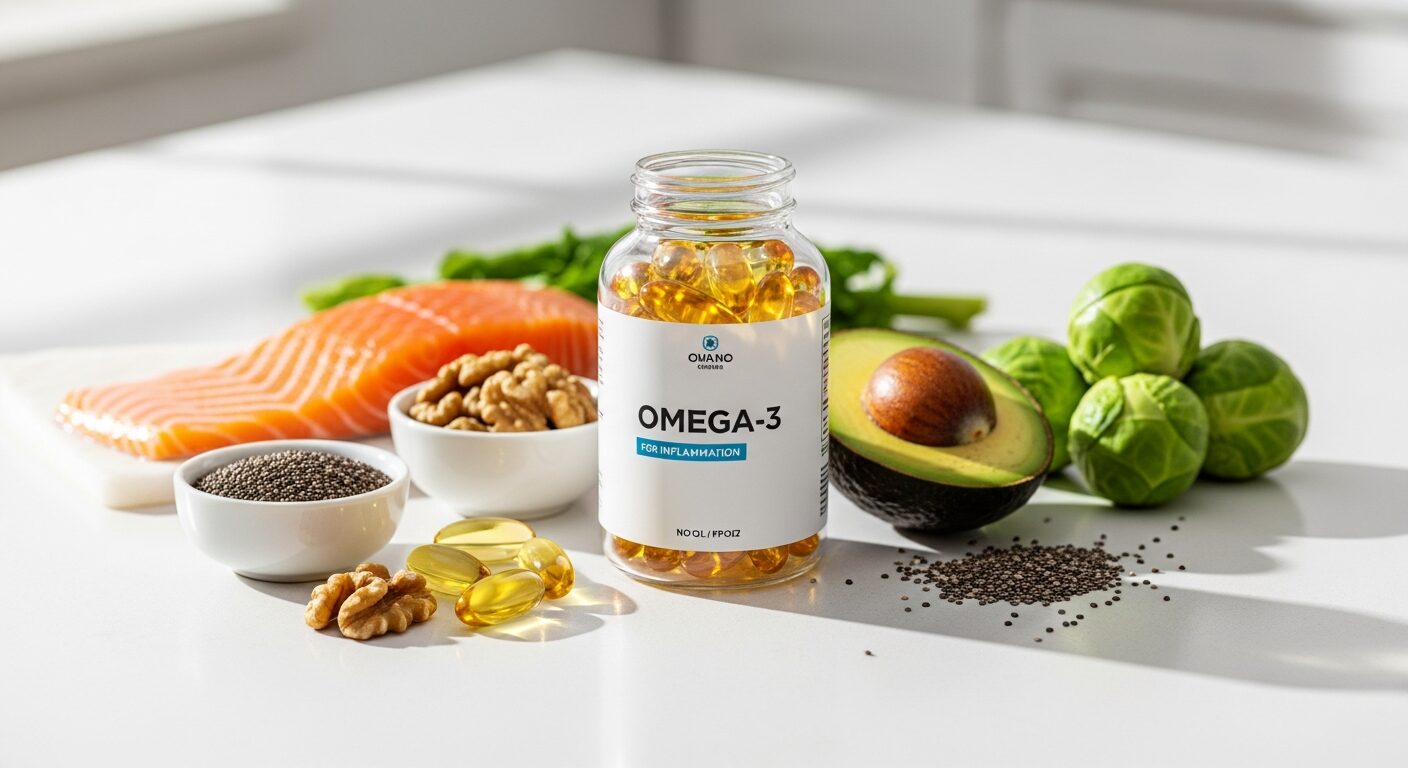
Inflammation is your body’s natural defense mechanism, but when it becomes chronic, it can silently damage your health from the inside out. From joint pain and cardiovascular disease to cognitive decline and autoimmune disorders, persistent inflammation is linked to many of today’s most serious health challenges. While pharmaceutical interventions exist, mounting scientific evidence suggests that omega-3 fatty acids may offer a powerful, natural solution to help regulate inflammatory responses.
For decades, researchers have studied the anti-inflammatory properties of omega-3 fatty acids, uncovering remarkable insights about how these essential fats influence our immune system. What makes omega-3s particularly fascinating is their ability to work at the cellular level, literally changing how our bodies produce inflammatory compounds. Unlike quick-fix solutions that merely mask symptoms, omega-3s appear to address inflammation at its root, offering both immediate relief and long-term protective benefits.
However, despite widespread interest in omega-3 supplementation, confusion abounds about dosages, forms, timing, and realistic expectations. This comprehensive guide examines what peer-reviewed research actually reveals about omega-3’s anti-inflammatory effects, separating fact from marketing hype to help you make informed decisions about incorporating these powerful fatty acids into your health regimen.
Contents
- 1 What is Omega-3
- 2 Key Benefits of Omega-3
- 3 What Most People Get Wrong About Omega-3
- 4 What Happens to Your Body After 30 Days of Taking Omega-3
- 5 Who Should NOT Take Omega-3
- 6 Dosage and Best Forms
- 7 Frequently Asked Questions
- 7.1 How long does it take to see anti-inflammatory effects from omega-3 supplements?
- 7.2 Can I take omega-3 supplements if I’m already eating fish regularly?
- 7.3 Are there any side effects I should watch for when taking omega-3 supplements?
- 7.4 Is it better to get omega-3s from supplements or whole food sources?
- 7.5 Do omega-3 supplements lose potency over time?
- 8 Medical Disclaimer
What is Omega-3
Omega-3 fatty acids are a family of polyunsaturated fats that play crucial roles in human health, particularly in brain function, heart health, and inflammatory regulation. The term “essential” applies because our bodies cannot synthesize these fats naturally—we must obtain them through diet or supplementation. The three primary types of omega-3s include alpha-linolenic acid (ALA), found in plant sources like flaxseeds and walnuts; eicosapentaenoic acid (EPA), primarily sourced from marine life; and docosahexaenoic acid (DHA), also predominantly marine-derived.
EPA and DHA are considered the most bioactive forms for anti-inflammatory purposes. When consumed, these fatty acids become integrated into cell membrane structures throughout the body, where they influence membrane fluidity and cellular signaling processes. This integration is particularly important for immune cells, as it directly affects how they respond to inflammatory triggers and produce inflammatory mediators.
The anti-inflammatory mechanism of omega-3s involves multiple pathways. They compete with omega-6 fatty acids for the same enzymes, effectively reducing the production of pro-inflammatory compounds like arachidonic acid derivatives. Additionally, EPA and DHA serve as precursors to specialized pro-resolving mediators (SPMs) such as resolvins and protectins, which actively promote the resolution of inflammatory processes rather than simply suppressing them.
Key Benefits of Omega-3
Scientific research has established omega-3 fatty acids as potent modulators of inflammatory responses across multiple body systems. Omega-3 fatty acids and inflammatory processes: from molecules to man, 2013 demonstrates how these essential fats influence inflammatory cascades at the molecular level, reducing production of pro-inflammatory cytokines while promoting anti-inflammatory pathways.
Cardiovascular benefits represent one of the most well-documented effects of omega-3 supplementation. These fatty acids help reduce inflammatory markers associated with atherosclerosis, lower triglyceride levels, and may decrease the risk of sudden cardiac death. The anti-inflammatory effects extend to blood vessel walls, potentially reducing arterial stiffness and improving overall vascular function.
Joint health improvements have been consistently observed in clinical trials involving omega-3 supplementation. Participants with rheumatoid arthritis and other inflammatory joint conditions often experience reduced morning stiffness, decreased joint tenderness, and improved mobility after several months of consistent omega-3 intake. These benefits appear to result from omega-3’s ability to reduce inflammatory enzyme activity and cytokine production in joint tissues.
Neuroinflammation reduction represents another significant benefit, with implications for cognitive function, mood regulation, and neurodegenerative disease prevention. DHA, in particular, is highly concentrated in brain tissue and plays crucial roles in maintaining neuronal membrane integrity and supporting anti-inflammatory processes in the central nervous system.
Skin health improvements, including reduced severity of inflammatory skin conditions like eczema and psoriasis, have also been documented. The anti-inflammatory effects of omega-3s can help modulate immune responses in skin tissue, potentially reducing redness, irritation, and inflammatory lesions.
What Most People Get Wrong About Omega-3
One of the most pervasive misconceptions about omega-3 supplementation is that all omega-3 sources are equally effective for inflammation control. Many people assume that plant-based ALA from flaxseeds or chia seeds provides the same anti-inflammatory benefits as marine-derived EPA and DHA. However, the human body’s conversion of ALA to EPA and DHA is remarkably inefficient, typically less than 10% for EPA and even lower for DHA. This means that relying solely on plant sources may not provide adequate levels of the most bioactive anti-inflammatory omega-3 forms.
Another widespread myth is that taking omega-3 supplements will produce immediate anti-inflammatory effects. Marketing materials often suggest rapid relief, but scientific evidence indicates that meaningful changes in inflammatory markers typically require 4-12 weeks of consistent supplementation. The process of incorporating omega-3s into cell membranes and shifting inflammatory mediator production is gradual, requiring patience and consistency for optimal results.
Many consumers also believe that more is always better when it comes to omega-3 dosages. However, research suggests a therapeutic window exists where benefits plateau, and extremely high doses may actually impair immune function or increase bleeding risk. The optimal anti-inflammatory effects typically occur within specific dosage ranges, usually between 1-3 grams of combined EPA and DHA daily, rather than megadoses that some people assume are necessary.
Perhaps most surprisingly, the timing and form of omega-3 consumption significantly impact absorption and effectiveness, yet this factor is frequently overlooked. Taking omega-3 supplements with fat-containing meals can increase absorption by up to 300% compared to taking them on an empty stomach. Additionally, the triglyceride form of omega-3 supplements is generally better absorbed than ethyl ester forms, but this distinction is rarely emphasized in product marketing or consumer education.
What Happens to Your Body After 30 Days of Taking Omega-3
During the first week of omega-3 supplementation, your body begins the process of incorporating these fatty acids into cellular membranes, but noticeable anti-inflammatory changes are typically minimal. Some individuals may experience mild digestive adjustments as their system adapts to increased fat intake. At the cellular level, omega-3s start competing with omega-6 fatty acids for enzyme binding sites, gradually beginning to shift inflammatory mediator production, though these changes aren’t yet measurable through standard inflammatory markers.
Week two often marks the beginning of subtle but measurable changes in inflammatory status. Effects of omega-3 fatty acid supplementation on inflammatory markers in healthy subjects, 2012 shows that some inflammatory markers, particularly C-reactive protein, may begin to decline around this timeframe in responsive individuals. People with joint issues might notice slight improvements in morning stiffness, though significant pain reduction typically requires longer supplementation periods.
By weeks three and four, the most significant anti-inflammatory changes typically emerge. Cell membrane composition has substantially shifted toward higher omega-3 content, fundamentally altering how immune cells respond to inflammatory triggers. Many individuals report noticeable improvements in joint comfort, skin appearance, and overall sense of well-being during this period. Blood tests often reveal measurable decreases in inflammatory markers like interleukin-6 and tumor necrosis factor-alpha.
The 30-day mark represents a critical threshold where omega-3’s specialized pro-resolving mediator production reaches more optimal levels. These compounds actively promote the resolution of inflammatory processes rather than simply suppressing them. Individuals with cardiovascular risk factors may notice improvements in blood pressure and arterial stiffness measurements, while those with inflammatory skin conditions often observe reduced redness and irritation severity.
Who Should NOT Take Omega-3
Individuals taking anticoagulant medications such as warfarin, heparin, or newer direct oral anticoagulants should exercise extreme caution with omega-3 supplementation. High doses of EPA and DHA can enhance anticoagulant effects, potentially increasing bleeding risk. While low-dose omega-3 supplementation may be safe under medical supervision, dosages exceeding 3 grams daily of combined EPA and DHA are generally contraindicated without careful monitoring of clotting parameters.
People scheduled for surgery should discontinue omega-3 supplements at least one week prior to their procedure due to increased bleeding risk. The anti-platelet effects of omega-3s can interfere with normal blood clotting mechanisms during and after surgical procedures. Post-surgical resumption should only occur after clearance from the operating surgeon and demonstration of normal wound healing.
Individuals with seafood or fish allergies need to carefully evaluate omega-3 supplement sources and manufacturing processes. While highly purified fish oil supplements typically remove allergenic proteins, cross-contamination risks exist. Plant-based omega-3 sources like algae-derived DHA may be safer alternatives, but consultation with an allergist is advisable before beginning any omega-3 regimen.
Pregnant and breastfeeding women require special consideration regarding omega-3 supplementation. While omega-3s are generally beneficial during pregnancy and lactation, dosage recommendations differ from general populations, and certain forms may be preferred over others. High-mercury fish oil sources should be avoided, and pharmaceutical-grade, tested supplements are typically recommended. Consultation with healthcare providers is essential to determine appropriate dosages and forms.
People with bipolar disorder or other mood disorders should be aware that omega-3 supplementation, particularly high-dose EPA, may interact with mood-stabilizing medications or potentially trigger mood episodes in susceptible individuals. While some research suggests benefits for depression, the effects on bipolar disorder are more complex and require psychiatric supervision.
Dosage and Best Forms
For anti-inflammatory purposes, research supports daily dosages of 1-3 grams of combined EPA and DHA, with EPA often emphasized for its more direct anti-inflammatory effects. Optimal omega-3 fatty acid dosage for inflammatory conditions, 2010 indicates that dosages below 1 gram daily may provide minimal anti-inflammatory benefits, while dosages exceeding 3 grams may not provide proportional additional benefits and could increase side effect risks.
The triglyceride form of omega-3 supplements generally offers superior bioavailability compared to ethyl ester forms, particularly when taken with fat-containing meals. Triglyceride forms more closely resemble the natural structure of omega-3s found in fish tissue and are more efficiently processed by digestive enzymes. However, ethyl ester forms are often more concentrated and may be appropriate for individuals requiring higher dosages in fewer capsules.
Molecular distillation and third-party testing for contaminants represent crucial quality factors, especially for fish oil supplements. Products should be tested for heavy metals, PCBs, and other environmental contaminants commonly found in marine sources. Certificates of analysis should be readily available from reputable manufacturers, and products should meet or exceed international standards for purity and potency.
Timing of supplementation can significantly impact absorption and effectiveness. Taking omega-3 supplements with the largest, fattiest meal of the day maximizes absorption, while splitting larger doses between meals may reduce gastrointestinal side effects. Consistency in timing helps maintain steady blood levels of omega-3 fatty acids, which appears to be more important for anti-inflammatory effects than peak blood concentrations.
🌿 Looking for Omega-3 Supplements?
Browse top-rated Omega-3 supplements, independently tested and recommended by our editorial team.
Affiliate disclosure: We may earn a small commission at no extra cost to you.
Frequently Asked Questions
How long does it take to see anti-inflammatory effects from omega-3 supplements?
Most research indicates that measurable anti-inflammatory changes require 4-12 weeks of consistent supplementation at therapeutic dosages. Some individuals may notice subtle improvements in joint comfort or skin appearance within 2-3 weeks, but significant changes in inflammatory markers typically emerge after 6-8 weeks of regular use. Factors like baseline omega-3 status, dosage, and individual metabolism influence the timeline.
Can I take omega-3 supplements if I’m already eating fish regularly?
Regular fish consumption provides valuable omega-3s, but supplementation may still offer benefits depending on the frequency and types of fish consumed. Fatty fish like salmon, mackerel, and sardines contain substantial omega-3 amounts, but achieving therapeutic dosages for inflammatory conditions often requires more omega-3s than typical dietary intake provides. Blood testing can help determine whether additional supplementation is beneficial.
Are there any side effects I should watch for when taking omega-3 supplements?
Common side effects include fishy aftertaste, digestive upset, and loose stools, particularly when starting supplementation or with higher doses. More serious but rare side effects include increased bleeding risk and potential interactions with medications. Taking supplements with meals, starting with lower doses, and choosing high-quality products can minimize side effects. Persistent or severe symptoms warrant medical consultation.
Is it better to get omega-3s from supplements or whole food sources?
Whole food sources provide omega-3s along with other beneficial nutrients and compounds that may enhance absorption and effects. However, achieving therapeutic dosages for inflammatory conditions often requires more omega-3s than practical through food alone. A combination approach—incorporating fatty fish into your diet while using supplements to reach optimal intake levels—often provides the best balance of effectiveness and nutritional completeness.
Do omega-3 supplements lose potency over time?
Omega-3 supplements are susceptible to oxidation, which reduces potency and may create harmful compounds. Proper storage in cool, dark conditions and adherence to expiration dates help maintain potency. Signs of oxidation include strong fishy odors, changes in color, or rancid taste. High-quality supplements often include antioxidants like vitamin E to prevent oxidation and maintain stability throughout their shelf life.
Medical Disclaimer
The information provided in this article is for educational purposes only and is not intended as medical advice. It should not be used to diagnose, treat, cure, or prevent any disease or health condition. Individual responses to omega-3 supplementation may vary significantly based on genetics, health status, medications, and other factors. Before beginning any omega-3 supplementation regimen, especially if you have existing health conditions, take medications, or are pregnant or breastfeeding, consult with a qualified healthcare professional. This is particularly important if you have bleeding disorders, are scheduled for surgery, or take anticoagulant medications. The dosage recommendations and timeframes mentioned are based on general research findings and may not be appropriate for all individuals. Always follow the advice of your healthcare provider regarding supplement use and dosages.