
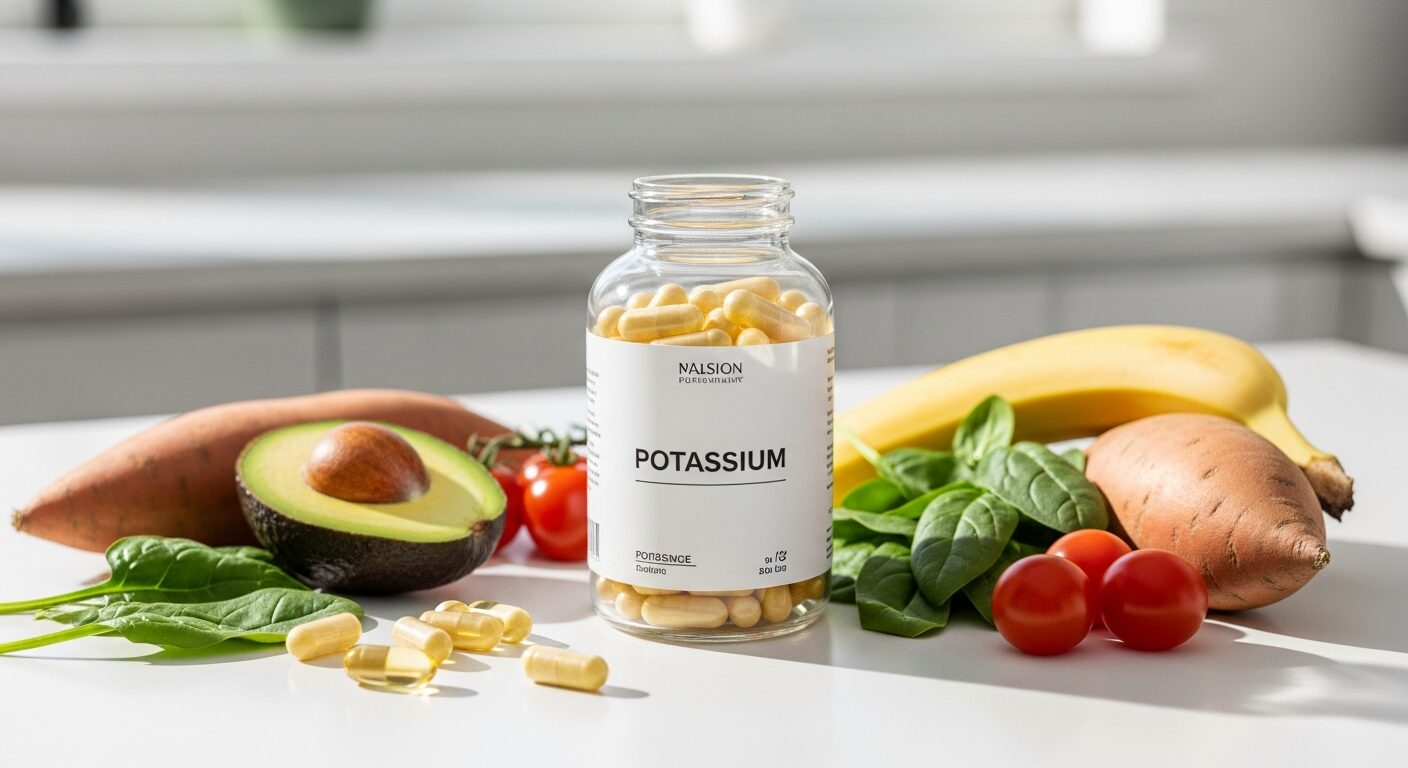
Potassium is one of the most underrated minerals in human nutrition, yet it plays a crucial role in virtually every cellular function in your body. Despite being the third most abundant mineral in the human body, an estimated 98% of Americans don’t consume enough potassium daily, creating a widespread deficiency that contributes to numerous health issues including high blood pressure, kidney stones, and cardiovascular disease.
This essential electrolyte works tirelessly behind the scenes to regulate fluid balance, support proper muscle and nerve function, and maintain healthy blood pressure levels. Unlike sodium, which gets plenty of attention for its role in hypertension, potassium often remains in the shadows despite being equally important for cardiovascular health. Understanding what potassium does, how much you need, and the best ways to maintain optimal levels can be transformative for your overall health and wellbeing.
In this comprehensive guide, we’ll explore the science behind potassium, debunk common misconceptions, and provide practical insights into supplementation that can help you make informed decisions about this vital mineral.
Contents
What is Potassium
Potassium is an essential mineral and electrolyte that carries a positive electrical charge when dissolved in body fluids. Scientifically known by its chemical symbol K (from the Latin word kalium), potassium is classified as a macro-mineral, meaning your body needs it in relatively large amounts compared to trace minerals like zinc or selenium.
In the human body, potassium exists primarily as an intracellular cation, meaning about 98% of your body’s potassium resides inside your cells rather than in the bloodstream. This intracellular concentration is maintained at approximately 140 milliequivalents per liter, which is roughly 30 times higher than the concentration found in extracellular fluid. This dramatic concentration gradient is actively maintained by cellular pumps and is essential for proper cellular function.
The primary functions of potassium include regulating fluid balance, enabling proper muscle contractions (including the heart muscle), supporting nerve signal transmission, and helping to counterbalance sodium’s effects on blood pressure. Potassium works in close partnership with sodium through the sodium-potassium pump, a cellular mechanism that maintains the electrical potential across cell membranes necessary for nerve impulses and muscle contractions.
Your kidneys are the primary regulators of potassium balance, filtering excess potassium from the blood and adjusting excretion rates based on your body’s needs. When potassium intake is low, the kidneys can conserve potassium to some degree, but this conservation mechanism is not as efficient as it is for sodium, making consistent dietary intake crucial for maintaining optimal levels.
Key Benefits of Potassium
Cardiovascular health represents one of potassium’s most significant benefits. Research consistently shows that adequate potassium intake helps lower blood pressure by counteracting sodium’s hypertensive effects and supporting proper vascular function. The mineral helps relax blood vessel walls and assists in the elimination of excess sodium through the kidneys, creating a dual mechanism for blood pressure regulation.
Muscle function and exercise performance are directly dependent on adequate potassium levels. This mineral is essential for proper muscle contractions and helps prevent muscle cramps and fatigue during physical activity. Athletes and active individuals often experience improved performance and faster recovery when maintaining optimal potassium status, as the mineral supports efficient energy metabolism within muscle cells.
Bone health benefits from adequate potassium intake through multiple mechanisms. Potassium helps neutralize acid in the body, reducing the need for bones to release calcium and other minerals as buffering agents. Additionally, potassium may enhance calcium absorption and reduce calcium excretion through the kidneys, contributing to stronger bone density over time.
Kidney stone prevention is another well-documented benefit of potassium supplementation. The mineral helps reduce calcium excretion in urine and may bind with oxalate in the digestive tract, reducing the formation of calcium oxalate kidney stones, which account for about 80% of all kidney stones.
Neurological function relies heavily on potassium for proper nerve signal transmission. Adequate levels support cognitive function, help maintain proper nerve conduction velocity, and may reduce the risk of stroke. The brain’s electrical activity depends on the sodium-potassium gradient maintained across nerve cell membranes.
What Most People Get Wrong About Potassium
One of the most persistent myths about potassium is that bananas are the best source. While bananas do contain potassium (about 420mg per medium banana), many other foods provide significantly more. A medium baked potato with skin contains nearly twice as much potassium as a banana, and foods like white beans, spinach, and avocados are all superior sources. This banana fixation often leads people to believe they’re getting adequate potassium when they’re actually falling far short of daily requirements.
Another widespread misconception is that potassium supplements are dangerous and should be avoided. This belief stems from the fact that prescription potassium supplements can indeed be dangerous if misused, but the over-the-counter supplements limited to 99mg per serving are generally safe for most people. The confusion arises because many people don’t understand the difference between therapeutic doses prescribed for specific medical conditions and nutritional supplementation for general health maintenance.
Many people incorrectly believe that if they don’t have high blood pressure, they don’t need to worry about potassium intake. Research published in 2021 demonstrates that potassium benefits extend far beyond blood pressure regulation, including bone health, kidney function, and metabolic processes. The mineral is involved in hundreds of enzymatic reactions and cellular processes that affect every organ system, making adequate intake important regardless of current blood pressure status.
A particularly dangerous misconception is that you can’t get too much potassium from food sources. While potassium toxicity from whole foods is extremely rare in healthy individuals, people with kidney disease or those taking certain medications can indeed consume dangerous amounts through food alone. This myth can lead to dangerous situations where individuals with compromised kidney function continue consuming high-potassium foods without medical supervision.
The belief that salt substitutes are always safe because they contain potassium instead of sodium represents another critical misunderstanding. While these products can be beneficial for many people, they often contain concentrated amounts of potassium chloride that can be dangerous for individuals with kidney problems, heart conditions, or those taking ACE inhibitors, diuretics, or other medications that affect potassium levels.
What Happens to Your Body After 30 Days of Taking Potassium
During the first week of consistent potassium supplementation or increased dietary intake, your body begins the process of restoring optimal cellular concentrations. Initial changes are primarily internal and may not be immediately noticeable. Your kidneys adjust their filtration and retention rates, and cellular pumps begin working more efficiently. Some individuals may notice slight changes in energy levels or reduced muscle cramping during exercise, particularly if they were significantly deficient before starting supplementation.
Week two often brings more noticeable effects as your body’s potassium stores become more adequate. Studies show that blood pressure improvements can begin within 1-2 weeks of increased potassium intake in individuals with elevated blood pressure. Exercise performance may improve as muscle cells function more efficiently, and some people report better sleep quality, possibly due to improved muscle relaxation and reduced nighttime cramping.
By weeks three and four, the full benefits of optimal potassium status typically become apparent. Cardiovascular improvements stabilize, with consistent blood pressure readings reflecting the mineral’s ongoing effects on vascular function and sodium balance. Energy levels often normalize as cellular energy production becomes more efficient. Individuals who previously experienced frequent muscle cramps, particularly nocturnal leg cramps, usually see significant improvement or complete resolution of symptoms.
Research indicates that the body’s adaptation to improved potassium status involves changes in kidney function, with improved sodium excretion and better overall electrolyte balance. Some studies suggest that cognitive function may also improve as nerve conduction becomes more efficient with optimal potassium levels. However, it’s important to note that dramatic changes suggest either a significant previous deficiency or that supplementation levels may be too high and require medical evaluation.
Who Should NOT Take Potassium
Individuals with chronic kidney disease represent the most important group who should avoid potassium supplementation without strict medical supervision. Damaged kidneys cannot effectively filter excess potassium from the blood, leading to hyperkalemia, a potentially life-threatening condition that can cause dangerous heart rhythm abnormalities. Even mild kidney impairment can significantly affect potassium handling, making medical monitoring essential.
People taking certain medications must exercise extreme caution with potassium supplementation. ACE inhibitors, ARBs (angiotensin receptor blockers), potassium-sparing diuretics, and NSAIDs can all increase blood potassium levels. The combination of these medications with potassium supplements can quickly lead to dangerous hyperkalemia. Heart medications like digitalis also interact with potassium levels, making supplementation potentially hazardous without medical oversight.
Individuals with Addison’s disease or other adrenal disorders should avoid potassium supplementation due to their impaired ability to regulate electrolyte balance. Similarly, people with certain heart conditions, particularly those with heart block or other conduction abnormalities, may be at increased risk from potassium supplementation, as changes in potassium levels can affect heart rhythm.
Pregnant and breastfeeding women should consult healthcare providers before taking potassium supplements, though dietary sources are generally safe and encouraged. Elderly individuals, who are more likely to have kidney impairment or take multiple medications, should have their kidney function and medication list reviewed before beginning supplementation.
Anyone experiencing symptoms of hyperkalemia, including muscle weakness, fatigue, nausea, or irregular heartbeat, should discontinue potassium supplementation immediately and seek medical attention. Regular blood tests are recommended for anyone taking potassium supplements long-term, particularly those over 65 or with any underlying health conditions.
Dosage and Best Forms
The recommended daily intake for potassium varies by age and gender, with adult men requiring approximately 3,400mg daily and adult women needing about 2,600mg daily according to current dietary guidelines. However, many nutrition experts argue these amounts may be conservative, with some research suggesting optimal intake may be closer to 4,000-4,700mg daily for most adults.
Over-the-counter potassium supplements are limited to 99mg per serving due to safety regulations, which means achieving therapeutic doses through supplementation alone requires multiple pills throughout the day. This limitation exists because higher doses can cause gastrointestinal irritation and potentially dangerous blood potassium spikes if absorbed too quickly.
Potassium chloride is the most common and well-studied form of potassium supplementation. It provides the most elemental potassium per serving and is readily absorbed by the body. However, it can cause stomach upset in some individuals, particularly when taken on an empty stomach. Taking potassium chloride with food and plenty of water can minimize gastrointestinal side effects.
Potassium citrate offers advantages for individuals prone to kidney stones, as the citrate component helps prevent stone formation. This form may be better tolerated by those who experience stomach irritation with potassium chloride. Potassium bicarbonate is another alternative that may help neutralize acid in the body, potentially benefiting bone health.
Food sources remain the safest and most effective way to increase potassium intake significantly. Research consistently shows that dietary potassium is more beneficial than supplements for cardiovascular health, likely due to the presence of other beneficial compounds in potassium-rich foods and the more gradual absorption rate.
Timing of supplementation can affect both absorption and side effects. Taking smaller doses throughout the day rather than one large dose improves absorption and reduces the risk of gastrointestinal upset. Taking potassium supplements with meals further enhances tolerance and may improve absorption.
🌿 Looking for Potassium Supplements?
Browse top-rated Potassium supplements, independently tested and recommended by our editorial team.
Affiliate disclosure: We may earn a small commission at no extra cost to you.
Frequently Asked Questions
Can I take potassium supplements if I have high blood pressure?
While potassium can help lower blood pressure, individuals with hypertension should consult their healthcare provider before starting supplementation, especially if they’re taking blood pressure medications. The combination of potassium supplements with certain blood pressure medications can cause dangerous drops in blood pressure or elevated blood potassium levels. Your doctor may want to monitor your blood potassium levels and adjust medications accordingly.
How long does it take to see benefits from potassium supplementation?
Most people begin experiencing benefits within 1-2 weeks of consistent potassium intake, with full effects typically apparent after 3-4 weeks. Blood pressure improvements may be noticeable within days to weeks, while benefits for muscle function and energy levels often appear within the first week. However, the timeline can vary significantly based on individual factors such as initial potassium status, overall health, and dosage.
Is it better to get potassium from food or supplements?
Food sources are generally preferred for meeting potassium needs due to better absorption, fewer side effects, and the presence of other beneficial nutrients. Foods provide potassium in a matrix with other minerals and compounds that support absorption and utilization. However, supplements can be useful for individuals who struggle to consume adequate amounts through diet alone or have increased needs due to medical conditions or medications.
What are the signs of potassium deficiency?
Potassium deficiency symptoms include muscle weakness, fatigue, muscle cramps (especially at night), irregular heartbeat, constipation, and increased blood pressure. Severe deficiency can cause more serious symptoms like paralysis and life-threatening heart rhythm abnormalities. However, mild deficiency is often asymptomatic, making it important to ensure adequate intake through diet or appropriate supplementation.
Can potassium supplements cause side effects?
Common side effects of potassium supplements include nausea, vomiting, diarrhea, and stomach irritation. These effects are usually dose-related and can be minimized by taking supplements with food and plenty of water. More serious side effects, such as hyperkalemia, are rare with over-the-counter supplements but can occur in individuals with kidney problems or those taking certain medications. Any unusual symptoms should prompt immediate medical consultation.
Medical Disclaimer
The information provided in this article is for educational purposes only and is not intended to replace professional medical advice, diagnosis, or treatment. Always consult with a qualified healthcare provider before starting any new supplement regimen, especially if you have existing health conditions, take medications, or are pregnant or breastfeeding. Individual responses to supplementation can vary significantly, and what works for one person may not be appropriate for another. Never discontinue prescribed medications or ignore professional medical advice in favor of supplement use. If you experience any adverse reactions while taking potassium supplements, discontinue use immediately and seek medical attention.