
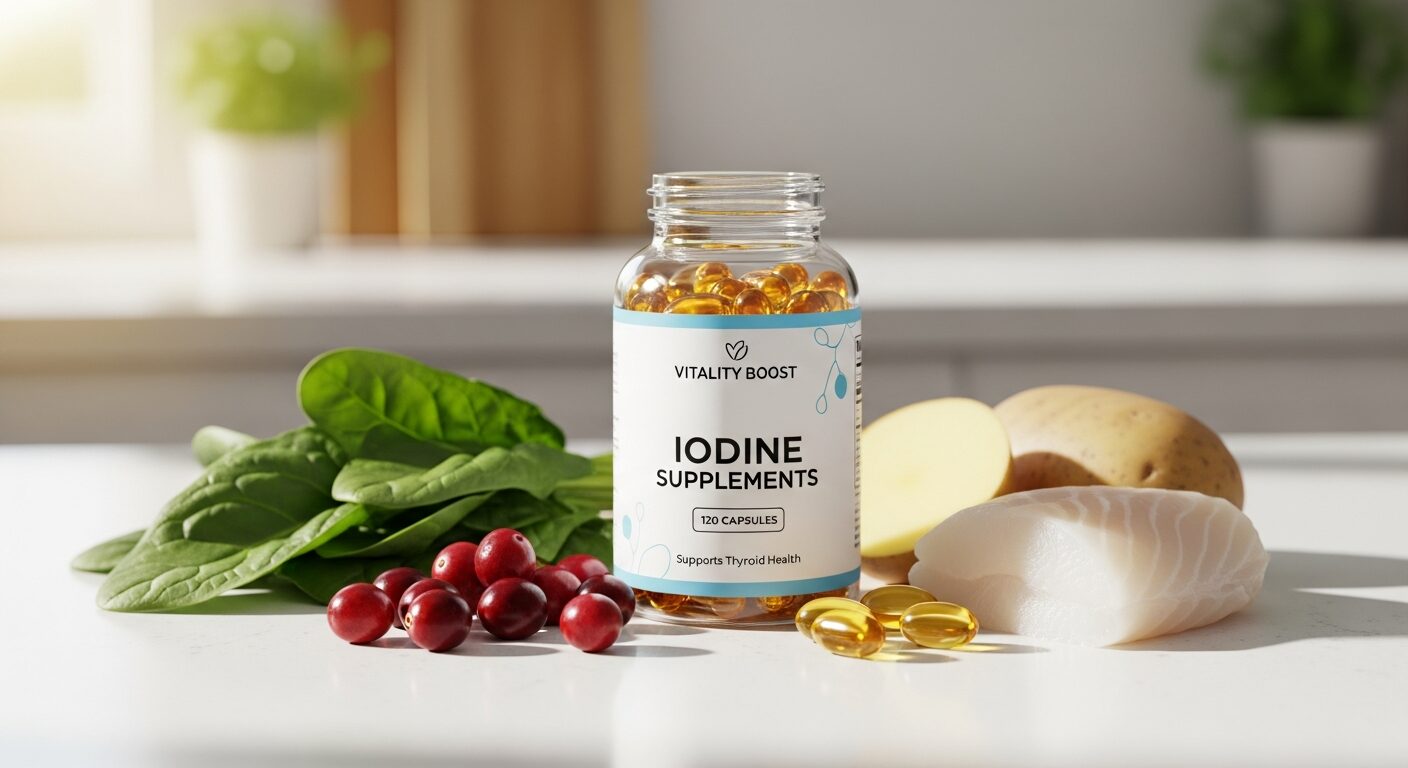
Iodine deficiency affects nearly 2 billion people worldwide, making it one of the most common nutritional deficiencies on the planet. Despite being essential for proper thyroid function and overall health, many people remain unaware of the subtle yet significant signs that their body isn’t getting enough of this crucial micronutrient. What makes iodine deficiency particularly concerning is that its symptoms often develop gradually, masquerading as everyday fatigue, brain fog, or weight gain that people attribute to stress or aging.
The human body cannot produce iodine naturally, meaning we must obtain it entirely through our diet or supplementation. While iodized salt was introduced in many countries during the 20th century to combat widespread deficiency, modern dietary patterns and soil depletion have created new challenges. Many health-conscious individuals who avoid processed foods or follow specialized diets may unknowingly be at risk, as natural food sources of iodine can be limited depending on geographic location and food choices.
Understanding the signs and symptoms of iodine deficiency is crucial for maintaining optimal health, as this mineral plays roles far beyond thyroid function. From supporting cognitive development to maintaining healthy metabolism, adequate iodine levels are fundamental to numerous bodily processes that impact daily energy, mental clarity, and long-term wellness.
Contents
What is Iodine
Iodine is an essential trace element that serves as a fundamental building block for thyroid hormones, specifically thyroxine (T4) and triiodothyronine (T3). These hormones regulate metabolism, growth, development, and cellular energy production throughout the body. The thyroid gland actively concentrates iodine from the bloodstream, requiring adequate levels to function properly and maintain hormonal balance.
As a halogen element, iodine possesses unique chemical properties that make it irreplaceable in biological processes. The body contains approximately 15-20 milligrams of iodine, with roughly 70-80% concentrated in the thyroid gland. However, other tissues including the breasts, ovaries, prostate, and salivary glands also utilize iodine for optimal function, highlighting its importance beyond thyroid health.
Natural sources of iodine include seaweed, seafood, dairy products, and eggs, though content varies significantly based on soil conditions and farming practices. Ocean-derived foods typically contain the highest concentrations, while inland regions often have iodine-depleted soils, creating geographic variations in dietary availability. This natural distribution pattern explains why coastal populations historically had lower rates of iodine deficiency compared to inland communities.
Key Benefits of Iodine
The primary benefit of adequate iodine intake centers on optimal thyroid hormone production, which regulates metabolic rate, body temperature, and cellular energy utilization. When iodine levels are sufficient, the thyroid can produce appropriate amounts of T3 and T4 hormones, supporting healthy weight management, sustained energy levels, and efficient nutrient metabolism throughout the body.
Cognitive function represents another critical area where iodine demonstrates significant benefits. Research indicates that adequate iodine levels support brain development, memory formation, and mental clarity. Iodine deficiency and brain development, 2013 Children and pregnant women particularly benefit from sufficient iodine intake, as deficiency during critical developmental periods can result in irreversible cognitive impairments.
Beyond thyroid and brain health, iodine supports immune system function through its antimicrobial properties and role in white blood cell activity. The mineral also contributes to healthy skin, hair, and nail growth by supporting cellular regeneration and protein synthesis. Additionally, emerging research suggests iodine may play protective roles in breast and prostate health, though more studies are needed to fully understand these mechanisms.
What Most People Get Wrong About Iodine
One of the most persistent misconceptions about iodine is that iodized salt provides adequate intake for everyone. While iodized salt was a groundbreaking public health intervention, many people today consume less processed salt or choose specialty salts that don’t contain iodine. Sea salt, Himalayan pink salt, and other gourmet varieties typically contain minimal iodine despite coming from oceanic sources, as processing and evaporation remove much of the original mineral content.
Another common myth suggests that people living near oceans automatically get enough iodine through their environment. While coastal regions may have slightly higher environmental iodine levels, simply breathing ocean air or eating locally grown produce doesn’t guarantee adequate intake. The iodine content in soil and locally produced foods depends on complex geological and agricultural factors that vary significantly even within coastal areas.
Many people also incorrectly believe that vegetarians and vegans naturally get sufficient iodine from plant-based diets. In reality, plant foods typically contain very low iodine levels unless grown in iodine-rich soils or supplemented during processing. Seaweed represents the primary plant-based iodine source, but consumption varies widely among plant-based eaters, and seaweed iodine content can be extremely variable and sometimes dangerously high.
Perhaps the most dangerous misconception involves the belief that more iodine is always better. While deficiency poses serious health risks, excessive iodine intake can actually suppress thyroid function through a protective mechanism called the Wolff-Chaikoff effect. This creates a narrow therapeutic window where both too little and too much iodine can cause similar symptoms, making proper dosing essential for optimal benefits.
What Happens to Your Body After 30 Days of Taking Iodine
During the first week of adequate iodine supplementation, individuals with deficiency may notice subtle improvements in energy levels and mental clarity. The thyroid gland begins responding to increased iodine availability by gradually increasing hormone production, though full hormonal adjustment takes time. Some people report improved sleep quality and reduced brain fog during this initial period, though effects vary based on the severity of initial deficiency.
Week two typically brings more noticeable changes as thyroid hormone levels continue optimizing. Thyroid function and iodine supplementation, 2012 Many individuals experience improved temperature regulation, with previously cold hands and feet becoming warmer as metabolic function enhances. Digestive function may also improve during this period, as thyroid hormones play important roles in gastrointestinal motility and nutrient absorption.
By weeks three and four, individuals often report more sustained energy throughout the day without the afternoon crashes commonly associated with thyroid dysfunction. Hair and skin health may begin showing improvement, with reduced dryness and increased luster as cellular regeneration processes optimize. Weight management may also become easier during this period, particularly for individuals whose weight challenges were related to underlying thyroid dysfunction.
It’s important to note that these improvements assume starting from a deficient state and using appropriate dosing. Individuals with adequate iodine levels may not experience noticeable changes, while those with underlying thyroid conditions may require longer adjustment periods and medical supervision to achieve optimal results.
Who Should NOT Take Iodine
Individuals with hyperthyroidism or Graves’ disease should avoid iodine supplementation unless specifically directed by their healthcare provider, as additional iodine can exacerbate overactive thyroid conditions. Similarly, people with autoimmune thyroid conditions like Hashimoto’s thyroiditis require careful medical supervision, as iodine supplementation can potentially trigger or worsen autoimmune responses in susceptible individuals.
Those taking thyroid medications, including levothyroxine, liothyronine, or natural thyroid extracts, should consult their healthcare provider before adding iodine supplements. The combination can alter thyroid hormone levels unpredictably, potentially requiring medication dosage adjustments or causing symptoms of either hyper or hypothyroidism.
Pregnant and breastfeeding women have increased iodine needs but should work with healthcare providers to determine appropriate intake levels. While iodine deficiency during pregnancy poses serious risks to fetal development, excessive intake can also be harmful. Similarly, individuals with kidney disease may have altered iodine clearance, requiring modified dosing or avoiding supplementation entirely.
People with iodine allergies or sensitivities should obviously avoid supplementation, though true iodine allergy is rare. More commonly, individuals may be sensitive to specific forms of iodine or other ingredients in supplements. Anyone experiencing adverse reactions such as rash, throat swelling, or difficulty breathing should discontinue use immediately and seek medical attention.
Dosage and Best Forms
The recommended daily allowance for iodine varies by age and life stage, with adults requiring approximately 150 micrograms daily. Pregnant women need 220 micrograms, while breastfeeding mothers require 290 micrograms to support both their own needs and provide adequate iodine through breast milk. These amounts represent minimum requirements for preventing deficiency rather than optimal intake levels.
Potassium iodide represents one of the most common and well-studied supplemental forms, offering stable iodine content and good bioavailability. Nascent iodine, an atomic form of iodine, is promoted by some practitioners as superior, though scientific evidence supporting enhanced absorption or effectiveness remains limited compared to traditional forms.
Kelp supplements provide a natural source of iodine but present challenges due to highly variable iodine content between batches and potential contamination with heavy metals or other seaweed compounds. While some people prefer natural sources, the unpredictable potency makes dosing difficult and potentially dangerous for consistent therapeutic use.
Iodine bioavailability and supplementation, 2017 Timing of iodine supplementation can influence absorption, with many practitioners recommending morning intake on an empty stomach for optimal uptake. However, individuals with sensitive stomachs may tolerate iodine better when taken with food, even if absorption is slightly reduced.
🌿 Looking for Iodine Supplements?
Browse top-rated Iodine supplements, independently tested and recommended by our editorial team.
Affiliate disclosure: We may earn a small commission at no extra cost to you.
Frequently Asked Questions
Can I get enough iodine from food alone?
While it’s possible to meet iodine needs through food, it requires careful attention to iodine-rich sources like seaweed, seafood, and dairy products. Many people, particularly those following plant-based diets or living in inland areas with iodine-depleted soils, may find supplementation necessary to achieve optimal levels consistently.
How do I know if I’m iodine deficient?
Common signs include fatigue, brain fog, cold intolerance, dry skin, hair loss, and unexplained weight gain. However, these symptoms overlap with many other conditions, making laboratory testing through urine iodine levels or thyroid function tests the most reliable diagnostic approach.
Is it safe to take iodine long-term?
Long-term iodine supplementation is generally safe when used at appropriate doses and with periodic monitoring of thyroid function. However, individual needs vary, and working with a healthcare provider helps ensure continued safety and effectiveness over extended periods.
Can iodine interact with other supplements?
Iodine can interact with selenium, iron, and vitamin C, which may enhance its absorption or utilization. Conversely, soy products, cruciferous vegetables, and certain medications can interfere with iodine uptake or thyroid hormone production, potentially requiring adjusted timing or dosing.
What’s the difference between iodine and iodide?
Iodine refers to the elemental form, while iodide is the ionic form typically found in supplements and the human body. Both forms can be converted to the active forms needed by the thyroid, though iodide tends to be more stable and commonly used in supplementation.
Medical Disclaimer
This article is for educational purposes only and does not constitute medical advice. The information provided should not be used to diagnose, treat, cure, or prevent any disease or health condition. Individual responses to iodine supplementation can vary significantly, and what works for one person may not be appropriate for another.
Before starting any iodine supplementation program, consult with a qualified healthcare provider, especially if you have existing thyroid conditions, take medications, or have other health concerns. Regular monitoring of thyroid function may be necessary during supplementation to ensure safety and effectiveness.
The statements in this article have not been evaluated by the Food and Drug Administration. Always seek professional medical advice for personalized recommendations based on your individual health status and needs.