
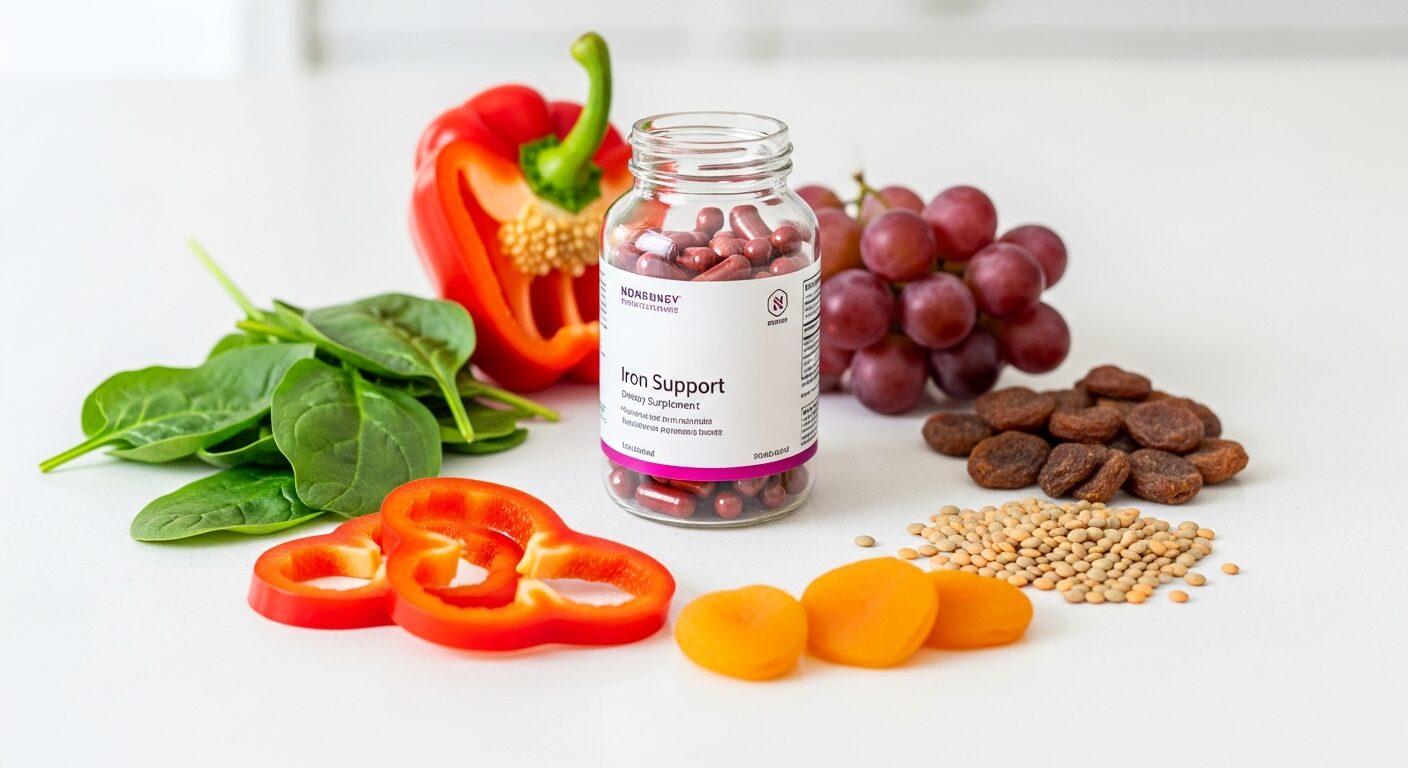
Iron is one of the most essential minerals your body needs to function properly, yet it remains one of the most commonly deficient nutrients worldwide. This vital mineral plays crucial roles in oxygen transport, energy production, and immune function. Understanding iron’s importance, sources, and proper supplementation can help you maintain optimal health and prevent the fatigue and health complications associated with iron deficiency.
Contents
- 1 What is Iron and Why is it Important?
- 2 Types of Iron in Food and Supplements
- 3 Iron Absorption and Bioavailability
- 4 Daily Iron Requirements
- 5 Signs and Symptoms of Iron Deficiency
- 6 Health Benefits of Adequate Iron Levels
- 7 Iron Supplementation: Forms and Dosages
- 8 Potential Side Effects and Precautions
- 9 Who Should Consider Iron Supplementation?
- 10 Testing and Monitoring Iron Status
- 11 Frequently Asked Questions
- 12 Medical Disclaimer
What is Iron and Why is it Important?
Iron is a trace mineral that serves as a fundamental building block for several critical bodily functions. Your body contains approximately 3-4 grams of iron, with about 70% found in red blood cells as part of hemoglobin, the protein responsible for carrying oxygen from your lungs to tissues throughout your body.
Beyond oxygen transport, iron is essential for cellular energy production through its role in mitochondrial function. It also supports immune system function, cognitive development, and the synthesis of collagen and neurotransmitters. Iron deficiency can lead to anemia, characterized by fatigue, weakness, and reduced physical and mental performance.
Types of Iron in Food and Supplements
Heme Iron
Heme iron comes from animal sources and is bound to hemoglobin and myoglobin proteins. This form is highly bioavailable, with absorption rates of 15-35%. Your body can readily absorb heme iron regardless of other dietary factors, making it the most efficient way to increase iron levels.
Non-Heme Iron
Non-heme iron is found in plant sources and supplements. While it comprises about 85% of dietary iron intake in most diets, it has lower bioavailability with absorption rates of 2-20%. The absorption of non-heme iron is significantly influenced by other dietary components and stomach acid levels.
Iron Absorption and Bioavailability
Your body’s iron absorption is a complex process that depends on several factors. Dietary iron absorption is regulated by hepcidin and influenced by iron status, inflammation, and dietary factors, 2011. The hormone hepcidin acts as the master regulator of iron homeostasis, controlling how much iron is absorbed based on your body’s current iron stores and needs.
Absorption Enhancers
Several nutrients and compounds can significantly improve iron absorption. Vitamin C is the most potent enhancer, converting iron to its more absorbable ferrous form and forming chelation complexes. Taking 100mg of vitamin C with iron can increase absorption by up to 300%. Other enhancers include citric acid, lactic acid, and certain amino acids found in meat proteins.
Absorption Inhibitors
Various substances can substantially reduce iron absorption. Calcium competes with iron for absorption pathways, while tannins in tea and coffee can bind iron and make it unavailable. Phytates found in whole grains and legumes, as well as certain medications like antacids and proton pump inhibitors, can also impair iron uptake.
Daily Iron Requirements
Iron requirements vary significantly based on age, gender, and physiological status. Adult men need about 8mg daily, while premenopausal women require 18mg due to menstrual losses. Pregnant women have the highest requirements at 27mg daily to support increased blood volume and fetal development.
Children’s needs range from 7-15mg depending on age, with adolescents having particularly high requirements during growth spurts. Vegetarians and vegans may need up to 80% more iron than meat-eaters due to the lower bioavailability of plant-based iron sources.
Signs and Symptoms of Iron Deficiency
Iron deficiency develops in stages, beginning with depletion of iron stores before progressing to iron deficiency anemia. Early symptoms include fatigue, weakness, and decreased exercise tolerance. As deficiency progresses, additional symptoms may include pale skin, brittle nails, restless leg syndrome, and unusual cravings for non-food items like ice or starch.
Cognitive symptoms can include difficulty concentrating, memory problems, and mood changes. In severe cases, iron deficiency anemia can lead to heart palpitations and shortness of breath as the heart works harder to pump oxygen-poor blood throughout the body.
Health Benefits of Adequate Iron Levels
Maintaining optimal iron status provides numerous health benefits. Iron supplementation improves fatigue and quality of life in iron-deficient women, 2020. Adequate iron supports sustained energy levels, improved cognitive function, and better exercise performance.
Iron also plays crucial roles in immune function, helping maintain the activity of immune cells and supporting the body’s ability to fight infections. For children and adolescents, sufficient iron is essential for proper growth, brain development, and academic performance.
Iron Supplementation: Forms and Dosages
Common Supplement Forms
Iron supplements come in various forms, each with different absorption rates and side effect profiles. Ferrous sulfate is the most common and cost-effective option, containing about 20% elemental iron. Ferrous gluconate and ferrous fumarate are gentler alternatives with slightly lower iron content but better tolerability.
Chelated iron forms, such as iron bisglycinate, are bound to amino acids for enhanced absorption and reduced gastrointestinal side effects. Carbonyl iron is another option that provides good bioavailability with fewer digestive issues.
Dosage Guidelines
Iron supplement dosages typically range from 18-65mg of elemental iron daily for maintenance, with higher therapeutic doses of 100-200mg for treating deficiency. It’s important to note the difference between total compound weight and elemental iron content when choosing supplements.
Potential Side Effects and Precautions
Iron supplementation can cause various side effects, particularly gastrointestinal issues including nausea, constipation, diarrhea, and stomach upset. Taking iron with food can reduce these effects but may slightly decrease absorption. Starting with lower doses and gradually increasing can help improve tolerance.
Iron toxicity is a serious concern, especially in children. Iron overload can lead to organ damage and increased oxidative stress, 2013. Adults can typically tolerate up to 45mg of elemental iron daily, but higher doses should only be taken under medical supervision.
Who Should Consider Iron Supplementation?
Several groups are at higher risk for iron deficiency and may benefit from supplementation. These include menstruating women, pregnant and breastfeeding women, vegetarians and vegans, endurance athletes, and individuals with gastrointestinal conditions affecting absorption.
People with chronic diseases, frequent blood donors, and those taking medications that affect iron absorption may also need supplementation. However, it’s important to confirm deficiency through blood testing before beginning supplementation, as unnecessary iron can be harmful.
Testing and Monitoring Iron Status
Proper assessment of iron status requires multiple blood markers. Serum ferritin is the best indicator of iron stores, while serum iron and transferrin saturation reflect current iron transport. Complete blood count parameters, including hemoglobin and hematocrit, can indicate iron deficiency anemia.
Regular monitoring is important during supplementation to ensure effectiveness and prevent overload. Most individuals should see improvements in iron markers within 4-8 weeks of consistent supplementation.
🌿 Looking for Iron Supplements?
Browse top-rated Iron supplements, independently tested and recommended by our editorial team.
Affiliate disclosure: We may earn a small commission at no extra cost to you.
Frequently Asked Questions
Should I take iron on an empty stomach?
Taking iron on an empty stomach maximizes absorption, but it can cause stomach upset. If you experience digestive issues, take iron with a small amount of food or vitamin C to enhance absorption while minimizing side effects.
Can I take iron with other supplements?
Iron can interact with several supplements and medications. Avoid taking iron with calcium, zinc, or magnesium supplements simultaneously, as they compete for absorption. Space these supplements at least 2 hours apart for optimal effectiveness.
How long does it take to correct iron deficiency?
Iron deficiency typically improves within 2-4 weeks of supplementation, with full correction of iron stores taking 3-6 months. Individual response varies based on the severity of deficiency, supplement form, and underlying health conditions.
Are there any foods I should avoid while taking iron supplements?
Avoid consuming tea, coffee, dairy products, and whole grains within 2 hours of taking iron supplements, as these can significantly reduce iron absorption. Instead, pair iron with vitamin C-rich foods like citrus fruits or bell peppers.
Can too much iron be dangerous?
Yes, excess iron can be toxic and lead to organ damage, particularly affecting the liver, heart, and pancreas. Always follow dosage recommendations and consider regular monitoring if taking iron supplements long-term or in high doses.
Medical Disclaimer
This article is for informational purposes only and is not intended as medical advice. Iron deficiency and supplementation should always be evaluated and monitored by qualified healthcare professionals. Before starting any iron supplement regimen, consult with your doctor, especially if you have underlying health conditions, take medications, or are pregnant or breastfeeding. Individual iron needs vary significantly, and proper testing is essential to determine appropriate supplementation. Never exceed recommended dosages without medical supervision, as iron toxicity can be serious and potentially life-threatening.