
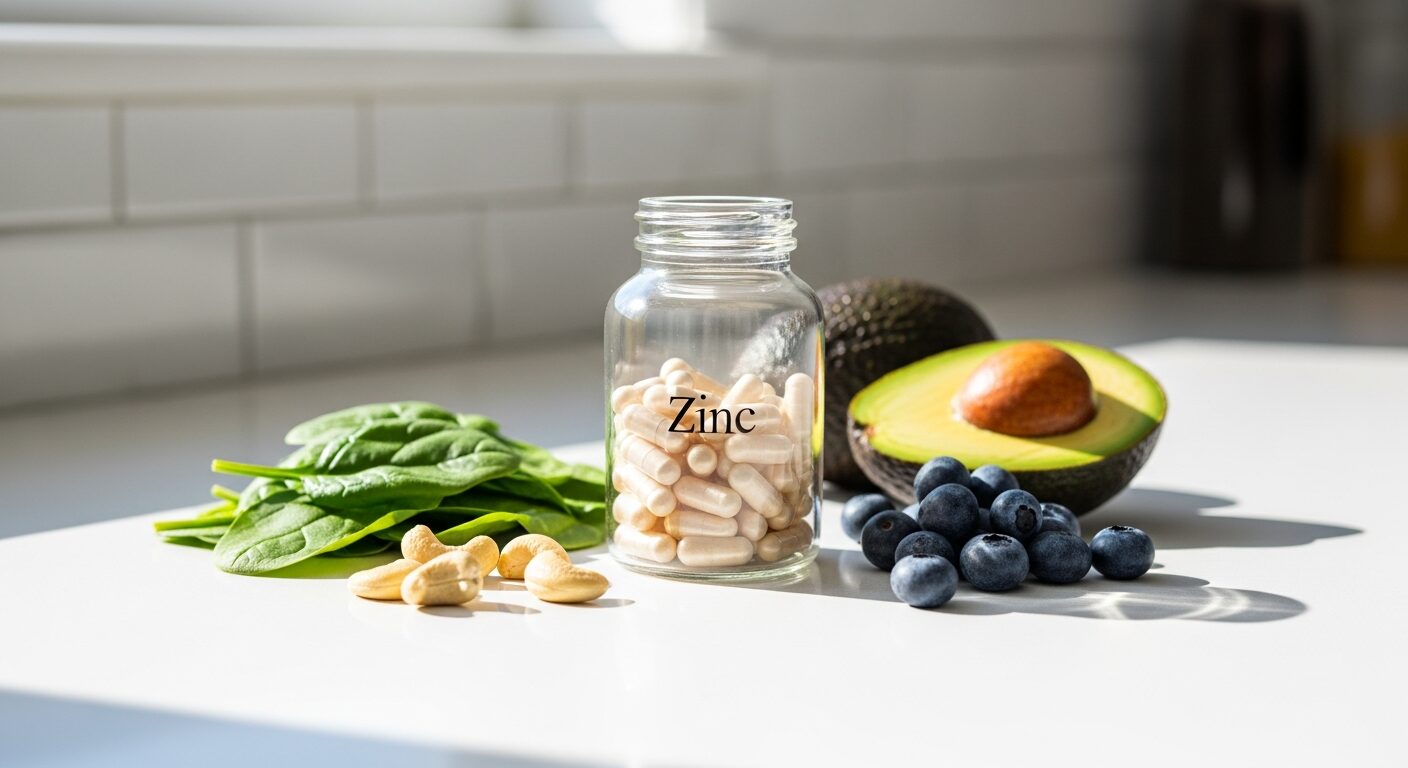
Zinc is an essential mineral that plays crucial roles in immune function, wound healing, protein synthesis, and DNA formation. While zinc deficiency can lead to serious health problems, many people wonder if it’s possible to consume too much of this vital nutrient. The answer is yes – zinc toxicity is a real concern that can cause significant health issues when intake exceeds safe limits.
Understanding the balance between adequate zinc intake and potential overdose is essential for anyone considering zinc supplementation or consuming zinc-rich foods regularly. This comprehensive guide explores the signs of zinc toxicity, safe dosage limits, and how to maintain optimal zinc levels without risking adverse effects.
Contents
- 1 Understanding Zinc’s Role in the Body
- 2 Recommended Daily Allowances and Safe Limits
- 3 Signs and Symptoms of Zinc Toxicity
- 4 Sources of Excess Zinc
- 5 Interactions with Medications and Other Nutrients
- 6 Special Populations and Zinc Safety
- 7 How to Supplement Zinc Safely
- 8 Testing and Monitoring Zinc Levels
- 9 FAQ Section
- 10 Medical Disclaimer
Understanding Zinc’s Role in the Body
Zinc serves as a cofactor for over 300 enzymes in the human body, making it indispensable for numerous biological processes. It supports immune system function by helping produce and activate T-cells, which fight off infections and diseases. The mineral also plays a critical role in collagen synthesis, making it essential for proper wound healing and skin health.
Additionally, zinc is vital for proper growth and development during pregnancy, childhood, and adolescence. It supports protein synthesis, helps maintain proper taste and smell function, and contributes to DNA synthesis. The body doesn’t store zinc efficiently, so regular intake through diet or supplements is necessary to maintain adequate levels.
Recommended Daily Allowances and Safe Limits
The recommended daily allowance (RDA) for zinc varies by age and gender. Adult men require 11 mg daily, while adult women need 8 mg. Pregnant women should consume 11 mg daily, and lactating women need 12 mg. Children’s requirements range from 2-11 mg depending on their age.
The tolerable upper intake level (UL) for adults is set at 40 mg per day. This represents the maximum daily intake unlikely to cause adverse health effects in most healthy individuals. However, consuming amounts approaching this limit regularly may still pose risks, particularly when taken on an empty stomach or in combination with certain medications.
Factors Affecting Zinc Absorption
Several factors influence how much zinc your body actually absorbs from supplements or food sources. Phytates found in grains and legumes can reduce zinc absorption, while protein enhances it. Taking zinc supplements with food generally improves tolerance but may slightly reduce absorption compared to taking them on an empty stomach.
Iron and calcium can compete with zinc for absorption when taken simultaneously in large amounts. This is why timing and dosage of mineral supplements matter significantly for both efficacy and safety.
Signs and Symptoms of Zinc Toxicity
Acute zinc poisoning typically occurs when someone consumes 225-450 mg of zinc in a short period. Symptoms of acute toxicity include severe nausea, vomiting, abdominal cramps, diarrhea, and headaches. In extreme cases, acute zinc poisoning can lead to dehydration and electrolyte imbalances requiring medical intervention.
Chronic zinc toxicity develops from consuming moderately high doses over extended periods. Research published in the American Journal of Clinical Nutrition has shown that chronic excess zinc intake can impair immune function, reduce HDL cholesterol levels, and interfere with copper absorption.
Immune System Suppression
Paradoxically, while adequate zinc supports immune function, too much can actually suppress immunity. Excessive zinc intake can interfere with the function of immune cells and reduce the body’s ability to fight infections. This occurs because zinc competes with copper for absorption, and copper deficiency resulting from excess zinc can compromise immune response.
Copper Deficiency and Anemia
One of the most serious consequences of chronic zinc overconsumption is copper deficiency. Zinc and copper compete for absorption in the intestines, and excessive zinc can prevent adequate copper uptake. Copper deficiency can lead to anemia, neutropenia (low white blood cell count), and neurological problems.
Studies have demonstrated that taking zinc supplements exceeding 50 mg daily for extended periods can significantly reduce copper status, even when copper intake appears adequate through diet.
Sources of Excess Zinc
Most cases of zinc toxicity result from inappropriate supplementation rather than dietary sources alone. However, several factors can contribute to excessive zinc intake:
High-dose zinc supplements, particularly those containing 50 mg or more per serving, pose the greatest risk. Some cold remedies and immune support formulas contain substantial amounts of zinc, and using multiple products simultaneously can quickly exceed safe limits.
Certain foods naturally high in zinc, when consumed excessively, may also contribute to toxicity risk. Oysters contain exceptionally high zinc levels – just six medium oysters provide about 32 mg of zinc, approaching the daily upper limit.
Hidden Sources of Zinc
Zinc can be found in unexpected places, including denture creams, which have caused toxicity in some users who applied excessive amounts. Some topical preparations and even galvanized containers can be sources of zinc exposure.
Interactions with Medications and Other Nutrients
Zinc can interact with various medications, potentially affecting both the medication’s efficacy and zinc absorption. Antibiotics, particularly tetracyclines and fluoroquinolones, can form complexes with zinc that reduce the absorption of both substances.
Diuretics may increase zinc losses through urine, potentially requiring adjusted intake. However, this doesn’t necessarily mean higher supplementation is needed – medical supervision is essential when managing these interactions.
Research indicates that zinc supplementation can also affect iron absorption when taken together, though the clinical significance of this interaction varies depending on individual iron status and dosing schedules.
Special Populations and Zinc Safety
Certain groups face higher risks from zinc toxicity or may require modified recommendations. Pregnant and breastfeeding women should not exceed recommended doses without medical supervision, as excessive zinc can affect fetal development and milk production.
Older adults may be more susceptible to zinc toxicity due to decreased kidney function and potential medication interactions. They may also have difficulty regulating mineral balance, making careful dosing particularly important.
People with existing kidney or liver conditions should exercise extra caution with zinc supplementation, as these organs play crucial roles in zinc metabolism and excretion.
How to Supplement Zinc Safely
If you choose to supplement with zinc, start with the lowest effective dose. For general immune support, 8-11 mg daily is typically sufficient for most adults. Only increase dosage under professional guidance and for specific health conditions that may warrant higher amounts.
Take zinc supplements with food to minimize gastrointestinal side effects, even though this may slightly reduce absorption. Space zinc supplements away from iron, calcium, and copper supplements by at least two hours when possible.
Consider periodic breaks from supplementation, especially with higher doses. This allows your body to normalize mineral balance and reduces the risk of chronic toxicity. Monitor for early signs of excess, including nausea, metallic taste, or changes in immune function.
Testing and Monitoring Zinc Levels
Serum zinc tests can help assess zinc status, though they don’t always reflect total body zinc stores accurately. If you’re taking zinc supplements regularly or experiencing symptoms that might relate to zinc imbalance, discuss testing options with your healthcare provider.
Regular monitoring becomes particularly important when taking zinc doses above 25 mg daily or when combining multiple zinc-containing products. Your healthcare provider may also want to monitor copper levels to ensure proper mineral balance.
FAQ Section
Can you overdose on zinc from food alone?
It’s extremely difficult to reach toxic zinc levels through food sources alone, except in cases of consuming very large amounts of high-zinc foods like oysters regularly. Most zinc toxicity cases result from supplement overuse.
How quickly do symptoms of zinc toxicity appear?
Acute symptoms like nausea and vomiting can appear within hours of consuming large amounts of zinc. Chronic toxicity symptoms develop gradually over weeks to months of excessive intake.
What should I do if I think I’ve taken too much zinc?
If you experience severe symptoms like persistent vomiting, stop taking zinc immediately and consult a healthcare provider. For mild symptoms, reduce your zinc intake and monitor your response.
Can zinc toxicity cause permanent damage?
Most zinc toxicity effects are reversible when caught early and zinc intake is reduced. However, severe copper deficiency from chronic zinc excess can potentially cause lasting neurological damage if not addressed promptly.
Is it safe to take zinc daily long-term?
Taking zinc at recommended doses (8-11 mg daily) is generally safe long-term. However, doses above 25 mg daily should only be used short-term or under medical supervision to prevent toxicity risks.
🌿 Looking for Zinc Supplements?
Browse top-rated Zinc supplements, independently tested and recommended by our editorial team.
Affiliate disclosure: We may earn a small commission at no extra cost to you.
Medical Disclaimer
This article is for informational purposes only and does not constitute medical advice. The information provided should not replace professional medical consultation, diagnosis, or treatment. Always consult with qualified healthcare providers before starting any supplement regimen, especially if you have existing health conditions or take medications. Individual zinc needs may vary based on health status, diet, and other factors. If you experience symptoms of zinc toxicity or deficiency, seek immediate medical attention.