
Deep in the birch forests of northern climates grows a peculiar black mass that looks more like burnt charcoal than a medicinal treasure. Yet this unassuming fungus, known as chaga mushroom, has been quietly earning recognition as one of nature’s most potent health allies. While indigenous peoples of Siberia and northern Canada have relied on chaga for centuries, modern science is now catching up to validate what traditional healers have long known.
What makes chaga particularly intriguing to researchers isn’t just its impressive antioxidant content—though it ranks among the highest of any natural substance—but its unique bioactive compounds that seem to work synergistically with human biology. Unlike many trending superfoods that promise miraculous results with little scientific backing, chaga is building a substantial body of peer-reviewed research that supports many of its traditional uses.
However, with popularity comes misinformation, and chaga is no exception. Many claims circulating online range from exaggerated to completely unfounded, making it crucial to separate the science-backed benefits from the marketing hype. This comprehensive review examines what current research actually tells us about chaga mushroom, its mechanisms of action, realistic timelines for effects, and important safety considerations that are often overlooked.
🌿 Looking for Chaga supplements? Shop Amazon →
Contents
What is Chaga
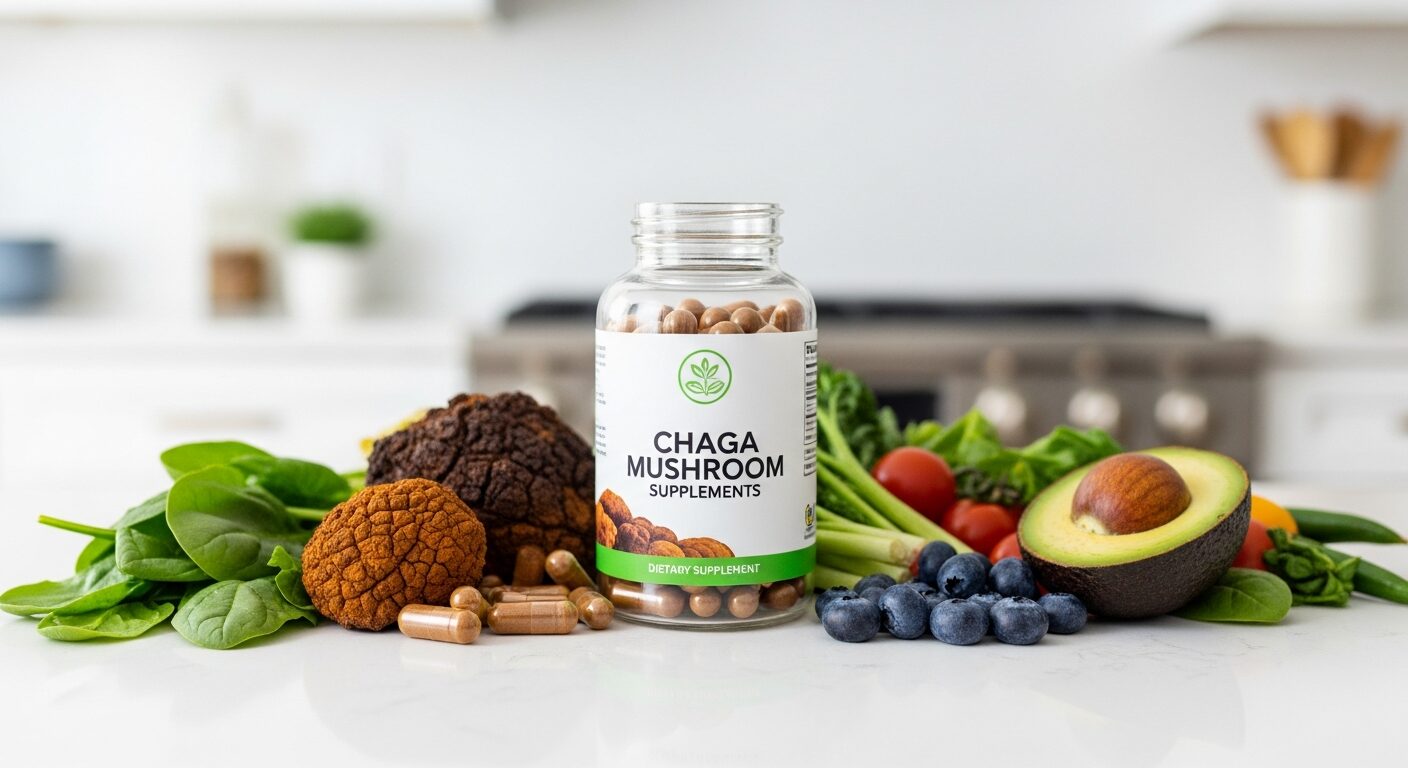
Chaga (Inonotus obliquus) is a parasitic fungus that primarily grows on birch trees in cold climates across Russia, Korea, northern Canada, Alaska, and some northern areas of the continental United States. Unlike typical mushrooms with caps and stems, chaga forms a hard, black, crusty exterior called a sclerotium, which protects the orange interior tissue rich in bioactive compounds.
The fungus takes years to mature, slowly extracting and concentrating nutrients from its host birch tree. This extended growth period allows chaga to accumulate an impressive array of bioactive compounds, including betulinic acid (derived from birch bark), polysaccharides like beta-glucans, melanin, triterpenes, and phenolic compounds. The high melanin content gives chaga its distinctive black exterior and contributes significantly to its antioxidant properties.
What sets chaga apart from other medicinal mushrooms is its unique growing environment and relationship with birch trees. The harsh northern climate and the specific compounds it draws from birch bark create a particularly potent concentration of bioactive substances. Wild-harvested chaga is considered superior to cultivated versions because the natural stress conditions and symbiotic relationship with birch trees cannot be fully replicated in controlled growing environments.
Key Benefits of Chaga
Scientific research on chaga has identified several well-documented health benefits, primarily centered around its powerful antioxidant and immune-modulating properties. Studies have shown that chaga extract demonstrates significant antioxidant activity, with ORAC (Oxygen Radical Absorbance Capacity) values that exceed many well-known antioxidant-rich foods.
Immune system support represents one of chaga’s most studied benefits. The beta-glucan polysaccharides found in chaga can help modulate immune function by activating certain immune cells, including macrophages and natural killer cells. This immune modulation appears to work bidirectionally—stimulating immune response when needed while preventing overactive inflammatory responses.
Blood sugar management is another area where chaga shows promise. Research indicates that compounds in chaga may help improve insulin sensitivity and glucose metabolism. Animal studies have demonstrated that chaga extract can help reduce blood glucose levels and improve glucose tolerance, though human clinical trials are still needed to confirm these effects.
Cardiovascular health benefits have also been observed in preliminary studies. Chaga’s antioxidant compounds may help protect against oxidative stress that contributes to heart disease, while some research suggests it may help support healthy cholesterol levels. The betulinic acid content, derived from its birch tree host, has shown particular promise for cardiovascular protection.
Liver protection represents another significant benefit area. Research has demonstrated that chaga extract can help protect liver cells from oxidative damage and may support the liver’s natural detoxification processes. This hepatoprotective effect is attributed to its high antioxidant content and specific triterpene compounds.
What Most People Get Wrong About Chaga
Despite chaga’s legitimate health benefits, several persistent myths and misconceptions continue to circulate, often leading to unrealistic expectations or improper usage. Understanding these misconceptions is crucial for anyone considering chaga supplementation.
Myth: Chaga is a Miracle Cancer Cure
One of the most dangerous misconceptions is that chaga can cure cancer. While laboratory studies have shown that certain compounds in chaga can inhibit cancer cell growth in test tubes and animal models, this is vastly different from clinical efficacy in humans. Many natural compounds show anti-cancer properties in laboratory settings but fail to demonstrate the same effects in human clinical trials. Currently, there are no peer-reviewed human studies proving chaga can cure or treat cancer. Individuals with cancer should never rely on chaga as a primary treatment and must work with qualified oncologists.
Myth: All Chaga Products are Equally Effective
The quality and potency of chaga products vary dramatically based on harvesting methods, processing techniques, and extraction processes. Many commercial chaga products are made from cultivated mushrooms grown on grain substrates, which lack the birch-derived compounds that make wild chaga unique. Additionally, raw chaga powder is largely indigestible by humans—the beneficial compounds are locked within tough cellular walls that require proper extraction to become bioavailable. Water extraction alone captures water-soluble compounds like polysaccharides, but misses important triterpenes that require alcohol extraction.
Myth: More is Always Better
Some people assume that taking massive doses of chaga will amplify its benefits, but this approach can actually be counterproductive and potentially harmful. Research indicates that chaga’s beneficial effects often follow a bell curve, where moderate doses provide optimal benefits, but excessive amounts may cause adverse effects or diminish the positive impacts. High doses can also increase the risk of oxalate accumulation, potentially leading to kidney problems in susceptible individuals.
Myth: Chaga Works Immediately
Unlike pharmaceutical drugs designed for rapid effect, chaga’s benefits develop gradually as bioactive compounds accumulate in the system and begin influencing cellular processes. Many people expect immediate energy boosts or dramatic health improvements within days, but chaga’s adaptogenic and immune-supporting effects typically require consistent use over weeks or months to become apparent. This slower timeline often leads people to abandon chaga prematurely or doubt its effectiveness.
What Happens to Your Body After 30 Days of Taking Chaga
Understanding the realistic timeline of chaga’s effects can help set appropriate expectations and encourage consistent use. Based on available research and clinical observations, chaga’s benefits unfold in distinct phases.
Week 1: Initial Adaptation
During the first week of consistent chaga supplementation, most people experience minimal noticeable changes. The body begins absorbing and distributing chaga’s bioactive compounds, but cellular-level changes haven’t yet translated into perceptible benefits. Some individuals may notice slight improvements in digestive comfort or sleep quality, likely due to chaga’s gentle adaptogenic properties beginning to influence stress hormone levels. A small percentage of people might experience mild digestive adjustments as their system adapts to the new compounds.
Week 2: Early Benefits Emerge
By the second week, many users begin noticing subtle improvements in energy stability and stress resilience. Rather than dramatic energy spikes, chaga tends to provide more consistent energy levels throughout the day, reducing the afternoon energy crashes that many people experience. This effect likely results from chaga’s influence on adrenal function and blood sugar stability. Some users also report improved mental clarity and focus during this period, possibly related to better stress hormone balance and reduced oxidative stress in brain tissue.
Weeks 3-4: Full Benefits Manifest
The most significant improvements typically become apparent during weeks three and four of consistent use. Immune function enhancement becomes more noticeable, with many users reporting fewer minor illnesses or faster recovery from physical stress. Skin health improvements may become visible as antioxidant compounds help protect against oxidative damage and support cellular repair processes. Energy levels often stabilize at a higher baseline, and stress tolerance continues to improve. Some individuals notice improvements in exercise recovery time and overall physical resilience.
It’s important to note that individual responses vary significantly based on factors including overall health status, diet quality, stress levels, and the specific chaga product being used. People with pre-existing health conditions or higher levels of oxidative stress may notice benefits sooner, while healthy individuals might experience more subtle improvements.
Who Should NOT Take Chaga
While chaga is generally considered safe for most healthy adults, several important contraindications and precautions must be considered. Understanding these limitations is crucial for safe and appropriate use.
Individuals with autoimmune diseases should exercise particular caution with chaga supplementation. Since chaga can stimulate immune system activity, it may potentially exacerbate conditions like multiple sclerosis, lupus, rheumatoid arthritis, or other autoimmune disorders. The immune-stimulating beta-glucans that provide benefits for healthy individuals could potentially trigger or worsen autoimmune responses in susceptible people.
People taking anticoagulant medications should avoid chaga or use it only under medical supervision. Chaga may have mild blood-thinning properties that could interact with warfarin, heparin, or other blood-thinning medications, potentially increasing bleeding risk. Similarly, individuals scheduled for surgery should discontinue chaga use at least two weeks beforehand to minimize bleeding complications.
Diabetes medication users need medical oversight when considering chaga supplementation. Since chaga may help lower blood sugar levels, combining it with diabetes medications could potentially cause hypoglycemia (dangerously low blood sugar). Regular blood sugar monitoring and possible medication adjustments may be necessary.
Pregnant and breastfeeding women should avoid chaga due to insufficient safety data. While no specific adverse effects have been documented, the lack of controlled studies in these populations makes it impossible to guarantee safety for mother and baby.
Individuals with kidney disease or a history of kidney stones should be particularly cautious with chaga due to its oxalate content. Regular high-dose chaga consumption could potentially contribute to oxalate buildup and kidney stone formation in susceptible individuals.
Dosage and Best Forms
Determining the optimal chaga dosage depends on several factors, including the specific product form, extraction method, and individual health goals. Most research-based recommendations suggest starting with 500-1000mg daily of standardized extract, gradually increasing to 1000-2000mg daily based on individual response and tolerance.
Extract forms are generally superior to raw powder because chaga’s cell walls are extremely tough and largely indigestible by humans. Dual-extraction products, which use both water and alcohol extraction methods, provide the most comprehensive range of bioactive compounds. Water extraction captures the beneficial polysaccharides and beta-glucans, while alcohol extraction obtains the triterpenes and other lipophilic compounds.
Liquid extracts and tinctures offer good bioavailability and faster absorption but may have shorter shelf lives than properly stored dried extracts. Capsule forms provide convenience and precise dosing but should be made from quality extracts rather than raw powder.
When selecting chaga products, look for wild-harvested sources from northern regions, third-party testing for purity and potency, and clear extraction ratio information. Avoid products with unnecessary additives, fillers, or those making exaggerated health claims.
Timing of consumption can influence effectiveness. Many people find taking chaga in the morning provides the best energy-supporting benefits, while others prefer splitting the dose between morning and early afternoon to maintain consistent levels throughout the day.
🌿 Looking for Chaga Supplements?
Browse top-rated Chaga supplements, independently tested and recommended by our editorial team.
Affiliate disclosure: We may earn a small commission at no extra cost to you.
Frequently Asked Questions
Can I take chaga with coffee or tea?
Yes, chaga can be safely combined with coffee or tea, and many people enjoy chaga tea as a coffee alternative. There are no known negative interactions between chaga and caffeine. Some users find that chaga’s adaptogenic properties help smooth out caffeine’s stimulating effects, providing more sustained energy without jitters or crashes.
How long can I safely take chaga?
Current research doesn’t indicate any specific time limitations for chaga use in healthy individuals when taken at appropriate doses. Traditional use patterns suggest chaga can be consumed long-term as a dietary supplement. However, it’s wise to take periodic breaks (such as one week off every few months) and monitor for any changes in health status, especially if taking other medications or supplements.
Will chaga interact with my medications?
Chaga may interact with certain medications, particularly blood thinners, diabetes medications, and immunosuppressive drugs. It’s essential to consult with a healthcare provider before starting chaga if you take any prescription medications, especially those mentioned above. Your doctor may want to monitor relevant lab values more closely or adjust medication dosages.
Is wild-harvested chaga really better than cultivated?
Wild-harvested chaga from northern birch forests is generally considered superior because it develops the full spectrum of bioactive compounds through its natural relationship with birch trees. The harsh environmental conditions and slow growth process contribute to higher concentrations of beneficial compounds. Cultivated chaga, while more environmentally sustainable, often lacks the birch-derived compounds like betulinic acid that make wild chaga unique.
Can children take chaga supplements?
There’s insufficient research on chaga’s safety and appropriate dosing for children. Given that children’s immune systems are still developing and they may be more sensitive to bioactive compounds, it’s best to avoid giving chaga supplements to children unless specifically recommended and monitored by a pediatric healthcare provider. Traditional use was typically limited to adults.
Medical Disclaimer
The information provided in this article is for educational purposes only and is not intended to diagnose, treat, cure, or prevent any disease. Chaga mushroom supplements have not been evaluated by the Food and Drug Administration for safety or efficacy. Individual results may vary, and the information presented should not be considered a substitute for professional medical advice, diagnosis, or treatment.
Before starting any new supplement regimen, including chaga mushroom products, consult with a qualified healthcare provider, especially if you have pre-existing health conditions, take prescription medications, are pregnant or breastfeeding, or have concerns about potential interactions. Your healthcare provider can help determine whether chaga supplementation is appropriate for your individual circumstances and health goals.
If you experience any adverse reactions while taking chaga supplements, discontinue use immediately and consult with a healthcare professional. This article represents current scientific understanding, which continues to evolve as new research becomes available.