
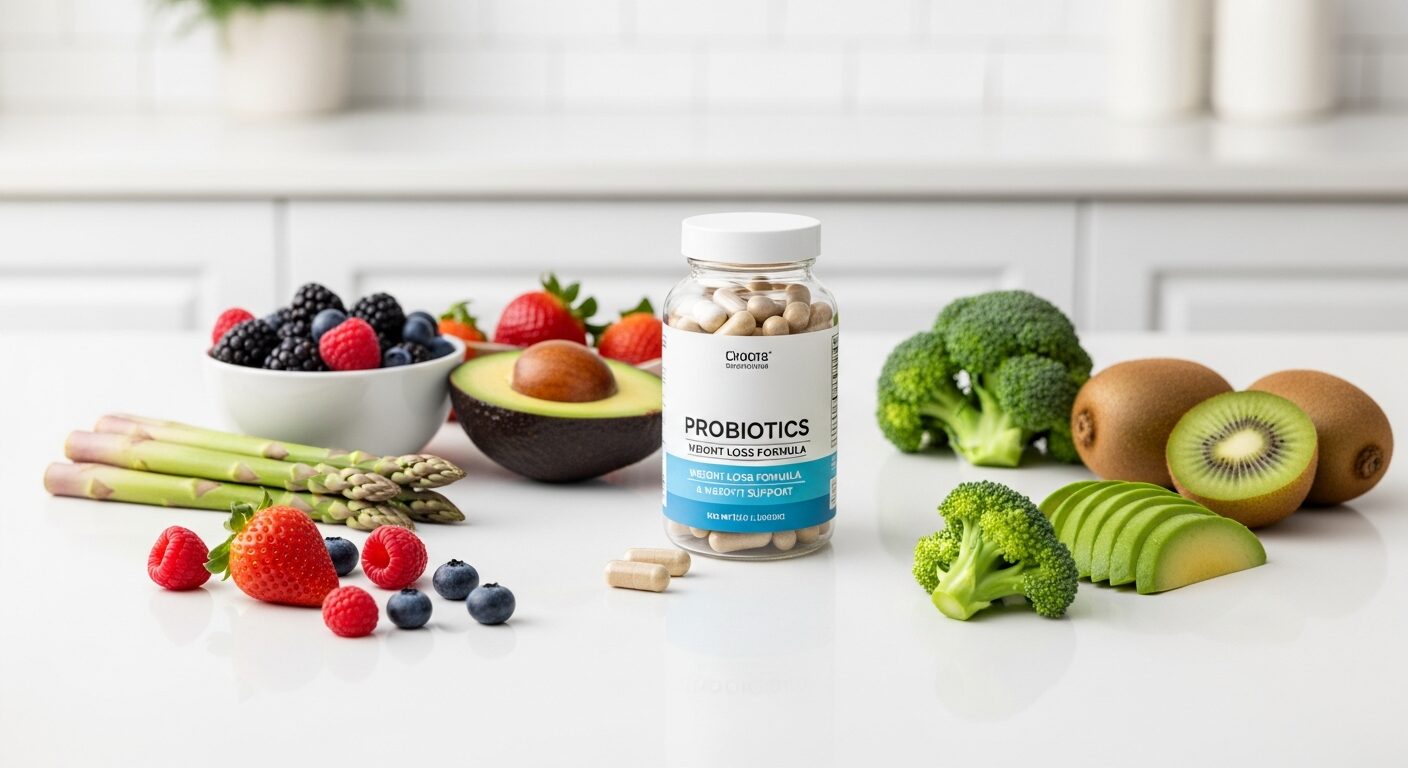
The connection between gut health and weight management has become one of the most exciting frontiers in nutritional science. Recent research reveals that the trillions of bacteria living in your digestive system play a crucial role in determining not just how you digest food, but how your body stores fat, regulates hunger hormones, and maintains metabolic health.
While the weight loss industry continues to focus on restrictive diets and intense exercise regimens, scientists have discovered that the key to sustainable weight management might already be living inside you. Specific strains of beneficial bacteria, known as probiotics, have shown remarkable potential in clinical studies to support healthy weight loss, reduce belly fat, and improve overall metabolic function.
Understanding which probiotic strains offer the most significant benefits for weight management, and how to use them effectively, could be the missing piece in your health optimization journey. Let’s explore what cutting-edge research tells us about these microscopic allies and how they might transform your approach to weight management.
🌿 Looking for Probiotics supplements? Shop Amazon →
Contents
What is Probiotics
Probiotics are live microorganisms, primarily bacteria and some yeasts, that provide health benefits when consumed in adequate amounts. Often called “good” or “friendly” bacteria, these microscopic organisms are naturally present in your digestive system and play essential roles in maintaining optimal health.
The human gut contains approximately 100 trillion bacterial cells, collectively known as the gut microbiome. This complex ecosystem influences everything from immune function and mood regulation to nutrient absorption and weight management. When the balance of beneficial bacteria is disrupted by factors like poor diet, stress, antibiotics, or illness, it can lead to digestive issues, weakened immunity, and metabolic dysfunction.
Probiotic supplements contain concentrated amounts of specific bacterial strains that have been scientifically studied for their health benefits. The most common probiotic strains belong to the Lactobacillus and Bifidobacterium families, though other beneficial microorganisms like Saccharomyces boulardii (a yeast) and various Streptococcus strains also offer unique advantages.
For weight management specifically, certain probiotic strains have demonstrated the ability to influence fat storage, reduce inflammation, improve insulin sensitivity, and regulate appetite-controlling hormones. These mechanisms work together to create an internal environment more conducive to maintaining a healthy weight.
Key Benefits of Probiotics
Research has identified numerous ways that probiotics support overall health and specifically contribute to weight management. One of the primary mechanisms involves improving the integrity of the intestinal barrier, often called “leaky gut.” When this barrier becomes compromised, inflammatory compounds can enter the bloodstream, triggering chronic low-grade inflammation that interferes with normal metabolic processes and promotes fat storage.
Probiotics also influence the production of short-chain fatty acids (SCFAs), particularly butyrate, which serves as fuel for intestinal cells and helps regulate metabolism. These beneficial compounds improve insulin sensitivity, reduce inflammation, and may even influence the expression of genes related to fat burning and storage.
Another significant benefit involves the regulation of hormones that control hunger and satiety. Specific probiotic strains can increase the production of GLP-1 (glucagon-like peptide-1), a hormone that promotes feelings of fullness and helps regulate blood sugar levels. Clinical studies have shown that Lactobacillus gasseri supplementation resulted in significant reductions in abdominal fat and body weight, 2013.
Probiotics also support healthy digestion and nutrient absorption, ensuring your body can efficiently extract vitamins, minerals, and other essential compounds from food. This improved nutritional status can help reduce cravings and support optimal metabolic function.
What Most People Get Wrong About Probiotics
Despite growing awareness of probiotics, several persistent misconceptions can prevent people from experiencing their full benefits. Understanding these myths is crucial for making informed decisions about probiotic supplementation.
Myth 1: All Probiotic Strains Are the Same
Many people assume that any probiotic supplement will provide similar benefits, but this couldn’t be further from the truth. Different bacterial strains have vastly different effects on the body. For example, Lactobacillus rhamnosus has shown specific benefits for weight loss in women, while Bifidobacterium longum is more effective for reducing stress-related digestive issues. The strain matters far more than the genus, and mixing random strains together doesn’t necessarily create better results.
Myth 2: Higher CFU Counts Always Mean Better Results
Colony-forming units (CFUs) indicate the number of viable bacteria in a supplement, but more isn’t always better. Some highly effective strains work optimally at lower doses, while others require higher concentrations. Research shows that 1 billion CFUs of the right strain can be more effective than 50 billion CFUs of a less suitable strain. Quality and strain specificity trump quantity every time.
Myth 3: Probiotics Work Immediately
Unlike medications that can provide rapid symptom relief, probiotics work by gradually reshaping your gut microbiome. This process takes time, typically 2-4 weeks for initial benefits and up to 3 months for full colonization. Many people discontinue probiotics after a few days, expecting immediate results, but consistent daily use over weeks or months is necessary for meaningful changes.
Myth 4: Yogurt Provides Adequate Probiotic Benefits
While fermented foods like yogurt contain beneficial bacteria, they rarely provide therapeutic levels of specific strains studied for weight management. Most commercial yogurts contain general strains like Lactobacillus bulgaricus and Streptococcus thermophilus, which aid digestion but don’t offer the targeted benefits found in clinical research. Additionally, many yogurts contain added sugars that can actually promote harmful bacterial growth.
What Happens to Your Body After 30 Days of Taking Probiotics
The timeline of probiotic benefits follows a predictable pattern, though individual responses can vary based on starting gut health, diet, and lifestyle factors.
Week 1: Foundation Building
During the first week, newly introduced probiotic bacteria begin establishing themselves in your digestive system. You might notice subtle improvements in digestion, with less bloating or gas after meals. Some people experience mild digestive changes as their gut adjusts to the new bacterial residents. This is normal and typically resolves quickly as the microbiome begins rebalancing.
Week 2: Noticeable Shifts
By the second week, probiotic bacteria have begun producing beneficial compounds like short-chain fatty acids and B vitamins. Many people report more regular bowel movements, reduced digestive discomfort, and subtle improvements in energy levels. Research indicates that beneficial changes in gut bacteria composition become measurable within 2-3 weeks of consistent probiotic use, 2017.
Week 3-4: Full Integration
The final weeks of the first month represent when probiotics reach their full potential. The gut barrier function improves, reducing systemic inflammation. Hormone regulation becomes more balanced, with better appetite control and improved insulin sensitivity. Studies suggest this is when weight management benefits become most apparent, with some individuals noticing reduced cravings for processed foods and improved satiety from meals.
Mental clarity often improves during this phase due to the gut-brain connection. The production of neurotransmitters like serotonin (90% of which is produced in the gut) becomes more optimized, potentially improving mood and reducing stress-related eating behaviors.
Who Should NOT Take Probiotics
While probiotics are generally safe for most healthy individuals, certain populations should exercise caution or avoid probiotic supplementation altogether.
Severely Immunocompromised Individuals
People with severely weakened immune systems, such as those undergoing chemotherapy, organ transplant recipients, or individuals with advanced HIV/AIDS, should avoid probiotics without medical supervision. In rare cases, probiotic bacteria can cause serious infections in these vulnerable populations.
Those with Severe Acute Pancreatitis
Several studies have indicated that probiotics may worsen outcomes in severe acute pancreatitis. Anyone with this condition should avoid probiotics until fully recovered and cleared by their healthcare provider.
People with Central Venous Catheters or Compromised Gut Barriers
Individuals with central lines or severe intestinal damage have an increased risk of bacterial translocation, where probiotic bacteria could potentially enter the bloodstream and cause complications.
Pregnant and Breastfeeding Women
While many probiotics appear safe during pregnancy and breastfeeding, specific strains haven’t been thoroughly studied in these populations. Pregnant and nursing women should consult healthcare providers before starting probiotic supplements, though fermented foods are generally considered safe.
Drug Interactions and Timing
Probiotics can interact with certain medications, particularly antibiotics and immunosuppressive drugs. When taking antibiotics, probiotics should be taken at least 2-3 hours apart to prevent the antibiotic from killing the beneficial bacteria. Those on immunosuppressive medications should only use probiotics under medical supervision.
Dosage and Best Forms
Effective probiotic dosing depends on the specific strains and intended benefits. For weight management, research suggests optimal doses typically range from 1-10 billion CFUs daily, though some studies have used higher amounts. Clinical trials examining probiotics for metabolic health have found effective results with doses ranging from 10^8 to 10^11 CFUs per day, 2014.
Capsules with enteric coating provide the best protection against stomach acid, ensuring more bacteria reach the intestines alive. Freeze-dried powders mixed into cool liquids offer another effective delivery method, though they must be stored properly to maintain potency.
Timing matters significantly for probiotic effectiveness. Taking probiotics with a small meal or snack provides some protection against stomach acid while supplying nutrients that beneficial bacteria need to thrive. Avoid taking probiotics with hot beverages or foods, as heat can kill the live cultures.
For weight management specifically, look for multi-strain formulas containing Lactobacillus gasseri, Lactobacillus rhamnosus, and Bifidobacterium lactis, as these strains have the strongest research support for metabolic benefits. Single-strain products can also be effective if they contain adequate amounts of well-researched strains.
Consistency is crucial for results. Daily supplementation for at least 8-12 weeks allows enough time for meaningful changes in gut microbiome composition and metabolic function.
🌿 Looking for Probiotics Supplements?
Browse top-rated Probiotics supplements, independently tested and recommended by our editorial team.
Affiliate disclosure: We may earn a small commission at no extra cost to you.
Frequently Asked Questions
Can probiotics replace a healthy diet for weight loss?
No, probiotics should complement, not replace, a balanced diet and healthy lifestyle. While specific strains can support weight management, they work best when combined with proper nutrition, regular exercise, and adequate sleep. Think of probiotics as an optimization tool rather than a standalone solution.
How long should I take probiotics to see weight loss results?
Most clinical studies examining probiotics for weight management show significant results after 8-12 weeks of consistent daily use. Some people notice improved digestion and reduced cravings within 2-4 weeks, but measurable changes in body composition typically require longer-term supplementation.
Do I need to refrigerate probiotic supplements?
This depends on the specific product formulation. Freeze-dried probiotics in proper packaging can remain stable at room temperature, while others require refrigeration to maintain potency. Always follow the storage instructions on your specific supplement to ensure maximum effectiveness.
Can I take probiotics if I’m lactose intolerant?
Most high-quality probiotic supplements are lactose-free, even if they contain dairy-derived strains. The manufacturing process typically removes lactose proteins. However, always check product labels and choose certified lactose-free options if you have severe sensitivities.
Will probiotics help me lose belly fat specifically?
Some probiotic strains, particularly Lactobacillus gasseri, have shown specific benefits for reducing abdominal fat in clinical studies. However, spot reduction isn’t possible through any supplement. Probiotics may help reduce overall body fat percentage and inflammation, which can lead to improvements in abdominal fat over time when combined with proper diet and exercise.
Medical Disclaimer
This article is for informational purposes only and does not constitute medical advice. The information provided should not be used to diagnose, treat, cure, or prevent any disease or health condition. Individual responses to probiotic supplementation may vary, and results are not guaranteed.
Before starting any new supplement regimen, especially if you have existing health conditions, take medications, or are pregnant or breastfeeding, consult with a qualified healthcare professional. This is particularly important for individuals with compromised immune systems, serious medical conditions, or those taking prescription medications.
The statements in this article have not been evaluated by the Food and Drug Administration. Probiotic supplements are not intended to diagnose, treat, cure, or prevent any disease. Always choose high-quality supplements from reputable manufacturers and follow dosage instructions carefully.