
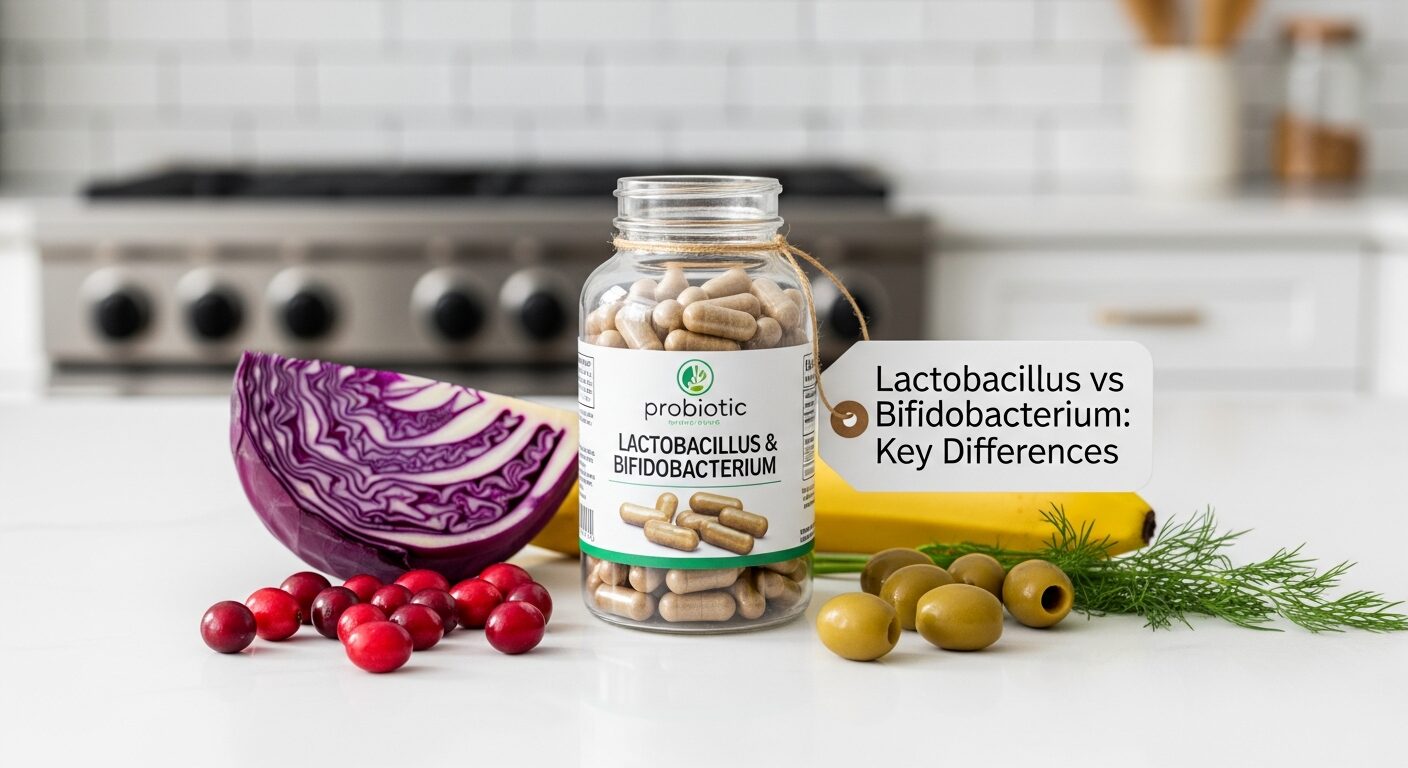
Your gut is home to trillions of microorganisms that play a crucial role in everything from digestion to immune function and even mental health. Among these beneficial bacteria, two powerhouse genera stand out: Lactobacillus and Bifidobacterium. While both are essential for optimal gut health and are commonly found in probiotic supplements, they each bring unique benefits and work in different ways within your digestive system.
Understanding the differences between Lactobacillus and Bifidobacterium can help you make more informed decisions about your gut health strategy. These two bacterial families have distinct characteristics, preferred habitats within your body, and specific health benefits that complement each other. Whether you’re dealing with digestive issues, looking to boost your immune system, or simply want to maintain optimal health, knowing how these probiotics work can guide you toward the most effective supplementation approach.
In this comprehensive guide, we’ll explore the science behind these beneficial bacteria, debunk common misconceptions, and provide you with practical insights to optimize your probiotic intake for maximum health benefits.
Contents
What is Probiotics
Probiotics are live microorganisms that, when administered in adequate amounts, confer health benefits to the host. The World Health Organization defines probiotics as “live microorganisms which when administered in adequate amounts confer a health benefit on the host.” These beneficial bacteria work by colonizing your gut, competing with harmful pathogens, and supporting various physiological functions throughout your body.
The human microbiome contains hundreds of different bacterial species, but Lactobacillus and Bifidobacterium are among the most extensively researched and clinically validated. Lactobacillus bacteria are gram-positive, rod-shaped organisms that primarily inhabit the small intestine, vagina, and oral cavity. They’re known for their ability to produce lactic acid, which creates an acidic environment that inhibits the growth of harmful bacteria.
Bifidobacterium, on the other hand, are gram-positive, Y-shaped bacteria that predominantly colonize the large intestine (colon). They’re particularly abundant in infants and play a crucial role in establishing a healthy gut microbiome from birth. These bacteria are excellent at fermenting complex carbohydrates and producing beneficial short-chain fatty acids that nourish the gut lining.
Both bacterial genera are naturally present in fermented foods like yogurt, kefir, sauerkraut, and kimchi. However, modern diets, antibiotic use, stress, and environmental factors can disrupt the natural balance of these beneficial bacteria, making supplementation increasingly important for maintaining optimal gut health.
Key Benefits of Probiotics
The health benefits of Lactobacillus and Bifidobacterium extend far beyond digestive health, though that’s where their most immediate effects are felt. Gut microbiota and immune system interactions, 2017 demonstrates how these beneficial bacteria modulate immune responses and contribute to overall health maintenance.
Digestive health improvements are among the most well-documented benefits. Lactobacillus strains excel at breaking down lactose, making them particularly beneficial for individuals with lactose intolerance. They also help maintain the integrity of the intestinal barrier, preventing harmful substances from entering the bloodstream. Bifidobacterium species are masters at fermenting dietary fiber, producing beneficial compounds like butyrate that nourish colon cells and reduce inflammation.
Immune system support represents another major benefit category. Approximately 70% of your immune system resides in your gut, and both Lactobacillus and Bifidobacterium play crucial roles in training and regulating immune responses. They help distinguish between harmful pathogens and beneficial substances, reducing the risk of autoimmune reactions while enhancing protection against infections.
Mental health benefits have gained significant attention in recent years through the gut-brain axis research. Both bacterial families produce neurotransmitters and metabolites that influence mood, anxiety, and cognitive function. Some Lactobacillus strains produce GABA, a calming neurotransmitter, while certain Bifidobacterium species help regulate cortisol levels and stress responses.
Cardiovascular health benefits include cholesterol reduction and blood pressure regulation. Specific strains of both genera have been shown to break down bile acids, forcing the body to use cholesterol to produce new bile acids, thereby lowering overall cholesterol levels. Additionally, some probiotic metabolites help relax blood vessels and improve circulation.
What Most People Get Wrong About Probiotics
Despite growing awareness about probiotics, several persistent misconceptions continue to mislead consumers and limit the effectiveness of their supplementation efforts. Understanding these myths is crucial for maximizing the benefits of Lactobacillus and Bifidobacterium supplementation.
Myth 1: All Probiotics Are the Same
Many people assume that any probiotic supplement will provide the same benefits, but this couldn’t be further from the truth. Probiotic effects are highly strain-specific, meaning that Lactobacillus acidophilus LA-5 may have completely different properties than Lactobacillus acidophilus NCFM, even though they’re the same species. Each strain has been isolated from different sources and may have unique capabilities for surviving stomach acid, adhering to intestinal walls, or producing specific beneficial compounds. This specificity explains why some people experience dramatic improvements with certain probiotic products while others notice no effects with different formulations.
Myth 2: Higher CFU Count Always Means Better Results
The supplement industry has created an arms race around CFU (Colony Forming Unit) counts, with some products boasting 100 billion or more CFUs per dose. However, research shows that effectiveness depends more on strain selection, viability, and your individual microbiome than sheer numbers. Some highly effective clinical studies have used relatively modest doses of 1-10 billion CFUs. More importantly, taking extremely high doses can sometimes cause digestive upset or throw off your natural bacterial balance.
Myth 3: Probiotics Work Immediately
Unlike pharmaceutical drugs that often produce immediate effects, probiotics work gradually by establishing colonies and influencing the existing microbiome. Many people abandon probiotic supplementation after just a few days or weeks when they don’t notice dramatic changes. However, meaningful colonization and ecosystem changes typically require 4-12 weeks of consistent use. The bacteria need time to compete with existing microorganisms, establish stable colonies, and begin producing the metabolites responsible for health benefits.
Myth 4: Yogurt Provides Adequate Probiotic Benefits
While fermented foods like yogurt contain beneficial bacteria, they rarely provide the specific strains or concentrations found in targeted probiotic supplements. Most commercial yogurts contain Streptococcus thermophilus and Lactobacillus bulgaricus, which are primarily used for fermentation rather than health benefits. Additionally, many yogurt bacteria don’t survive the acidic stomach environment to reach the intestines alive. Quality probiotic supplements use acid-resistant strains or protective encapsulation to ensure bacterial survival and colonization.
What Happens to Your Body After 30 Days of Taking Probiotics
Understanding the timeline of probiotic colonization and benefit manifestation can help set realistic expectations and encourage consistent supplementation. Temporal changes in the gut microbiome following probiotic supplementation, 2020 provides insights into how bacterial populations shift over time with consistent probiotic intake.
Week 1: Initial Colonization and Adjustment
During the first week, newly introduced Lactobacillus and Bifidobacterium strains begin competing for space and resources with your existing gut bacteria. Some people experience mild digestive changes during this period, including temporary bloating, gas, or changes in bowel movements. This is typically a normal adjustment period as your microbiome begins to shift. The new bacteria start producing lactic acid and other antimicrobial compounds that create an environment less favorable for harmful microorganisms.
Week 2: Noticeable Digestive Improvements
By the second week, many people begin noticing improvements in digestive regularity and comfort. Lactobacillus strains have established preliminary colonies in the small intestine and begun enhancing nutrient absorption and lactose digestion. Bifidobacterium populations in the colon start increasing their production of short-chain fatty acids, which nourish the intestinal lining and reduce inflammation. Sleep quality may also begin improving as the gut-brain axis responds to increased GABA and serotonin production.
Week 3-4: Systemic Benefits Emerge
The third and fourth weeks typically bring more pronounced and systemic benefits. Immune function improvements become apparent as the established probiotic colonies begin modulating immune cell activity and reducing inflammatory markers. Many people report increased energy levels, improved mood stability, and enhanced stress resilience during this period. The intestinal barrier function strengthens, reducing the passage of toxins and undigested food particles into the bloodstream.
Beyond 30 Days: Long-term Optimization
Continued supplementation beyond 30 days allows for further microbiome optimization and more substantial health improvements. Cholesterol levels may begin decreasing, blood pressure regulation improves, and the risk of digestive infections reduces significantly. The established probiotic colonies become more resilient to temporary disruptions from stress, dietary changes, or minor antibiotic exposures.
Who Should NOT Take Probiotics
While probiotics are generally safe for healthy individuals, certain populations should exercise caution or avoid supplementation altogether without medical supervision. Understanding these contraindications is essential for safe and effective probiotic use.
Severely Immunocompromised Individuals
People with severe immune deficiencies, including those undergoing chemotherapy, organ transplant recipients, or individuals with HIV/AIDS with very low CD4 counts, should avoid probiotics without medical supervision. In rare cases, probiotic bacteria can cause systemic infections in individuals whose immune systems cannot properly regulate bacterial populations. This includes patients with severe acute pancreatitis, as bacterial translocation across a compromised gut barrier can lead to serious complications.
Individuals with Damaged Gut Barriers
People with severe inflammatory bowel disease during active flares, those with compromised intestinal barriers due to surgery, or individuals with severe leaky gut syndrome should consult healthcare providers before starting probiotics. While probiotics can ultimately help heal the gut barrier, introducing large numbers of bacteria when the intestinal wall is severely compromised may cause temporary worsening of symptoms or bacterial translocation.
Certain Medication Interactions
Probiotics can interact with specific medications, particularly immunosuppressive drugs used after organ transplants or for autoimmune conditions. They may also affect the absorption and efficacy of certain antibiotics when taken simultaneously. Individuals taking antifungal medications should be particularly cautious, as some probiotic formulations contain yeast-based organisms that could interfere with treatment.
Pregnancy and Breastfeeding Considerations
While many probiotics are safe during pregnancy and breastfeeding, pregnant women should choose well-researched strains and consult with healthcare providers before starting supplementation. Some probiotic strains haven’t been specifically studied in pregnant populations, making their safety profiles unclear. Safety of probiotics in pregnancy and lactation, 2016 provides guidance on strain selection during these critical periods.
When to Consult a Healthcare Provider
Anyone with chronic health conditions, those taking multiple medications, or individuals who experience persistent adverse effects from probiotic supplementation should consult healthcare providers. Additionally, people with a history of bacterial infections, recurrent UTIs, or chronic digestive disorders should seek professional guidance to ensure appropriate strain selection and dosing.
Dosage and Best Forms
Optimal probiotic dosing depends on several factors, including the specific strains used, individual health status, and the intended health outcomes. Most clinical studies showing benefits have used doses ranging from 1 billion to 50 billion CFUs daily, with many effective interventions falling in the 10-25 billion CFU range.
For general digestive health maintenance, a daily dose of 5-15 billion CFUs containing multiple Lactobacillus and Bifidobacterium strains is typically sufficient. Individuals addressing specific health concerns may benefit from higher doses or targeted strain combinations. For example, those with antibiotic-associated diarrhea may require 10-20 billion CFUs twice daily, while people managing cholesterol might benefit from specific Lactobacillus strains at 1-2 billion CFUs daily.
Capsule vs. Powder Forms
Encapsulated probiotics offer superior protection against stomach acid and environmental factors, ensuring more bacteria survive to reach the intestines. Delayed-release capsules with enteric coatings provide additional protection and more predictable colonization. Powder forms can be more versatile and may be preferred for individuals who have difficulty swallowing capsules, but they’re generally less stable and may have reduced viability.
Refrigerated vs. Shelf-Stable
Modern freeze-drying and encapsulation technologies have made shelf-stable probiotics increasingly viable, but refrigerated products often maintain higher bacterial counts over time. The key is choosing products from reputable manufacturers who conduct stability testing and provide accurate CFU counts at expiration rather than just at manufacturing.
Timing and Administration
Taking probiotics with or shortly after meals helps buffer stomach acid and improves bacterial survival. Consistency in timing helps establish regular colonization patterns. Some people benefit from splitting doses throughout the day, while others prefer single daily dosing. Starting with lower doses and gradually increasing can help minimize initial digestive adjustment symptoms.
🌿 Looking for Probiotics Supplements?
Browse top-rated Probiotics supplements, independently tested and recommended by our editorial team.
Affiliate disclosure: We may earn a small commission at no extra cost to you.
Frequently Asked Questions
Can I take Lactobacillus and Bifidobacterium together?
Yes, taking Lactobacillus and Bifidobacterium together is not only safe but often beneficial. These bacterial families occupy different niches within your digestive system and complement each other’s functions. Lactobacillus primarily colonizes the small intestine, while Bifidobacterium thrives in the large intestine. Multi-strain formulations that include both genera often provide more comprehensive gut health benefits than single-strain products.
How long should I take probiotics to see results?
Most people begin noticing digestive improvements within 2-4 weeks of consistent use, but optimal benefits typically develop over 8-12 weeks. The timeline varies based on your starting microbiome composition, the specific strains used, dosage, and individual health factors. Some benefits, like improved bowel regularity, may appear quickly, while others, such as immune system improvements or cholesterol reduction, require longer-term supplementation.
Do probiotics survive stomach acid?
Survival rates vary significantly between strains and formulations. Many Lactobacillus and Bifidobacterium strains have natural acid resistance, but stomach acid still destroys a significant percentage of ingested bacteria. Quality probiotic supplements use acid-resistant strains, protective encapsulation, or enteric coatings to maximize survival. Taking probiotics with meals also helps buffer stomach acid and improve bacterial viability.
Can probiotics cause side effects?
Probiotics are generally well-tolerated, but some people experience mild temporary side effects during the initial adjustment period. These may include bloating, gas, changes in bowel movements, or mild digestive discomfort. These effects typically resolve within 1-2 weeks as your microbiome adjusts. Starting with lower doses and gradually increasing can help minimize these temporary effects.
Should I take probiotics with antibiotics?
Taking probiotics during and after antibiotic treatment can help prevent antibiotic-associated diarrhea and support microbiome recovery. However, timing is crucial – take probiotics at least 2-3 hours away from antibiotic doses to prevent the antibiotic from killing the probiotic bacteria. Continue probiotic supplementation for several weeks after completing antibiotic treatment to help restore beneficial bacterial populations.
Medical Disclaimer
The information provided in this article is for educational purposes only and is not intended as medical advice, diagnosis, or treatment. Always consult with qualified healthcare professionals before starting any new supplement regimen, especially if you have existing health conditions, are taking medications, or are pregnant or breastfeeding. Individual responses to probiotics can vary significantly, and what works for one person may not be appropriate for another. The statements made regarding probiotics have not been evaluated by the Food and Drug Administration, and probiotic supplements are not intended to diagnose, treat, cure, or prevent any disease. If you experience persistent adverse effects from probiotic supplementation, discontinue use and consult with a healthcare provider.