
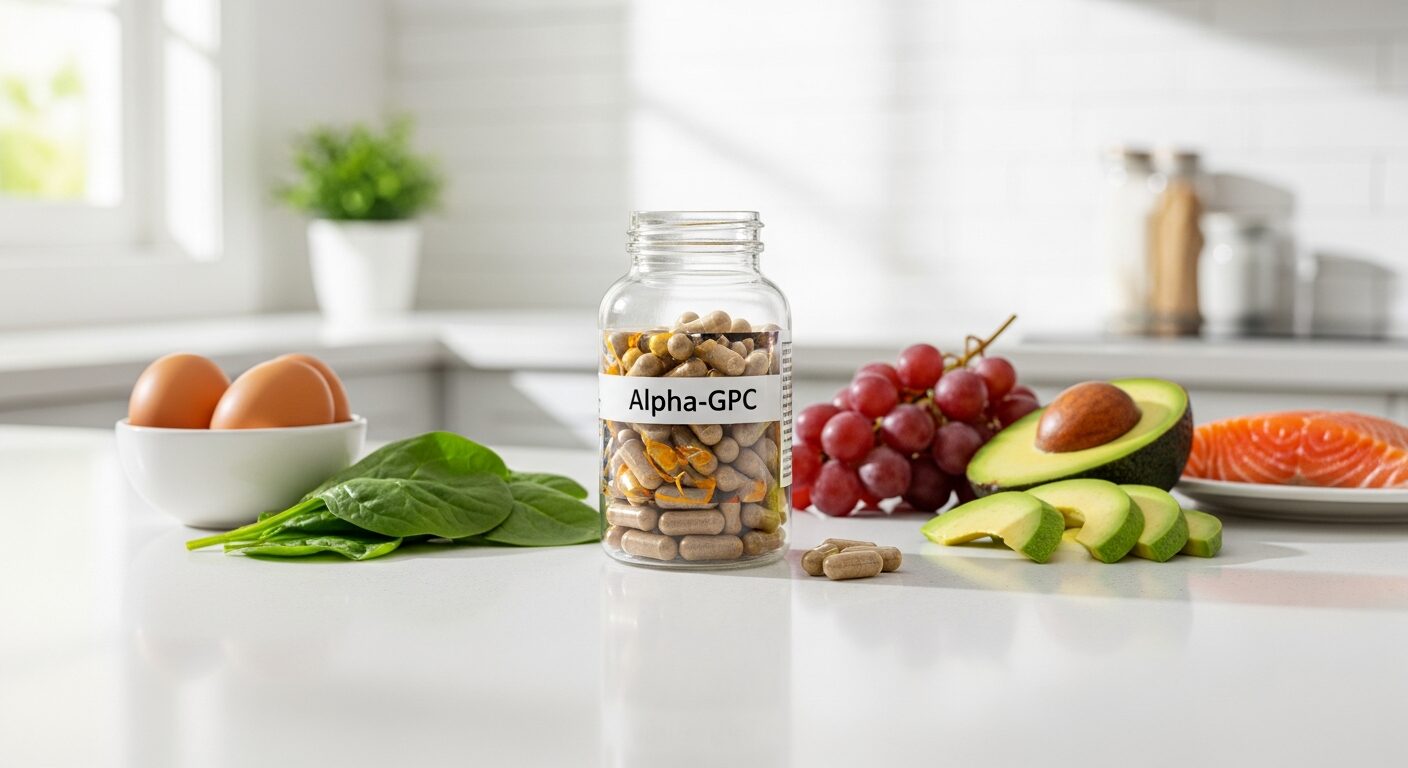
When it comes to cognitive enhancement and brain health supplements, two compounds consistently dominate the conversation: Alpha-GPC and Citicoline. Both are choline compounds that promise to boost memory, enhance focus, and support overall brain function. Yet despite their popularity, many people remain confused about which one to choose, often making decisions based on marketing hype rather than scientific evidence.
The truth is, while both supplements share similar mechanisms of action, they have distinct differences in bioavailability, onset of effects, and specific benefits. Alpha-GPC (L-Alpha glycerylphosphorylcholine) has gained particular attention for its rapid absorption and potent effects on acetylcholine production, making it a favorite among athletes, students, and biohackers seeking immediate cognitive enhancement.
In this comprehensive analysis, we’ll cut through the marketing noise to examine what the research actually says about Alpha-GPC, revealing some surprising truths that most supplement companies won’t tell you, and helping you determine whether this compound deserves a place in your supplement regimen.
🌿 Looking for Alpha-GPC supplements? Shop Amazon →
Contents
What is Alpha-GPC
Alpha-GPC (L-Alpha glycerylphosphorylcholine) is a naturally occurring choline compound found in small amounts in the brain and certain foods like organ meats and dairy products. As a supplement, it’s derived from soy lecithin or sunflower lecithin through a complex purification process that isolates this highly bioavailable form of choline.
What sets Alpha-GPC apart from other choline sources is its unique molecular structure. Unlike choline bitartrate or choline chloride, Alpha-GPC can easily cross the blood-brain barrier due to its phospholipid structure. Once in the brain, it rapidly breaks down to release both choline and glycerol-1-phosphate, providing raw materials for acetylcholine synthesis and phospholipid membrane repair.
The compound typically comes as a white, hygroscopic powder that’s highly soluble in water. Most commercial supplements contain 50% Alpha-GPC by weight, with the remainder being silica from the manufacturing process. This means a 600mg capsule actually delivers approximately 300mg of active Alpha-GPC.
Key Benefits of Alpha-GPC
Alpha-GPC’s primary mechanism involves increasing acetylcholine levels in the brain, which directly impacts several cognitive and physical functions. Research has identified several key benefits backed by clinical evidence.
Cognitive enhancement represents the most well-documented benefit. A clinical study involving 261 patients with mild to moderate dementia showed significant improvements in cognitive function after Alpha-GPC supplementation, 2003. The compound appears to enhance memory formation, improve focus, and support learning capacity by optimizing cholinergic neurotransmission.
Athletic performance improvement is another significant benefit that often surprises people. Alpha-GPC appears to enhance power output and growth hormone response during exercise. Athletes using Alpha-GPC have reported improved mind-muscle connection, better coordination, and enhanced explosive movements during training.
Neuroprotection represents a long-term benefit that’s gaining research attention. Alpha-GPC supports the maintenance and repair of neural cell membranes through its glycerol-1-phosphate component, which serves as a building block for phosphatidylcholine synthesis. This membrane support function may help protect against age-related cognitive decline.
Sleep quality improvements have been reported by many users, though this effect appears to be dose-dependent and timing-sensitive. Lower doses taken earlier in the day may enhance sleep quality, while higher doses taken late can be stimulating.
What Most People Get Wrong About Alpha-GPC
Despite its popularity, several persistent myths and misconceptions surround Alpha-GPC that can lead to suboptimal results or unrealistic expectations.
Myth 1: Higher doses always produce better results. Many users assume that doubling or tripling the recommended dose will amplify benefits, but research suggests an inverted U-curve response. Studies indicate that doses above 1200mg daily may actually decrease cognitive benefits while increasing side effects. The optimal dose range appears to be 300-600mg daily for most cognitive applications, with higher doses reserved for specific therapeutic uses under medical supervision.
Myth 2: Alpha-GPC works immediately for everyone. While Alpha-GPC has faster onset compared to other choline sources, individual response varies significantly based on baseline choline status, genetic factors affecting choline metabolism, and existing acetylcholine receptor sensitivity. Some people notice effects within hours, while others require weeks of consistent use to experience benefits. Expecting immediate, universal results sets users up for disappointment.
Myth 3: All Alpha-GPC supplements are equivalent. Quality varies dramatically between manufacturers, affecting both potency and bioavailability. Some products contain as little as 20% actual Alpha-GPC due to poor purification processes or deliberate adulteration. Additionally, the hygroscopic nature of Alpha-GPC means that improper storage can lead to degradation and reduced effectiveness. Third-party testing and proper packaging are essential quality indicators.
Myth 4: Alpha-GPC is completely safe for everyone. While generally well-tolerated, Alpha-GPC can cause significant side effects in certain individuals, particularly those with existing cholinergic sensitivity or specific medical conditions. Some users experience headaches, digestive upset, or mood changes. More concerning are potential interactions with medications and effects on cardiovascular health that require medical consideration.
What Happens to Your Body After 30 Days of Taking Alpha-GPC
Understanding the timeline of Alpha-GPC effects helps set realistic expectations and optimize supplementation strategies. Research and user reports reveal a predictable progression of changes over the first month of consistent use.
Week 1: Foundation Building
During the first week, your brain begins accumulating choline stores and increasing acetylcholine production capacity. Most users notice subtle improvements in mental clarity and focus, particularly in the 2-4 hours following supplementation. Some individuals experience mild stimulation or slight changes in sleep patterns as their cholinergic system adjusts. Headaches may occur in choline-deficient individuals as the brain ramps up neurotransmitter production.
Week 2: Noticeable Cognitive Shifts
By the second week, acetylcholine levels have stabilized at higher baseline levels. Users typically report improved memory recall, enhanced ability to concentrate on complex tasks, and better mental endurance throughout the day. Physical coordination and mind-muscle connection during exercise often improve noticeably. Sleep quality may normalize as the initial stimulating effects balance out.
Week 3-4: Full Benefit Realization
The final weeks represent peak benefit achievement for most users. Research demonstrates that sustained Alpha-GPC supplementation produces cumulative improvements in cognitive function over 180 days, 2011. Memory formation and retrieval become noticeably enhanced, learning new skills feels easier, and mental fatigue decreases significantly. Athletes often report their best performance improvements during this period.
It’s important to note that these benefits plateau around the 30-day mark for cognitive applications. Continued supplementation maintains these improvements, but additional gains typically require dosage adjustments or cycling protocols.
Who Should NOT Take Alpha-GPC
While Alpha-GPC has a relatively good safety profile, certain individuals should avoid or carefully consider supplementation due to potential health risks or contraindications.
Pregnant and Breastfeeding Women
No adequate studies exist examining Alpha-GPC safety during pregnancy or lactation. Since choline requirements increase during pregnancy, and excessive choline intake can affect fetal development, pregnant women should avoid Alpha-GPC supplements unless specifically recommended and monitored by their healthcare provider.
Individuals with Cholinergic Sensitivity
People who have experienced adverse reactions to other choline supplements or cholinesterase inhibitor medications should approach Alpha-GPC with extreme caution. Symptoms of cholinergic excess include excessive sweating, nausea, muscle twitching, and mood disturbances.
Bipolar Disorder and Depression
Alpha-GPC can potentially trigger or worsen depressive episodes in susceptible individuals. The increase in acetylcholine activity may interfere with dopamine and serotonin balance, particularly problematic for those with bipolar disorder or treatment-resistant depression.
Cardiovascular Conditions
Recent research has raised concerns about choline supplements and cardiovascular risk through TMAO (trimethylamine N-oxide) production. Individuals with existing heart disease, high blood pressure, or stroke history should consult with a cardiologist before using Alpha-GPC.
Medication Interactions
Alpha-GPC can interact with several medication classes. Anticholinergic medications (certain antidepressants, antihistamines, and Parkinson’s drugs) may have reduced effectiveness. Cholinesterase inhibitors used for Alzheimer’s disease can have amplified effects, potentially causing cholinergic crisis. Always consult with a pharmacist or physician about potential interactions.
Dosage and Best Forms
Optimal Alpha-GPC dosing depends on the intended application, individual factors, and product quality. Research supports different dosing strategies for various health goals.
For cognitive enhancement, studies suggest 300-600mg daily, typically divided into two doses taken with meals. Taking Alpha-GPC with fats can improve absorption due to its lipophilic properties. Morning and early afternoon dosing prevents potential sleep interference.
Athletic performance applications often use acute dosing protocols. Research shows that 600mg taken 90 minutes before exercise can enhance power output and growth hormone response, 2015. This timing allows peak plasma levels to coincide with training.
Therapeutic applications for cognitive decline may require higher doses (800-1200mg daily) under medical supervision. These doses should be gradually increased to assess tolerance and minimize side effects.
Quality considerations are crucial when selecting Alpha-GPC supplements. Look for products that specify “50% Alpha-GPC” or provide actual Alpha-GPC content rather than total weight. Third-party testing for purity and potency ensures quality. Capsulated forms generally provide better stability than powders, which can absorb moisture and degrade.
🌿 Looking for Alpha-GPC Supplements?
Browse top-rated Alpha-GPC supplements, independently tested and recommended by our editorial team.
Affiliate disclosure: We may earn a small commission at no extra cost to you.
Frequently Asked Questions
Can I take Alpha-GPC with other nootropics?
Alpha-GPC combines well with many nootropics, particularly racetams, which may deplete choline stores. However, avoid combining with other choline sources to prevent excessive intake. Start with lower doses when stacking to assess individual tolerance and avoid overstimulation.
How long should I take Alpha-GPC?
Alpha-GPC can be used continuously for cognitive support, but some users benefit from cycling protocols (5 days on, 2 days off) to prevent tolerance. For athletic performance, acute dosing before training sessions is often more effective than daily supplementation.
Why do I get headaches from Alpha-GPC?
Headaches typically indicate either choline deficiency (paradoxically improved by Alpha-GPC) or excessive cholinergic activity. Start with lower doses (150-300mg) and increase gradually. Ensure adequate hydration and consider timing adjustments.
Is Alpha-GPC better than CDP-Choline (Citicoline)?
Both have advantages: Alpha-GPC provides more choline per gram and faster onset, while Citicoline offers additional uridine benefits and potentially fewer side effects. Choice depends on individual goals, tolerance, and response patterns.
Can Alpha-GPC cause digestive issues?
Some users experience nausea, diarrhea, or stomach upset, particularly with higher doses or empty stomach administration. Taking Alpha-GPC with food and dividing doses throughout the day typically resolves digestive issues.
Medical Disclaimer
This article is for informational purposes only and is not intended as medical advice. Alpha-GPC supplements have not been evaluated by the FDA for the treatment, cure, or prevention of any disease. Individual responses to supplementation vary significantly, and potential interactions with medications or underlying health conditions require professional medical evaluation.
Before starting any new supplement regimen, especially if you have existing health conditions or take medications, consult with a qualified healthcare provider. Pregnant or breastfeeding women, children, and individuals with serious medical conditions should not use Alpha-GPC without medical supervision.
The information presented here is based on available research and should not replace professional medical advice, diagnosis, or treatment. Always seek the advice of your physician or other qualified health provider with any questions you may have regarding a medical condition or supplement use.