
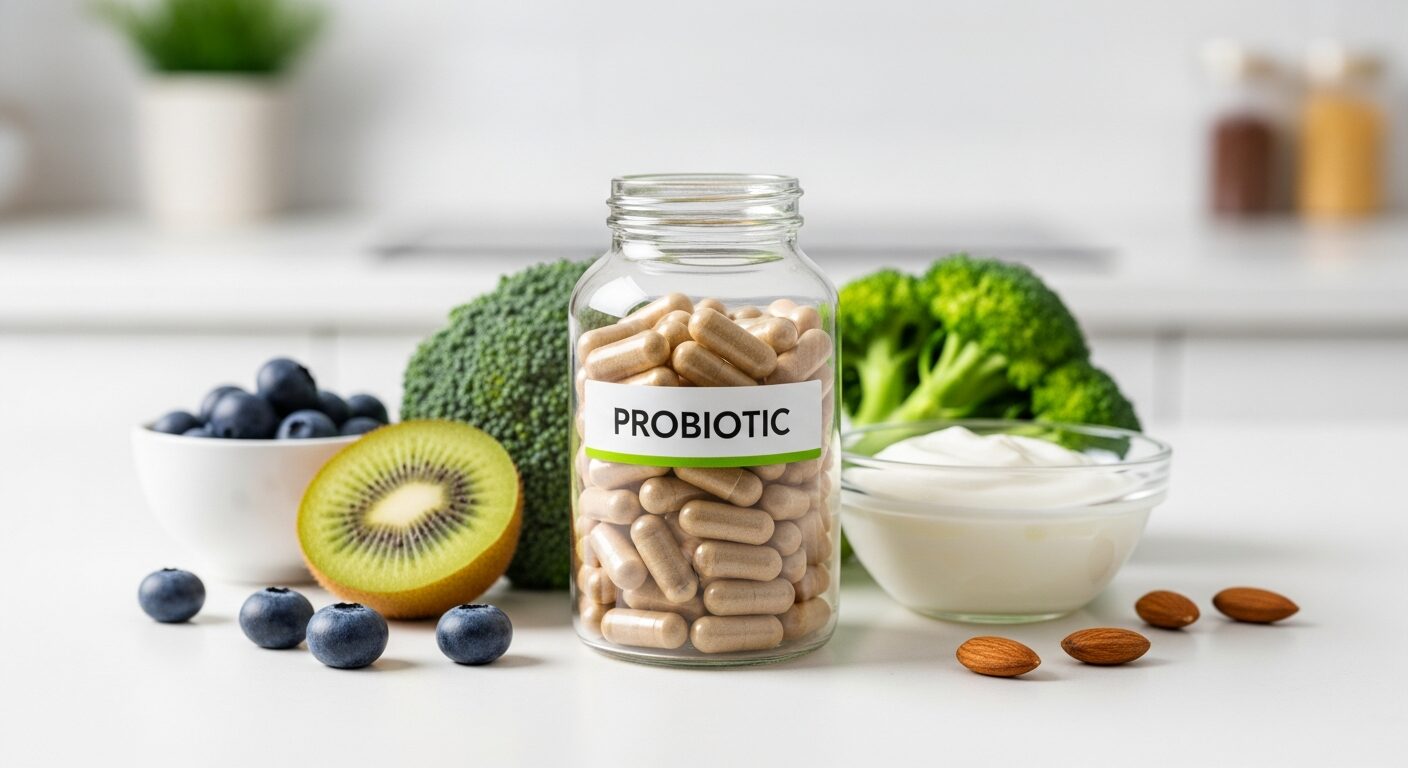
When digestive issues strike, many people find themselves standing in the supplement aisle, overwhelmed by rows of probiotics and digestive enzymes. Both promise to solve gut problems, but they work in fundamentally different ways. Understanding these differences could be the key to finally resolving your digestive struggles.
Probiotics and digestive enzymes are often confused as interchangeable solutions, but choosing the wrong one could leave you frustrated and your symptoms unchanged. While probiotics focus on nurturing beneficial bacteria in your gut microbiome, digestive enzymes tackle the mechanical breakdown of food. The decision between them depends on your specific symptoms, underlying health conditions, and digestive goals.
This comprehensive guide will help you understand exactly what each supplement does, when to use them, and most importantly, which one might be right for your unique situation. We’ll also explore the surprising truths that most people never learn about probiotics, including what really happens in your body during the first 30 days of supplementation.
🌿 Looking for Probiotics supplements? Shop Amazon →
Contents
What Are Probiotics
Probiotics are live microorganisms, primarily bacteria and yeasts, that provide health benefits when consumed in adequate amounts. These “good” bacteria are naturally found in fermented foods like yogurt, kefir, sauerkraut, and kimchi, but are also available as concentrated supplements containing billions of colony-forming units (CFUs).
The human gut houses trillions of microorganisms collectively known as the gut microbiome. This complex ecosystem includes over 1,000 different species of bacteria, with the most common probiotic strains being Lactobacillus and Bifidobacterium. These beneficial bacteria help maintain the delicate balance necessary for optimal digestive function, immune response, and overall health.
Unlike digestive enzymes, which are proteins that break down food components, probiotics are living organisms that colonize your intestinal tract. They work by competing with harmful bacteria for space and resources, producing beneficial compounds like short-chain fatty acids, and communicating with your immune system through the gut-brain axis.
Key Benefits of Probiotics
Research has demonstrated that probiotics offer numerous science-backed health benefits extending far beyond basic digestion. The most well-documented benefit is improved digestive health, including reduced symptoms of irritable bowel syndrome (IBS), decreased bloating, and more regular bowel movements. Probiotics have been shown to significantly improve IBS symptoms in multiple clinical trials, 2017.
Immune system support represents another major advantage of probiotic supplementation. Approximately 70% of your immune system resides in your gut, making the microbiome a crucial component of immune function. Regular probiotic use can reduce the frequency and duration of respiratory infections, particularly in children and elderly adults.
Mental health benefits have emerged as an exciting area of probiotic research. The gut-brain connection allows certain probiotic strains to influence neurotransmitter production, potentially reducing anxiety and depression symptoms. Some studies suggest that specific Lactobacillus and Bifidobacterium strains can improve mood and cognitive function.
Additional benefits include enhanced nutrient absorption, reduced inflammation, improved skin health, and potential weight management support. Some research indicates that probiotics may help regulate cholesterol levels and support cardiovascular health, though more studies are needed to confirm these effects.
What Most People Get Wrong About Probiotics
Despite their popularity, several persistent myths surround probiotics that can lead to unrealistic expectations and poor purchasing decisions. Understanding these misconceptions is crucial for anyone considering probiotic supplementation.
The first major misconception is that more CFUs always equals better results. Many consumers assume that supplements with 50 billion or 100 billion CFUs are automatically superior to those with 10 billion CFUs. However, research shows that effectiveness depends more on strain specificity and survivability than sheer numbers. Some highly effective probiotic strains show benefits at relatively low doses, while others require higher concentrations. The key is choosing clinically studied strains at their researched dosages, not simply maximizing CFU count.
Another widespread myth is that probiotics work immediately like medications. Many people expect instant relief from digestive issues after taking their first probiotic dose. In reality, probiotics require time to colonize the gut and establish beneficial populations. Most clinical studies showing probiotic benefits involve supplementation periods of 4-12 weeks. The microbiome is a complex ecosystem that changes gradually, not overnight.
A third misconception involves probiotic survival and refrigeration. While many people believe that all probiotics must be refrigerated to remain effective, modern freeze-drying and encapsulation technologies have created shelf-stable formulations that maintain potency at room temperature. Conversely, some assume that expensive probiotic supplements automatically survive stomach acid better than basic formulations. The truth is that strain selection and protective technologies matter more than price point.
Finally, many people wrongly assume that probiotics are universally safe and beneficial for everyone. While generally well-tolerated, probiotics can cause problems for certain individuals, particularly those with compromised immune systems or severe underlying health conditions. The “more is better” mentality can actually lead to bacterial overgrowth or unwanted side effects in susceptible individuals.
What Happens to Your Body After 30 Days of Taking Probiotics
Understanding the timeline of probiotic effects can help set realistic expectations and determine whether supplementation is working for you. The changes occur gradually as beneficial bacteria establish themselves in your digestive system.
Week 1: Initial Adaptation
During the first week, your digestive system begins adapting to the introduction of new bacterial strains. Some people experience mild digestive changes such as increased gas, bloating, or changes in bowel movement frequency. These symptoms, while sometimes uncomfortable, typically indicate that the probiotics are beginning to interact with your existing microbiome. Research shows that initial probiotic colonization begins within 24-48 hours but requires several days for stable establishment, 2020.
Week 2: Noticeable Improvements
By the second week, most initial side effects subside as your gut adjusts to the new bacterial populations. Many people begin noticing improvements in digestive regularity, reduced bloating after meals, and increased energy levels. The immune-supporting benefits may start becoming apparent, with some individuals reporting fewer minor illnesses or faster recovery from minor health issues.
Weeks 3-4: Full Benefits Emerge
The third and fourth weeks typically bring the most significant improvements. Digestive symptoms like IBS-related discomfort, irregular bowel movements, and post-meal bloating often show marked improvement. Sleep quality may improve due to the gut-brain connection, and some people report better mood stability and reduced anxiety levels. Skin improvements, including reduced acne or eczema symptoms, may become noticeable as gut health influences systemic inflammation.
It’s important to note that individual responses vary significantly based on baseline gut health, diet, lifestyle factors, and the specific probiotic strains used. Some people experience benefits within days, while others require 8-12 weeks of consistent use to see substantial improvements.
Who Should NOT Take Probiotics
While probiotics are generally safe for most healthy adults, certain populations should exercise caution or avoid supplementation entirely without medical supervision.
Individuals with severely compromised immune systems, including those undergoing chemotherapy, organ transplant recipients, or people with AIDS, should consult healthcare providers before using probiotics. In rare cases, probiotics can cause serious infections in immunocompromised individuals, as the beneficial bacteria may become opportunistic pathogens when immune defenses are severely weakened.
People with severe acute pancreatitis should avoid probiotics, as some studies have suggested potential complications in this population. Additionally, those with damaged intestinal lining or severe inflammatory bowel disease may experience worsened symptoms, as probiotics can sometimes trigger inflammatory responses in highly compromised digestive systems.
Patients taking immunosuppressive medications should discuss probiotic use with their healthcare providers, as these supplements may interact with treatment protocols. Similarly, individuals scheduled for surgery should typically discontinue probiotics 1-2 weeks beforehand to reduce any potential infection risk.
Pregnant and breastfeeding women should consult their healthcare providers before starting probiotics, though many strains are considered safe during pregnancy. Children under two years old require pediatric guidance for appropriate strain selection and dosing.
Dosage and Best Forms
Effective probiotic dosing depends on the specific strains used, individual health goals, and baseline gut health status. Most clinical studies showing benefits use doses ranging from 1 billion to 100 billion CFUs daily, with 10-50 billion CFUs being the most common therapeutic range.
Multi-strain formulations often provide broader benefits than single-strain products, as different bacterial species offer complementary effects. Look for supplements containing clinically studied strains like Lactobacillus acidophilus, Bifidobacterium longum, and Lactobacillus casei, with specific strain designations (such as Lactobacillus rhamnosus GG).
Capsules with enteric coatings or delayed-release technology typically survive stomach acid better than basic capsules, though this varies by manufacturer. Powder forms mixed into cool foods or beverages can be effective and allow for dose customization. Freeze-dried probiotic formulations maintain higher viability and therapeutic potential compared to liquid preparations, 2020.
For optimal results, take probiotics on an empty stomach or with a small amount of food, avoiding hot beverages that could damage the live bacteria. Consistency matters more than timing, so establish a daily routine that you can maintain long-term.
🌿 Looking for Probiotics Supplements?
Browse top-rated Probiotics supplements, independently tested and recommended by our editorial team.
Affiliate disclosure: We may earn a small commission at no extra cost to you.
Frequently Asked Questions
How long should I take probiotics?
Most people benefit from ongoing probiotic supplementation, as the effects typically diminish when discontinuing use. Unlike medications taken for specific durations, probiotics work best as long-term lifestyle interventions. Clinical studies showing sustained benefits usually involve 3-6 months of continuous use, though some people maintain improvements with periodic “maintenance” cycles.
Can I take probiotics with antibiotics?
Yes, but timing matters significantly. Take probiotics at least 2-3 hours away from antibiotic doses to prevent the medication from killing the beneficial bacteria. Many healthcare providers recommend continuing probiotics during antibiotic treatment and for several weeks afterward to help restore gut microbiome balance. Some evidence suggests this approach reduces antibiotic-associated digestive side effects.
Do probiotics help with weight loss?
Some research suggests certain probiotic strains may support modest weight loss efforts, particularly Lactobacillus gasseri and specific Bifidobacterium strains. However, probiotics are not weight loss medications and work best as part of comprehensive lifestyle approaches including proper diet and exercise. The weight-related benefits likely stem from improved digestive health and reduced inflammation rather than direct fat-burning effects.
Should I take probiotics with food or on an empty stomach?
Research shows mixed results, with some studies favoring empty stomach administration for better bacterial survival, while others suggest taking probiotics with small amounts of food to buffer stomach acid. The most important factor is consistency rather than specific timing. Choose an approach that fits your routine and stick with it for at least 4-6 weeks to evaluate effectiveness.
Are expensive probiotics always better than cheaper ones?
Price doesn’t guarantee quality or effectiveness. Focus on products with clinically studied strains, appropriate CFU counts, and third-party testing for purity and potency. Some expensive products use proprietary blends without disclosed strain information, while some moderately priced supplements contain well-researched strains at therapeutic doses. Always verify that supplements are manufactured in GMP-certified facilities regardless of price point.
Medical Disclaimer
This article is for informational purposes only and does not constitute medical advice. The information provided should not be used to diagnose, treat, cure, or prevent any disease or health condition. Individual responses to probiotic supplementation vary significantly, and what works for one person may not be appropriate for another.
Always consult with a qualified healthcare professional before starting any new supplement regimen, especially if you have existing health conditions, take medications, or are pregnant or breastfeeding. If you experience severe or persistent digestive symptoms, seek medical evaluation rather than attempting to self-treat with supplements.
The statements in this article have not been evaluated by the Food and Drug Administration. Probiotic supplements are not intended to diagnose, treat, cure, or prevent any disease. Stop using any supplement and consult your healthcare provider if you experience adverse reactions.