
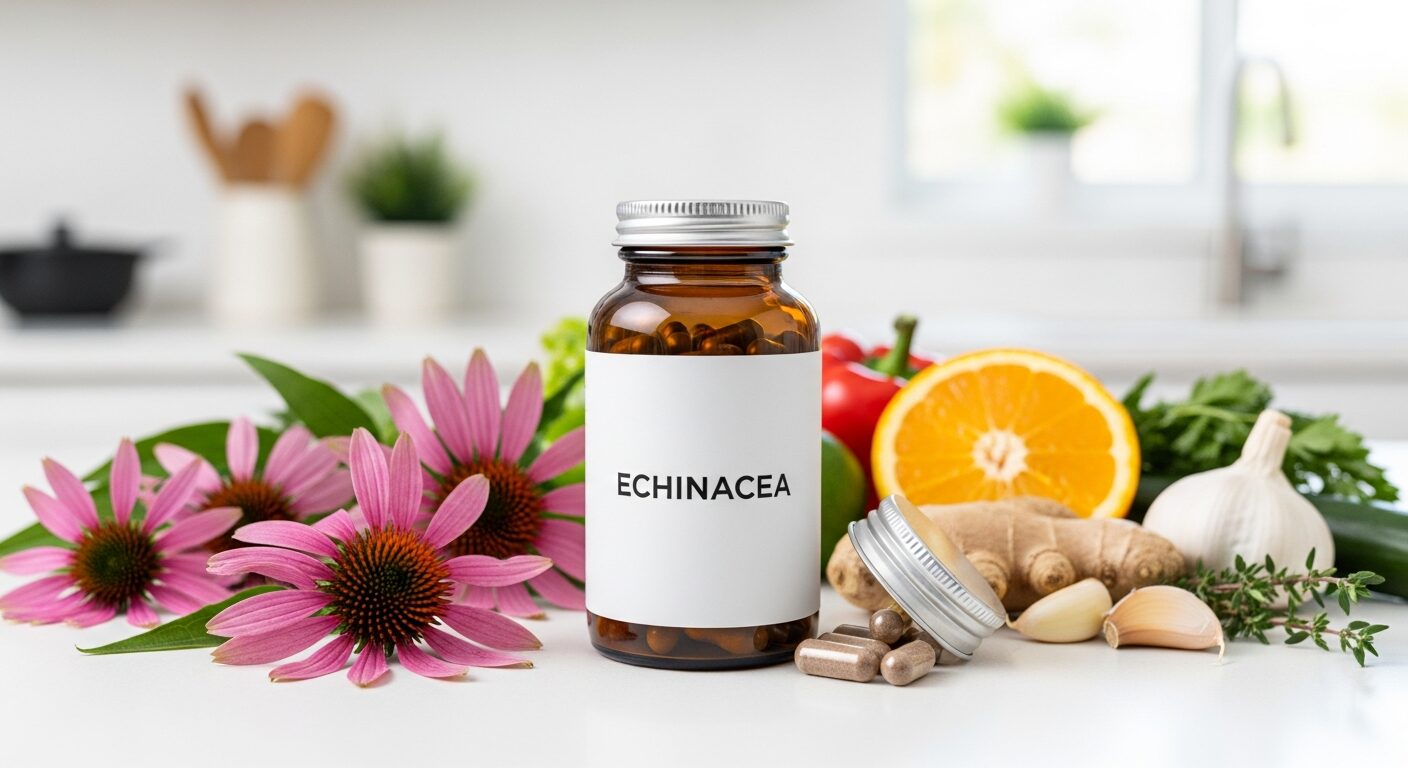
When cold season approaches, millions of people reach for echinacea supplements, hoping this purple wildflower can shield them from sniffles and sneezes. Walk into any pharmacy or health store, and you’ll find shelves lined with echinacea products promising to boost immunity and fight off infections. But does this popular herbal remedy actually live up to its reputation, or is it just another case of wishful thinking disguised as medicine?
The truth about echinacea is more nuanced than most people realize. While some dismiss it as pseudoscience and others swear by its miraculous powers, the reality lies somewhere in between. Decades of research have revealed that echinacea can indeed influence your immune system, but not always in the ways you might expect. Understanding what echinacea actually does in your body—and what it doesn’t do—is crucial for making informed decisions about whether this supplement belongs in your wellness routine.
In this comprehensive guide, we’ll cut through the marketing hype and examine the scientific evidence behind echinacea’s effects on colds and immune function. From debunking common myths to revealing what really happens when you take echinacea consistently, we’ll give you the facts you need to decide if this ancient remedy has a place in modern healthcare.
🌿 Looking for Echinacea supplements? Shop Amazon →
Contents
What is Echinacea
Echinacea, commonly known as purple coneflower, belongs to a genus of flowering plants in the daisy family. Native to North America, these striking purple flowers have been used medicinally for centuries, first by Native American tribes who recognized their therapeutic potential long before European settlers arrived. The name “echinacea” comes from the Greek word “echinos,” meaning hedgehog, referring to the spiky appearance of the flower’s central cone.
Three main species dominate the supplement market: Echinacea purpurea, Echinacea angustifolia, and Echinacea pallida. Each contains different concentrations of active compounds, which helps explain why study results can vary so dramatically. The most commonly used and researched variety is Echinacea purpurea, which contains high levels of phenolic compounds, alkamides, and polysaccharides—the molecules believed to be responsible for the plant’s immune-modulating effects.
Modern echinacea supplements are typically made from the plant’s roots, leaves, flowers, or a combination of these parts. The extraction method matters significantly: some products use alcohol-based tinctures, others rely on water-based extracts, and many use standardized dry extracts. This variation in source material and processing methods contributes to the inconsistency in research results and explains why not all echinacea products are created equal.
Key Benefits of Echinacea
Scientific research has identified several legitimate benefits of echinacea supplementation, though the effects are often more subtle and specific than marketing claims suggest. The most well-documented benefit is echinacea’s ability to modestly reduce the duration and severity of upper respiratory tract infections, including the common cold.
A comprehensive analysis of multiple studies found that echinacea preparations can reduce cold duration by approximately 1.4 days on average. While this might not sound dramatic, for someone suffering through a miserable cold, even a day and a half of relief represents meaningful improvement. Karsch-Völk et al., 2014 demonstrated that echinacea products showed consistent, though modest, benefits for treating colds when taken at the first sign of symptoms.
Echinacea also appears to support immune system function through several mechanisms. Research indicates that certain compounds in echinacea can enhance the activity of macrophages—immune cells that engulf and destroy pathogens. Additionally, echinacea may increase the production of interferons, proteins that help coordinate the immune response against viral infections.
Perhaps more intriguingly, some studies suggest echinacea might help reduce the psychological stress that often accompanies illness. By supporting immune function during times of physical stress, echinacea may help maintain energy levels and overall well-being during recovery from respiratory infections.
Anti-inflammatory properties represent another area where echinacea shows promise. The plant contains compounds that can help reduce inflammatory markers in the body, which may contribute to faster recovery times and reduced symptom severity during illness.
What Most People Get Wrong About Echinacea
Despite its popularity, echinacea is surrounded by more myths and misconceptions than almost any other herbal supplement. These misunderstandings often lead to disappointment and dismissal of what could otherwise be a helpful addition to a comprehensive wellness strategy.
Myth 1: Echinacea Prevents Colds
Perhaps the biggest misconception is that echinacea acts like a vaccine, preventing colds before they start. Many people take echinacea daily throughout cold season, expecting it to create an impenetrable immune shield. However, research shows that echinacea’s preventive effects are minimal at best. Shah et al., 2007 found that while echinacea might slightly reduce the risk of catching a cold, the effect is so small it’s barely statistically significant. Echinacea works much better as a treatment tool than a prevention strategy.
Myth 2: All Echinacea Products Are Equally Effective
Another widespread misconception is that all echinacea supplements deliver the same results. In reality, the type of echinacea, the part of the plant used, the extraction method, and the concentration of active compounds all dramatically affect efficacy. Some studies showing no benefit used poorly standardized extracts or inappropriate dosing regimens. This variability explains why some people swear by echinacea while others see no effects—they’re likely using completely different products.
Myth 3: Echinacea Boosts Immunity Indefinitely
Many people believe that taking echinacea continuously will provide ongoing immune enhancement, but this reflects a misunderstanding of how the supplement actually works. Echinacea doesn’t permanently “boost” immunity like a computer upgrade. Instead, it temporarily modulates immune activity during times of need. Taking echinacea continuously may actually diminish its effectiveness over time, as the immune system adapts to the constant stimulation.
Myth 4: Natural Means Risk-Free
The assumption that echinacea is completely safe because it’s “natural” represents dangerous thinking. While generally well-tolerated, echinacea can cause allergic reactions, interact with certain medications, and may not be appropriate for people with autoimmune conditions. Natural doesn’t automatically mean harmless, and this misconception can lead people to use echinacea inappropriately or ignore important safety considerations.
What Happens to Your Body After 30 Days of Taking Echinacea
Understanding the timeline of echinacea’s effects can help set realistic expectations and optimize your supplementation strategy. Research indicates that echinacea’s impact on the body follows a predictable pattern when used appropriately.
Week 1: Initial Immune System Activation
During the first week of supplementation, echinacea begins interacting with immune system cells, particularly macrophages and natural killer cells. Most people won’t notice obvious changes during this period, as the effects are occurring at the cellular level. Some individuals might experience very mild digestive changes as their system adjusts to the new supplement. If you’re taking echinacea in response to early cold symptoms, you might notice a slight reduction in symptom progression compared to previous illnesses, though this can be subtle.
Week 2: Noticeable Immune Response Changes
By the second week, echinacea’s immune-modulating effects become more pronounced. Goel et al., 2004 found that consistent echinacea supplementation leads to measurable changes in immune cell activity within 10-14 days. If you started taking echinacea while fighting a cold, you should notice improved energy levels and faster symptom resolution compared to your typical recovery pattern. Some users report feeling more resilient to minor stressors during this period.
Weeks 3-4: Peak Benefits and Plateau
The third and fourth weeks represent peak effectiveness for most echinacea products. During this period, immune system modulation reaches its maximum effect, and many people report their best results for symptom management and recovery speed. However, research suggests that benefits may begin to plateau around this time, which is why many herbalists recommend cycling echinacea rather than using it continuously.
Interestingly, some users notice improved stress resilience during weeks 3-4, possibly due to echinacea’s ability to support the immune system during times of physical and emotional stress. Sleep quality may also improve during this period, as the body’s inflammatory responses become more balanced.
It’s important to note that individual responses vary significantly based on factors including baseline immune function, overall health status, diet, stress levels, and the specific echinacea product used. Some people may notice benefits earlier or later than this typical timeline.
Who Should NOT Take Echinacea
While echinacea is generally safe for healthy adults, several groups should exercise caution or avoid echinacea entirely. Understanding these contraindications is crucial for safe supplementation.
People with autoimmune conditions should be particularly cautious with echinacea. Since the supplement can stimulate immune system activity, it may theoretically worsen conditions like rheumatoid arthritis, multiple sclerosis, lupus, or inflammatory bowel disease. While research on this topic is limited, the theoretical risk is significant enough that most healthcare providers recommend avoiding echinacea if you have an autoimmune condition.
Individuals allergic to plants in the daisy family (Asteraceae/Compositae) face the highest risk of allergic reactions to echinacea. This family includes ragweed, chrysanthemums, marigolds, and daisies. Allergic reactions can range from mild skin irritation to severe anaphylaxis, making this contraindication particularly important.
Pregnant and breastfeeding women should consult healthcare providers before using echinacea. While there’s no clear evidence of harm, there’s also insufficient safety data to recommend unrestricted use during pregnancy or lactation. The potential benefits must be weighed against unknown risks during these critical periods.
Children under 12 years old should not take echinacea without medical supervision. Some studies suggest increased risk of allergic reactions in young children, and appropriate dosing guidelines for pediatric populations are not well established.
Echinacea may interact with several medications, particularly immunosuppressive drugs used after organ transplants or for autoimmune conditions. The supplement might also affect the metabolism of certain medications processed by liver enzymes, potentially altering their effectiveness. Anyone taking prescription medications should consult their healthcare provider before adding echinacea to their regimen.
People scheduled for surgery should discontinue echinacea at least two weeks beforehand, as it may affect immune function during the critical healing period and could potentially interact with anesthesia or other surgical medications.
Dosage and Best Forms
Effective echinacea supplementation depends heavily on choosing the right form and using appropriate dosages. The wide variation in available products makes this decision particularly important for achieving desired results.
For treating active cold symptoms, research supports using 300-500mg of standardized Echinacea purpurea extract three times daily, started at the first sign of symptoms. This dosage should be continued for 7-10 days or until symptoms resolve. Higher doses don’t necessarily provide better results and may increase the risk of side effects.
Liquid extracts and tinctures often provide more reliable absorption than capsules, particularly when taken on an empty stomach. Look for products standardized to contain at least 4% phenolic compounds, as these appear to be among the most active ingredients.
Fresh-pressed juice from Echinacea purpurea represents another effective form, though it’s less convenient than standardized extracts. When available, fresh juice should be taken in 6-9ml doses three times daily during active illness.
For occasional preventive use during high-risk periods, lower doses of 150-300mg daily for no more than 8 weeks appear safe and potentially beneficial. However, remember that prevention isn’t echinacea’s strongest suit, and continuous long-term use isn’t recommended.
Quality matters enormously with echinacea products. Choose supplements from reputable manufacturers that provide third-party testing results and clearly identify the species and plant parts used. Avoid products that simply list “echinacea” without specifying the species or standardization.
🌿 Looking for Echinacea Supplements?
Browse top-rated Echinacea supplements, independently tested and recommended by our editorial team.
Affiliate disclosure: We may earn a small commission at no extra cost to you.
Frequently Asked Questions
Can I take echinacea with other immune supplements?
Echinacea can generally be combined safely with other immune-supporting supplements like vitamin C, zinc, and vitamin D. However, avoid combining multiple immune-stimulating herbs like echinacea, astragalus, and elderberry without professional guidance, as the combined effects haven’t been well studied. Always space different supplements apart by at least 2 hours to optimize absorption.
How quickly does echinacea start working?
When used for active cold symptoms, some people notice subtle improvements within 24-48 hours, but significant effects typically become apparent after 3-5 days of consistent use. Echinacea works best when started at the very first sign of illness, not after symptoms are fully established. The key is early intervention and consistent dosing.
Is it safe to take echinacea year-round?
Long-term continuous use of echinacea isn’t recommended and may actually reduce its effectiveness over time. Most herbalists suggest using echinacea cyclically—8 weeks on, 1 week off—if long-term use is desired. However, intermittent use during illness or high-risk periods is generally preferred over continuous supplementation.
Can echinacea help with flu symptoms?
While most research focuses on common cold viruses, echinacea may provide modest benefits for flu-like symptoms as well. However, echinacea is not a substitute for influenza vaccination or antiviral medications when appropriate. It should be viewed as a supportive therapy rather than a primary treatment for influenza.
What’s the difference between the various echinacea species?
Echinacea purpurea is the most researched and widely available form, with the strongest evidence for cold symptom relief. Echinacea angustifolia contains higher concentrations of certain active compounds but is less studied. Echinacea pallida is the least researched of the three main species. For most purposes, standardized E. purpurea extract represents the best choice based on available evidence.
Medical Disclaimer
This article is for informational purposes only and does not constitute medical advice. The information provided should not replace consultation with qualified healthcare professionals. Individual responses to echinacea can vary significantly, and what works for one person may not work for another.
Before starting any new supplement regimen, especially if you have existing health conditions, take medications, or are pregnant or breastfeeding, consult with your healthcare provider. This is particularly important for echinacea, given its potential interactions with certain medications and contraindications for specific health conditions.
If you experience any adverse reactions while taking echinacea, discontinue use immediately and seek medical attention if symptoms are severe. Cold symptoms that worsen significantly, persist beyond 10 days, or are accompanied by high fever, severe headache, or difficulty breathing warrant immediate medical evaluation regardless of supplement use.
The statements in this article have not been evaluated by the Food and Drug Administration. Echinacea is not intended to diagnose, treat, cure, or prevent any disease. Always prioritize proven medical treatments when dealing with serious illness, and view echinacea as a complementary approach rather than a replacement for conventional healthcare.