
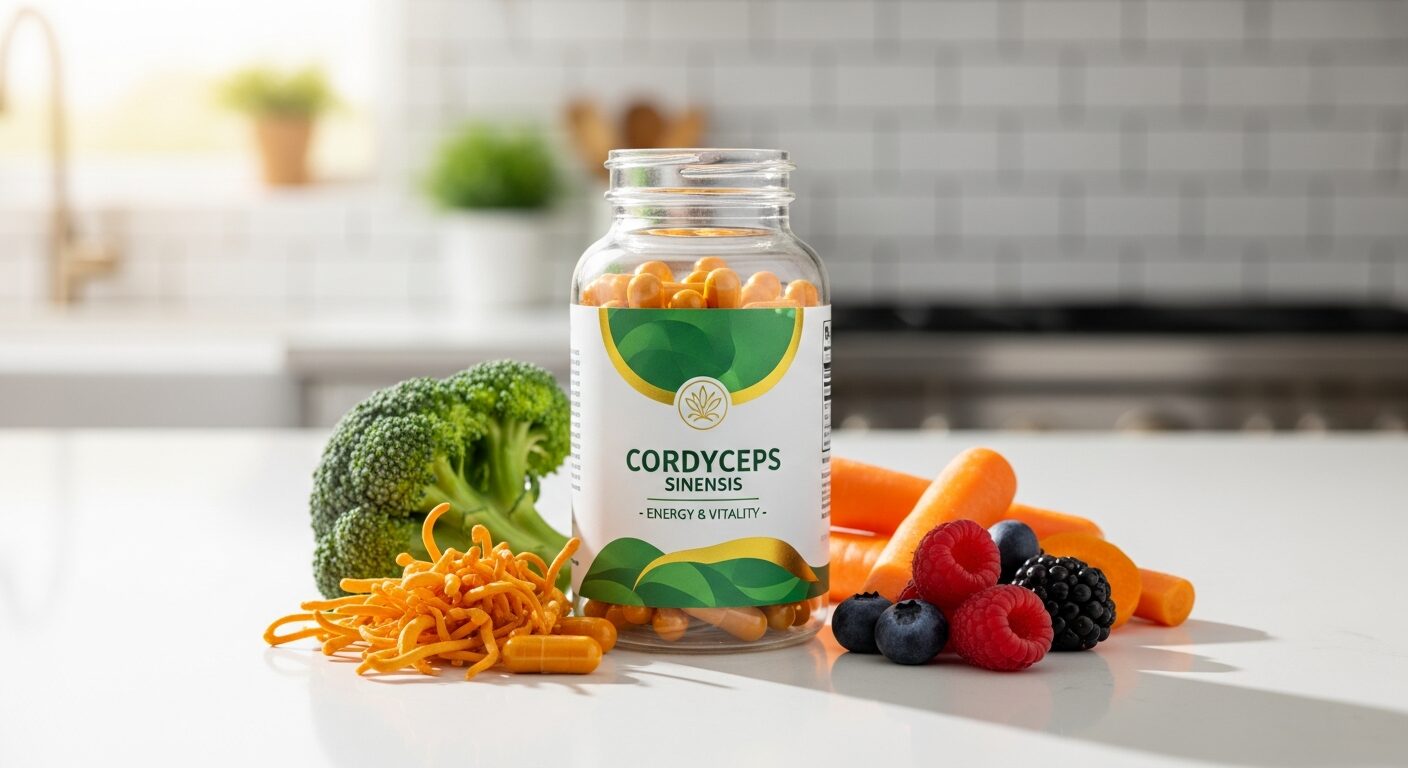
In the misty highlands of Tibet and the Himalayas, local herders have long noticed something peculiar about their yaks. During certain seasons, when the animals grazed on specific mountainous terrain, they displayed remarkable energy and vitality. What the herders discovered was that their livestock were consuming a mysterious fungus that emerged from the ground – what we now know as Cordyceps. This ancient observation has sparked modern scientific inquiry into one of nature’s most fascinating and potent medicinal fungi.
Cordyceps represents a unique intersection of traditional wisdom and cutting-edge research. Unlike typical mushrooms that grow on decaying matter, this parasitic fungus has evolved an extraordinary lifecycle that has captivated both mycologists and health researchers worldwide. Today, as we face increasing challenges with energy depletion, immune dysfunction, and age-related decline, Cordyceps offers a scientifically-backed solution that addresses multiple health concerns simultaneously.
What makes Cordyceps particularly compelling in the supplement world is its dual nature as both an adaptogen and a performance enhancer. While many natural compounds excel in one area, Cordyceps demonstrates remarkable versatility, supporting everything from cellular energy production to immune system regulation, making it an invaluable addition to any comprehensive health regimen.
🌿 Looking for Cordyceps supplements? Shop Amazon →
Contents
What is Cordyceps
Cordyceps is a genus of parasitic fungi that belongs to the family Ophiocordycipitaceae, comprising over 400 different species worldwide. The most well-known and extensively studied species are Cordyceps sinensis and Cordyceps militaris, both of which have been used in traditional Chinese medicine for over a millennium. The name “Cordyceps” derives from the Greek words “kordyle” meaning club, and “ceps” meaning head, referring to the distinctive club-shaped fruiting body that emerges from infected host organisms.
What sets Cordyceps apart from other medicinal mushrooms is its unique parasitic lifestyle. In nature, Cordyceps spores infect insects, particularly caterpillars, gradually consuming the host from the inside while keeping it alive. Eventually, a mushroom-like structure emerges from the host’s body, creating the distinctive appearance that has earned it the nickname “zombie fungus.” This dramatic lifecycle, while fascinating, also makes wild Cordyceps incredibly rare and expensive, with wild Cordyceps sinensis selling for tens of thousands of dollars per kilogram.
Modern cultivation techniques have revolutionized Cordyceps availability through controlled fermentation processes. Today’s supplements typically contain either mycelium (the vegetative part of the fungus) grown on various substrates or fruiting bodies cultivated under laboratory conditions. Cordyceps militaris, in particular, has become the preferred species for commercial cultivation due to its ability to produce high levels of bioactive compounds under controlled conditions, making quality supplements more accessible and affordable.
The primary bioactive compounds responsible for Cordyceps’ health benefits include cordycepin (3′-deoxyadenosine), polysaccharides, sterols, proteins, and various nucleosides. These compounds work synergistically to influence cellular energy metabolism, immune function, and numerous physiological processes throughout the body.
Key Benefits of Cordyceps
Scientific research has identified numerous health benefits associated with regular Cordyceps supplementation, supported by both preclinical studies and human clinical trials. The most prominent benefit is enhanced cellular energy production through improved mitochondrial function. Cordyceps increases the production of adenosine triphosphate (ATP), the primary energy currency of cells, which translates to improved physical performance, reduced fatigue, and better overall vitality.
Athletic performance enhancement represents another significant benefit area. Effects of Cordyceps sinensis on exercise performance in healthy older subjects, 2010 demonstrated that Cordyceps supplementation can improve oxygen utilization, increase VO2 max, and enhance exercise capacity. Athletes and fitness enthusiasts often report improved endurance, faster recovery times, and sustained energy levels during prolonged physical activity.
Immune system modulation constitutes another crucial benefit of Cordyceps supplementation. The fungus acts as an immunomodulator, meaning it can both stimulate immune function when needed and prevent excessive immune responses that could lead to inflammation or autoimmune reactions. This balanced approach to immune support helps maintain optimal immune function across various health conditions and life stages.
Respiratory health support has been extensively documented in traditional use and modern research. Cordyceps appears to improve lung function, increase oxygen uptake efficiency, and support respiratory comfort. This makes it particularly valuable for individuals living in polluted environments, those with respiratory sensitivities, or anyone seeking to optimize their respiratory function.
Blood sugar regulation represents another significant benefit, with research suggesting that Cordyceps can help maintain healthy glucose levels and improve insulin sensitivity. The fungus contains compounds that mimic insulin activity and support glucose metabolism at the cellular level.
Cardiovascular health benefits include support for healthy blood pressure, improved circulation, and enhanced heart function. Regular Cordyceps supplementation may help maintain optimal cardiovascular parameters and support overall heart health through multiple mechanisms.
What Most People Get Wrong About Cordyceps
Myth 1: All Cordyceps Supplements Are the Same
One of the most pervasive misconceptions is that all Cordyceps supplements deliver identical benefits regardless of species, cultivation method, or extraction process. In reality, significant differences exist between Cordyceps sinensis and Cordyceps militaris, with each species containing different concentrations of bioactive compounds. Cordyceps militaris typically contains much higher levels of cordycepin, while Cordyceps sinensis may have different polysaccharide profiles. Additionally, the cultivation substrate, extraction methods, and processing techniques dramatically impact the final product’s potency and bioavailability.
Myth 2: More Expensive Always Means Better Quality
Many consumers assume that higher-priced Cordyceps supplements automatically indicate superior quality, particularly those marketed as “wild-harvested” or “Tibetan Cordyceps.” However, sustainably cultivated Cordyceps militaris often contains higher concentrations of active compounds than expensive wild varieties. Modern cultivation techniques can actually produce more consistent and potent products than wild harvesting, which faces challenges including environmental contamination, seasonal variation, and sustainability concerns.
Myth 3: Cordyceps Works Immediately Like Caffeine
Unlike stimulants that provide immediate energy boosts, Cordyceps works by supporting fundamental cellular processes that require time to manifest. Many people expect instant energy effects similar to caffeine and discontinue use when immediate results don’t occur. Scientific research indicates that Cordyceps’ benefits typically emerge gradually over weeks of consistent use as mitochondrial function improves and cellular adaptations occur.
Myth 4: Cordyceps Is Only Beneficial for Athletes
While Cordyceps has gained popularity among athletes and fitness enthusiasts, limiting its application to sports performance severely underestimates its therapeutic potential. The fungus offers significant benefits for aging adults, individuals with chronic fatigue, those recovering from illness, and people seeking general wellness support. Its adaptogenic properties make it valuable for stress management, immune support, and overall vitality enhancement across diverse populations.
What Happens to Your Body After 30 Days of Taking Cordyceps
Week 1: Initial Cellular Adaptations
During the first week of Cordyceps supplementation, your body begins fundamental cellular adaptations that may not yet be noticeable subjectively. At the mitochondrial level, enzymes involved in ATP production start responding to bioactive compounds like cordycepin. Some individuals with high sensitivity may notice subtle improvements in sleep quality or minor increases in morning energy levels, but most people won’t experience dramatic changes during this initial phase.
Week 2: Emerging Energy Benefits
By the second week, many users begin noticing more sustained energy levels throughout the day, particularly during afternoon hours when energy typically wanes. Physical exercise may feel less demanding, with some individuals reporting improved endurance during workouts or daily activities. The immune system also begins showing enhanced responsiveness, though this may manifest as better resistance to minor environmental stressors rather than obvious immune improvements.
Weeks 3-4: Full Therapeutic Benefits
Cordyceps sinensis improves exercise performance and anti-fatigue effects, 2005 suggests that optimal benefits typically emerge after 3-4 weeks of consistent use. During this period, users commonly report significantly improved exercise capacity, reduced post-workout recovery time, and more consistent daily energy levels. Respiratory function improvements become more apparent, with easier breathing during exertion and potentially reduced respiratory discomfort. Sleep quality often improves markedly, with deeper sleep and more refreshing rest. Blood sugar stability may become noticeable for individuals who previously experienced energy crashes or sugar cravings.
Cognitive benefits also typically peak during this timeframe, including improved mental clarity, better focus, and enhanced stress resilience. The adaptogenic effects become more pronounced, with users reporting better ability to handle both physical and mental stressors without excessive fatigue.
Who Should NOT Take Cordyceps
While Cordyceps is generally well-tolerated by most individuals, certain populations should exercise caution or avoid supplementation entirely. Pregnant and breastfeeding women should avoid Cordyceps due to insufficient safety data regarding fetal development and infant exposure through breast milk. The powerful bioactive compounds in Cordyceps could potentially affect hormonal balance or fetal development in ways that haven’t been thoroughly studied.
Individuals with autoimmune conditions such as multiple sclerosis, lupus, rheumatoid arthritis, or other immune system disorders should consult healthcare providers before using Cordyceps. While the fungus acts as an immunomodulator rather than a simple immune stimulant, its effects on already dysregulated immune systems remain unpredictable and could potentially exacerbate autoimmune symptoms.
People taking anticoagulant medications or those with bleeding disorders should exercise particular caution, as Cordyceps may have mild blood-thinning properties that could interact with medications like warfarin, heparin, or antiplatelet drugs. This interaction could potentially increase bleeding risk or alter medication effectiveness.
Individuals scheduled for surgery should discontinue Cordyceps supplementation at least two weeks prior to procedures due to potential effects on blood clotting and possible interactions with anesthesia. The fungus’s influence on various physiological systems could complicate surgical procedures or recovery.
Those with severe kidney or liver disease should avoid Cordyceps without medical supervision, as compromised organ function could affect the body’s ability to properly process and eliminate the fungus’s bioactive compounds. Additionally, people taking medications for diabetes should monitor blood sugar levels closely when starting Cordyceps, as the supplement may enhance insulin sensitivity and require medication adjustments.
Dosage and Best Forms
Optimal Cordyceps dosage varies significantly based on the specific product form, extraction method, and individual health goals. For general wellness and energy support, most research supports daily doses ranging from 1,000 to 3,000 mg of Cordyceps extract or mycelium powder. Athletic performance enhancement may require higher doses, typically 3,000 to 6,000 mg daily, divided into two or three doses for optimal absorption and sustained effects.
The most bioavailable forms include standardized extracts containing specific concentrations of active compounds like cordycepin and polysaccharides. Look for products that specify the extraction ratio and active compound percentages, as these indicate quality and potency. Fruiting body extracts generally contain higher concentrations of bioactive compounds compared to mycelium products grown on grain substrates.
Timing recommendations suggest taking Cordyceps in the morning or early afternoon to avoid potential sleep disruption, although most users don’t experience stimulant-like effects. Taking supplements with food may improve absorption and reduce the minimal risk of digestive discomfort. For exercise performance, taking Cordyceps 30-60 minutes before workouts may optimize benefits.
Quality considerations include third-party testing for purity, organic certification when possible, and verification of species and active compound content. Reputable manufacturers provide certificates of analysis showing exact cordycepin content, heavy metal testing, and microbiological safety verification.
🌿 Looking for Cordyceps Supplements?
Browse top-rated Cordyceps supplements, independently tested and recommended by our editorial team.
Affiliate disclosure: We may earn a small commission at no extra cost to you.
Frequently Asked Questions
Can I take Cordyceps with other supplements?
Cordyceps generally combines well with other supplements and may even enhance their effectiveness. Popular combinations include Cordyceps with other medicinal mushrooms like Reishi or Lion’s Mane, adaptogens like Rhodiola or Ashwagandha, and basic vitamins and minerals. However, avoid combining with stimulants if you’re sensitive to energy-enhancing compounds, and consult healthcare providers when combining with medications or therapeutic supplements.
How long should I take Cordyceps to see results?
Most users begin noticing benefits within 1-2 weeks of consistent use, with optimal effects typically emerging after 3-4 weeks. Cordyceps sinensis supplementation and exercise performance in healthy older adults, 2009 demonstrates that sustained benefits require ongoing supplementation, as effects gradually diminish when supplementation stops. For best results, plan on at least 6-8 weeks of consistent use to fully evaluate Cordyceps’ benefits for your specific health goals.
Is Cordyceps safe for long-term use?
Current research and traditional use patterns suggest that Cordyceps is safe for long-term supplementation in healthy individuals when used at recommended doses. Traditional Chinese medicine has used Cordyceps for centuries without significant safety concerns. However, periodic breaks or cycling may be beneficial, and ongoing medical supervision is recommended for individuals with health conditions or those taking medications.
Will Cordyceps keep me awake at night?
Unlike caffeine or other stimulants, Cordyceps typically doesn’t cause sleep disruption or jitteriness. The energy enhancement comes from improved cellular efficiency rather than nervous system stimulation. Many users actually report improved sleep quality with Cordyceps use. However, sensitive individuals may want to avoid late-day doses initially to assess personal response.
What’s the difference between Cordyceps sinensis and Cordyceps militaris?
While both species offer health benefits, they differ in active compound profiles and cultivation methods. Cordyceps militaris typically contains higher levels of cordycepin and is more easily cultivated, making it more affordable and consistent. Cordyceps sinensis has longer traditional use history but is extremely expensive when wild-harvested and difficult to cultivate. Most quality supplements use Cordyceps militaris due to its superior active compound content and sustainability.
Medical Disclaimer
The information provided in this article is for educational purposes only and is not intended to diagnose, treat, cure, or prevent any disease. Cordyceps supplements have not been evaluated by the Food and Drug Administration for medical use. Individual results may vary, and the information presented should not replace professional medical advice. Always consult with a qualified healthcare provider before starting any new supplement regimen, especially if you have existing health conditions, are taking medications, or are pregnant or breastfeeding. This content is not intended to provide medical advice or serve as a substitute for professional medical consultation, diagnosis, or treatment.