
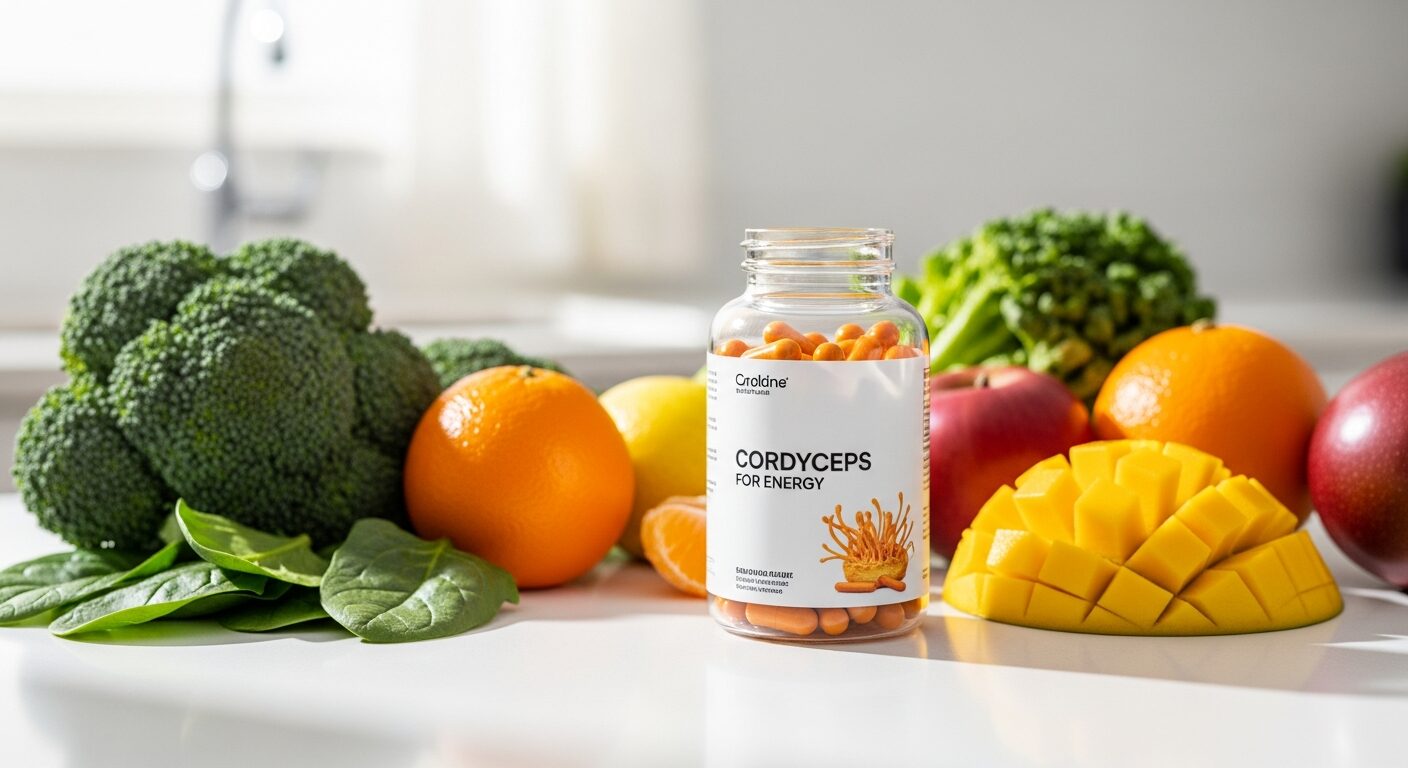
In the world of functional mushrooms and natural energy supplements, few organisms command as much fascination as Cordyceps. This unique fungus has captured the attention of both traditional healers and modern researchers, promising enhanced energy, improved athletic performance, and better overall vitality. But beyond the marketing hype lies a complex biological story that’s both more nuanced and more compelling than many people realize.
Unlike synthetic stimulants that provide quick but temporary energy spikes, Cordyceps appears to work at a cellular level, potentially optimizing how your body produces and utilizes energy. The research suggests this isn’t just another caffeine alternative, but rather a sophisticated biological tool that may enhance mitochondrial function, improve oxygen utilization, and support your body’s natural energy systems. Understanding the science behind Cordyceps can help you make informed decisions about whether this remarkable fungus belongs in your wellness routine.
🌿 Looking for Cordyceps supplements? Shop Amazon →
Contents
What is Cordyceps
Cordyceps is a genus of parasitic fungi that has been used in traditional Chinese medicine for over 1,500 years. The most well-known species, Cordyceps sinensis, grows naturally on the Tibetan plateau, where it parasitizes ghost moth caterpillars in a fascinating but gruesome process. The fungus invades the caterpillar’s body, eventually consuming it from the inside and sprouting a fruiting body that emerges from the host’s head.
Due to the rarity and extreme cost of wild Cordyceps sinensis, most commercial supplements today contain Cordyceps militaris or cultivated mycelium of Cordyceps sinensis. These laboratory-grown versions can be produced consistently and contain many of the same bioactive compounds found in their wild counterparts. The key active compounds include cordycepin, polysaccharides, sterols, and various nucleosides that contribute to the mushroom’s potential health benefits.
Modern cultivation methods have made Cordyceps more accessible and affordable while maintaining potency. Researchers have identified that cultivated Cordyceps can actually contain higher concentrations of certain beneficial compounds compared to wild varieties, making them an excellent option for supplementation. The fungus is typically processed into powder form, extracts, or capsules, with different preparation methods affecting the concentration and bioavailability of active compounds.
Key Benefits of Cordyceps
Research into Cordyceps has revealed several potential mechanisms by which this fungus may enhance energy and overall health. One of the most significant areas of study involves its effects on cellular energy production. Cordyceps appears to enhance ATP production in mitochondria, potentially improving cellular energy metabolism, 2010. This fundamental cellular process could explain why users often report sustained energy improvements rather than the quick highs and crashes associated with stimulants.
Athletic performance represents another area where Cordyceps has shown promise. Studies suggest that regular supplementation may improve exercise capacity, reduce fatigue, and enhance recovery times. The mechanism likely involves improved oxygen utilization and enhanced blood flow, which can benefit both endurance and strength activities. Some research indicates that Cordyceps may increase the body’s production of adenosine triphosphate (ATP), the primary energy currency of cells.
Beyond energy enhancement, Cordyceps demonstrates potential immune-supporting properties. The polysaccharides found in the fungus may help modulate immune function, potentially supporting the body’s natural defense mechanisms without overstimulation. Additionally, preliminary research suggests Cordyceps may support healthy blood sugar levels, cardiovascular function, and respiratory health, though more human studies are needed to confirm these effects.
The adaptogenic properties of Cordyceps are particularly noteworthy. Like other adaptogenic substances, Cordyceps may help the body better respond to various stressors, potentially supporting balanced energy levels throughout the day. This could explain why many users report feeling more resilient to both physical and mental fatigue when taking Cordyceps regularly.
What Most People Get Wrong About Cordyceps
One of the most persistent misconceptions about Cordyceps is that it works like a stimulant, providing immediate energy boosts similar to caffeine. This belief leads many people to take Cordyceps expecting instant results and then dismiss it when they don’t feel an immediate rush. In reality, Cordyceps works primarily by supporting mitochondrial function and cellular metabolism, effects that typically develop over weeks rather than minutes, 2005. The energy enhancement from Cordyceps is more subtle and sustainable, building gradually as your cellular energy systems optimize.
Another common myth suggests that all Cordyceps supplements are essentially the same, leading consumers to choose products based solely on price. This assumption ignores significant differences in species, cultivation methods, and extraction processes. Cordyceps sinensis and Cordyceps militaris contain different profiles of bioactive compounds, and the way these fungi are grown and processed dramatically affects their potency. Some products contain mostly inactive biomass, while others provide concentrated extracts with standardized levels of active compounds.
Many people also believe that higher doses of Cordyceps automatically provide better results. This “more is better” mentality can actually be counterproductive, as research suggests Cordyceps may work optimally within specific dosage ranges. Taking excessive amounts doesn’t necessarily enhance benefits and may even cause unwanted side effects in some individuals. The key is finding the minimum effective dose that provides desired results.
Perhaps the most surprising misconception involves the belief that Cordyceps is primarily a male enhancement supplement. While some studies have explored Cordyceps’ effects on reproductive health, this represents just one small area of research. The fungus shows promise for energy, immune function, and overall vitality in both men and women, regardless of age or specific health goals. This narrow perception limits people’s understanding of Cordyceps’ broader potential benefits.
What Happens to Your Body After 30 Days of Taking Cordyceps
During the first week of Cordyceps supplementation, most people experience subtle changes that are easy to overlook. Your cellular machinery begins adapting to the bioactive compounds, particularly cordycepin and polysaccharides. Some individuals report slightly improved sleep quality or reduced afternoon energy dips, though these effects are typically mild. Your mitochondria start responding to the presence of nucleosides that support ATP production, but significant energy improvements usually haven’t manifested yet.
By week two, many users notice more obvious changes in their energy patterns. Morning fatigue may decrease, and the typical post-lunch energy crash often becomes less severe. Research suggests that Cordyceps’ effects on oxygen utilization and cellular metabolism become more pronounced after consistent use, typically beginning around the second week, 2006. Exercise tolerance may start improving, with some people noticing they can maintain intensity for longer periods or recover more quickly between workouts.
Weeks three and four typically represent the period when Cordyceps’ full benefits become apparent. Energy levels often stabilize at a higher baseline, with less dramatic fluctuations throughout the day. Many users report improved mental clarity and focus, likely related to better cellular energy production in brain tissue. Physical performance improvements become more consistent, and some people notice enhanced resilience to stress and fatigue.
By the end of 30 days, the cumulative effects of Cordyceps supplementation often include more stable energy levels, improved exercise capacity, and better overall vitality. However, it’s important to note that individual responses vary significantly based on factors like baseline health, diet, lifestyle, and the specific Cordyceps product used. Some people may notice benefits earlier, while others require longer consistent use to experience significant changes.
Who Should NOT Take Cordyceps
Pregnant and breastfeeding women should avoid Cordyceps supplementation due to insufficient safety data in these populations. While no specific studies have identified risks during pregnancy or lactation, the lack of comprehensive research makes it prudent to err on the side of caution. The hormonal changes during pregnancy and the potential for compounds to transfer through breast milk create additional considerations that haven’t been adequately studied.
Individuals taking blood-thinning medications should exercise particular caution with Cordyceps, as some research suggests it may have anticoagulant properties. This could potentially enhance the effects of warfarin, aspirin, or other blood thinners, increasing bleeding risk. Anyone on anticoagulant therapy should consult their healthcare provider before starting Cordyceps and may require more frequent monitoring of their clotting parameters.
People with autoimmune conditions represent another group that should approach Cordyceps carefully. While the mushroom’s immune-modulating properties might seem beneficial, they could potentially exacerbate conditions like multiple sclerosis, rheumatoid arthritis, or lupus. The immune system stimulation that might benefit healthy individuals could worsen autoimmune activity in susceptible people.
Those scheduled for surgery should discontinue Cordyceps at least two weeks before their procedure. The potential effects on blood clotting and blood sugar, combined with possible interactions with anesthesia or other medications used during surgery, create unnecessary risks. Additionally, individuals with bleeding disorders, severe diabetes, or those taking immunosuppressive medications should consult healthcare providers before using Cordyceps supplements.
Dosage and Best Forms
The optimal Cordyceps dosage varies depending on the specific product, extraction method, and individual goals. Most research studies have used doses ranging from 1 to 3 grams daily of Cordyceps sinensis mycelium, though some studies have explored higher doses up to 6 grams daily. For Cordyceps militaris, effective doses typically range from 300mg to 1000mg daily of standardized extract.
Extract potency represents a crucial factor in determining appropriate dosage. Products containing 1:1 extracts require higher doses than concentrated extracts standardized to specific compounds like cordycepin or polysaccharides. Always follow manufacturer recommendations and consider starting with lower doses to assess individual tolerance before increasing to therapeutic levels.
Regarding forms, standardized extracts generally provide more consistent results than raw mushroom powder. Look for products that specify the concentration of active compounds, particularly cordycepin or beta-glucans. Capsules offer convenience and precise dosing, while powders can be mixed into foods or beverages. Some people prefer liquid extracts for potentially better absorption, though solid evidence comparing bioavailability between forms remains limited.
Timing can influence Cordyceps’ effectiveness, with many people finding morning or pre-workout supplementation most beneficial for energy enhancement. Taking Cordyceps with food may improve absorption and reduce the likelihood of stomach upset in sensitive individuals. Consistency matters more than specific timing, so choose a schedule you can maintain long-term.
🌿 Looking for Cordyceps Supplements?
Browse top-rated Cordyceps supplements, independently tested and recommended by our editorial team.
Affiliate disclosure: We may earn a small commission at no extra cost to you.
Frequently Asked Questions
How long does it take to feel the effects of Cordyceps?
Most people begin noticing subtle effects within 1-2 weeks of consistent use, with more significant benefits typically developing over 3-4 weeks. Unlike stimulants that provide immediate effects, Cordyceps works by gradually optimizing cellular energy production, requiring time for your body’s systems to adapt and respond.
Can I take Cordyceps with coffee or other stimulants?
Cordyceps generally combines well with moderate amounts of caffeine, as they work through different mechanisms. However, start conservatively since some people may experience increased stimulation. The goal is often to reduce reliance on caffeine over time as Cordyceps provides more sustainable energy support.
Is Cordyceps safe for long-term use?
Current research suggests Cordyceps is generally safe for long-term use in healthy adults when taken at recommended doses. Traditional use spans centuries, and modern studies haven’t identified significant safety concerns with extended supplementation. However, periodic breaks or cycling may be beneficial, and ongoing medical supervision is advisable for extended use.
Will Cordyceps interfere with my sleep?
Unlike stimulants, Cordyceps typically doesn’t interfere with sleep and may actually improve sleep quality for some people. Its energy-enhancing effects work by optimizing natural cellular processes rather than artificially stimulating the nervous system. Take your last dose earlier in the day if you’re particularly sensitive to any supplements.
What’s the difference between Cordyceps sinensis and Cordyceps militaris?
Both species offer health benefits, but with slightly different compound profiles. Cordyceps militaris typically contains higher levels of cordycepin, while Cordyceps sinensis has been more extensively studied in traditional medicine. Militaris is easier to cultivate commercially, making it more common and affordable in supplements, while maintaining similar energy-supporting properties.
Medical Disclaimer
The information provided in this article is for educational purposes only and is not intended to replace professional medical advice, diagnosis, or treatment. Always consult with a qualified healthcare provider before starting any new supplement regimen, especially if you have existing health conditions, take medications, or are pregnant or breastfeeding. Individual responses to supplements can vary significantly, and what works for one person may not be appropriate for another. The statements regarding Cordyceps have not been evaluated by the Food and Drug Administration, and this product is not intended to diagnose, treat, cure, or prevent any disease.