
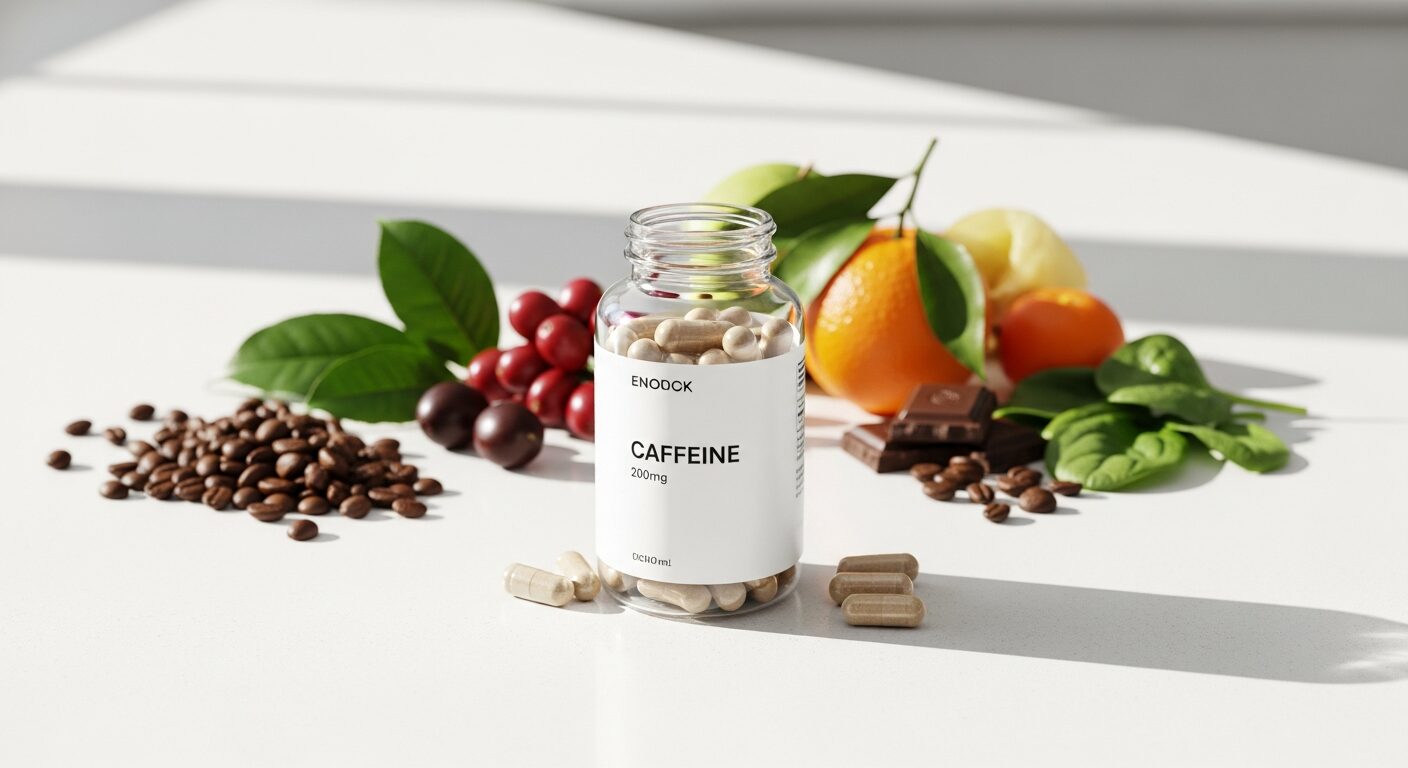
When it comes to enhancing workout performance and boosting energy levels, the supplement world offers countless options. Among the most popular choices are standalone caffeine supplements and comprehensive pre-workout formulas. Both promise increased energy, improved focus, and enhanced athletic performance, but which one truly delivers better results?
This debate isn’t just about personal preference – it’s about understanding the science behind these supplements and how they affect your body. While pre-workout supplements often contain caffeine as a primary ingredient alongside other compounds, pure caffeine offers a more targeted approach with predictable effects. The choice between these options can significantly impact your training outcomes, energy levels throughout the day, and even your long-term health.
In this comprehensive analysis, we’ll examine the scientific evidence behind both options, explore common misconceptions, and help you determine which approach aligns best with your fitness goals and individual physiology.
🌿 Looking for Caffeine supplements? Shop Amazon →
Contents
What is Caffeine
Caffeine is a naturally occurring stimulant belonging to a class of compounds called methylxanthines. Found in over 60 plant species including coffee beans, tea leaves, cocoa beans, and guarana, caffeine serves as a natural pesticide that protects plants from insects and other pests.
From a biochemical perspective, caffeine works primarily by blocking adenosine receptors in the brain. Adenosine is a neurotransmitter that promotes sleepiness and relaxation. When caffeine occupies these receptor sites, it prevents adenosine from binding, resulting in increased alertness and reduced perception of fatigue. This mechanism also triggers the release of other neurotransmitters like dopamine and norepinephrine, contributing to improved mood and enhanced cognitive function.
Once consumed, caffeine is rapidly absorbed through the gastrointestinal tract, with peak blood levels typically reached within 30-45 minutes. The compound has a half-life of approximately 3-7 hours in healthy adults, though this can vary significantly based on factors like genetics, liver function, pregnancy status, and concurrent medications. The liver metabolizes caffeine primarily through the enzyme CYP1A2, breaking it down into several metabolites that are eventually eliminated through urine.
Key Benefits of Caffeine
Scientific research has consistently demonstrated caffeine’s effectiveness across multiple domains of human performance. One of the most well-established benefits is enhanced cognitive function. Caffeine improves attention, working memory, and reaction time, making it valuable not only for physical performance but also for mental tasks requiring sustained concentration.
For athletic performance, caffeine provides several measurable advantages. It increases fat oxidation, allowing the body to use stored fat as fuel more efficiently while preserving glycogen stores. This metabolic shift can be particularly beneficial for endurance activities. Additionally, caffeine reduces the rate of perceived exertion, meaning you can maintain higher intensities while feeling like you’re working at a lower effort level.
Caffeine also enhances neuromuscular function by improving calcium release from the sarcoplasmic reticulum in muscle cells, leading to stronger muscle contractions. This effect can translate to increased power output and strength during resistance training. Studies have shown that caffeine supplementation can improve performance in activities ranging from short-term high-intensity efforts to prolonged endurance exercise.
Beyond performance benefits, caffeine offers several health advantages when consumed in moderate amounts. It has been associated with reduced risk of certain diseases including Parkinson’s disease, Alzheimer’s disease, and type 2 diabetes. The compound also possesses antioxidant properties and may support liver health when consumed as part of a balanced lifestyle.
What Most People Get Wrong About Caffeine
Despite caffeine’s widespread use, numerous misconceptions persist about its effects and optimal usage. One of the most pervasive myths is that caffeine causes dehydration. While caffeine does have mild diuretic properties, research shows that regular caffeine consumers develop tolerance to this effect within 3-5 days. The fluid consumed with caffeinated beverages typically more than compensates for any increased urine output, making coffee and tea net contributors to daily hydration status.
Another common misconception is that caffeine tolerance completely eliminates all benefits. While it’s true that some effects diminish with regular use, particularly the subjective feelings of alertness and energy, many performance benefits remain intact. Studies demonstrate that habitual caffeine users still experience improvements in endurance performance, cognitive function, and fat oxidation even after developing tolerance to the stimulant effects.
Many people also believe that timing caffeine intake doesn’t matter as long as you avoid it before bedtime. However, research reveals that caffeine consumed even 6 hours before sleep can significantly reduce sleep quality and duration. Given caffeine’s long half-life, strategic timing becomes crucial for optimizing both performance benefits and sleep quality. The optimal approach involves consuming caffeine during your natural circadian alertness peaks while avoiding intake during the 8-10 hours before intended sleep time.
Perhaps the most dangerous misconception is that “natural” caffeine sources are inherently safer than synthetic forms. The molecular structure of caffeine is identical regardless of its source, and the body processes it in exactly the same way. What differs is the presence of other compounds in natural sources, which can sometimes enhance or modify caffeine’s effects. However, this doesn’t make natural sources universally superior – synthetic caffeine offers more precise dosing and eliminates variables that might cause inconsistent responses.
What Happens to Your Body After 30 Days of Taking Caffeine
The first week of regular caffeine supplementation typically brings the most noticeable subjective changes. New users often experience significant increases in alertness, energy levels, and mood enhancement. During this period, caffeine’s effects on sleep architecture may be most pronounced, with potential reductions in deep sleep and increased sleep latency. The body also begins increasing the number of adenosine receptors to compensate for caffeine’s blocking action, laying the groundwork for tolerance development.
By the second week, physiological adaptation becomes more apparent. Regular caffeine consumption leads to upregulation of adenosine receptors, which explains why the same dose begins to feel less stimulating. However, performance benefits often remain stable or even improve as users learn to optimize timing and dosing. Sleep patterns may normalize somewhat as circadian rhythms adapt, though this depends heavily on intake timing and individual sensitivity.
During weeks three and four, most users reach a steady state where tolerance has largely developed but performance benefits stabilize. Interestingly, this is when some of caffeine’s more subtle but important effects become most apparent. Regular users often report improved consistency in energy levels throughout the day, better exercise capacity, and enhanced cognitive performance during mentally demanding tasks. The body’s increased efficiency at metabolizing caffeine may also mean that individual responses become more predictable.
Research indicates that long-term caffeine use may confer additional health benefits that aren’t immediately apparent. Chronic caffeine consumption has been associated with neuroprotective effects and reduced inflammation markers in some populations. However, these benefits require consistent, moderate intake rather than sporadic high doses.
Who Should NOT Take Caffeine
Certain populations should avoid or strictly limit caffeine intake due to increased risk of adverse effects. Pregnant women face particular concerns, as caffeine crosses the placental barrier and can affect fetal development. Current guidelines recommend limiting intake to no more than 200mg daily during pregnancy, with some experts suggesting complete avoidance during the first trimester when organogenesis occurs.
Individuals with cardiovascular conditions including arrhythmias, uncontrolled hypertension, or a history of heart attack should consult with healthcare providers before using caffeine supplements. While moderate caffeine intake is generally safe for most people with heart conditions, the concentrated doses found in supplements may pose risks for vulnerable individuals. Similarly, people with anxiety disorders may find that caffeine exacerbates symptoms, particularly panic attacks and generalized anxiety.
Several medications interact significantly with caffeine, requiring careful consideration or complete avoidance. Certain antibiotics like ciprofloxacin can dramatically reduce caffeine metabolism, leading to prolonged and intensified effects. Stimulant medications for ADHD may have additive effects with caffeine, potentially causing dangerous increases in heart rate and blood pressure. Blood thinners, certain asthma medications, and some antidepressants also interact with caffeine in clinically significant ways.
Adolescents represent another population requiring special consideration. While occasional caffeine intake is generally safe for teens, regular supplementation during periods of rapid brain development may have unknown consequences. Additionally, adolescents are more susceptible to sleep disruption from caffeine, which can impact academic performance and emotional regulation.
Anyone experiencing persistent insomnia, chronic headaches, digestive issues, or unexplained anxiety should evaluate their caffeine intake with a healthcare provider. These symptoms may indicate caffeine sensitivity or underlying conditions that could be exacerbated by stimulant use.
Dosage and Best Forms
Effective caffeine dosing depends on individual factors including body weight, tolerance status, and intended use. For cognitive enhancement and general alertness, doses of 50-200mg are typically sufficient for most adults. Athletic performance benefits generally require higher doses, with research supporting 3-6mg per kilogram of body weight consumed 30-60 minutes before exercise.
Caffeine anhydrous tablets or capsules represent the most precise and cost-effective option for supplementation. These forms provide exact dosing without additional calories or variables that might affect absorption. The anhydrous form dissolves quickly and offers predictable pharmacokinetics, making it ideal for users who want consistent effects.
Liquid caffeine solutions offer faster absorption and may be preferable for pre-workout use when rapid onset is desired. However, liquid forms require careful measurement to avoid accidental overdosing. Some users prefer caffeine in combination with L-theanine, an amino acid that may smooth out caffeine’s stimulating effects while preserving cognitive benefits.
Timing strategies can significantly impact caffeine’s effectiveness and side effects. For most people, intake should align with natural cortisol peaks, typically 1-2 hours after waking rather than immediately upon rising. This approach maximizes alertness benefits while working with natural circadian rhythms. Multiple smaller doses throughout the day may provide more sustained energy than single large doses, though total daily intake should remain within safe limits.
🌿 Looking for Caffeine Supplements?
Browse top-rated Caffeine supplements, independently tested and recommended by our editorial team.
Affiliate disclosure: We may earn a small commission at no extra cost to you.
Frequently Asked Questions
Is caffeine better than pre-workout supplements?
Caffeine offers several advantages over multi-ingredient pre-workout supplements, including predictable effects, lower cost, and no unnecessary additives. However, some people benefit from the synergistic effects of ingredients commonly found in pre-workouts, such as beta-alanine or citrulline malate. The choice depends on your specific goals, budget, and tolerance for stimulants.
How long should I cycle off caffeine?
Caffeine cycling isn’t necessary for most users, but periodic breaks can help reset tolerance and evaluate dependency. If you choose to cycle, 1-2 weeks off every 2-3 months is typically sufficient to restore sensitivity. Gradual reduction rather than abrupt cessation minimizes withdrawal symptoms like headaches and fatigue.
Can I take caffeine every day safely?
Daily caffeine intake up to 400mg is considered safe for most healthy adults according to major health organizations. However, individual tolerance varies significantly, and some people may experience adverse effects at lower doses. Regular users should monitor for signs of dependence and ensure caffeine isn’t interfering with sleep quality.
What’s the difference between natural and synthetic caffeine?
Chemically, natural and synthetic caffeine are identical molecules that produce the same physiological effects. Natural sources may contain additional compounds that modify absorption or effects, while synthetic caffeine offers more precise dosing. Neither form is inherently superior – the choice often comes down to personal preference and cost considerations.
When is the best time to take caffeine for workouts?
Peak caffeine levels occur 30-45 minutes after consumption, making this the optimal timing before exercise. However, individual response varies, and some people may benefit from taking caffeine 60-90 minutes before training. Experiment with timing to find what works best for your schedule and physiology while avoiding late-day intake that might disrupt sleep.
Medical Disclaimer
The information provided in this article is for educational and informational purposes only and is not intended as medical advice. Always consult with a qualified healthcare professional before starting any new supplement regimen, especially if you have pre-existing medical conditions, take medications, or are pregnant or breastfeeding. Individual responses to caffeine can vary significantly, and what works for one person may not be appropriate for another. The statements in this article have not been evaluated by the Food and Drug Administration, and the products discussed are not intended to diagnose, treat, cure, or prevent any disease.