
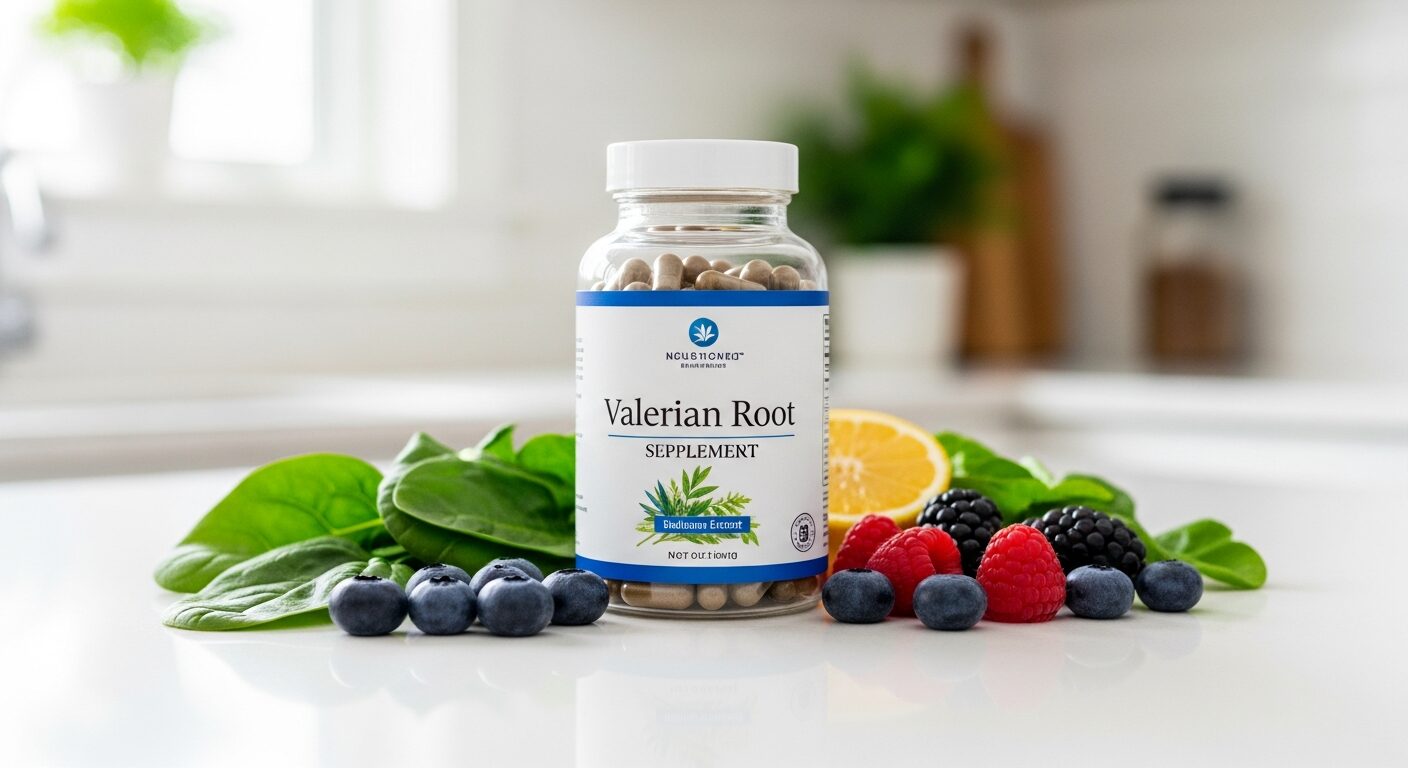
If you’ve ever found yourself tossing and turning at 2 AM, desperately searching for a natural solution to help you sleep, you’ve likely encountered valerian root. This ancient herbal remedy has been quietly helping people achieve better sleep and relaxation for over 2,000 years, long before modern sleep medications existed. Yet despite its widespread use and growing popularity in the supplement world, valerian root remains one of the most misunderstood natural remedies available today.
What makes valerian root particularly fascinating is how it works differently than you might expect. While many people assume it’s simply a “natural sleeping pill,” the reality is far more nuanced. Valerian root doesn’t knock you out like a pharmaceutical sleep aid – instead, it works with your body’s natural systems to promote relaxation and improve sleep quality. This distinction is crucial for understanding how to use it effectively and what realistic expectations to have.
In this comprehensive guide, we’ll explore everything you need to know about valerian root, from its scientific mechanisms to practical usage guidelines. We’ll also debunk several persistent myths that could be preventing you from getting the most out of this remarkable herb, and reveal what actually happens in your body when you take it consistently for 30 days.
🌿 Looking for Valerian Root supplements? Shop Amazon →
Contents
What is Valerian Root
Valerian root comes from Valeriana officinalis, a perennial flowering plant native to Europe and parts of Asia. The medicinal properties are concentrated in the plant’s root system, which contains a complex mixture of bioactive compounds including valerenic acid, isovaleric acid, and various volatile oils. These compounds work synergistically to produce valerian’s characteristic calming effects.
The herb has been used medicinally since ancient Greek and Roman times, with Hippocrates describing its therapeutic properties as early as 460 BCE. During World War I and II, valerian was widely used in Europe to treat shell shock and anxiety disorders when conventional medications were scarce. Today, it’s one of the most researched herbal sleep aids, with numerous clinical studies examining its effects on sleep quality, anxiety, and nervous system function.
What sets valerian apart from other herbal remedies is its unique mechanism of action. Unlike sedative medications that suppress central nervous system activity, valerian appears to enhance the activity of gamma-aminobutyric acid (GABA), your brain’s primary inhibitory neurotransmitter. This creates a gentle, natural calming effect without the grogginess or dependency issues associated with prescription sleep medications.
The root itself has a distinctive earthy, somewhat pungent aroma that some describe as unpleasant. This strong smell is actually a good indicator of potency – fresh, high-quality valerian root should have a pronounced odor due to its volatile oil content. The smell comes primarily from isovaleric acid, the same compound that gives aged cheese its distinctive scent.
Key Benefits of Valerian Root
The primary benefit of valerian root lies in its ability to improve sleep quality and reduce the time it takes to fall asleep. Clinical research has demonstrated that valerian can reduce sleep latency (the time it takes to fall asleep) by an average of 15-20 minutes and improve overall sleep quality ratings among participants. Unlike pharmaceutical sleep aids, valerian doesn’t appear to disrupt natural sleep architecture or cause significant morning drowsiness.
Beyond sleep, valerian root shows promise for managing anxiety and stress-related symptoms. The herb’s GABA-enhancing properties help calm an overactive nervous system, making it useful for people dealing with general anxiety, work-related stress, or situational nervousness. Some users report feeling more emotionally balanced and less reactive to daily stressors when taking valerian regularly.
Emerging research suggests valerian may also support cognitive function, particularly in areas affected by chronic stress and poor sleep. By improving sleep quality and reducing anxiety, valerian indirectly supports better memory consolidation, improved focus, and enhanced mental clarity during waking hours. Some studies have noted improvements in attention span and reduced mental fatigue among regular users.
Additionally, valerian root may help with physical symptoms related to stress and tension. Some people find it helpful for reducing muscle tension, particularly in the neck and shoulders, and for managing stress-related digestive issues. While more research is needed in these areas, the herb’s overall calming effect on the nervous system appears to have wide-ranging benefits throughout the body.
What Most People Get Wrong About Valerian Root
One of the biggest misconceptions about valerian root is that it works immediately like a pharmaceutical sleep medication. Many people try valerian once or twice, don’t feel dramatically sleepy within an hour, and conclude it doesn’t work. In reality, valerian often requires consistent use over several days to weeks to build up in your system and demonstrate its full effects. The herb works by gradually modulating neurotransmitter activity rather than providing an immediate sedative effect.
Another common myth is that “more is always better” when it comes to valerian dosage. Some people assume that if 300mg helps a little, then 900mg will help three times as much. However, valerian appears to have a bell-shaped dose-response curve, meaning that very high doses can actually be less effective than moderate doses. Taking too much valerian can sometimes lead to increased restlessness or a “wired but tired” feeling, the opposite of what most people are seeking.
Many people also believe that valerian root is completely harmless because it’s “natural.” While valerian is generally well-tolerated, it can interact with certain medications and isn’t appropriate for everyone. The “natural equals safe” fallacy leads some people to ignore important precautions or fail to consult with healthcare providers when combining valerian with other treatments. Natural doesn’t automatically mean risk-free, and valerian should be treated with the same respect as any therapeutic substance.
Perhaps the most surprising misconception is that valerian will make you feel drowsy during the day. Research actually shows that when taken at appropriate doses, valerian typically improves daytime alertness by enhancing nighttime sleep quality. People often report feeling more refreshed and energetic during the day after establishing a consistent valerian routine, rather than feeling sedated or sluggish.
What Happens to Your Body After 30 Days of Taking Valerian Root
During the first week of consistent valerian use, most people notice subtle changes in their evening routine and sleep preparation. You might find yourself naturally feeling more relaxed as bedtime approaches, and your mind may feel less cluttered with racing thoughts when you lie down. Some people report a slight reduction in the time it takes to fall asleep, though the effects are usually mild during this initial period. Your body is beginning to adapt to valerian’s influence on GABA receptors, but the full benefits haven’t yet manifested.
By week two, the sleep improvements typically become more pronounced. Studies suggest that consistent valerian use leads to measurable improvements in sleep efficiency and reduced nighttime awakenings. You may notice that you’re sleeping more deeply and waking up feeling more refreshed. Many people report that their sleep feels more restorative, even if the total hours of sleep haven’t dramatically increased. Anxiety levels often begin to decrease during this period as well, with users feeling more emotionally stable and less reactive to daily stressors.
Weeks three and four represent the period when valerian’s full benefits typically emerge. Your nervous system has had time to adjust to the herb’s influence, and you may experience the most significant improvements in both sleep quality and daytime well-being. Many users report that they fall asleep more easily, stay asleep throughout the night, and wake up feeling genuinely rested. The anxiety-reducing effects also tend to be most apparent during this timeframe, with people feeling more capable of managing stress and maintaining emotional equilibrium.
Interestingly, some people experience what researchers call “rebound benefits” during the final week of the first month. This phenomenon occurs when the cumulative effects of improved sleep begin to positively impact other areas of health, including immune function, cognitive performance, and even physical recovery from exercise. Your body’s natural circadian rhythms may become more regulated, leading to more consistent energy levels throughout the day and a more predictable sleep-wake cycle.
Who Should NOT Take Valerian Root
Pregnant and breastfeeding women should avoid valerian root due to insufficient safety data during these critical periods. While there’s no definitive evidence of harm, the lack of comprehensive studies on valerian’s effects during pregnancy and lactation makes it prudent to choose alternative approaches to sleep and anxiety management during these times. Always consult with your healthcare provider about safe options if you’re pregnant or nursing and experiencing sleep difficulties.
People taking certain medications should exercise caution with valerian root, particularly those using sedatives, anti-anxiety medications, or sleep aids. Valerian can potentially enhance the effects of these drugs, leading to excessive sedation or other adverse reactions. Anticonvulsant medications, certain antidepressants, and alcohol can also interact with valerian, making medical supervision essential for anyone taking these substances.
Individuals with liver disease or compromised liver function should avoid valerian root or use it only under strict medical supervision. While rare, there have been isolated reports of liver toxicity associated with valerian use, particularly in people with pre-existing liver conditions. Anyone with a history of hepatitis, cirrhosis, or other liver disorders should discuss valerian use with their healthcare provider before starting supplementation.
Children under 12 years old should generally not use valerian root unless specifically recommended and monitored by a pediatric healthcare provider. The developing nervous system may respond differently to herbal supplements, and appropriate dosing for children hasn’t been well-established in clinical research. Additionally, people scheduled for surgery should discontinue valerian use at least two weeks before their procedure, as it may interact with anesthesia and other surgical medications.
Dosage and Best Forms
The most effective dosage of valerian root typically ranges from 300 to 600 milligrams, taken 30 minutes to two hours before bedtime. Starting with a lower dose of 300mg is generally recommended, as this allows you to assess your individual response before increasing the amount. Some people find that 150mg is sufficient, while others may need up to 900mg for optimal effects. The key is finding your personal sweet spot through careful experimentation.
Valerian is available in several forms, each with distinct advantages. Standardized extract capsules are the most convenient and provide consistent dosing, typically standardized to contain 0.3-0.8% valerenic acid. Liquid extracts or tinctures may be absorbed more quickly but often have a strong, unpleasant taste that some people find difficult to tolerate. Dried root powder can be made into tea, though this form is generally less potent than concentrated extracts.
Timing is crucial for valerian effectiveness. Taking it too early in the evening may cause drowsiness before you’re ready for bed, while taking it too late may not allow sufficient time for the herb to take effect. Most people find that taking valerian 1-2 hours before their desired bedtime provides optimal results. Consistency is also important – taking valerian at roughly the same time each evening helps establish a healthy sleep routine.
For anxiety-related uses rather than sleep, smaller doses taken 2-3 times daily may be more effective than a single large evening dose. Typical daytime anxiety doses range from 100-200mg, taken with meals to minimize any potential stomach upset. However, daytime use should be approached cautiously and preferably under professional guidance, as individual responses can vary significantly.
🌿 Looking for Valerian Root Supplements?
Browse top-rated Valerian Root supplements, independently tested and recommended by our editorial team.
Shop Valerian Root on Amazon →
Affiliate disclosure: We may earn a small commission at no extra cost to you.
Frequently Asked Questions
Can I take valerian root every night?
Yes, valerian root can generally be taken nightly for extended periods. Unlike pharmaceutical sleep aids, valerian doesn’t typically cause tolerance or dependency issues. However, it’s wise to take occasional breaks (such as one week off every 6-8 weeks) to assess whether you still need the supplement and to prevent your body from becoming overly accustomed to it. Some people find they need less valerian over time as their sleep patterns improve.
Why does valerian root smell so bad?
Valerian’s distinctive pungent odor comes from volatile compounds, particularly isovaleric acid and other organic acids present in the root. This smell is actually an indicator of potency – high-quality valerian should have a strong, earthy aroma. While unpleasant to many people, this odor is completely normal and doesn’t indicate that the product has gone bad. Capsules help mask the smell, while teas and tinctures will retain the characteristic scent.
How long does valerian root stay in your system?
Valerian’s active compounds have a relatively short half-life, with most being eliminated from your system within 4-6 hours. However, the herb’s effects on neurotransmitter activity and sleep patterns can extend beyond this timeframe. This is why valerian typically doesn’t cause significant morning grogginess – the compounds are largely cleared from your system by the time you wake up, but their beneficial effects on sleep quality remain.
Can valerian root cause vivid dreams or nightmares?
Some people do report more vivid dreams when taking valerian root, though this isn’t necessarily negative. Valerian may enhance REM sleep, the stage most associated with vivid dreaming. Most users find that any increase in dream intensity is temporary and subsides as their body adjusts to the supplement. True nightmares are rare and may indicate that the dose is too high or that valerian isn’t the right choice for that individual.
Is it safe to combine valerian root with melatonin?
While many people successfully combine low doses of valerian with melatonin, this combination should be approached cautiously and preferably under professional guidance. Both supplements affect sleep, but through different mechanisms – melatonin regulates circadian rhythms while valerian promotes relaxation through GABA enhancement. Starting with lower doses of each supplement when combining them is recommended, and some people find they need less of each when used together.
Medical Disclaimer
The information provided in this article is for educational purposes only and is not intended to replace professional medical advice, diagnosis, or treatment. Always consult with a qualified healthcare provider before starting any new supplement regimen, especially if you have pre-existing medical conditions, are taking medications, or are pregnant or breastfeeding. Individual responses to valerian root can vary significantly, and what works for one person may not be appropriate for another. Never discontinue prescription medications without consulting your healthcare provider, and seek immediate medical attention if you experience any adverse reactions while using valerian root.